If you’ve spent any time browsing cannabis menus, reading lab reports, or scrolling through cannabinoid discussions online, you’ve probably noticed THCV showing up more often. It’s been called everything from the “energy cannabinoid” to “diet weed,” and while some of those labels hint at real effects, they don’t tell the full story. THCV is one of those compounds that sounds simple on the surface but becomes far more interesting the deeper you look.
This article is meant to feel like a conversation rather than a glossary entry. We’re going to talk through what THCV actually is, how it behaves in the body, how it feels compared to THC, and why brands like Binoid are paying close attention to it. No bullet points, no buzzword stacking—just a clear, grounded discussion of a cannabinoid that’s finally getting the attention it deserves.
To Buy THCV Products Click Here
So, What Exactly Is THCV?
THCV is short for tetrahydrocannabivarin, a naturally occurring cannabinoid found in cannabis and hemp. Chemically speaking, it’s closely related to Delta-9 THC, the compound most people think of when they think of getting high. The key difference lies in THCV’s shorter side chain, a small structural change that ends up having a noticeable impact on how it interacts with the body.
That slight molecular difference is the reason THCV doesn’t behave like “mini THC” or “weaker THC.” Instead, it has its own personality. Where THC is often associated with relaxation, euphoria, and appetite stimulation, THCV is more commonly linked to clarity, alertness, and a lighter overall mental state. This distinction is what makes THCV stand out in a crowded cannabinoid landscape.
Where THCV Comes From and Why It’s Rare
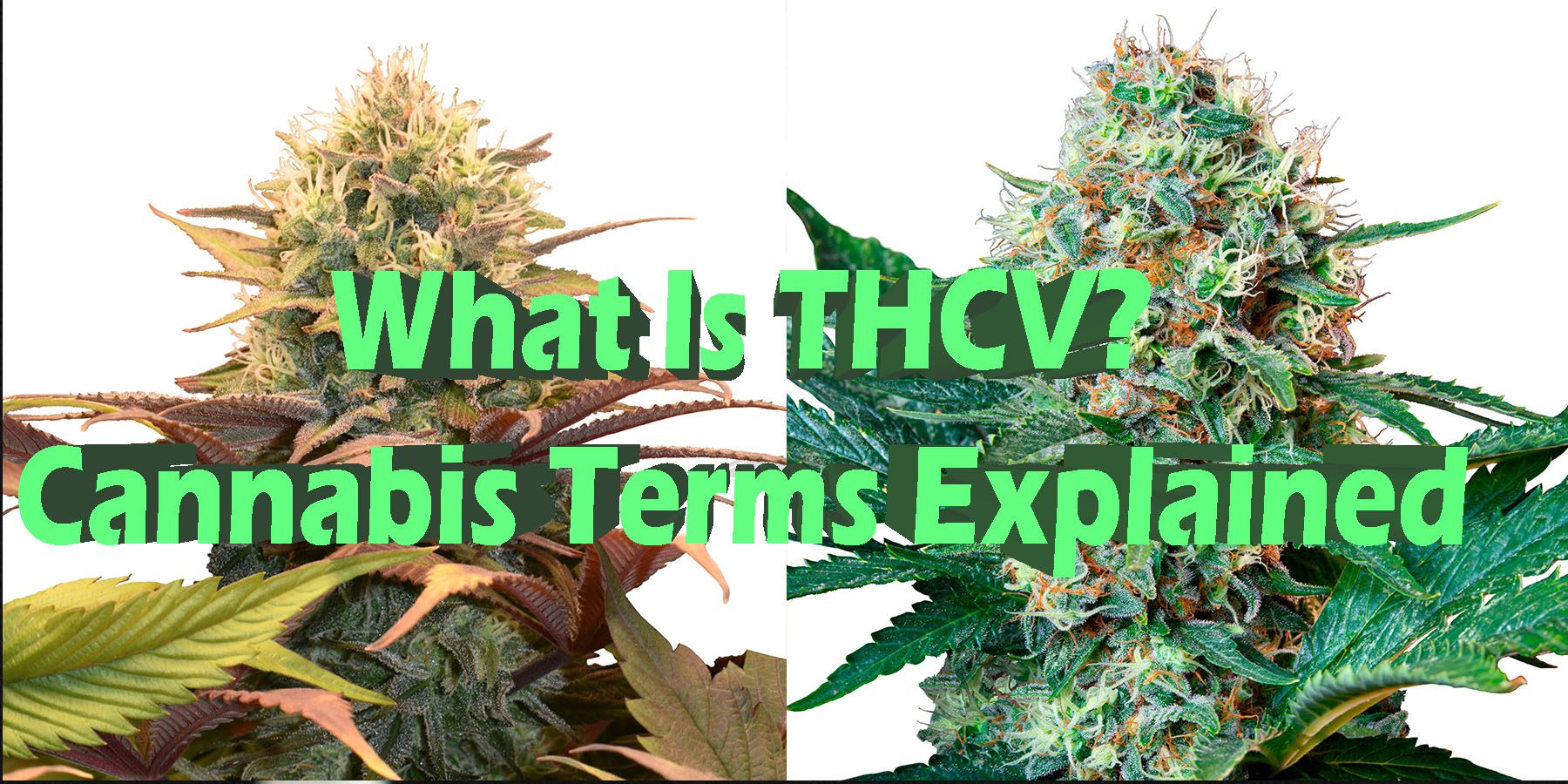
THCV occurs naturally in cannabis, but usually in very small concentrations. Historically, it’s been most closely associated with certain African landrace strains, particularly those originating in regions like South Africa, Malawi, and Swaziland. These genetics are often described as uplifting or energizing, which aligns with what many users report when consuming THCV-rich varieties.
The challenge is that even in these strains, THCV content tends to be low. That scarcity is one reason THCV products were once hard to find and often expensive. Modern cannabinoid science has changed that. Today, companies like Binoid use advanced extraction and conversion techniques to create high-purity, hemp-derived THCV that meets federal compliance standards while remaining accessible to everyday consumers.
How THCV Interacts With the Endocannabinoid System
To understand how THCV feels, it helps to understand how it interacts with the endocannabinoid system, or ECS. The ECS plays a role in regulating mood, appetite, energy levels, focus, and stress response. Like THC, THCV primarily interacts with CB1 receptors, but it does so in a much more nuanced way.
At lower doses, THCV tends to act as a CB1 antagonist, meaning it partially blocks receptor activity instead of fully activating it. This is one reason many people describe low-dose THCV as clear-headed and non-intoxicating. At higher doses, THCV can shift and behave more like a CB1 agonist, producing mild psychoactive effects. Even then, the experience is typically shorter and less heavy than traditional THC.
This dose-dependent behavior is one of THCV’s defining traits and one of the reasons responsible formulation matters so much.
Does THCV Get You High?
Whether or not THCV gets you high depends largely on how much you take and how it’s formulated. In lower amounts, most users don’t experience a traditional high at all. Instead, they report mental sharpness, subtle mood elevation, and a sense of increased motivation. As the dose increases, THCV can introduce a light, head-focused buzz, though it usually lacks the body heaviness and sedation associated with Delta-9 THC.
Even at higher doses, THCV tends to feel more functional and short-lived. This makes it appealing to people who want cannabinoid benefits without feeling mentally overwhelmed or stuck on the couch. Binoid’s THCV formulations are designed with this balance in mind, emphasizing controlled dosing and predictable effects rather than brute potency.
THCV Compared to Traditional THC
Comparing THCV to THC helps clarify why the two feel so different. THC is well known for its strong psychoactivity, appetite stimulation, and tendency to become sedating at higher doses. It’s a cannabinoid many people associate with evening use or relaxation.
THCV, on the other hand, is often described as a daytime cannabinoid. It’s lighter, clearer, and less likely to trigger mental fog. Some people even use THCV alongside THC to smooth out the experience, reducing THC’s intensity while preserving its positive mood effects. This complementary relationship is part of what makes THCV such an interesting addition to modern cannabinoid formulations.
The Appetite Conversation Around THCV
One of the most talked-about aspects of THCV is its relationship with appetite. Unlike THC, which famously increases hunger, THCV has been associated with reduced appetite or a blunting of hunger signals in some users. This doesn’t mean it suppresses eating altogether or acts as a weight-loss solution. Instead, many people report feeling more in control around food, with fewer sudden cravings or mindless snacking urges.
Because of this effect, THCV earned the nickname “diet weed,” though that term oversimplifies what’s really happening. Brands like Binoid avoid leaning into gimmicky claims and instead position THCV as a functional cannabinoid that may support focus and intentionality rather than indulgence.
Energy, Focus, and Mental Clarity
Another reason THCV has gained popularity is its association with energy and focus. Users often describe the experience as mentally uplifting without being jittery or overwhelming. It doesn’t feel like caffeine, and there’s no sharp spike followed by a crash. Instead, the effect is often described as a lifting of mental fog or a sharpening of attention.
Because of this, THCV is commonly used before workouts, during creative projects, or in social situations where alertness matters. Binoid’s approach to THCV emphasizes clean lab testing and precise cannabinoid ratios, helping users dial in this functional window without unintended side effects.
THCV and Anxiety: A Different Dynamic
Anxiety is an area where THCV often feels very different from THC. While THC can sometimes amplify anxious thoughts, especially at higher doses, THCV is frequently described as less mentally intrusive. Some users find that the added clarity actually helps reduce stress by making thoughts feel more organized and manageable.
That said, cannabinoid responses are personal. At higher doses, THCV can feel stimulating, which may not be ideal for everyone. This is why brands like Binoid stress responsible use and encourage consumers to start with lower amounts before increasing their dose.
Is THCV Legal?
From a legal standpoint, THCV exists in the same general category as other hemp-derived cannabinoids. Under the 2018 Farm Bill, cannabinoids derived from hemp containing less than 0.3 percent Delta-9 THC by dry weight are federally legal. Most THCV products currently on the market, including those from Binoid, are produced from compliant hemp and are third-party lab tested.
State laws can vary, so it’s always wise to check local regulations, but federally, THCV occupies a legal space similar to Delta-8, HHC, and other emerging cannabinoids.
How THCV Is Made for Consumer Products
Because natural THCV levels are so low, most commercial THCV is produced using advanced cannabinoid conversion processes starting with hemp-derived compounds. This process isn’t inherently good or bad—it simply comes down to execution. Purity, transparency, and accurate lab testing are what separate high-quality THCV products from questionable ones.
Binoid places a strong emphasis on full-panel lab reports, clear cannabinoid labeling, and clean formulations with no hidden fillers. This transparency is especially important with newer cannabinoids, where consumer education often lags behind availability.
THCV Product Formats and How They Feel
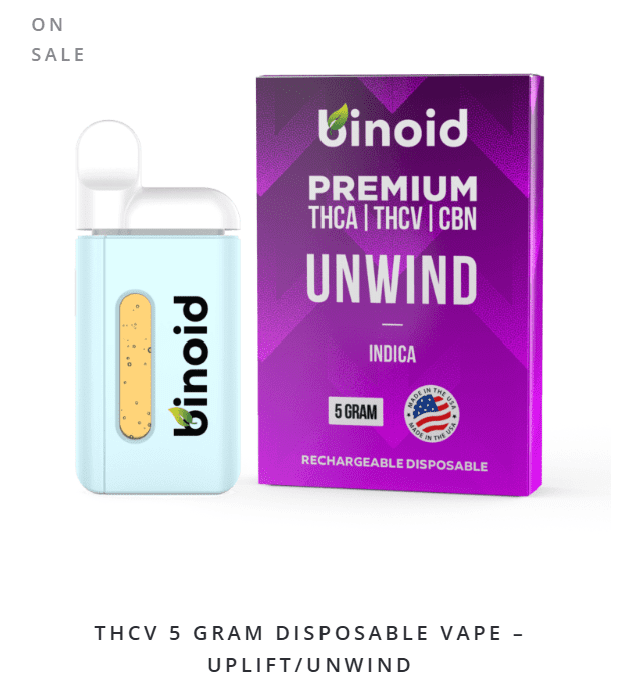
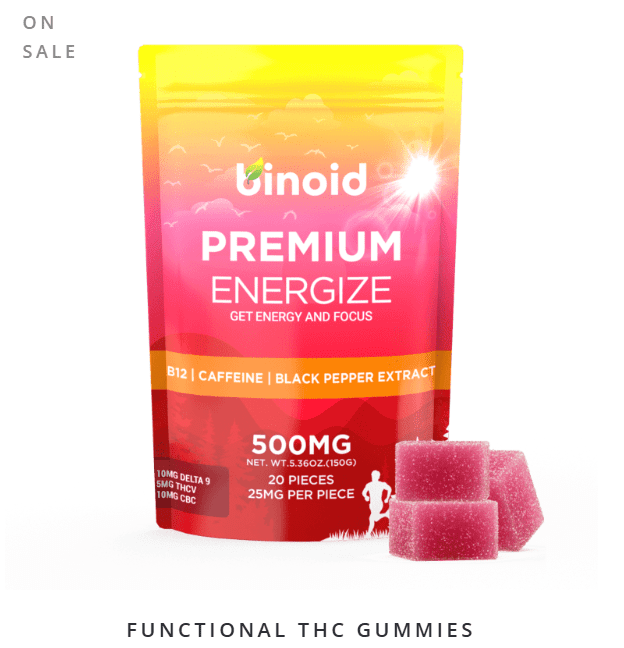
THCV is available in a range of product formats, each offering a slightly different experience. Vapes tend to provide the fastest onset and a shorter duration, making them popular for quick, controlled use. Edibles deliver a slower onset but a longer functional window, while tinctures allow for precise dosing and flexible timing.
Binoid offers multiple THCV delivery options so consumers can choose based on their lifestyle and goals rather than being locked into a single format.
Responsible Use and Dosing Considerations
Because THCV behaves differently depending on dose, responsible use is especially important. Starting low allows users to understand how their body responds before increasing intake. Stacking THCV with other stimulating cannabinoids should be done thoughtfully, and more isn’t always better when it comes to achieving clarity and focus.
THCV tends to shine when it’s used intentionally, with clear expectations and mindful dosing.
Who THCV Is Best Suited For
THCV often appeals to experienced cannabinoid users, people who are sensitive to THC-induced anxiety, and those who prefer daytime or functional cannabis products. It’s also popular among fitness-focused consumers and professionals who want mental clarity without feeling impaired.
Rather than helping people escape their day, THCV is often used to engage with it more fully.
Why Binoid Invests in THCV
Binoid has built its reputation around forward-thinking cannabinoid innovation. Instead of chasing short-lived trends, the brand focuses on rare cannabinoids with real-world utility, transparent sourcing, and education-driven marketing. THCV fits squarely into that philosophy.
Handled correctly, THCV isn’t flashy or overwhelming—it’s precise. Binoid’s commitment to lab testing, formulation integrity, and consumer education helps ensure that THCV products deliver on their promise without unnecessary hype.
Final Thoughts: THCV as a Functional Cannabinoid
THCV isn’t trying to replace THC, and it isn’t designed to knock you out or numb you. It occupies a different lane entirely. It’s about clarity, control, and intention. As cannabinoid science continues to evolve, THCV stands out as one of the most intriguing options for people who want cannabis to support productivity, focus, and balance.
With brands like Binoid leading the way in quality and transparency, THCV has moved beyond novelty status. It’s no longer just a rare cannabinoid people talk about—it’s one people are actively using as part of a more intentional cannabis experience.
To Buy THCV Products Click Here