When Potency Stopped Being Enough
There was a period, not so long ago, when the hemp industry operated on a single dominant logic: stronger equals better. Milligrams were the currency of credibility. Brands raced to out-potentiate each other with bolder numbers on brighter packages, and consumers, largely unfamiliar with the nuances of cannabinoid science, accepted that framework without much question. If the label claimed a staggering dose of Delta-8 or some exotic blend of minor cannabinoids, that was, in theory, all you needed to know. The product either hit or it didn’t, and if it didn’t, you simply assumed you needed a higher number next time.
That era is functionally over. The modern hemp consumer increasingly educated, increasingly discerning, and increasingly willing to spend more for an experience they actually enjoy has reoriented the entire competitive landscape around something that was once treated as an afterthought: flavor. Not the thin candy-coating masking something bitter underneath, but genuine, layered, intentional sensory architecture. The kind of flavor that makes you reach for a gummy a second time not because you’re chasing an effect but because you actually enjoyed the first one. This shift has forced every brand operating in the hemp space to reckon with a question that would have seemed almost frivolous five years ago does your product taste good? and the brands that have answered that question most convincingly are the ones defining what premium looks like right now.
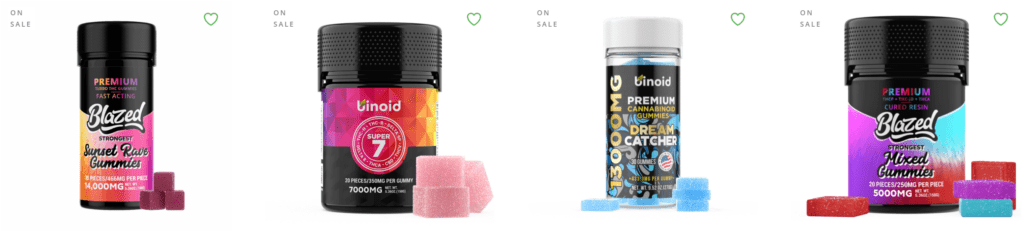
Bloomz, available through Binoidhemp.com, has emerged as one of those brands. Its positioning in the market isn’t built on the bluntest possible cannabinoid delivery mechanism. It’s built on something more sophisticated the understanding that taste is not a decoration layered on top of a product but a fundamental dimension of the experience itself. To understand what that means in practice, and why it matters for anyone navigating the increasingly crowded hemp marketplace, it helps to start at the molecular level.
TO BUY THC PRODUCTS CLICK HERE
The Terpene Architecture Behind Every Great Hemp Flavor
Any honest conversation about flavor in hemp products has to begin with terpenes the aromatic organic compounds produced by cannabis and hundreds of other plants that are responsible for the extraordinary diversity of scents and tastes across the botanical world. Terpenes are what give a lemon its zing, a pine forest its sharpness, a lavender field its calm sweetness. In cannabis and hemp, they do exactly the same job: they shape the olfactory and gustatory signature of a product in ways that cannabinoids alone simply cannot.
The terpene profiles present in a given hemp formulation aren’t just flavor agents in the cosmetic sense. Compounds like myrcene, with its earthy, musky quality, or limonene, with its bright citrus expressiveness, or linalool, carrying that unmistakably floral and slightly spiced quality, each bring their own sensory identity to a product. When a brand takes terpene selection seriously sourcing high-quality isolated or strain-specific terpenes, calibrating ratios thoughtfully, and thinking about how those compounds interact with the cannabinoid profile they’re designed to accompany the result is a product that tastes intentional. You can feel the thought behind it. When a brand treats terpenes as a line item to be minimized in the interest of cost reduction, the product tends to taste generic, sharp, or oddly flat, the flavor equivalent of a blank wall.
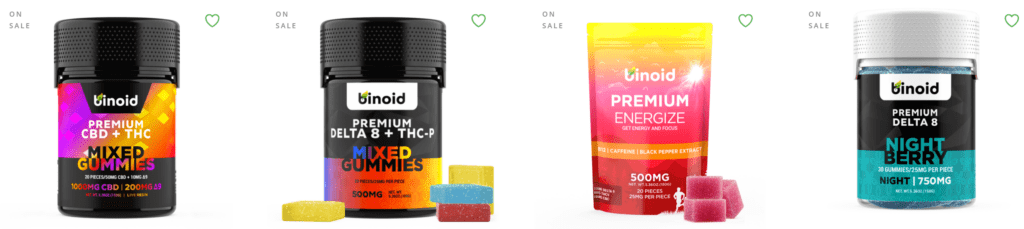
Bloomz‘s approach to terpene integration, as reflected across its product lineup on Binoidhemp.com, leans decisively toward the former. Rather than applying terpene profiles as a cosmetic layer to mask the raw edge of cannabinoid distillate, the brand uses them as compositional tools elements that work with the formulation rather than against it. The difference is immediately noticeable for anyone who has spent time comparing hemp products with any seriousness, and it explains a great deal of why Bloomz’s reputation for flavor has become one of its most consistent brand attributes.
What Separates Bloomz from the Rest of the Hemp Flavor Spectrum
To understand Bloomz‘s position in the flavor landscape, it’s worth mapping the competitive territory it operates within. The hemp product market, particularly in categories like disposable vapes, THC gummies, and tinctures, contains a vast range of flavor approaches and not all of them are equally thoughtful.
At one end of the spectrum, you find brands that treat flavor as a pure marketing exercise. Their products arrive in vivid packages promising “tropical punch” or “blue razz” and deliver something that tastes approximately like a gas station energy drink aggressively sweet, one-dimensional, fading fast to something chemical and lingering. These flavors are engineered to make a strong first impression on a shelf, not to create a sustained sensory experience worth returning to. They rely on overwhelming sweetness to paper over the sharpness of lesser cannabinoid distillates, and they work in the sense that they sell units, but they rarely build the kind of repeat customer loyalty that comes from actually enjoying what you’re consuming.
In the middle of the spectrum, you have competent but undistinguished offerings products with clean, acceptable flavors that do the job without doing anything memorable. These are the hemp equivalents of a restaurant meal that you’d describe as “fine.” No complaints, no particular enthusiasm. They get the job done.
At the premium end where Bloomz operates the flavor conversation becomes genuinely interesting. Here, the goal is not sweetness for its own sake but balance: the interplay between fruity or candy-adjacent notes and the more complex, resinous qualities that skilled terpene blending brings to a formulation. A Bloomz vape or gummy is designed to taste like something that was crafted, not just manufactured. The distinction may sound subtle, but anyone who has moved from mid-tier hemp products to something in this premium tier will recognize it almost immediately. The flavor has depth. It evolves slightly over time rather than sitting flat. The aftertaste is pleasant rather than something to be rinsed away. These qualities don’t happen by accident they’re the product of genuine investment in flavor development.
Flavor Consistency: The Most Underrated Competitive Advantage
Here is an aspect of hemp product quality that rarely gets discussed in marketing but is arguably more important to long-term brand loyalty than any single flavor success: consistency. It is one thing to produce a product with exceptional flavor on a given batch. It is another, more demanding thing to produce that same exceptional flavor with the same precision across thousands of units over many months, with varying terpene supply chains and shifting manufacturing conditions.
Flavor inconsistency in the hemp industry is more common than brands would like to admit. A consumer who loves a particular gummy from a specific brand and orders a second batch several weeks later may find the taste subtly but noticeably different sweeter, or flatter, or missing whatever quality made the first one appealing. This is a direct consequence of inadequate quality controls, inconsistent terpene sourcing, or variability in the base distillate. For the consumer, the experience is quietly corrosive. The trust they were beginning to build with a brand erodes. They start hedging, keeping a mental asterisk next to that product: good when it’s good, but you never quite know.
Bloomz‘s commitment to consistency reflected in its sourcing practices and manufacturing standards, both of which are central to what sets products on Binoidhemp.com apart from less rigorous alternatives directly addresses this problem. When the flavor of a Bloomz Delta-9 gummy or a terpene-rich disposable is the same the fifth time you try it as the first, something deeper than satisfaction occurs: you stop having to think about it. The product earns a kind of background trust that turns occasional customers into habitual ones. In an industry where inconsistency has long been something consumers had to mentally budget for, that reliability is a genuine competitive advantage and one that flavor quality, specifically, makes visible.
The Vape Category: Where Terpene Flavor Becomes the Whole Experience
No product category in the hemp space makes flavor more central to the entire experience than hemp-derived vapes. With a tincture, flavor is an aspect of the experience. With a gummy, it’s a significant part. With a disposable vape or cartridge, it is the experience for the duration of every single inhale. Consumers who vape hemp products are evaluating flavor continuously, in real time, and their judgment is correspondingly exacting.
This is exactly why the terpene quality in vape formulations matters so disproportionately compared to other product categories. A thin or artificial terpene profile that might go largely unnoticed in a gummy becomes inescapable in a vape every draw is a direct sensory confrontation with the formulation’s flavor quality. Brands that cut corners on terpenes in their vape offerings tend to produce products that are harsh, monotonous, or that develop an unpleasant burnt character after modest use. These aren’t small problems. They’re the difference between a product someone finishes versus one that ends up forgotten in a drawer.
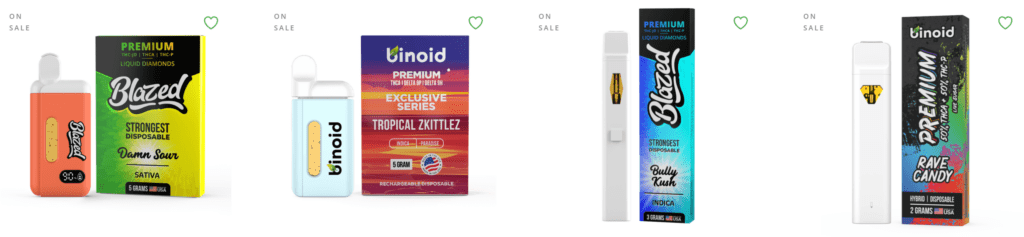
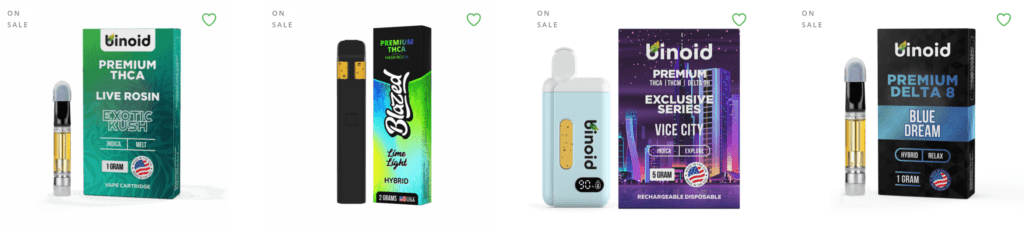
Bloomz’s vape offerings, available across an extensive range of cannabinoid profiles at Binoidhemp.com, use terpene systems designed to remain expressive and stable throughout the life of the device. Rather than front-loading the flavor experience only to have it degrade quickly, the formulations maintain their complexity across extended use. The citrus clarity of a limonene-forward profile stays bright rather than fading into something chemical. The earthy depth of a myrcene-influenced blend maintains its warmth rather than collapsing into sharpness. For consumers who have cycled through enough disposables to know the difference, this kind of sustained flavor integrity is one of the clearest signals that they’re in premium territory.
Gummies and the Problem of Flavor Authenticity
The gummy format occupies a uniquely challenging space in the hemp flavor conversation because it introduces a direct comparison that no other product category quite faces: the traditional candy standard. Consumers come to hemp gummies with existing flavor expectations shaped by years of consuming actual confectionery, and they hold hemp gummies to that benchmark whether consciously or not. A gummy that tastes generic or artificial doesn’t just fail to impress it fails against a reference point consumers already have strong opinions about.
The problem that plagues a significant portion of the hemp gummy market is what might be called sweetness overcorrection the use of intense, somewhat aggressive sweetness to bury the naturally bitter or herbal notes that cannabinoid distillates can introduce into a gummy matrix. This approach works as camouflage but fails as flavor design. The result is often a product that tastes sweet in the same way a sugar cube tastes sweet: relentlessly, without nuance, and without the kind of flavor evolution that makes confectionery genuinely enjoyable.
Bloomz’s gummy formulations, spanning a wide range of cannabinoid blends available at Binoidhemp.com, take a more restrained and ultimately more effective approach. The sweetness is present and appropriate, but it functions as a supporting element rather than the entire flavor strategy. It creates space for the terpene profile to express itself for the fruity or floral or subtly botanical qualities of the formulation to register alongside the sweetness rather than being overpowered by it. The result is a flavor experience that feels authentic in the sense that it actually resembles the thing it claims to taste like, rather than a hyperbolized candy impression of it. For consumers who care about what they’re putting in their bodies and how it tastes while they’re doing so, this authenticity matters.
How Flavor Shapes Perceived Quality and Why That Matters
There is something worth examining in the relationship between flavor quality and perceived product quality more broadly. It might seem logical to assume that consumers evaluate hemp products primarily on effects that what happens after consumption is the dominant criterion, and taste is merely the entry point. But that’s not quite how sensory experience works, and the hemp industry’s most sophisticated brands understand this intuitively.
Flavor creates an immediate, real-time signal about a product’s quality that effects, which are delayed and vary by individual, simply cannot provide in the same way. When a consumer opens a jar of Bloomz gummies from Binoidhemp.com and the flavor is immediately clean, layered, and genuinely pleasant, a judgment occurs before any cannabinoid has entered the bloodstream: this was made with care. That judgment shapes everything that follows, including how the consumer interprets the effects they eventually experience. The reverse is equally true. A product with poor, artificial, or inconsistent flavor generates a skepticism that colors the entire experience, even when the cannabinoid content is technically sound.
This is why flavor investment is not cosmetic for Bloomz it is strategic. The brand’s reputation for producing hemp products with genuinely enjoyable taste profiles feeds directly into its broader positioning as a premium option in a market full of brands that still haven’t made peace with the idea that taste and quality are inseparable. For the consumer navigating that market, Bloomz’s flavor-forward approach is both a practical benefit and a reliable signal: if it tastes this good, the rest of the formulation probably got the same level of attention.
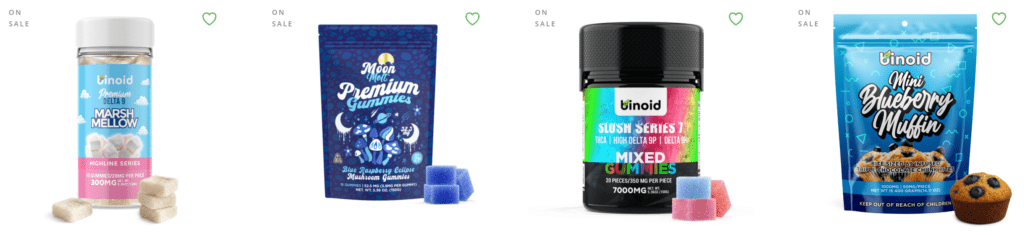
The Standard Other Brands Are Now Competing Against
The hemp industry is not standing still. Competition is intensifying at every tier, and the pressure that brands like Bloomz create by demonstrating what flavor quality can look like in this category has not gone unnoticed by the rest of the market. Other brands are investing more in terpene sourcing, more in flavor development, more in the kind of product refinement that produces consistent, authentic taste experiences. The bar is rising across the board.
But raising a bar and reaching it are different things, and Bloomz‘s head start in treating flavor as a core product value rather than a feature to be added once the cannabinoid content is sorted creates a persistent advantage. The brand’s lineup at Binoidhemp.com reflects a coherent flavor philosophy applied across product categories, formats, and cannabinoid profiles. Whether a consumer is exploring a THCP blend in a disposable vape, working through a multipack of Delta-9 THC gummies, or trying a specialized cannabinoid tincture, the flavor experience maintains a consistent identity: honest, well-crafted, and designed around the consumer’s enjoyment rather than the brand’s convenience.
That consistency of identity, across categories and over time, is what separates a brand with a genuine flavor ethos from one that got lucky on a single SKU. It’s the difference between a restaurant with a chef and a restaurant with a menu. Bloomz, in this metaphor, has a chef.
Why Flavor Is the Future of the Hemp Market and Who’s Ready for It
The trajectory of consumer expectations in the hemp space points clearly in one direction. As the market matures, as more people enter the category with prior experience in adjacent wellness and lifestyle industries, and as the regulatory environment continues to stabilize, the quality gap between thoughtfully designed hemp products and hastily formulated ones will become harder to ignore. Consumers who spent their early hemp product years tolerating mediocre taste in exchange for accessible cannabinoids are increasingly unwilling to make that trade.
The brands that recognize this shift and more importantly, that recognized it early enough to build flavor quality into their DNA rather than retrofitting it onto existing product lines are the ones that will define what the hemp industry looks like as it enters its next phase. Bloomz, and the broader ecosystem of premium products available through Binoidhemp.com, represents exactly this forward-looking orientation. The flavor is good not because good flavor is a nice feature to have, but because the brand understood before many of its competitors that flavor is the product, in the same way that harmony is music and composition is photography.
For the consumer who has spent time moving through the hemp landscape and wondering why some products feel like experiences worth returning to while others feel transactional and forgettable, the answer almost always comes back to this: taste is the most honest signal a product can send about the quality of everything inside it. And in that conversation, Bloomz is speaking a language the rest of the market is still learning.
TO BUY THC PRODUCTS CLICK HERE