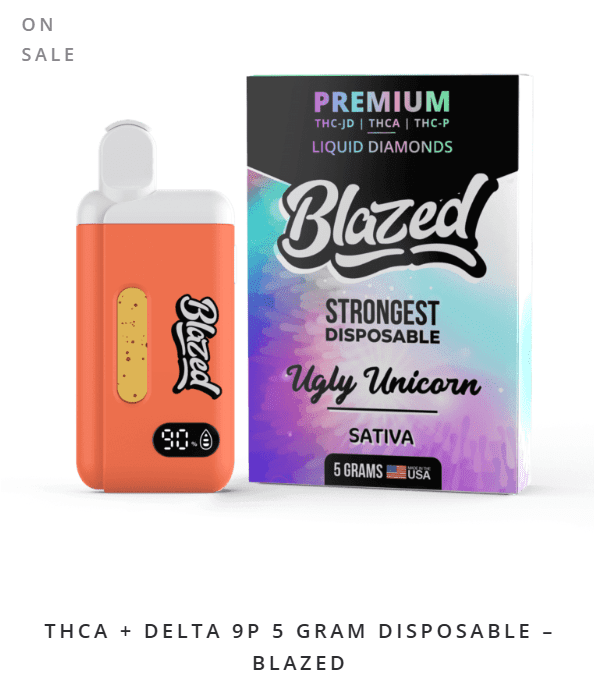

Cannabis science continues to evolve rapidly, with new cannabinoids being discovered, studied, and brought to market. One of the newest terms gaining attention in cannabis and hemp circles is Delta 9P, sometimes written as Δ9-P or Delta-9-phorol. While it sounds similar to the familiar Delta-9 THC, Delta-9P is a distinct compound with unique structural characteristics, effects, and potential applications.
For consumers, dispensaries, and industry professionals, understanding Delta-9P—and how it differs from traditional THC—is increasingly important. In this cannabis terms explained guide, we will explore everything from the chemical structure of Delta-9P to its potential effects, legality, market applications, and the scientific considerations that make it unique.
To Buy Delta 9P Products Click Here
Understanding Cannabinoids: The Basics
Before diving into Delta-9P, it helps to understand what cannabinoids are. Cannabinoids are naturally occurring chemical compounds found in cannabis that interact with the endocannabinoid system (ECS) in the human body. The ECS regulates a wide range of physiological processes, including:
-
Mood and emotion
-
Appetite and digestion
-
Sleep cycles
-
Pain perception
-
Immune system response
Cannabinoids can be psychoactive, like Delta 9 THC, which produces the classic “high” associated with cannabis, or non-psychoactive, like CBD, which affects the body without producing significant intoxication.
Delta 9P is classified as a minor cannabinoid, meaning it occurs in trace amounts naturally in the cannabis plant. However, like other minor cannabinoids, it is beginning to attract attention for its potential effects and unique chemical structure.
The Origins of the Name Delta-9P
The term Delta 9P refers to Delta-9 THC with a propyl side chain. Traditional Delta-9 THC has a five-carbon (pentyl) side chain, whereas Delta-9P has a three-carbon (propyl) side chain. This seemingly small difference in chemical structure can significantly influence how the molecule interacts with cannabinoid receptors.
Side chains determine how tightly a cannabinoid binds to CB1 receptors in the brain, which directly influences potency, duration, and overall effects. While Delta-9P is similar to Delta-9 THC, its shorter side chain may produce different psychoactive or physiological effects.
How Delta-9P Differs from Traditional Delta-9 THC
Though Delta 9P shares a name with Delta-9 THC, there are several key differences:
-
Chemical Structure: Delta-9 THC has a pentyl (five-carbon) side chain, while Delta-9P has a propyl (three-carbon) side chain.
-
Receptor Binding: Shorter side chains may bind less strongly to CB1 receptors, potentially altering psychoactive intensity.
-
Occurrence in Nature: Delta-9P is extremely rare in cannabis plants, whereas Delta-9 THC is abundant in many strains.
-
Market Availability: Delta-9P is primarily produced in labs through conversion methods rather than extracted directly from plants.
These distinctions make Delta 9P a novel cannabinoid that behaves differently from traditional Delta-9 THC, even if casual observers assume they are equivalent.
Is Delta-9P Naturally Occurring?
Delta 9P does exist naturally in cannabis, but only in trace amounts that are too small to extract economically for commercial use. This is similar to other minor cannabinoids like THCV or CBG, which naturally occur in very low concentrations.
Because natural extraction is impractical, Delta-9P products available on the market are usually lab-produced. Scientists create Delta-9P by chemically converting other cannabinoids, typically derived from hemp, into the desired molecular structure.
How Delta-9P Is Produced
Production of Delta 9P relies on advanced cannabinoid chemistry. Manufacturers use controlled processes to convert other cannabinoids, such as CBD or Delta-9 THC itself, into Delta-9P. These laboratory processes allow for precise control over purity and concentration.
This production method is similar to how many hemp-derived cannabinoids—like Delta-8 THC or THC-P—are created. However, it emphasizes the importance of third-party lab testing and transparent manufacturing practices, as inconsistencies or contaminants could impact consumer safety.
Delta-9P and the Endocannabinoid System
Like other THC-type cannabinoids, Delta-9P interacts with the endocannabinoid system (ECS), particularly the CB1 and CB2 receptors. CB1 receptors, concentrated in the brain and central nervous system, mediate psychoactive effects, while CB2 receptors, found primarily in immune and peripheral tissues, influence inflammation and immune response.
Due to its structural similarity to Delta-9 THC, Delta-9P likely produces some level of psychoactive effect, though the intensity and duration may differ. Researchers are still studying its exact interaction profile, but preliminary insights suggest it could offer novel effects distinct from Delta-9 THC or Delta-8 THC.
Potential Effects of Delta-9P
Scientific research on Delta-9P is limited, so most understanding of its effects is theoretical or anecdotal. Some hypothesized effects include:
-
Mental elevation and mild euphoria
-
Enhanced sensory perception
-
Mood improvement or stimulation
-
Possible relaxation or mild body effects
Because Delta-9P is structurally different from traditional THC, users may experience a slightly different psychoactive profile, potentially offering a unique cannabinoid experience.
Delta-9P vs. THCP
Delta-9P is sometimes confused with THCP, another minor cannabinoid. While the names look similar, they are very different compounds:
-
THC-P: Has a seven-carbon side chain, leading to extremely strong CB1 receptor binding and intense psychoactive effects.
-
Delta 9P: Has a three-carbon side chain, which is shorter than Delta-9 THC and likely produces milder or distinct effects.
It is crucial for consumers to understand these structural differences before trying new cannabinoids, as potency and experience can vary widely.

Delta-9P vs. Delta-8 and Delta-10
Delta-8 and Delta-10 THC are positional isomers of Delta 9 THC, meaning their chemical structure differs only in the placement of a double bond. Delta-9P, on the other hand, differs in side-chain length, making it a distinct cannabinoid altogether.
These differences matter because even minor structural changes can significantly influence binding strength, psychoactivity, and overall experience.
Legal Considerations of Delta-9P
The legal status of Delta 9P is currently unclear in most regions. In the United States, cannabinoids not specifically named in the Controlled Substances Act often exist in a gray area, particularly if derived from hemp and containing less than 0.3% Delta-9 THC by dry weight.
Factors affecting legality include:
-
Source of the cannabinoid (hemp vs. marijuana)
-
Concentration of Delta-9 THC in the product
-
State-level cannabinoid regulations
Consumers and retailers should check local laws and choose brands that provide transparent lab testing.
Delta-9P in the Hemp-Derived Market
Delta 9P is most likely to appear in hemp-derived cannabinoid products, where innovation and experimentation are common. These products include:
-
Vape cartridges
-
Edibles and gummies
-
Tinctures and oils
-
Topicals
In this context, Delta-9P is used to explore novel cannabinoid experiences rather than replicate traditional cannabis effects exactly.
Safety and Lab Testing
Because Delta 9P is a relatively new cannabinoid, lab testing and quality assurance are critical. Reputable products should include:
-
Third-party cannabinoid testing to verify concentration
-
Contaminant testing for heavy metals, solvents, and pesticides
-
Clear labeling of dosage and concentration
Consumers should avoid untested or unverified products, as minor cannabinoids produced in labs require precision to ensure safety and consistency.
Consumer Education: Understanding Delta-9P
Delta 9P highlights the growing need for consumer education in the cannabinoid market. Names can be confusing, and the structural differences between cannabinoids often influence effects more than casual labels suggest.
Learning about Delta-9P includes:
-
Understanding chemical structure
-
Comparing it to other cannabinoids (Delta-9 THC, THCP, Delta-8, Delta-10)
-
Being aware of legal and safety considerations
-
Recognizing that personal response may vary

Common Misconceptions About Delta-9P
Some common misconceptions include:
-
Delta-9P is just a stronger Delta-9 THC – In reality, shorter side chains may reduce potency or create different effects.
-
All “P” cannabinoids produce similar effects – Structural differences, like side chain length, significantly change receptor binding.
-
Delta 9P is fully tested and studied – Research is limited; most knowledge comes from chemical theory and anecdotal reports.
Being informed is crucial when exploring any minor cannabinoid.
The Future of Delta-9P
As the cannabis industry continues to innovate, Delta-9P represents a frontier of minor cannabinoid exploration. Ongoing research will help clarify:
-
How it interacts with CB1 and CB2 receptors
-
Its potential psychoactive and therapeutic effects
-
Safety and metabolism in humans
-
Possible applications in medical and recreational products
Delta-9P also highlights the importance of lab transparency, education, and responsible use for consumers experimenting with new cannabinoids.
How to Approach Delta-9P as a Consumer
If you’re curious about Delta-9P:
-
Start small: Begin with low doses to understand your personal response.
-
Check lab reports: Ensure the product has been tested for potency and contaminants.
-
Understand legal risks: Verify whether Delta-9P products are legal in your state or country.
-
Consider the source: Purchase from reputable brands prioritizing transparency and safety.
By approaching Delta-9P cautiously and informed, consumers can safely explore this emerging cannabinoid.
Why Delta-9P Matters in Cannabis Science
Delta-9P underscores the rapidly evolving nature of cannabis science. New cannabinoids like Delta-9P show that the cannabis plant contains far more complexity than previously understood. While THC and CBD dominate headlines, compounds like Delta-9P, THCP, CBG, and others offer new pathways for research, product innovation, and consumer experiences.
The development of Delta-9P products demonstrates:
-
The potential of laboratory innovation in cannabinoids
-
The growing consumer interest in rare or novel compounds
-
The importance of transparency and scientific education in the industry
Final Thoughts: What Delta-9P Really Means
Delta-9P is an emerging cannabinoid that is chemically related to Delta-9 THC but structurally distinct. Its unique side-chain configuration may influence potency, receptor binding, and subjective effects. While natural occurrence is rare, lab production allows Delta-9P to be explored safely in controlled products.
In the landscape of cannabis terms explained, Delta-9P highlights the complexity and potential of minor cannabinoids. For consumers, it emphasizes the importance of education, transparency, and cautious experimentation. As research continues, Delta-9P may become a well-understood component of the cannabinoid spectrum, offering new options for both recreational and medical users.
For now, it remains a fascinating frontier in cannabis science—one that reminds us just how much we are still discovering about this versatile plant.
To Buy Delta 9P Products Click Here