Full spectrum extract is one of the most common cannabis terms you’ll see on product labels, dispensary menus, and online hemp shops—and it’s also one of the most confusing. It sounds scientific, it sounds premium, and it definitely sounds like something you should want. But what does it actually mean? And more importantly, does full spectrum extract really feel different than other cannabis products?
If you’ve ever bought a vape cart, a tincture, an edible, or even a concentrate and noticed the words “full spectrum,” there’s a good chance you assumed it meant stronger, better, or more natural. In some cases, that’s true. In other cases, it’s basically marketing.
The reality is that full spectrum extract can be an amazing thing when it’s made correctly and labeled honestly. It can also be used loosely to describe products that are not truly full spectrum. That’s why it’s important to understand what this term means, what full spectrum extracts contain, how they’re made, and how they compare to broad spectrum and isolate products.
In this Cannabis Terms Explained guide, we’re going to break down what full spectrum extract is, how it works, why people love it, what makes it different from distillate and isolate, how it affects your high, what types of products use it, how to read labels, and what to look for when buying full spectrum cannabis or hemp products.
To Buy THC Products Click Here
What Is Full Spectrum Extract?
Full spectrum extract is a cannabis extract that contains a wide range of naturally occurring compounds from the cannabis plant, not just one isolated cannabinoid.
In other words, a full spectrum extract is designed to preserve more of the plant’s original chemical profile. That includes:
-
major cannabinoids (like THC or CBD)
-
minor cannabinoids (like CBG, CBC, CBN, THCV, etc.)
-
terpenes (aroma and flavor compounds)
-
flavonoids and other plant compounds
The key idea is that full spectrum extract contains multiple cannabinoids and terpenes working together, rather than being stripped down into a single compound.
This is why full spectrum extract is often associated with the “entourage effect,” which is the belief that cannabis compounds work better together than alone.
Why Is Full Spectrum Extract So Popular?
Full spectrum extract is popular because many cannabis users believe it delivers a more natural, balanced, and complete experience.
A lot of people describe full spectrum products as:
-
smoother
-
more strain-like
-
longer-lasting
-
more “whole plant”
-
less sharp than pure THC
For example, some people feel that THC distillate gives them a fast, intense high that can feel a little one-dimensional. Full spectrum products, on the other hand, often feel more rounded because the terpenes and minor cannabinoids help shape the experience.
This is also why full spectrum is popular in both the THC cannabis market and the hemp CBD market.
Full Spectrum Extract vs Distillate
One of the best ways to understand full spectrum extract is to compare it to distillate.
Distillate is a highly refined cannabis oil that usually contains one dominant cannabinoid, such as:
-
THC distillate
-
CBD distillate
-
Delta 8 distillate
Distillate is made by extracting cannabis oil and then refining it through distillation. This removes many of the plant’s natural compounds, including terpenes and minor cannabinoids.
That’s why distillate is often:
-
extremely potent
- very thick
-
odorless or nearly odorless before terpenes are added
-
consistent from batch to batch
Full spectrum extract is different because it keeps more of the original plant compounds intact.
So the basic comparison looks like this:
Distillate:
-
high purity of one cannabinoid
-
terpenes often re-added
-
effects can feel “clean” but narrow
Full spectrum extract:
-
multiple cannabinoids present
-
terpenes naturally present (or preserved)
-
effects often feel more balanced
Full Spectrum Extract vs Isolate
Isolate is even more refined than distillate.
Cannabinoid isolate is a single cannabinoid purified to near 99%+.
Examples include:
-
CBD isolate
-
CBG isolate
-
THC isolate (rare, but exists)
Isolate contains no terpenes and no other cannabinoids.
This makes isolate useful for people who want:
-
zero THC
-
no cannabis flavor
-
predictable dosing
-
very specific effects
But isolate is not full spectrum.
Full spectrum extract is the opposite philosophy. It’s about keeping the “full” range of compounds.
Full Spectrum Extract vs Broad Spectrum
Broad spectrum is another term you’ll see constantly.
Broad spectrum extract usually means:
-
multiple cannabinoids and terpenes
-
BUT with THC removed (or reduced to non-detectable levels)
Broad spectrum is most common in CBD products where consumers want:
-
the entourage effect
-
without the psychoactive THC
So the main difference is:
Full spectrum:
-
includes THC (even if small)
-
contains wide cannabinoid range
Broad spectrum:
-
includes multiple cannabinoids
-
but THC is removed or minimized
This is especially important in the hemp industry, because full spectrum hemp products can still contain small amounts of THC (within legal limits).
What Does “Full Spectrum” Actually Mean in Cannabis?
Here’s where things get a little tricky.
In an ideal world, “full spectrum” would mean the extract contains the same general range of compounds as the original plant.
But in the real market, “full spectrum” can mean different things depending on the product type.
For example:
-
a full spectrum tincture might be ethanol extracted and contain a wide range of cannabinoids and terpenes
-
a full spectrum vape cart might be a distillate base with a small amount of minor cannabinoids and terpenes added
-
a full spectrum edible might use full spectrum oil, but the final product may not preserve terpenes well
So full spectrum is a concept, not a guaranteed standard.
That’s why lab testing matters.
The Entourage Effect: Why Full Spectrum Feels Different
The biggest reason people seek out full spectrum extract is the entourage effect.
The entourage effect is the idea that cannabinoids and terpenes work together synergistically to produce more effective or more balanced effects.
For example:
-
THC + CBD can feel smoother than THC alone
-
THC + CBG may feel more uplifting
-
THC + CBN may feel more sedating
-
certain terpenes may influence mood, relaxation, or focus
While research is still developing, many consumers strongly believe the entourage effect is real based on personal experience.
This is why full spectrum products are often described as:
-
more therapeutic
-
less anxiety-inducing
-
more body-focused
-
more “strain accurate”
What Compounds Are in Full Spectrum Extract?
Full spectrum extract can include dozens (or even hundreds) of compounds.
The main categories include:
Major Cannabinoids
These are the cannabinoids present in higher amounts:
-
THC
-
CBD
Depending on the plant type (hemp vs cannabis), the dominant cannabinoid changes.

Minor Cannabinoids
These are cannabinoids found in smaller amounts, but they can still influence effects:
-
CBG
-
CBC
-
CBN
-
THCV
-
CBDV
-
Delta 8 THC (naturally in small amounts)
-
Delta 10 THC (trace)
-
THCA (in raw extracts)
Terpenes
Terpenes are aromatic compounds that give cannabis its smell and flavor:
-
myrcene
-
limonene
-
pinene
-
caryophyllene
-
linalool
-
humulene
-
terpinolene
Terpenes also influence the feel of the high.
Flavonoids and Other Compounds
Flavonoids contribute to:
-
color
-
aroma complexity
-
taste
They’re less discussed, but they’re part of the “whole plant” profile.
How Is Full Spectrum Extract Made?
Full spectrum extract can be made using several extraction methods.
The most common are:
Ethanol Extraction
Ethanol extraction is widely used for full spectrum oils because it pulls a broad range of cannabinoids and plant compounds.
It’s common in:
-
tinctures
-
edibles
-
capsules
Ethanol extraction can preserve a wide profile, but it may also pull chlorophyll, which can affect taste.
CO₂ Extraction
CO₂ extraction can produce a clean extract with a wide range of cannabinoids.
It’s often used in:
-
vape carts
-
tinctures
-
topicals
CO₂ can be tuned to preserve terpenes better than some other methods.
Hydrocarbon Extraction (Butane/Propane)
This is often used for:
-
live resin
-
sauce
-
diamonds + terp sauce
These can be considered “full spectrum” in a different sense because they preserve terpenes and minor cannabinoids, especially when made from fresh frozen flower.
Solventless Extraction
Solventless products like:
-
bubble hash
-
dry sift
-
rosin
are often considered the purest form of full spectrum because they preserve natural compounds without solvents.
Is Live Resin Full Spectrum?
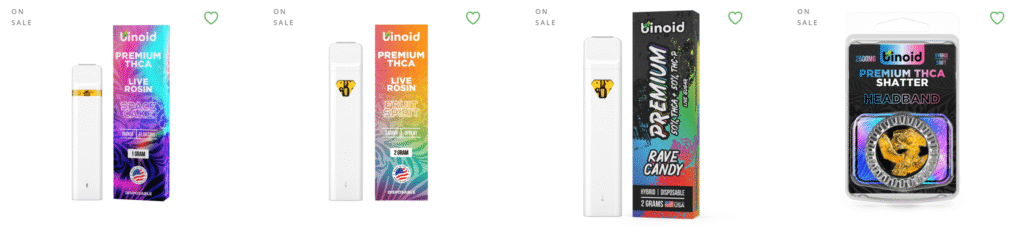
Many people consider live resin to be full spectrum.
Live resin is made from fresh frozen cannabis and extracted with solvents like butane. It often preserves:
-
high terpene content
-
a wide cannabinoid profile
-
strong strain-specific flavor
Compared to distillate, live resin is much closer to the original plant.
So while “full spectrum” is usually associated with tinctures and oils, live resin absolutely fits the spirit of the term.
Is Rosin Full Spectrum?
Yes — rosin is often considered one of the most full spectrum cannabis extracts available.
Rosin is made by pressing cannabis flower or hash with heat and pressure.
Because rosin is minimally processed, it often contains:
-
cannabinoids
-
terpenes
-
minor compounds
Many concentrate enthusiasts consider rosin the best example of a true full spectrum extract.
Is Hash Full Spectrum?
Yes.
Hash products like:
-
bubble hash
-
dry sift
-
full melt
are basically concentrated trichomes.
Trichomes naturally contain the plant’s cannabinoid and terpene profile.
So hash is full spectrum by nature.
This is why solventless culture often sees hash as the most “authentic” concentrate.
Are Full Spectrum Products Stronger?
Not always.
This is one of the biggest misunderstandings.
Full spectrum products can be:
-
less potent in THC percentage than distillate
-
but feel stronger or more complete
For example, a THC distillate cart might test at 90% THC.
A full spectrum live resin cart might test at 70% THC.
Even though the distillate has more THC, the live resin might feel stronger because the terpenes and minor cannabinoids influence the experience.
So potency isn’t only about THC percentage.
It’s about the full chemical profile.
Does Full Spectrum Get You Higher?
For THC products, full spectrum can feel like a “better” high for many people.
Consumers often report:
-
more euphoria
-
better body effects
-
smoother mental experience
-
less paranoia compared to pure THC
However, this depends on:
-
your tolerance
-
the strain
-
the terpene profile
-
the product quality
Some people still prefer distillate because it’s strong, simple, and consistent.
But for many users, full spectrum feels more enjoyable.
Full Spectrum in the Hemp Industry (CBD)
Full spectrum extract is also huge in the hemp CBD market.
Full spectrum CBD oil often contains:
-
CBD as the dominant cannabinoid
-
small amounts of THC (within legal limits)
-
minor cannabinoids like CBG and CBC
-
natural terpenes
Many people believe full spectrum CBD works better than CBD isolate for:
-
relaxation
-
stress relief
-
sleep support
-
general wellness
Because the minor cannabinoids may enhance CBD’s effects.
Does Full Spectrum CBD Contain THC?
Yes, usually.
This is extremely important.
Full spectrum hemp products can legally contain THC up to certain limits (such as 0.3% Delta 9 THC by dry weight in the U.S., depending on the product and state rules).
That means:
-
full spectrum CBD can cause a mild psychoactive effect in sensitive users
-
full spectrum CBD can potentially trigger a positive drug test
This is why some consumers choose broad spectrum or isolate instead.
Full Spectrum Extract and Drug Tests
Full spectrum products can contain THC.
Even if it’s a small amount, repeated use can build up THC metabolites in the body.
So if you’re subject to drug testing, full spectrum may not be the safest option.
Broad spectrum or isolate is typically preferred for people who want to avoid THC.
What Products Can Be Full Spectrum?
Full spectrum extract can show up in many product types, including:
Tinctures
Full spectrum tinctures are very common and often considered one of the best ways to consume full spectrum oil.
Edibles
Edibles can use full spectrum oil, though terpenes may not survive the cooking process well.
Capsules
Capsules often contain full spectrum oil for consistent dosing.
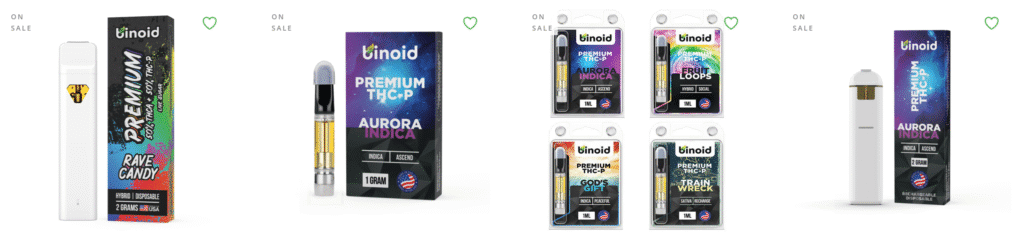
Vape Cartridges
Full spectrum carts are often labeled as:
- live resin
- rosin
- CO₂ oil
- full spectrum extract
Concentrates
Many concentrates are naturally full spectrum, especially:
- live resin
- rosin
- hash
Topicals
Some topicals use full spectrum oil, though effects are usually localized.
How to Tell If Something Is Truly Full Spectrum
Because “full spectrum” can be used loosely, the best way to confirm is by checking a COA (Certificate of Analysis).
A real full spectrum COA will usually show:
- multiple cannabinoids listed
- minor cannabinoids present
- terpene testing (if available)
If the COA shows only one cannabinoid, it’s likely distillate or isolate.
Also pay attention to the ingredient list.
If a cart says “THC distillate + botanical terpenes,” that’s not truly full spectrum, even if it tastes good.
If it says “live resin” or “CO₂ full spectrum oil,” it’s more likely to be full spectrum.
Full Spectrum vs Botanical Terpenes
A big difference in the vape world is whether terpenes are cannabis-derived or botanical.
Distillate carts often add terpenes back in after refinement.
Those terpenes may be:
-
cannabis-derived terpenes (CDT)
-
botanical terpenes (BDT)
Full spectrum carts usually preserve more natural cannabis terpenes, which many people say taste smoother and feel more strain-accurate.
Botanical terpenes can taste strong, sweet, or candy-like, but they don’t always deliver the same effect.
Full Spectrum Extract and Flavor
Full spectrum extracts usually taste better.
Not always sweeter, but more complex.
Because terpenes are preserved, full spectrum concentrates can taste like:
- actual cannabis flower
- citrus peel
- berries
- gas
- pine
- herbal spice
Instead of just tasting like generic sweetness.
This is one reason connoisseurs prefer full spectrum products.
Full Spectrum Effects: What to Expect
Full spectrum effects are often described as:
- more balanced
- more body-forward
- more “true to strain”
- less jittery
- less one-dimensional
For example:
-
a full spectrum indica-leaning extract might feel deeply relaxing
-
a full spectrum sativa-leaning extract might feel more energetic and clear
The terpenes and minor cannabinoids help shape those differences.
Is Full Spectrum Better?
Not necessarily.
Full spectrum is better for people who want:
- flavor
- strain accuracy
- a fuller experience
- more balanced effects
Distillate or isolate can be better for people who want:
- maximum THC potency
- minimal flavor
- consistent effects
- easy dosing
- lower cost
So it depends on your goals.
In general, full spectrum is considered the more premium and craft option.
Responsible Use Tips
Full spectrum extracts can feel stronger than expected.
Even if the THC percentage is lower, the entourage effect can make the experience hit harder.
If you’re new:
- start with small doses
- wait before taking more
- don’t mix multiple products
- avoid driving after use
And if you’re using hemp full spectrum products, remember that small THC amounts can still impact you.
Final Thoughts: What Is Full Spectrum Extract?
Full spectrum extract is a cannabis extract that preserves a wide range of cannabinoids, terpenes, and other natural compounds from the cannabis plant, rather than isolating a single cannabinoid. It’s often prized for delivering more balanced, strain-specific, and full-bodied effects thanks to the entourage effect.
Full spectrum extracts can appear in many product types, including tinctures, edibles, vape cartridges, live resin, hash, and rosin. While the term is sometimes used loosely in marketing, true full spectrum products will typically show multiple cannabinoids (and sometimes terpenes) on lab testing.
If you want a cannabis experience that feels closer to the original plant—richer flavor, smoother effects, and more complete highs—full spectrum extract is one of the best terms to look for when shopping.
To Buy THC Products Click Here