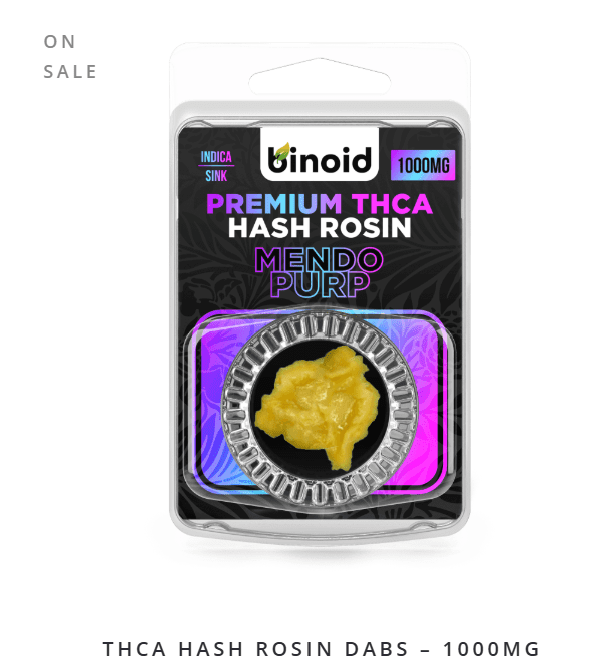
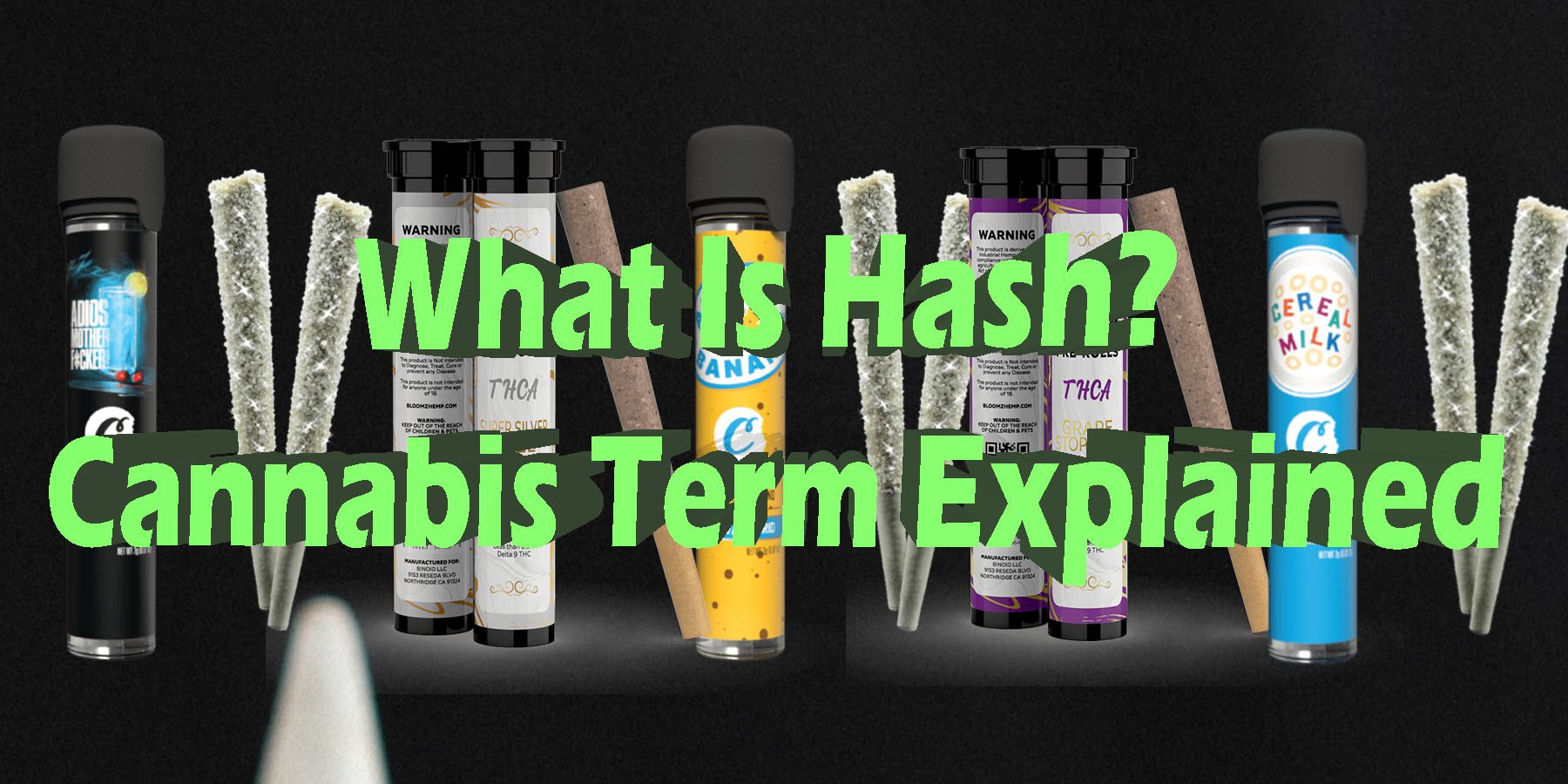
Hash is one of the oldest, most iconic cannabis products in the world—and at the same time, it’s one of the most misunderstood. Some people picture hash as old-school black bricks from decades ago. Others think of modern “full melt” hash that looks like sandy powder. And a lot of newer consumers aren’t even sure what hash is supposed to be, how it’s made, or how it compares to things like wax, shatter, live resin, and rosin.
The truth is, hash is a concentrate, but it’s not the same kind of concentrate as most of the products people think of today. Hash is often considered the foundation of the entire concentrate world. It’s the product that existed long before vape carts, dab rigs, and flashy extract jars. And even in 2026, hash is still one of the most respected forms of cannabis because it’s built around the part of the plant that matters most: trichomes.
In this Cannabis Terms Explained guide, we’re going to break down what hash is, how it’s made, what types exist, how strong it can be, how it’s consumed, how it compares to other concentrates, and what to look for when shopping for it.
To Buy THC Products Click Here
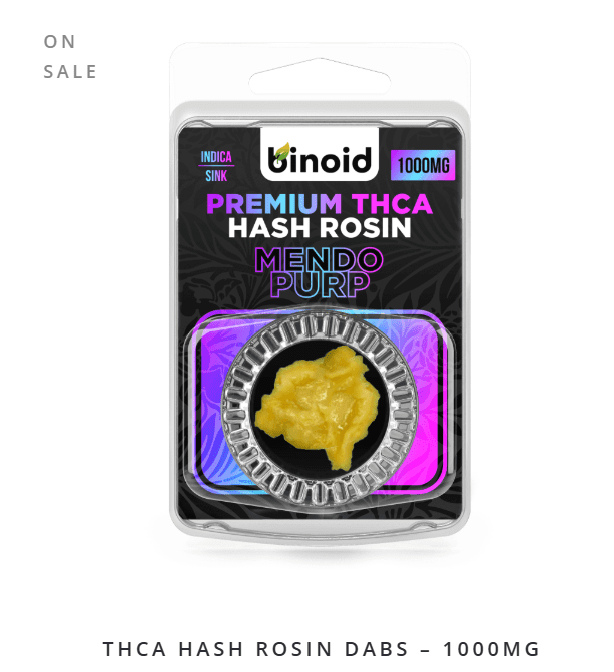
What Is Hash?
Hash (short for hashish) is a cannabis concentrate made by collecting and compressing trichomes from the cannabis plant.
Trichomes are the tiny, crystal-like resin glands that cover cannabis buds. They contain the plant’s most valuable compounds, including cannabinoids like THC and CBD, as well as terpenes that shape flavor, aroma, and effects.
Hash is essentially a concentrated form of cannabis resin. Instead of smoking the whole flower (which includes plant material like leaves and cellulose), hash focuses primarily on the resin.
That’s why hash is usually stronger than flower and often has a richer, deeper flavor—especially when it’s made carefully and stored properly.
Why Is Hash Called Hashish?
The word “hashish” has historical roots and has been used for centuries in many parts of the world. Over time, in casual cannabis culture, the word was shortened to “hash.”
So when someone says hash, they mean hashish.
You’ll still see “hashish” used in more formal or traditional contexts, but in modern cannabis markets, “hash” is the most common term.
What Makes Hash Different From Flower?
To understand hash, it helps to understand what flower is.
Cannabis flower is the whole bud. When you smoke flower, you’re burning:
-
trichomes (the potent part)
-
plant matter (the less potent part)
-
cannabinoids and terpenes
-
chlorophyll and cellulose
Hash, on the other hand, is mostly trichomes. That means hash contains a much higher concentration of cannabinoids and terpenes compared to raw flower.
This is why hash is considered a concentrate even though it can look “old-school” compared to modern extracts.
Hash is more refined than flower, but it’s not necessarily as processed as some solvent-based concentrates.
What Are Trichomes?
Trichomes are the key to understanding hash.
Trichomes are the tiny resin glands on cannabis that look like frost or crystal. They exist to protect the plant and help it survive. For cannabis consumers, trichomes are important because they contain the plant’s active compounds.
Trichomes contain:
-
THC (the main psychoactive cannabinoid)
-
CBD (non-intoxicating cannabinoid)
-
other cannabinoids (CBG, CBN, etc.)
-
terpenes (aroma and flavor compounds)
When people say a bud looks “frosty,” they’re talking about trichomes.
Hash is made by separating these trichomes from the plant and collecting them.
How Is Hash Made?
Hash is made by separating trichomes from cannabis flower and then collecting them into a concentrated form.
There are different ways to do this, and the method used determines the type of hash you end up with.
In general, hash is made through:
-
dry sifting
-
ice water extraction
-
hand rubbing (traditional)
-
mechanical separation (modern methods)
After trichomes are collected, they may be left loose as a powder (like kief or bubble hash) or pressed into a solid form (like hash bricks or hash coins).
Traditional Hash vs Modern Hash
Hash has been made for centuries, but the way it’s made has evolved.
Traditional hash is often:
-
hand-rubbed
-
pressed into bricks
-
darker in color
-
more earthy in aroma
-
softer or stickier
Modern hash is often:
-
ice water extracted
-
dry sifted with micron screens
-
lighter in color
-
more terpene-rich
-
sometimes sandy or powdery
Neither is automatically “better.” They’re just different styles with different textures, flavors, and effects.
What Are the Main Types of Hash?
There are several common types of hash you’ll see in dispensaries or online hemp markets.
The most popular types include:
-
kief
-
dry sift hash
-
bubble hash (ice water hash)
-
pressed hash
-
full melt hash
-
temple balls
Each one is still hash, but the texture and quality can vary significantly.
What Is Kief?
Kief is the simplest form of hash.
Kief is the loose collection of trichomes that fall off cannabis buds. If you’ve ever used a grinder with a kief catcher, you’ve seen kief.
Kief is basically unpressed hash.
It can be smoked on top of bowls, pressed into hash, or used to make edibles. Kief can be potent, but it’s often less refined than higher-end hash products.
What Is Dry Sift Hash?
Dry sift hash is made by sifting dried cannabis through fine screens to separate trichomes.
The screens catch the trichome heads while allowing plant material to stay behind. The result is a powdery concentrate that can range from low-grade (leafy, greenish) to high-grade (light-colored, sandy, and clean).
Dry sift hash is popular because it can be made without water or solvents, and it preserves a lot of the strain’s terpene profile when done properly.
High-quality dry sift can be extremely potent and flavorful.
What Is Bubble Hash?
Bubble hash, also called ice water hash, is made by using ice water and agitation to separate trichomes from cannabis.
The trichomes become brittle in cold water and break off. They’re then filtered through a series of micron bags that separate different grades.
Bubble hash is called “bubble” because high-quality bubble hash will bubble when heated, showing it contains a high concentration of resin.
Bubble hash is one of the most respected types of hash in modern cannabis culture.
What Is Full Melt Hash?
Full melt hash is a premium grade of hash that melts almost completely when heated, leaving little to no residue.
This type of hash is considered top-tier because it contains mostly trichome heads with minimal plant contamination.
Full melt hash is often:
-
light in color
-
extremely potent
-
terpene-rich
-
smooth and clean
Full melt hash can sometimes be dabbed like rosin, although it’s more delicate and requires careful temperature control.
What Is Pressed Hash?
Pressed hash is hash that has been compressed into a solid form.
Pressed hash can be made from:
-
kief
-
dry sift
-
bubble hash
Pressing changes the texture. It can turn powdery trichomes into a sticky, pliable chunk.
Traditional pressed hash is often darker because of oxidation, heat, and aging. Modern pressed hash can be lighter depending on quality and technique.
What Is a Temple Ball?
A temple ball is a traditional style of pressed hash that is rolled into a smooth ball.
Temple balls are often made from high-quality bubble hash or dry sift and then gently pressed and shaped.
They’re popular because they:
-
preserve terpenes well
-
age beautifully
-
develop deeper flavor over time
-
are easy to store and handle
A well-made temple ball can be one of the most flavorful and satisfying hash experiences.
How Strong Is Hash?
Hash is usually stronger than flower.
While flower might range from around 15% to 30% THC depending on the strain, hash often tests significantly higher. The exact potency depends on the type and quality.
Lower-grade hash might be closer to flower potency, while premium full melt hash can be extremely strong.
Hash is concentrated because it’s mostly resin. That resin contains the cannabinoids responsible for the high.
Does Hash Get You Higher Than Weed?
In many cases, yes.
Hash often produces stronger effects than smoking flower because you’re consuming a higher concentration of cannabinoids.
Hash can also feel different from flower. Many people describe hash highs as:
-
heavier
-
more body-focused
-
longer-lasting
-
more relaxing
-
more “classic” cannabis feeling
However, the effects still depend on the strain and cannabinoid profile.
What Does Hash Feel Like?
Hash effects depend on the strain it came from, but many people describe hash as having a richer, deeper effect compared to flower.
Because hash is concentrated, the high can come on quickly and feel intense.
Some common effects include:
-
strong relaxation
-
mood lift
-
body heaviness
-
euphoria
-
increased appetite
- calmness
Certain hash types, especially terpene-rich ones, can also feel very flavorful and “full-spectrum,” meaning the high feels more complete than a distillate-based product.
What Does Hash Taste Like?
Hash flavor depends heavily on quality and how it was made.
Good hash can taste:
-
sweet
-
spicy
-
earthy
-
piney
-
fruity
-
gassy
-
floral
Traditional pressed hash often has a deep, earthy flavor that some people describe as “incense-like.”
Modern bubble hash and dry sift can taste closer to the strain’s flower, especially if it’s fresh and stored properly.
Low-quality hash may taste harsh or burnt because it contains more plant material.
How Do You Smoke Hash?
There are many ways to consume hash.
The most common ways include:
-
adding it to a bowl of flower
-
mixing it into a joint
-
mixing it into a blunt
-
using a hash pipe
-
using a bong
-
using a vaporizer designed for concentrates
-
dabbing (for full melt hash)
Hash is versatile, which is one reason it remains popular even in modern markets.
Smoking Hash in a Bowl
One of the easiest ways to smoke hash is to sprinkle a small amount on top of flower in a bowl.
This is often called “topping a bowl.”
The flower helps the hash burn evenly, and the combination can produce a stronger, richer hit.
This is a popular method for beginners because it’s simple and doesn’t require special equipment.
Smoking Hash in a Joint
Another classic way to use hash is to roll it into a joint.
Some people mix small pieces of hash with ground flower. Others roll a thin “snake” of hash and place it inside the joint.
Hash can make joints stronger and slower-burning.
However, hash can also cause uneven burning if it’s too sticky or too concentrated in one spot.
Smoking Hash With No Flower
Some people smoke hash by itself in a pipe or bowl.
This can work, but it depends on the hash texture. Some hash burns well on its own, while others melt and require flower or ash to keep it burning.
Traditional methods include using a screen in a pipe or using hot knives (a very old-school method).
Can You Dab Hash?
Yes, but only certain types.
Full melt bubble hash and very clean dry sift can be dabbed. Lower-grade hash will leave residue and can dirty your rig.
Dabbing hash requires:
-
high-quality material
-
low temperature
-
clean equipment
If you’re new, it’s usually easier to dab rosin or live resin rather than hash.
Hash vs Rosin: What’s the Difference?
Hash and rosin are closely related, but not the same.
Hash is a concentrate made by collecting trichomes.
Rosin is made by applying heat and pressure to cannabis material to squeeze out resin.
Rosin can be made from:
-
flower (flower rosin)
-
hash (hash rosin)
Hash rosin is considered one of the highest-quality concentrates because it starts with purified trichomes.
So hash can be an ingredient for rosin, but hash itself is a finished product.
Hash vs Live Resin: What’s the Difference?
Live resin is usually made using solvents like butane or propane. It’s made from fresh frozen cannabis to preserve terpenes.
Hash is typically made without solvents using mechanical separation methods like ice water or dry sifting.
Live resin often has:
-
very strong terpene flavor
-
a saucy texture
-
high potency
Hash often has:
-
a more natural, traditional feel
-
a deeper, fuller smoke
-
a range of textures depending on type
Both can be high quality. It depends on preference.
Hash vs Shatter
Shatter is a solvent-based concentrate with a glass-like texture.
Hash is a trichome-based concentrate with a powdery or pressed texture.
Shatter is often very potent, but it can sometimes feel more one-dimensional compared to hash because hash tends to contain a broader range of compounds.
Hash is often preferred by people who want a more “full-spectrum” experience.
Is Hash Full Spectrum?
Many people consider hash to be one of the most full-spectrum cannabis products available.
That’s because hash is made from trichomes, which contain cannabinoids and terpenes naturally in their original ratios.
Hash isn’t heavily refined like distillate, which strips out many compounds and then reintroduces terpenes later.
This is why hash highs are often described as more complete and balanced.
Is Hash Better Than Wax?
Hash and wax are different.
Wax is typically a solvent-based concentrate. Hash is typically solventless.
Wax can be extremely potent and convenient for dabbing.
Hash can be more flavorful and traditional, and it can be smoked in more ways.
Neither is universally better. It depends on what you want:
-
dabbing convenience = wax
-
old-school smoke + full-spectrum vibe = hash
Why Do People Love Hash?
Hash has a reputation for being one of the most “classic” cannabis experiences.
People love hash because:
-
it’s potent
-
it’s flavorful
-
it’s versatile
-
it’s traditional
-
it can feel smoother than flower
-
it has a deep, rich effect
Hash also appeals to people who prefer solventless products.
How to Tell if Hash Is Good Quality
Quality matters a lot with hash.
Good Hash usually:
-
smells strong and fresh
-
has a rich terpene profile
-
looks clean (not overly green)
-
melts well when heated
-
doesn’t leave a lot of burnt residue
Low-quality Hash often:
-
looks greenish (too much plant material)
-
smells weak
-
tastes harsh
-
leaves a lot of ash or residue
If hash is labeled with micron sizes or “full melt,” it’s often a sign of a higher-quality product.
How to Store Hash
Hash should be stored carefully to preserve terpenes and potency.
Keep hash:
-
in an airtight container
-
away from heat
-
away from sunlight
-
ideally in a cool environment
Some hash products, especially terpene-rich bubble hash, are best stored in a fridge.
Poor storage can cause hash to dry out, lose aroma, and oxidize.
Responsible Use Tips
Because hash is more potent than flower, it’s smart to start small.
A tiny amount of hash can deliver strong effects, especially for beginners or people with low tolerance.
If you’re new:
-
start with a small pinch
-
mix it with flower
-
take one hit and wait
-
avoid overdoing it
Also, avoid driving or operating machinery after using hash.
Final Thoughts: What Is Hash?
Hash is a cannabis concentrate made by collecting and compressing trichomes—the resin glands that contain cannabinoids and terpenes. It’s one of the oldest and most respected cannabis products in the world, and it remains popular today because it delivers strong, flavorful, full-spectrum effects.
From traditional pressed hash to modern bubble hash and full melt, hash comes in many forms. The best type for you depends on how you want to consume it and what kind of experience you’re looking for.
Whether you’re topping a bowl, rolling it into a joint, or exploring premium solventless concentrates, hash is one of the most classic cannabis products you can try.
To Buy THC Products Click Here