If you’ve been paying attention to the newer wave of hemp cannabinoids, you may have seen PHC show up on product menus or lab reports and thought, “Wait—what is that one?” That reaction is fair. PHC is one of those cannabinoids that feels like it appeared quickly, without much explanation, and immediately got lumped into the same conversation as other high-impact THC analogs.
This article is meant to slow that conversation down.
Rather than hype or shorthand definitions, we’re going to talk through what PHC actually is, how it’s commonly described in the cannabis space, how it compares to better-known cannabinoids like THC, HHC, and THCP, and why transparency matters so much with compounds like this. We’ll also touch on why brands like Binoid approach emerging cannabinoids cautiously, with education and lab data leading the way.
No bullet points. No shortcuts. Just a clear discussion.
To Buy PHC Products Click Here
Starting With the Basics: What Is PHC?
PHC is an emerging cannabinoid name that has begun appearing in the hemp market, often associated with products described as long-lasting, potent, or structurally modified versions of THC. Unlike cannabinoids such as Delta-9 THC or CBD, PHC does not yet have a universally agreed-upon scientific definition in mainstream cannabis literature.
In practice, PHC is most often used as a market name for a cannabinoid that has undergone chemical modification, commonly through hydrogenation or structural adjustment, with the goal of altering stability, duration, or receptor interaction. Because naming conventions in the hemp space often move faster than formal research, it’s important to understand PHC as a category that requires context rather than a single, rigid definition.
This is exactly why consumer education matters. When you see PHC on a label, the real value comes from understanding how it’s made, how it’s tested, and how it’s formulated—not just the name itself.
Why PHC Entered the Conversation at All
The rise of PHC didn’t happen in isolation. It followed a broader trend in cannabinoid innovation, where chemists and manufacturers began exploring how small molecular changes could dramatically alter how THC-like compounds behave.
Cannabinoids like Delta-8, HHC, THCP, and others showed the industry that minor structural differences could change potency, duration, and subjective effects. PHC emerged within this same exploration phase, often positioned as a compound designed to feel stronger, smoother, or longer-lasting than traditional THC.
As demand grew for alternatives that offered consistency and shelf stability, compounds like PHC found a niche. Brands like Binoid recognized early on that while consumer curiosity was high, clarity was lagging behind—and that gap needed to be addressed responsibly.
How PHC Is Commonly Made
Most PHC products on the market today are hemp-derived, created using legal hemp inputs and advanced conversion processes. While the exact methods can vary, PHC is often associated with hydrogenation or similar chemical steps designed to stabilize the molecule or change how it interacts with cannabinoid receptors.
Hydrogenation is not inherently good or bad—it’s a tool. The quality of the final product depends on how carefully the process is executed and how thoroughly the results are tested. Proper purification, residual solvent testing, and full-panel lab analysis are essential.
This is where reputable brands separate themselves. Binoid emphasizes transparent lab reports and clearly labeled cannabinoid content so consumers know what they’re actually using, not just what the compound is called.
PHC and the Endocannabinoid System
Like other THC-adjacent cannabinoids, PHC is believed to interact primarily with CB1 receptors in the endocannabinoid system. These receptors play a central role in psychoactive effects, mood changes, perception, and appetite.
Because PHC is structurally modified, its interaction with CB1 receptors may differ in strength or duration compared to Delta-9 THC. Many users describe PHC as feeling more persistent or steady rather than peaking sharply and fading quickly.
It’s important to note that individual experiences vary widely, especially with newer cannabinoids. This variability reinforces the need for conservative dosing and high-quality formulation.
Does PHC Get You High?
In most consumer reports, yes—PHC is psychoactive. It is generally positioned as a THC-like cannabinoid rather than a functional or non-intoxicating one. Users often describe effects that feel familiar to THC but with subtle differences in onset speed, duration, or mental tone.
Some people report that PHC feels smoother or more even, while others notice a longer-lasting effect that unfolds gradually. Because of this, PHC is not typically recommended for first-time cannabis users.
Binoid’s stance with compounds like PHC is straightforward: potency requires clarity. Products are designed to communicate strength honestly, without overstating or disguising intensity.
PHC Compared to Delta-9 THC
Delta-9 THC remains the benchmark for psychoactive cannabis effects. Its profile is well-documented, and most consumers know roughly what to expect. PHC, by comparison, tends to be described as familiar but different.
While Delta-9 THC can feel sharp at onset and taper over time, PHC is often described as more gradual and sustained. The mental effects may feel slightly less spiky, with a longer plateau phase. That doesn’t necessarily make PHC stronger in every sense, but it does make the experience feel different enough that users notice.
This difference is part of why some consumers explore PHC—not to replace THC entirely, but to experience an alternative rhythm.
PHC vs HHC: A Useful Comparison
PHC is frequently compared to HHC, another hydrogenated cannabinoid. HHC is often described as smoother and more stable than Delta-9 THC, with moderate potency and good shelf life.
PHC is commonly positioned as a step beyond HHC in terms of intensity or duration. While HHC tends to sit in a middle ground, PHC is often marketed toward users who want a more pronounced experience without jumping directly to ultra-potent cannabinoids like THCP.
Again, formulation matters. Binoid often approaches these comparisons carefully, ensuring that any differences are supported by lab data and real-world feedback rather than assumptions.
Duration and Tolerance Considerations
One of the most discussed aspects of PHC is how long it lasts. Many users report that PHC effects linger longer than traditional THC, especially when inhaled. This extended duration can be appealing, but it also means tolerance can build if PHC is used frequently.
Spacing out use, keeping doses moderate, and rotating cannabinoids are common strategies people use to maintain sensitivity. Brands like Binoid support this approach by offering a broad cannabinoid lineup rather than encouraging overuse of any single compound.
Long-term moderation isn’t about restriction—it’s about preserving the quality of the experience.
Product Formats Where PHC Appears
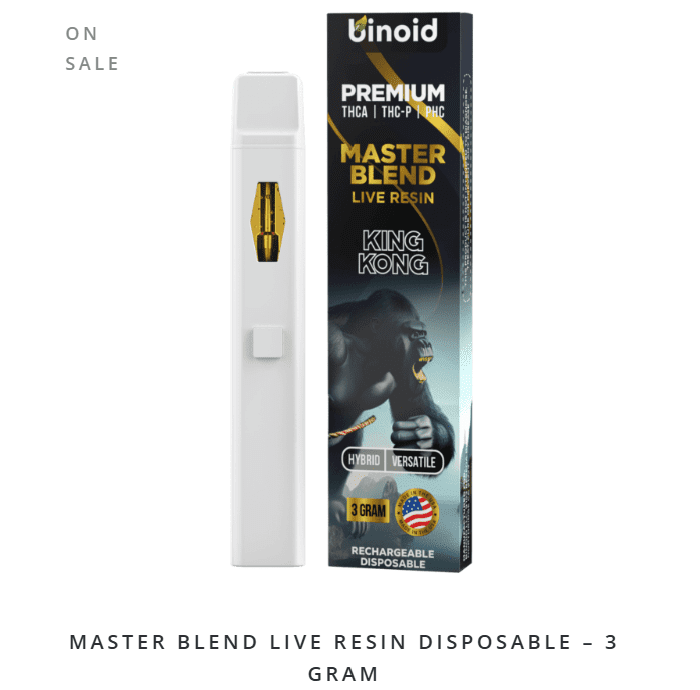
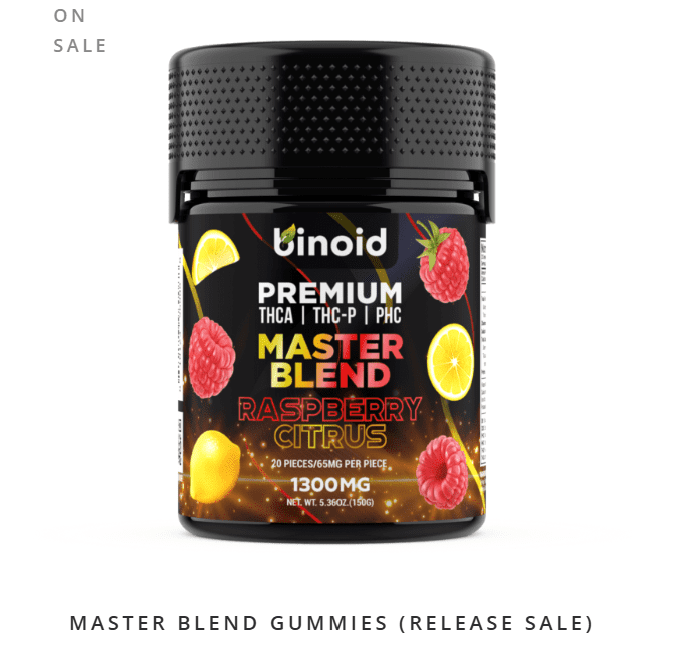
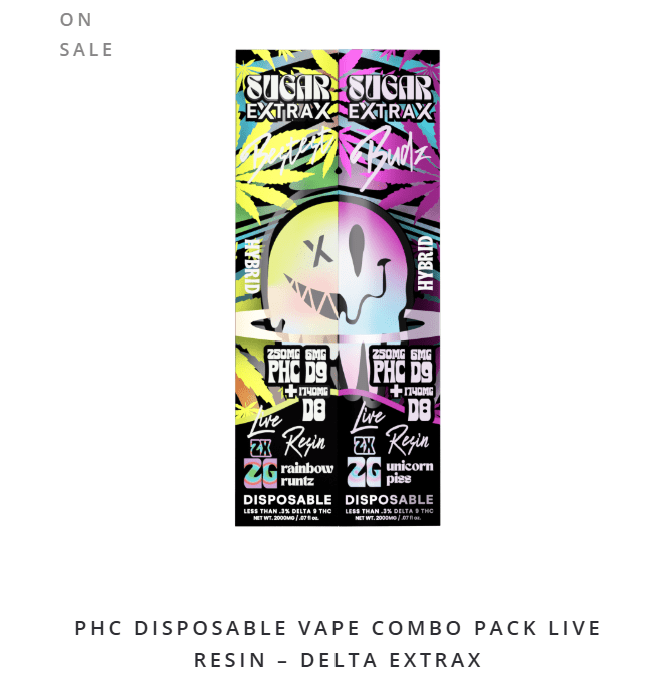
PHC is most commonly found in vape cartridges, disposable vapes, and blended cannabinoid formulas. Vaping highlights its steady onset and extended plateau, while blends allow formulators to shape the experience using supporting cannabinoids and terpenes.
Standalone high-dose PHC edibles are less common, largely due to potency and duration considerations. When PHC is included in edibles, it’s usually part of a carefully balanced formula rather than the sole active ingredient.
Binoid’s approach prioritizes precision and consistency across formats, ensuring that PHC products behave predictably.
The Importance of Lab Testing With PHC
With emerging cannabinoids, lab testing is not optional—it’s essential. Full-panel testing should confirm cannabinoid identity, potency, residual solvents, heavy metals, and byproducts from conversion processes.
Because PHC naming can vary across the industry, transparent lab results are often the best way to understand what a product actually contains. Binoid makes lab access a core part of its product philosophy, allowing consumers to verify what they’re using rather than relying on marketing language alone.
Who PHC Is Best Suited For
PHC tends to appeal to experienced cannabis users who are comfortable with THC and curious about alternative profiles. It’s not typically marketed toward beginners or people seeking mild, functional effects.
Many users explore PHC for evening or weekend use, when longer-lasting effects are welcome and there’s time to settle into the experience. As with most high-impact cannabinoids, intention matters.
Why Binoid Takes a Measured Approach to PHC
Binoid has built its reputation on education-first cannabinoid innovation. With compounds like PHC, the brand avoids exaggerated claims and instead focuses on accurate labeling, third-party testing, and responsible formulation.
Rather than positioning PHC as a replacement for THC or a guaranteed upgrade, Binoid presents it as one option within a broader cannabinoid ecosystem—one that requires understanding and respect.
Clearing Up Common Misunderstandings About PHC
One common misconception is that PHC is either identical to THC or entirely synthetic. In reality, PHC occupies a middle ground, often derived from hemp cannabinoids and modified through controlled chemical processes. The compound itself isn’t the issue—quality control and transparency are.
Another misunderstanding is that newer automatically means better. PHC offers a different experience, not a universally superior one. For some users, that difference is exactly what they’re looking for. For others, traditional THC or milder alternatives may be a better fit.
Final Thoughts: PHC in the Bigger Cannabis Picture
PHC represents where the cannabis industry is right now—curious, experimental, and still defining its language. It highlights how quickly cannabinoid innovation can move and why thoughtful education needs to move just as fast.
When approached responsibly, PHC offers an alternative THC-like experience that emphasizes duration and steadiness. With brands like Binoid prioritizing transparency, testing, and clear communication, consumers can explore cannabinoids like PHC with confidence rather than confusion.
As research and standardization continue to develop, PHC will likely become better defined. Until then, understanding the compound—and the company behind it—is the smartest way to engage with it.
To Buy PHC Products Click Here