If you’ve been around cannabis for even a little while, you’ve probably heard people talk about rosin like it’s the “cleanest” or most premium type of concentrate. You’ll hear phrases like “solventless is the way,” “this rosin tastes insane,” or “nothing beats a good rosin dab.” And honestly? There’s a reason rosin has become one of the most respected concentrate categories in modern cannabis culture.
Rosin is known for rich flavor, smooth vapor, and a high that many people describe as more full-bodied and strain-authentic. It’s also one of the few concentrates that can be made without chemical solvents, which is a big part of why it’s so popular with connoisseurs.
But if you’re new to concentrates, rosin can sound confusing. Is rosin the same thing as resin? Is it the same as wax? Why does it cost more? And what does “solventless” actually mean?
Let’s break down what rosin is, how it’s made, how it compares to other concentrates, and why so many cannabis consumers consider it top-tier.
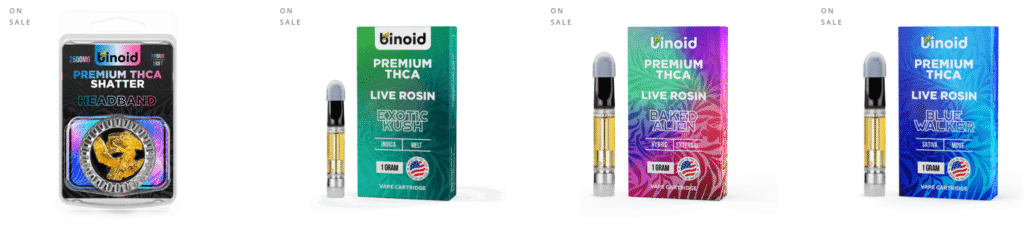
TO BUY LIVE ROSIN CLICK HERE
What Is Rosin?
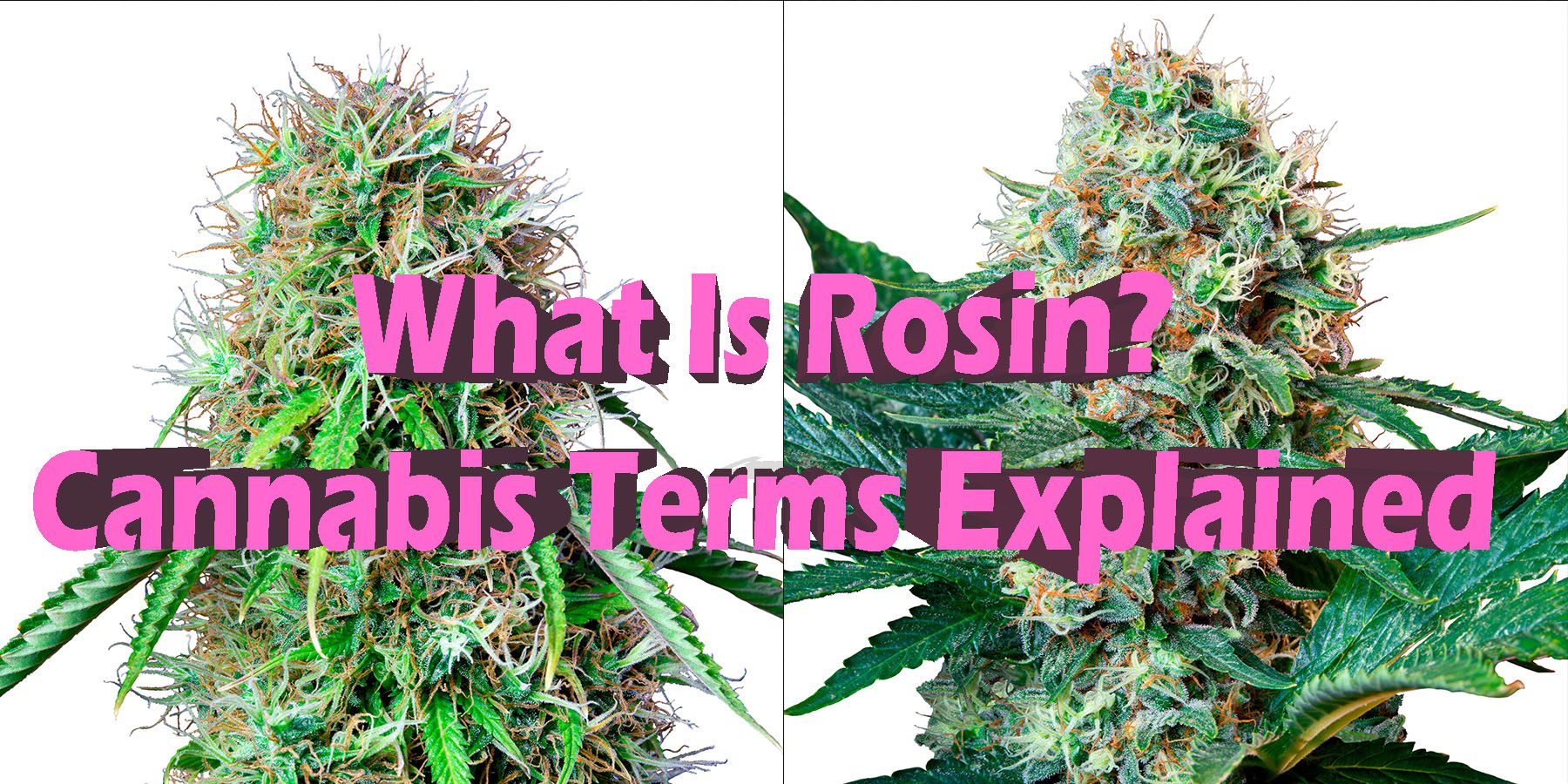
Rosin is a cannabis concentrate made using only heat and pressure. No chemical solvents are used in the extraction process. Instead, rosin is created by pressing cannabis material until the oils and cannabinoids melt out and collect as a sticky, golden concentrate.
This is why rosin is referred to as a solventless concentrate. The extraction method is mechanical rather than chemical. That means rosin is made without butane, propane, ethanol, CO₂, or any other extraction solvent.
Rosin can be made from cannabis flower, bubble hash, or dry sift. Each type produces a slightly different quality level, flavor, and potency.
In simple terms, rosin is a solventless cannabis extract made by pressing cannabis with heat and pressure.
Rosin vs Resin: What’s the Difference?
This is one of the most common mix-ups, and it’s totally understandable because the words sound almost identical.
Resin is a broad term that usually refers to concentrates made using solvents. Live resin, for example, is made using hydrocarbon extraction from fresh-frozen cannabis.
Rosin is made without solvents. It’s pressed.
So the main difference is the extraction method. Resin uses solvents, rosin does not.
They can both be flavorful and potent, but rosin has built a reputation for being cleaner and more premium because it’s solventless and often made from high-quality starting material.
Why Is Rosin So Popular?
Rosin is popular for a few big reasons, and the first one is trust. Many consumers like the idea of concentrates that don’t involve chemical solvents. Even though properly made live resin is safe and lab-tested in regulated markets, some people still prefer solventless extracts for peace of mind.
The second big reason is flavor. Rosin is often extremely terpene-rich, especially when it’s made from fresh, high-quality material. Many rosin dabs taste smoother, more natural, and more strain-accurate compared to other concentrates.
The third reason is the experience. Many people say rosin highs feel more “full spectrum.” This usually means the effects feel deeper and more complete, rather than sharp or one-note. While THC percentage matters, many consumers believe the cannabinoid and terpene balance in rosin plays a major role in how it feels.
Rosin has also become popular because it’s a connoisseur product. Like craft coffee or small-batch whiskey, rosin culture has become a big part of modern cannabis.
How Is Rosin Made?
Rosin is made using a rosin press, which is a machine that applies controlled heat and pressure. Cannabis material is placed between filter bags or parchment paper and pressed until the oils squeeze out.
The extract that comes out is rosin. It’s then collected, stored, and sometimes whipped or cured depending on the desired texture.
The process sounds simple—and it is, in concept—but producing high-quality rosin takes real skill. The temperature, pressure, press time, and quality of the starting material all matter.
If the press is too hot, terpenes can burn off and the rosin may taste harsh. If it’s too cool, yield can be low. If the starting material isn’t top quality, the rosin won’t be either.
That’s why premium rosin often costs more: it takes good flower or hash and careful technique to do it right.
Types of Rosin: Flower Rosin vs Hash Rosin
Not all rosin is the same. The two most common categories are flower rosin and hash rosin.
Flower rosin is made by pressing cannabis flower directly. It can be flavorful and potent, but it sometimes contains more plant lipids or waxes, which can affect smoothness and texture. Flower rosin is often cheaper than hash rosin and is sometimes considered an entry-level rosin product.
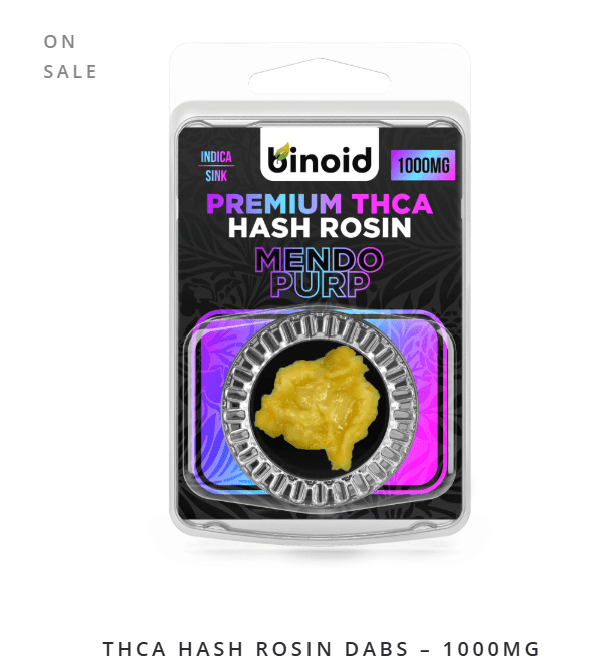
Hash rosin is made by pressing bubble hash or dry sift hash instead of flower. This produces a cleaner, smoother, more terpene-rich concentrate. Hash rosin is typically more expensive and is considered the gold standard of rosin.
Most premium rosin products you see in dispensaries are hash rosin, not flower rosin.
What Is Live Rosin?
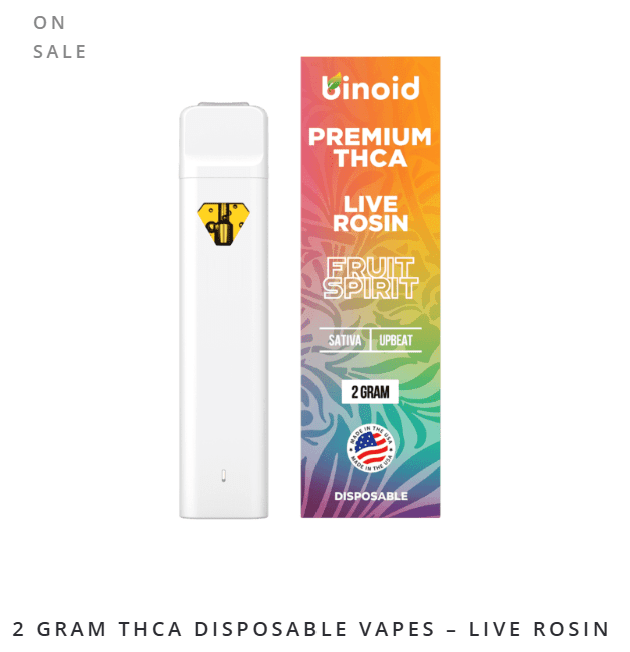
Live rosin is one of the most premium concentrate categories in cannabis.
Live rosin is made from fresh-frozen cannabis, just like live resin. But instead of using solvents, the frozen cannabis is turned into bubble hash first. Then that bubble hash is pressed into rosin.
This method preserves a massive amount of terpenes while staying solventless. That’s why live rosin is often considered the best of both worlds: fresh-frozen terpene preservation plus solventless extraction.
Live rosin tends to be more expensive than regular rosin, but it’s also often the most flavorful concentrate on the market.
What Does Rosin Look Like?
Rosin can come in many textures, and this is one reason it’s sometimes confusing for beginners. Rosin can look like a thick sap, a creamy badder, a whipped butter-like concentrate, or even a wet sugar.
The texture depends on the strain, the terpene content, the press method, and how it was stored or cured.
Some rosin is light gold and creamy. Some is darker and stickier. Some is almost white and fluffy when whipped.
Unlike shatter, rosin is usually not glass-like. It tends to be soft and easy to scoop, especially when stored properly.
How Strong Is Rosin?
Rosin is usually very potent, often ranging from around 60% to 85% THC, though it depends on the product and starting material. Some rosin may test lower than certain live resin diamond products, but many users still find rosin hits harder.
This is partly because rosin often contains a strong terpene profile and a wider cannabinoid range, which can influence the overall effect.
Rosin is also typically less processed than distillate, meaning it retains more of the natural compounds from the plant.
Even if a rosin jar isn’t the highest THC number on the shelf, it can still feel extremely strong.
What Does Rosin Taste Like?
Rosin is famous for flavor. Many people describe rosin as tasting “clean,” “fresh,” and “true to the strain.”
Because rosin is solventless, the terpene profile can feel more natural and less sharp. It’s often smoother than other concentrates, especially at lower temperatures.
High-quality rosin can taste like fruit, candy, gas, pine, cookies, or floral notes—depending on the strain.
Rosin is also known for leaving less harshness in the throat compared to some other concentrates, which is why many people prefer it for regular dabbing.
How Do You Use Rosin?
Rosin is most commonly consumed through dabbing. This can be done with a traditional dab rig and torch, an e-rig, or a dab pen designed for concentrates.
Because rosin is terpene-rich, many people prefer low-temp dabs. Lower temperatures preserve flavor and create a smoother hit.
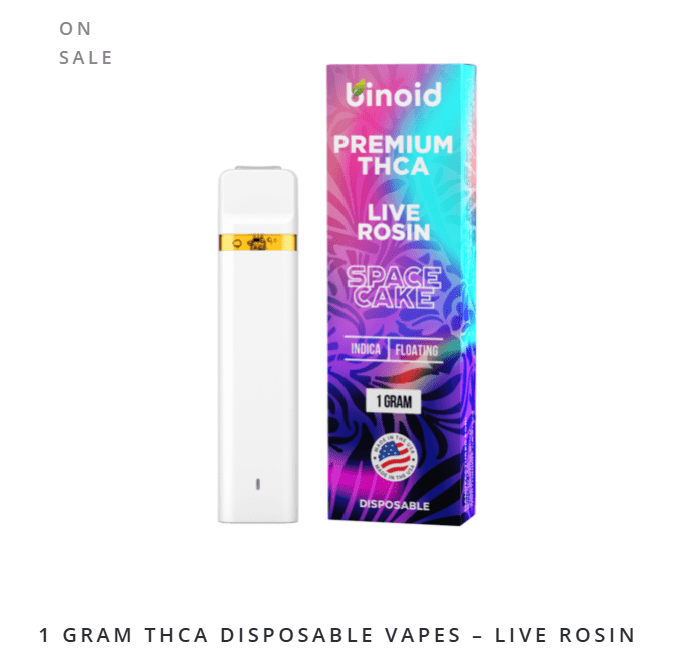
Rosin can also be used in vape cartridges, though rosin carts are usually more expensive. They’re popular because they deliver solventless flavor in a convenient format.
Some people also add rosin to joints or bowls, but because rosin is so high-quality, many enthusiasts prefer to dab it rather than burn it.
Rosin vs Live Resin: Which Is Better?
This is one of the biggest debates in concentrates, and the answer depends on what you value.
Live resin is typically made with solvents and is often more affordable. It can be extremely flavorful and potent, especially in sauce or diamond form.
Rosin is solventless and is often seen as cleaner and more premium. Many people feel rosin has smoother flavor and a more full-bodied effect.
Live resin often provides better value for the price. Rosin often provides the highest quality experience, especially in live rosin form.
If you want top-tier flavor and don’t mind paying more, rosin is usually the choice. If you want strong flavor and potency at a better price, live resin is hard to beat.
Why Is Rosin So Expensive?
Rosin is often more expensive because it’s harder to produce, and it usually has lower yield compared to solvent-based extraction.
When making live resin, extractors can process large batches efficiently. With rosin, you’re pressing flower or hash, and the yield depends heavily on quality. High-quality rosin also requires high-quality starting material, which costs more.
Hash rosin and live rosin are especially expensive because the process is labor-intensive. Making bubble hash from fresh-frozen flower is time-consuming and requires specialized equipment and expertise.
So when you buy rosin, you’re paying for craftsmanship, quality, and a solventless process.
Is Rosin Cleaner Than Other Concentrates?
Rosin is often described as “cleaner,” but it’s important to understand what that means.
Rosin is solventless, meaning there are no residual solvents to worry about. That can be appealing for consumers who want a concentrate that’s as close to the plant as possible.
However, properly made live resin in regulated markets is also clean and lab-tested. So “clean” doesn’t mean other concentrates are dirty—it just means rosin avoids solvents entirely.
Rosin can also feel cleaner in the lungs because it often produces smooth vapor, especially when dabbed at lower temperatures.
How Do You Store Rosin?
Rosin is sensitive to heat, light, and air. Because it’s terpene-rich, it can dry out or degrade if stored incorrectly.
Most people store rosin in a cool place, often in a fridge, especially if it’s live rosin. Keeping it cold helps preserve terpenes and maintain texture.
If you leave rosin out at room temperature for too long, it may darken, dry out, or lose some of its flavor. It’s still usable, but the experience might not be as premium.
Proper storage is one reason rosin is considered a connoisseur product. It’s not hard, but it does require a little care.
Who Should Try Rosin?
Rosin is a great choice for cannabis consumers who care about flavor, smoothness, and overall quality. It’s especially popular with people who dab regularly and want a cleaner, terpene-forward experience.
Rosin can also be a good option for people who prefer solventless products and want to avoid concentrates made with chemical solvents.
That said, rosin is usually not the cheapest option. If you’re just starting out with concentrates, live resin may be a better value. But if you want to experience what premium concentrates are all about, rosin is one of the best.
Responsible Use: How to Enjoy Rosin Safely
Rosin is potent, and even though it can feel smoother than other concentrates, it still delivers a strong dose of cannabinoids. If you’re new to dabbing, start with a small amount.
A tiny dab is often enough. Wait a few minutes before taking more, especially because rosin can hit quickly and strongly.
Also, try to avoid overheating rosin. High temperatures can burn terpenes and make the dab harsher. Low-temp dabs not only taste better but also tend to feel smoother and more controlled.
And as always, avoid driving or doing anything that requires full attention after consuming concentrates.
Final Thoughts: What Is Rosin?
Rosin is a solventless cannabis concentrate made using heat and pressure instead of chemical solvents. It’s known for rich flavor, smooth vapor, and effects that many consumers describe as full-spectrum and strain-authentic.
Rosin comes in several forms, including flower rosin, hash rosin, and live rosin. While it’s often more expensive than other concentrates, it’s widely considered one of the most premium and enjoyable ways to experience cannabis—especially for people who value terpenes and quality.
If you’re looking for a concentrate that’s all about purity, flavor, and craftsmanship, rosin is one of the best options in the cannabis world.
TO BUY LIVE ROSIN CLICK HERE