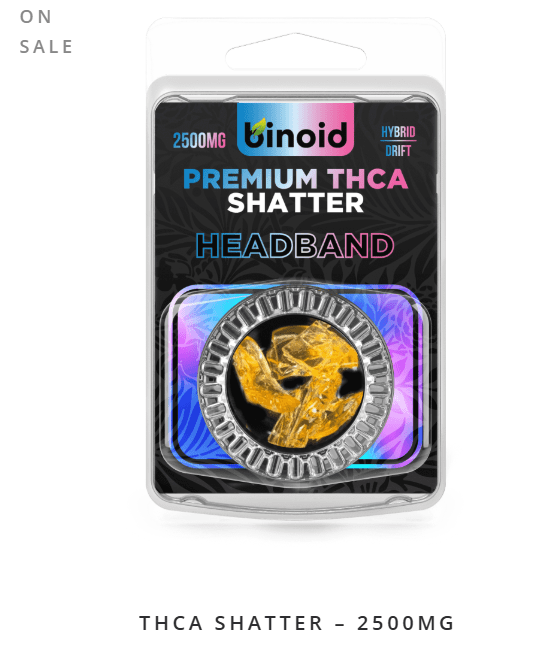
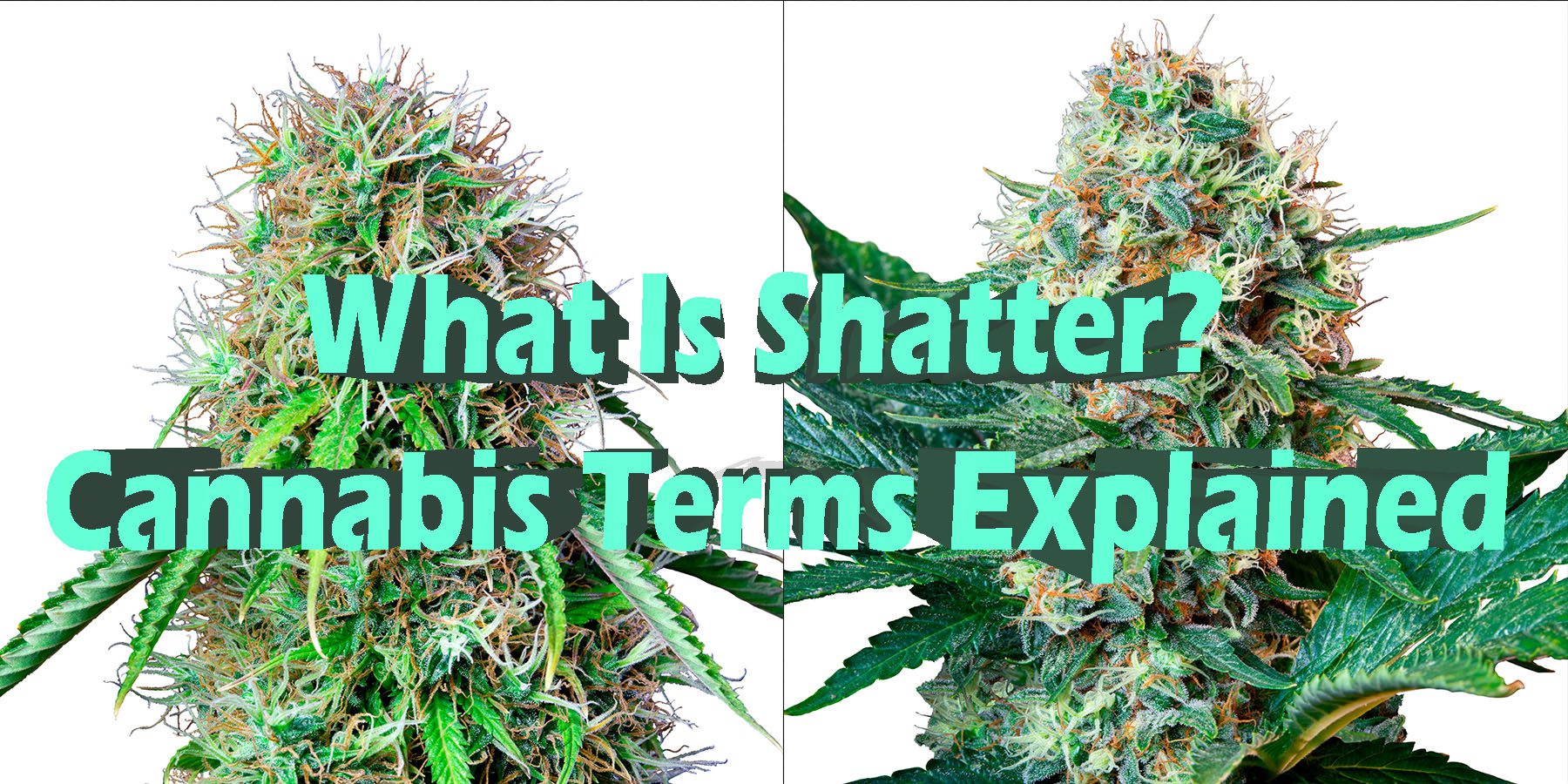
If you’ve ever explored cannabis concentrates, you’ve almost definitely seen the word shatter. Even if you’ve never tried it, shatter has a reputation. It’s one of the most iconic concentrate types in cannabis history—known for its glass-like appearance, strong potency, and “snap-and-break” texture that made it stand out long before live resin and rosin took over modern menus.
For a long time, shatter was the concentrate people talked about. It was the product that introduced many consumers to dabbing, and it played a major role in shaping concentrate culture as we know it today. Even now, with all the newer options like live resin sauce, diamonds, and solventless rosin, shatter still holds a place in dispensaries and among concentrate fans who like its stability, simplicity, and strong effects.
But what exactly is shatter? Is it different from wax? Is it stronger than live resin? Why does it look like amber glass? And is shatter still worth buying in 2025?
Let’s break down what shatter is, how it’s made, how it compares to other concentrates, and what you should know before trying it.
TO BUY CANNABIS SHATTER CLICK HERE
What Is Shatter?
Shatter is made by extracting cannabinoids and terpenes from cannabis using a solvent-based method, most commonly butane. After extraction, the concentrate is purged to remove residual solvent, leaving behind a potent, stable extract.
The defining feature of shatter isn’t necessarily how strong it is—it’s the texture. Shatter is known for being solid, brittle, and easy to break into pieces.
In simple terms, shatter is a potent cannabis concentrate with a glassy texture that snaps when you handle it.
Why Is It Called Shatter?
Shatter gets its name from the way it breaks. When properly made and stored, shatter can have a rigid, glass-like structure. If you bend it, it often cracks. If you drop it, it can break into pieces. It can literally shatter like thin glass or hard candy.
This is different from wax or budder, which are softer and more scoopable. Shatter’s unique texture made it one of the most recognizable concentrates on the market.
That said, shatter doesn’t always shatter perfectly. Temperature and storage matter a lot. In warm environments, shatter can become sticky and flexible, almost like taffy. In colder environments, it becomes more brittle.
How Is Shatter Made?
Shatter is typically made using hydrocarbon extraction, most commonly butane (BHO) or a blend of butane and propane. This process is done in a closed-loop extraction system in regulated markets.
The extraction process pulls cannabinoids and terpenes from the cannabis plant material. After extraction, the concentrate is placed into a vacuum oven or purging environment to remove as much solvent as possible.
The reason shatter becomes glassy has to do with how it’s processed and purged. Shatter is usually left in a stable form with minimal agitation, which helps it maintain that smooth, sheet-like structure.
When shatter is whipped or stirred during processing, it often becomes wax or budder instead. So the difference between shatter and wax isn’t always about ingredients—it’s often about post-processing.
Is Shatter the Same as Wax?
Shatter and wax are both cannabis concentrates, and they’re often made using similar extraction methods. The main difference is texture.
Shatter is hard, translucent, and brittle. Wax is softer, more opaque, and easier to scoop.
Wax can also include variations like budder, badder, crumble, and sugar. These are all concentrate textures that are usually more workable than shatter.
Some people prefer shatter because it’s cleaner to handle when it’s cold and stable. Others prefer wax because it’s easier to dose without breaking.
So no, shatter and wax are not the same, but they’re closely related.
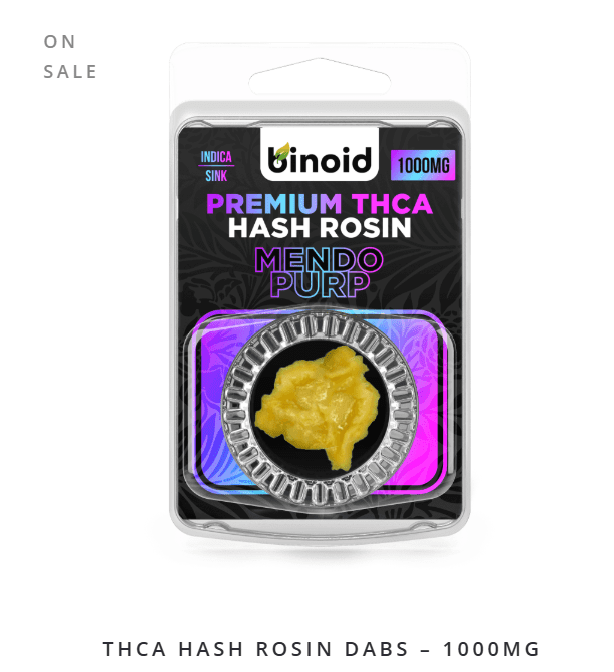
How Strong Is Shatter?
Shatter is usually very potent. Most shatter products fall in the range of about 60% to 85% THC, though some can test higher depending on the starting material and extraction quality.
This makes shatter much stronger than cannabis flower, which usually ranges from about 15% to 30% THC.
However, shatter isn’t always the strongest concentrate on the menu. Some products like THCA diamonds or certain distillates can test even higher. Still, shatter is absolutely considered a high-potency concentrate.
For many consumers, shatter delivers a strong, fast, intense high—especially when dabbed.
What Does Shatter Taste Like?
Shatter can taste great, but it depends heavily on quality.
In general, shatter tends to have a more subtle terpene profile compared to live resin or live rosin. That’s because shatter is often made from dried and cured cannabis, and the process may preserve fewer terpenes.
High-quality shatter can still be flavorful, especially when made from terpene-rich strains and processed carefully. But compared to live resin, shatter usually has less aroma and less “loud” taste.
Some consumers describe shatter as having a cleaner, sharper flavor, while live resin and rosin tend to feel more complex and strain-authentic.
Why Do Some People Still Prefer Shatter?
Even though newer concentrates have taken over, shatter still has a loyal following. One reason is stability. Shatter is often more shelf-stable than saucy live resin or terp-heavy rosin. It doesn’t dry out as quickly and is easier to store without changing texture.
Another reason is price. Shatter is often more affordable than live resin or rosin. For consumers who want potency without paying premium prices, shatter can be one of the best deals in concentrates.
Shatter is also easy to handle when it’s cold. You can break off a piece, drop it into a banger, and dab it without dealing with sticky, messy concentrate tools.
For many users, shatter is simple, strong, and reliable.
How Do You Use Shatter?
Shatter is most commonly used for dabbing. Because it’s a concentrate, it’s designed to be vaporized rather than smoked like flower.
You can dab shatter using a traditional dab rig, an e-rig, or a dab pen designed for concentrates.
Shatter can also be used as a topper in joints or bowls, but because it melts, it can make the burn uneven. If you do use it with flower, it’s best to place it in the middle of the bowl or inside the joint, rather than on top where it might drip.
Some people also use shatter to make edibles by decarboxylating it first, but that’s more of an advanced approach.
Is Shatter Good for Beginners?
Shatter is not usually the best first concentrate for beginners, but it can be manageable if used carefully.
The biggest issue is potency. Shatter hits hard, and the effects can come on quickly. Beginners can easily take too much and end up uncomfortably high.
The second issue is that dabbing itself has a learning curve. If someone is new to concentrates, a vape cartridge or a low-dose edible might be a more beginner-friendly entry point.
That said, if a beginner wants to try shatter, the best approach is to start with a tiny amount—much smaller than most people think they need. A dab the size of a grain of rice can be more than enough.

Shatter vs Live Resin: What’s the Difference?
Live resin is made from fresh-frozen cannabis and is known for strong terpene preservation. Shatter is usually made from dried and cured cannabis and tends to be less terpene-forward.
Live resin often has stronger flavor and a more strain-specific effect. Shatter often has a cleaner, more straightforward potency experience.
Live resin is usually softer, saucier, or sugar-like. Shatter is hard and glassy.
Live resin is often more expensive. Shatter is often more affordable.
If you want flavor and aroma, live resin is usually the better choice. If you want strong potency at a good price, shatter is still a solid option.
Shatter vs Rosin: What’s the Difference?
Rosin is a solventless concentrate made with heat and pressure. Shatter is solvent-based, usually made using butane.
Rosin is often considered more premium because it’s solventless and terpene-rich. Shatter is often considered more classic and budget-friendly.
Rosin usually has a softer texture, like badder or butter. Shatter is hard and brittle.
Rosin is often more expensive. Shatter is usually cheaper.
Both can be potent, but rosin often has a smoother flavor and a more full-spectrum feel. Shatter is more straightforward and can feel sharper.
What Is “Pull and Snap” Shatter?
You might see some shatter described as “pull and snap.” This refers to shatter that is slightly softer and more pliable than brittle glass shatter.
Pull and snap shatter can be easier to handle because it doesn’t crumble into tiny shards. It can stretch a bit and then snap cleanly.
This texture is often preferred by consumers who like shatter but don’t want it to be too brittle.
What Color Should Shatter Be?
Shatter can range from pale gold to dark amber. Color depends on the strain, the starting material quality, and how it was processed.
Lighter shatter is often seen as more premium because it can indicate cleaner extraction and fresher material, but color alone isn’t a perfect indicator of quality.
Dark shatter doesn’t automatically mean it’s bad. Some strains naturally produce darker extracts. However, extremely dark shatter can sometimes indicate older material or less refined processing.
A better indicator of quality is smell, taste, and how cleanly it vaporizes.
Does Shatter Go Bad?
Shatter can degrade over time, especially if it’s exposed to heat, air, or light. Over time, it may darken, lose terpenes, and become less flavorful.
However, shatter is one of the more stable concentrate types. It usually holds up better than terp-heavy concentrates like live resin sauce or live rosin.
To keep shatter fresh, store it in a cool, dark place, ideally in an airtight container. Many shatter products are sold on parchment paper inside a container for easy handling.
Is Shatter Safe?
Shatter is generally safe when it comes from a licensed, lab-tested source. In regulated markets, shatter is tested for potency, residual solvents, pesticides, and contaminants.
The biggest safety concern with shatter comes from unregulated products. In illegal markets, concentrates can be contaminated or improperly purged, meaning residual solvent may remain.
This is why it’s important to buy concentrates from reputable sources. Properly made shatter should not taste like chemicals and should not feel harsh in a way that suggests contamination.
Another safety issue is overconsumption. Shatter is potent, and too large of a dab can lead to anxiety, nausea, dizziness, or an uncomfortable high. The best approach is always to start small.
Responsible Use: How to Dab Shatter Without Overdoing It
Because shatter is strong, responsible use is all about dosage and temperature.
Start with a small dab. Wait a few minutes before taking more. Avoid extremely high temperatures, because overheated shatter can become harsh and waste terpenes.
If you’re using a torch and banger, let it cool down slightly before taking your dab. If you’re using an e-rig, choose a lower temperature setting to preserve flavor and keep the hit smooth.
And as always, don’t dab and drive. Concentrates can hit fast and impair your ability to react, even if you feel “fine.”
Final Thoughts: What Is Shatter?
Shatter is a classic cannabis concentrate known for its hard, glass-like texture and strong potency. It’s typically made using solvent-based extraction, most commonly butane, and it’s designed to be vaporized through dabbing or concentrate vaporizers.
While newer concentrates like live resin and live rosin have become more popular for flavor, shatter remains a favorite for many consumers because it’s stable, affordable, and powerful. It’s a simple, no-frills concentrate that delivers strong effects and a clean concentrate experience.
If you’re looking for a reliable, high-potency extract that’s easy to store and often budget-friendly, shatter is still one of the best concentrate options out there.
TO BUY CANNABIS SHATTER CLICK HERE