
The cannabis plant contains a complex array of chemical compounds that influence its aroma, flavor, and effects. Among the most important of these compounds are cannabinoids, a group of naturally occurring molecules that interact with the human body’s endocannabinoid system (ECS). While the most widely known cannabinoids include THC and CBD, modern cannabis science has identified many additional cannabinoids with unique chemical structures and properties.
One of the newer cannabinoids gaining attention in the cannabis industry is THC-JD. This compound is often discussed alongside other rare or emerging cannabinoids such as THC-P, HHC, and Delta-10 THC. Although research on THC-JD is still limited, it has become a topic of interest due to its structural similarities to THC and other cannabinoids in the tetrahydrocannabinol family.
Understanding THC-JD requires examining the broader context of cannabinoid chemistry, how cannabinoids interact with the endocannabinoid system, and how newly identified cannabinoids are studied and produced. In this article, we will explore what THC-JD is, how it relates to other cannabinoids, how it is typically produced, and why it has become an increasingly discussed compound in the evolving cannabis marketplace.
To Buy THC-JD Products Click Here

Understanding Cannabinoids
Cannabinoids are chemical compounds produced by cannabis plants that interact with the body’s endocannabinoid system. The ECS is a biological signaling network that helps regulate a wide variety of physiological processes, including mood, appetite, sleep, immune function, and pain perception.
The endocannabinoid system consists of three primary components:
-
Endocannabinoids, which are signaling molecules naturally produced by the body
-
Cannabinoid receptors, mainly CB1 and CB2 receptors
-
Enzymes that synthesize and break down endocannabinoids after they perform their function
Cannabinoids derived from cannabis plants are known as phytocannabinoids. These compounds can interact with cannabinoid receptors in the ECS and influence various physiological responses.
Scientists have identified more than 100 cannabinoids within cannabis plants, although most occur in very small quantities. Some cannabinoids, such as THC, are strongly psychoactive, while others, like CBD, are non-intoxicating.
THC-JD belongs to the broader family of cannabinoids related to tetrahydrocannabinol.

What Is THC-JD?
THC-JD is a cannabinoid believed to be structurally related to THC and other recently identified cannabinoids that contain extended alkyl side chains. The compound’s full scientific name is sometimes described as tetrahydrocannabioctyl, though terminology may vary depending on the context in which it is discussed.
THC-JD is considered a rare cannabinoid, meaning it occurs naturally in extremely small concentrations in cannabis plants. Because the natural concentration of THC-JD is so low, it is difficult to isolate directly from plant material in meaningful quantities.
For this reason, most THC-JD products available in the marketplace are produced through chemical conversion or semi-synthetic processes using cannabinoids derived from hemp.
THC-JD belongs to a group of cannabinoids that have gained attention due to their unique chemical structures and potential interactions with cannabinoid receptors.
The Discovery of Rare Cannabinoids
In recent years, advances in laboratory technology have made it possible to detect extremely small amounts of cannabinoids in cannabis plants. Sophisticated analytical methods such as high-performance liquid chromatography (HPLC) and mass spectrometry allow scientists to identify cannabinoids that were previously difficult to detect.
Through these techniques, researchers have discovered numerous cannabinoids beyond THC and CBD. Some of these compounds exist only in trace amounts, but they can still provide valuable insight into the complexity of cannabis chemistry.
Rare cannabinoids like THC-P, THCV, and THC-JD are part of this expanding field of research. Although some of these compounds occur naturally in the cannabis plant, their concentrations are often too small to produce noticeable effects through traditional cannabis consumption.
As a result, scientific interest in these cannabinoids has grown rapidly.

Chemical Structure of THC-JD
THC-JD belongs to the tetrahydrocannabinol family of cannabinoids, meaning its molecular structure is related to the structure of THC. However, the molecule contains variations in its alkyl side chain, which can influence how the compound interacts with cannabinoid receptors.
Cannabinoid molecules consist of several structural components, including a core ring structure and a side chain that extends outward from the molecule. The length and shape of this side chain can significantly influence how strongly a cannabinoid binds to receptors in the body.
For example, traditional Delta-9 THC contains a five-carbon alkyl side chain. Some newly identified cannabinoids have longer side chains, which may alter their receptor binding characteristics.
THC-JD is believed to have a longer side chain than standard THC, which has led researchers to explore how this structural difference might influence its biological activity.
However, scientific understanding of THC-JD’s pharmacology remains limited.
THC-JD and the Endocannabinoid System
The effects of cannabinoids are largely determined by how they interact with the endocannabinoid system. The two primary receptors in this system are CB1 receptors and CB2 receptors.
CB1 receptors are located primarily in the brain and central nervous system. When cannabinoids bind strongly to CB1 receptors, they may produce psychoactive effects such as changes in mood, perception, and cognition.
CB2 receptors are more commonly found in immune system tissues and peripheral organs.
THC is known for its ability to bind to CB1 receptors and produce the characteristic psychoactive effects of cannabis. Because THC-JD is structurally related to THC, researchers believe it may also interact with cannabinoid receptors.
However, the exact strength and nature of these interactions are still being studied.
Due to the limited research available, scientists continue investigating how THC-JD interacts with the endocannabinoid system.
How THC-JD Is Produced
Because THC-JD occurs naturally in only extremely small concentrations, producing it directly from cannabis plants would be impractical. Instead, most THC-JD products are produced using hemp-derived cannabinoids as starting materials.
The process generally involves chemical conversion, in which a naturally occurring cannabinoid such as CBD is transformed into another cannabinoid through controlled chemical reactions.
These reactions modify the molecular structure of the original compound, allowing chemists to create cannabinoids that resemble those found naturally in cannabis.
This approach is commonly used to produce cannabinoids such as Delta-8 THC, HHC, and other rare cannabinoids.
After conversion, the resulting cannabinoid is purified and tested to verify its chemical identity and purity.
Because cannabinoid conversion processes can vary, laboratory testing is an important step in ensuring product quality.

THC-JD in Cannabis Products
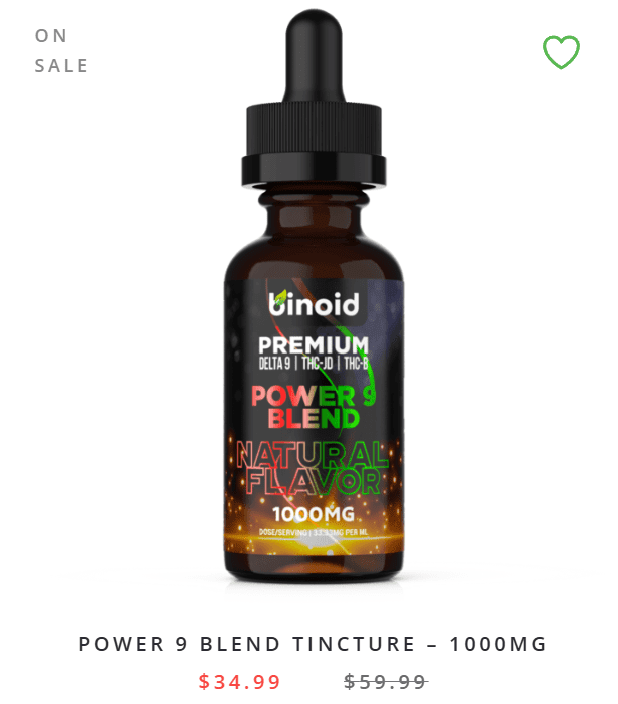
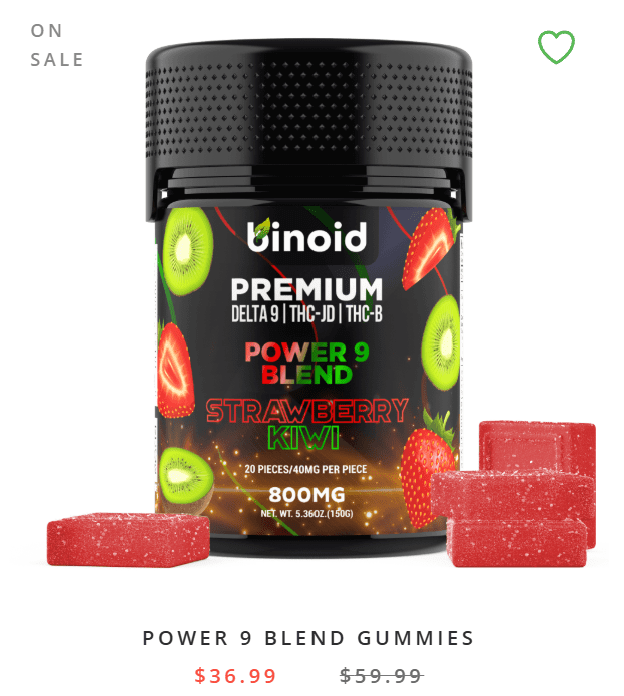
THC-JD has begun appearing in certain cannabis and hemp-derived products marketed within emerging cannabinoid markets. These products may include vape cartridges, disposable vapes, tinctures, or other formulations that contain blends of cannabinoids.
In many cases, THC-JD is combined with other cannabinoids such as Delta-8 THC, Delta-9 THC, HHC, or THC-P.
Blending cannabinoids allows manufacturers to create products with specific chemical profiles and characteristics.
Laboratory testing is typically used to verify cannabinoid content in these products. The results of these tests are usually displayed in certificates of analysis (COAs) provided by third-party laboratories.
These reports list the concentrations of cannabinoids present in a product and may also include testing for contaminants.
The Role of Hemp in Emerging Cannabinoid Markets
The emergence of cannabinoids such as THC-JD is closely connected to the expansion of the hemp industry following the passage of the 2018 Farm Bill in the United States. This legislation legalized hemp cultivation at the federal level as long as the plant contains less than 0.3% Delta-9 THC by dry weight.
Because hemp plants can produce large quantities of CBD, manufacturers often use CBD as a starting material for creating other cannabinoids through chemical conversion.
This process has led to the development of a wide range of hemp-derived cannabinoid products, including Delta-8 THC, HHC, and other rare cannabinoids.
THC-JD is one of several compounds that have emerged within this evolving marketplace.
Research and Scientific Understanding
Despite growing commercial interest, scientific research on THC-JD remains extremely limited. Many cannabinoids discovered in recent years have not yet been studied extensively in clinical or pharmacological research.
Most available information about THC-JD comes from chemical analysis and comparisons with related cannabinoids.
As cannabis research expands, scientists may gain a better understanding of how rare cannabinoids interact with the body and how they differ from more familiar cannabinoids.
Because the field of cannabinoid science is still evolving, ongoing research will likely continue revealing new compounds and biological interactions.
Regulatory Considerations
The legal status of cannabinoids such as THC-JD can vary depending on local laws and regulations. In some jurisdictions, cannabinoids derived from hemp may be legal if they meet certain criteria, while in others they may fall under broader cannabis regulations.
Regulatory agencies continue to evaluate how emerging cannabinoids should be classified and regulated.
As a result, the legal landscape for rare cannabinoids remains complex and subject to change.
Consumers and manufacturers alike must remain aware of the laws governing cannabis and hemp-derived products in their respective regions.
The Future of Rare Cannabinoids
The discovery of cannabinoids like THC-JD highlights the extraordinary chemical diversity of the cannabis plant. As scientific tools continue to improve, researchers are likely to identify additional cannabinoids and explore how they interact with biological systems.
Advances in analytical chemistry and cannabis cultivation techniques may also allow scientists to study these compounds more thoroughly.
Understanding rare cannabinoids can help expand knowledge of cannabis pharmacology and provide deeper insight into how cannabinoids interact with the human body.
While THC-JD remains a relatively new and understudied compound, it represents another example of the rapidly evolving field of cannabinoid science.
Conclusion
THC-JD is a rare cannabinoid structurally related to THC and other tetrahydrocannabinol compounds. Although it occurs naturally in cannabis plants in extremely small quantities, most THC-JD products are produced through chemical conversion processes using hemp-derived cannabinoids.
Because THC-JD shares structural similarities with THC, researchers believe it may interact with cannabinoid receptors within the endocannabinoid system. However, scientific research on this compound is still limited, and much remains to be learned about its pharmacological properties.
As cannabis science continues to evolve, rare cannabinoids like THC-JD illustrate the remarkable chemical complexity of the cannabis plant. Ongoing research and technological advancements will likely reveal more about these compounds and their roles within the broader world of cannabinoid chemistry.
To Buy THC-JD Products Click Here