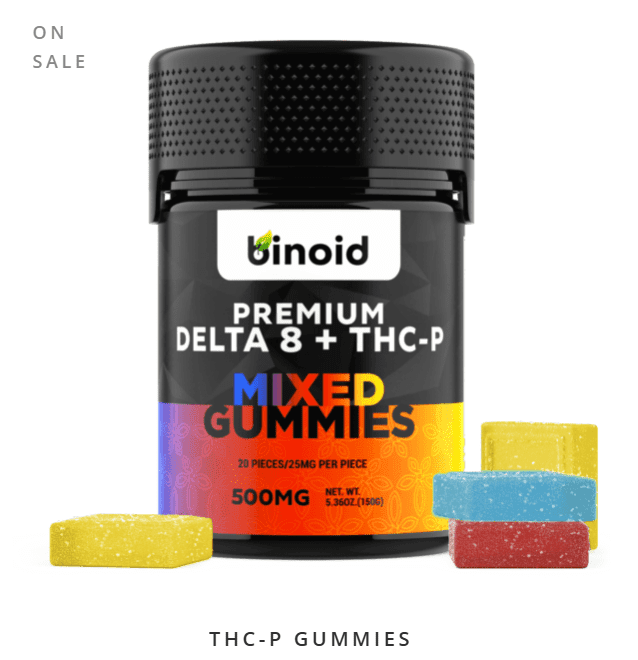
THC-P is one of the most talked-about cannabinoids in the modern hemp and cannabis world, and it has earned that attention for one main reason: potency. If you’ve spent any time browsing vape carts, gummies, tinctures, or cannabinoid blends, you’ve probably seen THC-P described with words like “ultra strong,” “next-level,” or “not for beginners.” And unlike some cannabinoid hype that feels exaggerated, THC-P really does have a reputation for hitting harder than many people expect.
At the same time, THC-P is one of the most misunderstood cannabinoids on the market. Some people assume it’s just another name for Delta 9 THC. Others think it’s completely synthetic. Some consumers hear it’s strong and assume it’s unsafe. And many people are simply confused about where THC-P fits compared to Delta 8, Delta 10, HHC, and other popular cannabinoids.
In this Cannabis Terms Explained guide, we’ll break down what THC-P is, how it works, why it’s considered so potent, how it’s made, what it feels like, how long it lasts, how it compares to Delta 9 THC, and what you should know before you try it.
To Buy THC-P Products Click Here
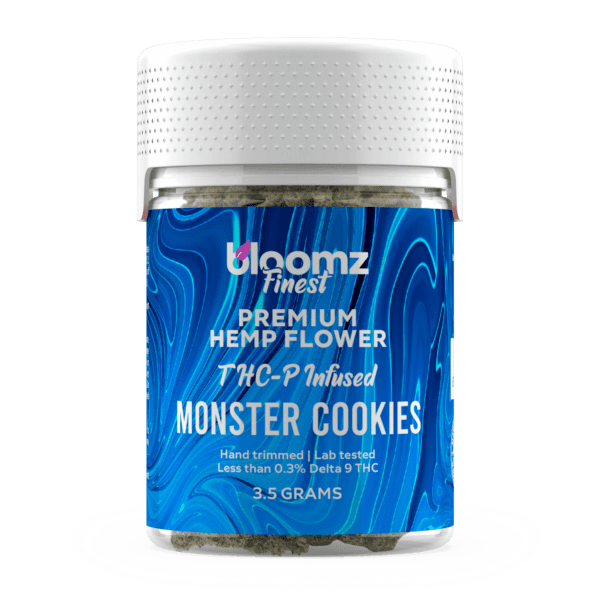
What Is THC-P?
THC-P stands for tetrahydrocannabiphorol. It’s a cannabinoid that is structurally similar to Delta 9 THC, but with one key difference: THC-P has a longer alkyl side chain.
That side chain is not just a random chemistry detail—it’s one of the main reasons THC-P became famous. In cannabinoid science, the length of the alkyl side chain can influence how strongly a cannabinoid binds to cannabinoid receptors, especially CB1 receptors in the brain.
CB1 receptors are heavily involved in the psychoactive effects of THC. The stronger a cannabinoid binds to CB1, the more intense its psychoactive potential can be. This is why THC-P is widely considered one of the most potent cannabinoids discovered so far.
Is THC-P Natural?
Yes, THC-P occurs naturally in cannabis, but only in extremely small trace amounts. It was identified relatively recently compared to Delta 9 THC, which is one reason it still feels “new” in the consumer market.
However, even though THC-P is natural, it is not typically extracted directly from cannabis flower in commercial quantities. The plant does not produce enough THC-P for large-scale extraction to be practical.
Because of that, most THC-P products available today are produced through conversion processes using hemp-derived cannabinoids. In other words, while THC-P is naturally occurring, the THC-P in vapes and gummies is usually made through lab-based conversion.
Is THC-P Synthetic?
THC-P is best described as hemp-derived and semi-synthetic in the modern marketplace. That can sound scary to some people, but it’s important to understand what that really means.
A semi-synthetic cannabinoid is typically produced by starting with a naturally derived compound (like hemp-derived CBD) and converting it into a different cannabinoid through a controlled chemical process.
This is similar to how Delta 8 THC and Delta 10 THC are commonly made.
So while THC-P itself exists in nature, most commercial THC-P is created through conversion rather than direct extraction.
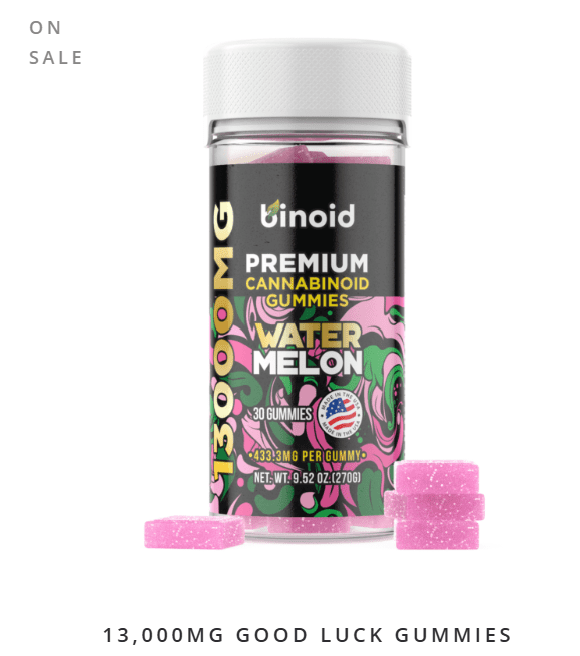
How Is THC-P Made?
Most THC-P production begins with hemp-derived CBD. CBD is abundant in hemp and legal to produce under federal hemp guidelines (depending on Delta 9 THC limits).
Through a conversion process, CBD is transformed into THC-like compounds. In the case of THC-P, the goal is to produce tetrahydrocannabiphorol, which has that longer side chain.
The conversion process can vary between manufacturers, and this is where quality matters. A reputable producer will purify the final product, remove unwanted byproducts, and verify purity through third-party lab testing.
A low-quality producer may leave behind residual solvents, acids, or unknown compounds, which can make the final product harsh, unsafe, or inconsistent.
How Does THC-P Work?
THC-P interacts with the endocannabinoid system, the body’s internal system that helps regulate mood, appetite, sleep, stress response, pain perception, and more.
The endocannabinoid system includes two primary receptors:
-
CB1 receptors, found mainly in the brain and central nervous system
-
CB2 receptors, found mainly in the immune system and peripheral tissues
THC-P is believed to bind strongly to CB1 receptors, which is why it can produce intense psychoactive effects.
This doesn’t mean THC-P will automatically feel “stronger” in every situation, because potency is influenced by many factors. But it does help explain why THC-P has become known as a high-impact cannabinoid.
Does THC-P Get You High?
Yes. THC-P is psychoactive and can absolutely get you high.
For many people, THC-P produces a stronger, deeper, more intense high than Delta 8 or Delta 10. Some people even find THC-P stronger than Delta 9 THC at comparable doses.
However, THC-P’s effects can vary widely. Some people feel it strongly with a very small dose. Others find it more subtle, especially if they already have a high tolerance to THC.
The most important takeaway is that THC-P should be treated like a high-potency cannabinoid, especially for first-time users.
What Does THC-P Feel Like?
THC-P effects are often described as intense, euphoric, and long-lasting. Many consumers report a strong mental shift, deep relaxation, and a heavy body feel.
At lower doses, THC-P may feel uplifting, mood-boosting, and pleasantly euphoric. At higher doses, it can become deeply sedating and even overwhelming.
Some people describe THC-P as having a “full-spectrum” kind of intensity, even when it’s used in a distilled product. Others say it feels like Delta 9 but stronger and more immersive.
Because THC-P can be intense, it is not always ideal for daytime use. Many people prefer it for evening relaxation or for times when they want a stronger, longer-lasting experience.
How Strong Is THC-P?
THC-P is widely considered one of the strongest cannabinoids available in consumer products.
It is typically stronger than:
-
Delta 8 THC
-
Delta 10 THC
-
Standard HHC
-
Many Delta 9 products at similar doses
However, it’s important to understand that THC-P products are often formulated at lower percentages because the cannabinoid is so potent.
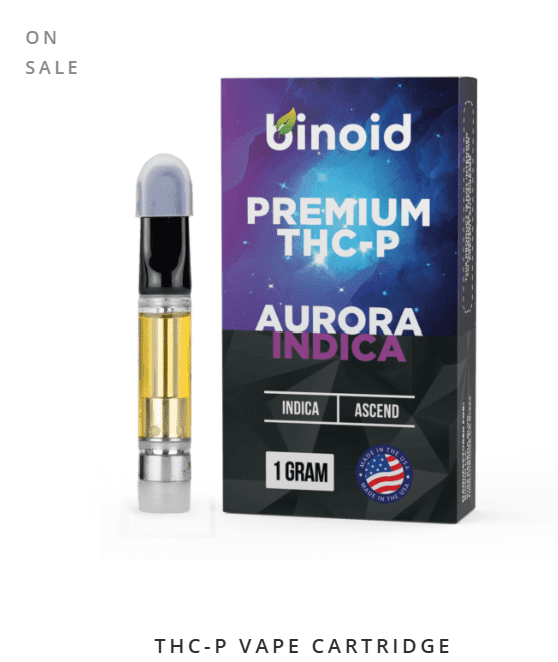
For example, a vape cart might contain mostly Delta 8 or HHC with a small amount of THC-P added to increase strength. Even small amounts can significantly change the overall effect.
Why Does THC-P Feel So Strong?
THC-P’s strength is often explained by receptor binding. The longer alkyl side chain may allow THC-P to bind more strongly to CB1 receptors.
This stronger binding could translate into more intense psychoactive effects.
However, real-world experience is more complicated. Factors like:
-
tolerance
-
metabolism
-
dosage
-
delivery method
-
terpene profile
-
product formulation
…all influence how strong THC-P feels.
Still, most consumers agree that THC-P is not a “beginner cannabinoid.”
How Long Does THC-P Last?
THC-P is often described as longer-lasting than Delta 8 or Delta 9, especially in edible form.
When vaped, THC-P can begin working within minutes and last 2–4 hours, sometimes longer depending on dosage.
When eaten in gummies, THC-P can last 6–10 hours, and some people report lingering effects into the next day if they take a high dose.
Because of this, THC-P edibles should be approached carefully. Many people make the mistake of taking more too soon, only to get overwhelmed when the full effects finally kick in.
THC-P vs Delta 9 THC
Delta 9 THC is the classic cannabinoid most people associate with cannabis. It’s the primary psychoactive compound in marijuana and the benchmark for comparing other cannabinoids.
THC-P is structurally similar to Delta 9 but is often considered more potent.
Many people describe THC-P as:
-
stronger than Delta 9
-
longer-lasting than Delta 9
-
more body-heavy than Delta 9
-
more sedating at higher doses
That said, Delta 9 is still the most well-understood cannabinoid. THC-P is newer, and consumer experiences vary widely.
If you enjoy Delta 9 and want something stronger, THC-P may appeal to you. If you are sensitive to THC or prone to anxiety, THC-P may be too intense.
THC-P vs Delta 8 THC
Delta 8 is often described as a milder THC experience. It tends to be relaxing and smooth, with less intensity than Delta 9.
THC-P is significantly stronger than Delta 8 for most users. Delta 8 is often used for casual relaxation, while THC-P is often used when someone wants a stronger, more intense high.
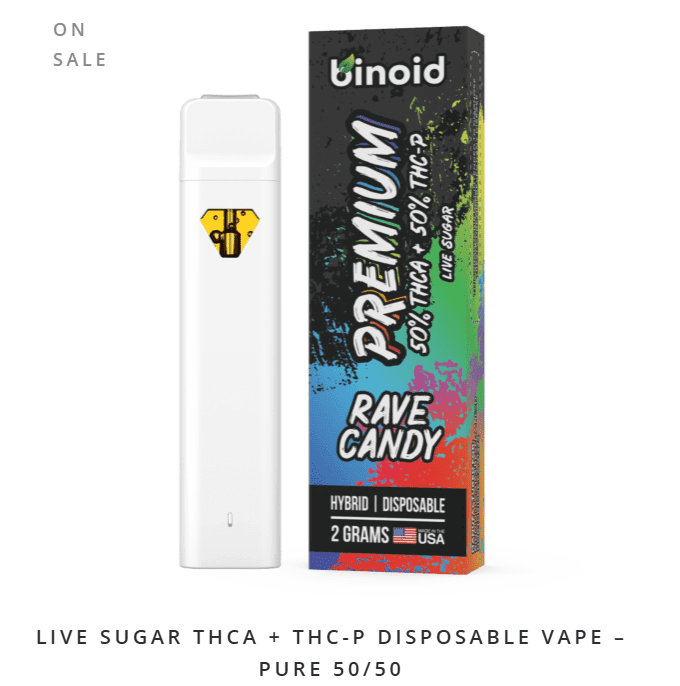
Many brands blend Delta 8 with THC-P to create a product that feels stronger without requiring a large dose of THC-P.
THC-P vs HHC and HHC-P
HHC is often described as a smooth, balanced cannabinoid that sits between Delta 8 and Delta 9.
THC-P is generally stronger than HHC.
HHC-P is often compared to THC-P because both have the longer side chain and both are known for strong effects. THC-P is usually considered the stronger of the two, but some users report that HHC-P feels smoother.
In many cases, THC-P and HHC-P are used in blends to create a powerful, long-lasting experience.
THC-P in Vapes vs Gummies
THC-P can feel very different depending on how you consume it.
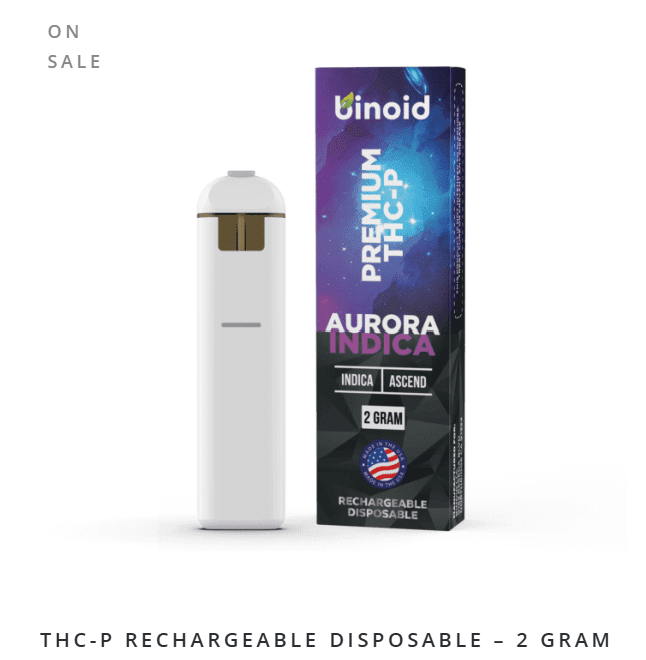
In vape form, THC-P hits quickly and allows for better control. You can take one puff, wait, and decide whether you want more. This makes THC-P vapes a better option for beginners compared to THC-P edibles.
In gummy form, THC-P can be extremely strong and long-lasting. Because edibles take longer to kick in, it’s easier to overconsume. Many people who have a bad experience with THC-P do so because they took too much in edible form.
If you’re new to THC-P, vaping is usually the safer and more manageable way to try it.
THC-P and Lab Testing
THC-P is produced through conversion, which means lab testing is not optional—it’s essential.
A quality THC-P product should include:
-
cannabinoid potency testing
-
residual solvent testing
-
heavy metals testing
-
pesticide testing
-
microbial testing
If a brand does not provide full-panel COAs, it’s best to avoid it.
THC-P is not a cannabinoid you want to buy from a questionable source. Because it’s so potent, small impurities can make a big difference in how the product feels.
Is THC-P Legal?
Legality depends on where you live.
Many THC-P products are sold under the hemp-derived cannabinoid category, but state laws vary widely. Some states ban THC isomers and analogs, while others allow them as long as Delta 9 THC stays under federal hemp limits.
The legal landscape changes quickly, so consumers should always check their local laws.
Is THC-P Safe?
Long-term research on THC-P is limited, so it’s hard to make definitive safety claims. However, many consumers use THC-P safely when they purchase lab-tested products and dose responsibly.
The biggest risks with THC-P come from:
-
taking too much
-
buying untested products
-
driving or operating machinery while impaired
-
mixing with alcohol or other substances
In other words, the main dangers come from misuse, not necessarily from the cannabinoid itself.
Responsible Use: THC-P Dosing Tips
THC-P should be approached with respect.
If you’re vaping THC-P for the first time, start with one small puff and wait 10–15 minutes. Don’t chain-hit it the way you might with Delta 8.
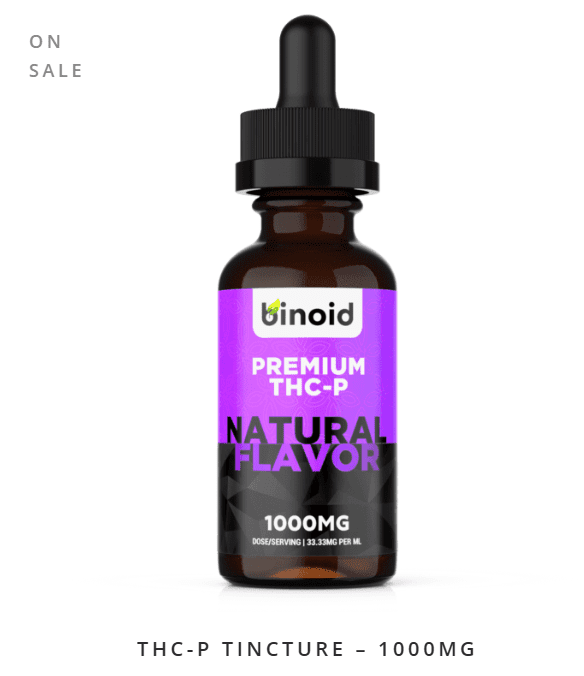
If you’re eating THC-P gummies, start with a very low dose and wait at least 2 hours. Many experienced users start with as little as 2.5mg to 5mg depending on the product.
Because THC-P can last a long time, it’s better to underdo it than overdo it.
Who Should Try THC-P?
THC-P is usually best suited for:
-
experienced THC consumers
-
people with high tolerance
-
consumers who want strong effects
-
people looking for long-lasting edibles
It may not be ideal for:
-
beginners
-
people sensitive to THC
-
consumers prone to anxiety
-
anyone who needs to stay functional
THC-P can be a great cannabinoid, but it’s not the right fit for everyone.
Final Thoughts: What Is THC-P?
THC-P is a high-potency cannabinoid known for intense, long-lasting psychoactive effects. It is naturally occurring in trace amounts but is typically produced through hemp-derived conversion processes in commercial products.
Compared to Delta 8 and Delta 10, THC-P is significantly stronger. Compared to Delta 9, it is often described as more intense and longer-lasting. Because of its potency, THC-P should be approached with low doses, responsible use, and only lab-tested products from reputable brands.
For consumers looking for a next-level cannabinoid experience, THC-P is one of the most powerful options currently available.
To Buy THC-P Products Click Here