Every few years, a cannabinoid steps out of the shadows and suddenly becomes part of the wider cannabis conversation. Right now, THCB is one of those compounds. You might see it listed on lab reports, tucked into vape formulations, or mentioned alongside THC variants that promise something a little different. And if your first reaction is, “Wait… what is THCB exactly?” you’re not alone.
This article is written to feel like a real discussion—not a chemistry lecture and not a hype-driven sales pitch. We’re going to unpack what THCB is, how it compares to traditional THC, how it feels, and why brands like Binoid are paying attention to it as cannabinoid science continues to evolve.
To Buy THC-B Products Click Here
Starting With the Basics: What Is THCB?
THCB stands for tetrahydrocannabutol. It’s a naturally occurring cannabinoid that belongs to the same chemical family as Delta-9 THC, Delta-8 THC, and other THC analogs. Structurally, THCB looks very similar to Delta-9 THC, but with one important difference: it has a longer alkyl side chain.
That small molecular change matters more than it sounds like it should. In cannabinoids, side-chain length plays a major role in how strongly a compound binds to cannabinoid receptors in the body. In THCB’s case, the longer side chain allows it to interact more efficiently with CB1 receptors, which are largely responsible for psychoactive effects.
This is the foundation for why THCB is often discussed in terms of potency rather than subtlety.
Where THCB Comes From
THCB occurs naturally in cannabis, but only in trace amounts. In raw flower, it’s typically present at levels far too low to deliver noticeable effects through traditional consumption methods. Because of that, THCB remained largely unknown for decades, even as THC and CBD dominated cannabis research and product development.
Today, most THCB used in consumer products is produced through advanced cannabinoid synthesis or conversion processes using hemp-derived compounds. This allows manufacturers to create THCB in usable concentrations while remaining compliant with federal hemp regulations.
Companies like Binoid focus heavily on purity, lab testing, and transparency when working with rare cannabinoids like THCB, which is especially important when dealing with compounds that are still unfamiliar to many consumers.
How THCB Interacts With the Endocannabinoid System
To understand how THCB feels, it helps to look at how it interacts with the endocannabinoid system, or ECS. The ECS helps regulate mood, perception, stress response, appetite, and overall balance in the body. THCB primarily interacts with CB1 receptors, the same receptors targeted by Delta-9 THC.
What sets THCB apart is how tightly it binds to those receptors. Research suggests that THCB has a higher binding affinity than traditional THC, which helps explain why its effects are often described as stronger, more immediate, or more intense—even at lower doses.
This doesn’t necessarily mean THCB is overwhelming by default, but it does mean dosing and formulation matter more than ever.
Does THCB Get You High?
Yes—THCB is psychoactive. In fact, most people who try it report a noticeable high, even at relatively modest doses. The experience is often described as mentally immersive, euphoric, and fast-acting, with a head-focused intensity that feels distinct from Delta-9 THC.
That said, THCB doesn’t always feel “heavier.” Some users describe the mental effects as sharp and vivid rather than sedating, though body effects can still be present depending on the formulation. Because of its potency, THCB is not typically recommended for first-time cannabinoid users.
Binoid’s approach to THCB emphasizes controlled formulations designed to deliver effects without pushing users into uncomfortable territory.
THCB Compared to Delta-9 THC
Comparing THCB to Delta-9 THC helps frame expectations. Delta-9 THC is well-known for producing euphoria, relaxation, and appetite stimulation, with effects that build gradually and can last several hours depending on dose and delivery method.
THCB, on the other hand, tends to feel more immediate and concentrated. The onset can be quicker, and the mental effects often feel more pronounced. While Delta-9 THC is often associated with winding down, THCB is more about intensity and engagement.
Some users find THCB exciting and stimulating, while others prefer to blend it with other cannabinoids to soften the edges. This is where thoughtful formulation becomes key.
Potency and Why THCB Requires Respect
One of the most important things to understand about THCB is that it’s not a casual cannabinoid. Its stronger receptor binding means that taking too much can feel uncomfortable, especially for people sensitive to THC-like effects.
Responsible brands like Binoid stress the importance of starting low, understanding tolerance, and choosing products that clearly label cannabinoid content. THCB is best approached with intention rather than experimentation.
When used thoughtfully, many users report a powerful but manageable experience that feels more refined than chaotic.
How THCB Feels Compared to Other Emerging Cannabinoids
In the broader cannabinoid landscape, THCB often gets compared to compounds like THCP, Delta-8 THC, and HHC. Delta-8 is typically described as milder and more relaxed, while HHC sits somewhere between Delta-8 and Delta-9 in intensity.
THC-B is generally considered stronger than all three in terms of psychoactive impact. However, strength doesn’t automatically equal quality. The appeal of THCB lies in its clarity and intensity when properly dosed, not in overwhelming effects.
Binoid frequently pairs potent cannabinoids like THCB with supporting compounds to create a more balanced experience.
Legal Status of THCB
From a legal perspective, THCB exists in a similar category to other hemp-derived cannabinoids. Under the 2018 Farm Bill, cannabinoids derived from hemp containing less than 0.3 percent Delta-9 THC by dry weight are federally legal. Most THCB products on the market today are produced from hemp-derived inputs and are accompanied by third-party lab testing.
As always, state laws can vary, so consumers should stay informed about local regulations. Transparency and compliance are central to Binoid’s approach in this evolving legal environment.
THCB Product Formats and Delivery Methods
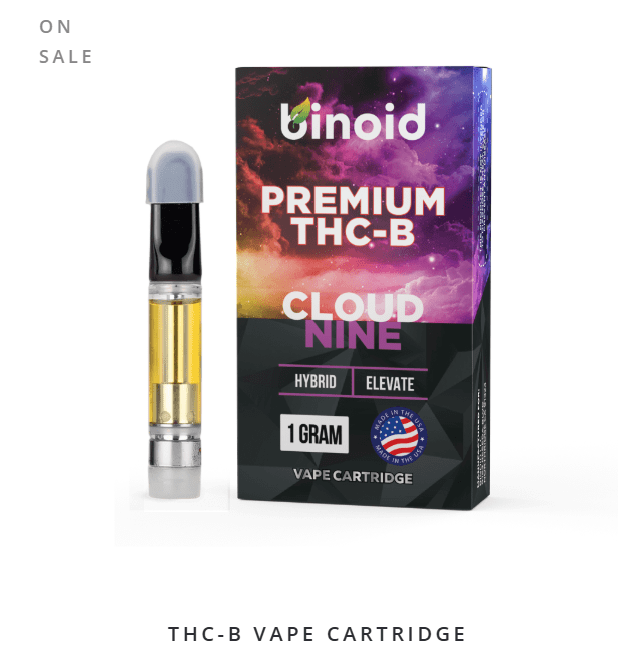
THCB is most commonly found in vape cartridges, disposable vapes, and blended cannabinoid products. Vaping tends to highlight THCB’s fast onset and intense head effects, while blended formulations can smooth out the experience and extend usability.
Because THCB is so potent, it’s rarely sold as a high-dose standalone edible. Instead, brands like Binoid focus on precision dosing and formulation integrity to ensure consistency and safety.
Responsible Use and Dosing Considerations
THCB is a cannabinoid where less truly is more. Starting with a very small amount allows users to gauge sensitivity before increasing dosage. Combining THCB with calming cannabinoids like CBD or CBN can help moderate intensity and reduce the risk of overstimulation.
Responsible use isn’t about limiting enjoyment—it’s about preserving it.
Who THCB Is Best Suited For
THCB tends to appeal to experienced cannabinoid users who are already comfortable with THC and are curious about stronger or more nuanced effects. It’s not typically recommended for beginners or for situations that require full mental clarity.
Many people turn to THCB for intentional, recreational use where intensity and immersion are part of the goal.
Why Binoid Is Exploring THCB
Binoid has established itself as a leader in rare and emerging cannabinoids by focusing on education, transparency, and formulation science. Rather than releasing products for shock value, the brand approaches THCB as a compound that requires respect and responsibility.
Through rigorous lab testing, thoughtful blends, and clear labeling, Binoid ensures that consumers can explore THCB with confidence instead of uncertainty.
Real-World Use Scenarios: How People Actually Use THCB
Outside of lab discussions and molecular diagrams, THCB is most interesting when you look at how people actually choose to use it. In real-world settings, THCB is rarely treated as an all-day cannabinoid. Instead, it tends to be reserved for intentional moments where intensity, immersion, or heightened perception is the goal.
Some users reach for THCB during evenings or weekends when responsibilities are minimal and there’s room to lean into a deeper mental experience. Others use it selectively for creative sessions, gaming, music appreciation, or immersive media, where THCB’s vivid, head-forward effects can feel especially pronounced. Because the onset can feel fast and the peak can feel strong, most experienced users treat THCB as something you plan around, not something you casually layer into an already busy day.
This is also why formulation matters. Brands like Binoid don’t position THCB as a one-size-fits-all cannabinoid. Instead, it’s framed as a high-impact option for users who know what they’re looking for and want consistency rather than surprises.
THCB and the Entourage Effect
THCB doesn’t exist in a vacuum. Like all cannabinoids, its effects can shift depending on what it’s paired with. This is where the concept of the entourage effect becomes especially relevant. The entourage effect refers to the way cannabinoids and terpenes interact synergistically, shaping the overall experience.
On its own, THCB can feel sharp, immersive, and intense. When combined thoughtfully with other cannabinoids, that intensity can be redirected or softened. Pairing THCB with CBD may help smooth out mental edges and reduce overstimulation, while adding minor cannabinoids like CBN or CBC can subtly influence body effects and duration. Terpenes also play a role, influencing whether the experience leans more uplifting, grounding, or balanced.
Binoid frequently leans into this formulation philosophy, using THCB as a centerpiece rather than a blunt instrument. The goal isn’t maximal intensity for its own sake, but a controlled, repeatable experience that respects the compound’s strength.
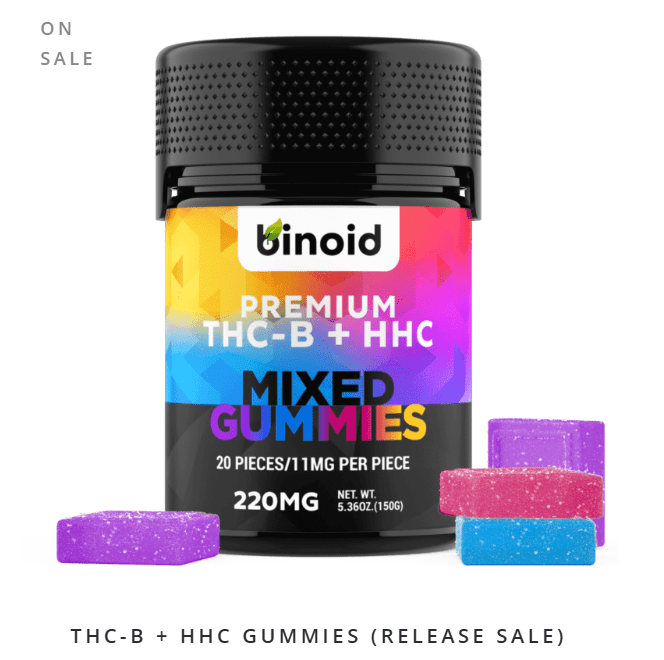
THCB vs THCP: A Conversation Worth Having
THCB is often mentioned in the same breath as THCP, another rare cannabinoid known for its potency. While both compounds bind strongly to CB1 receptors, they feel different in practice. THCP is often described as heavier and longer-lasting, with effects that can linger and feel deeply body-centered. THCB, by comparison, tends to feel faster, more cerebral, and more immediate.
This distinction matters when choosing between the two. Users who enjoy extended, deeply sedating experiences may lean toward THCP, while those looking for intensity without an extended afterglow may prefer THCB. Neither is objectively better, but they serve different preferences and tolerances.
Binoid approaches both cannabinoids with the same guiding principles: clarity, transparency, and respect for potency. This allows users to make informed decisions instead of guessing based on marketing language.
Tolerance, Frequency, and Long-Term Considerations
Because THCB binds strongly to CB1 receptors, tolerance can develop more quickly if it’s used frequently. This doesn’t mean THCB is inherently problematic, but it does mean moderation plays a role in maintaining its effectiveness. Many experienced users choose to space out THCB use, reserving it for occasional sessions rather than daily routines.
Rotating THCB with other cannabinoids, lowering dose over time, or taking periodic breaks are all strategies people use to maintain sensitivity. Brands like Binoid support this approach by offering a range of cannabinoid options rather than encouraging overuse of any single compound.
Understanding tolerance isn’t about restriction; it’s about sustainability and ensuring that the experience remains intentional rather than diminishing.
Addressing Common Misconceptions About THCB
As THCB becomes more visible, misconceptions naturally follow. One common assumption is that stronger automatically means better. In reality, THCB’s strength is a characteristic, not a value judgment. For some users, that strength is exactly what they want. For others, it may be unnecessary or uncomfortable.
Another misconception is that THCB is synthetic or artificial. While most consumer THCB is produced through controlled conversion processes, the compound itself is naturally occurring in cannabis. What matters is not the method alone, but the transparency and testing behind it.
Binoid actively works to correct these misunderstandings through education-focused content, clear lab reports, and straightforward product descriptions that don’t exaggerate or obscure what THCB actually is.
Final Thoughts: THCB as a High-Impact Cannabinoid
THCB isn’t subtle, and it isn’t meant to be. It represents the more intense end of the cannabinoid spectrum, showing how small molecular differences can dramatically change how cannabis feels. When handled responsibly, THCB offers a powerful, engaging alternative to traditional THC experiences without relying on excess or gimmicks.
As cannabinoid research continues to expand, THCB serves as a reminder that cannabis is far more complex than a single compound. With brands like Binoid leading with transparency, formulation science, and education, consumers can explore THCB safely, intentionally, and with a deeper understanding of both its potential and its limits.
To Buy THC-B Products Click Here