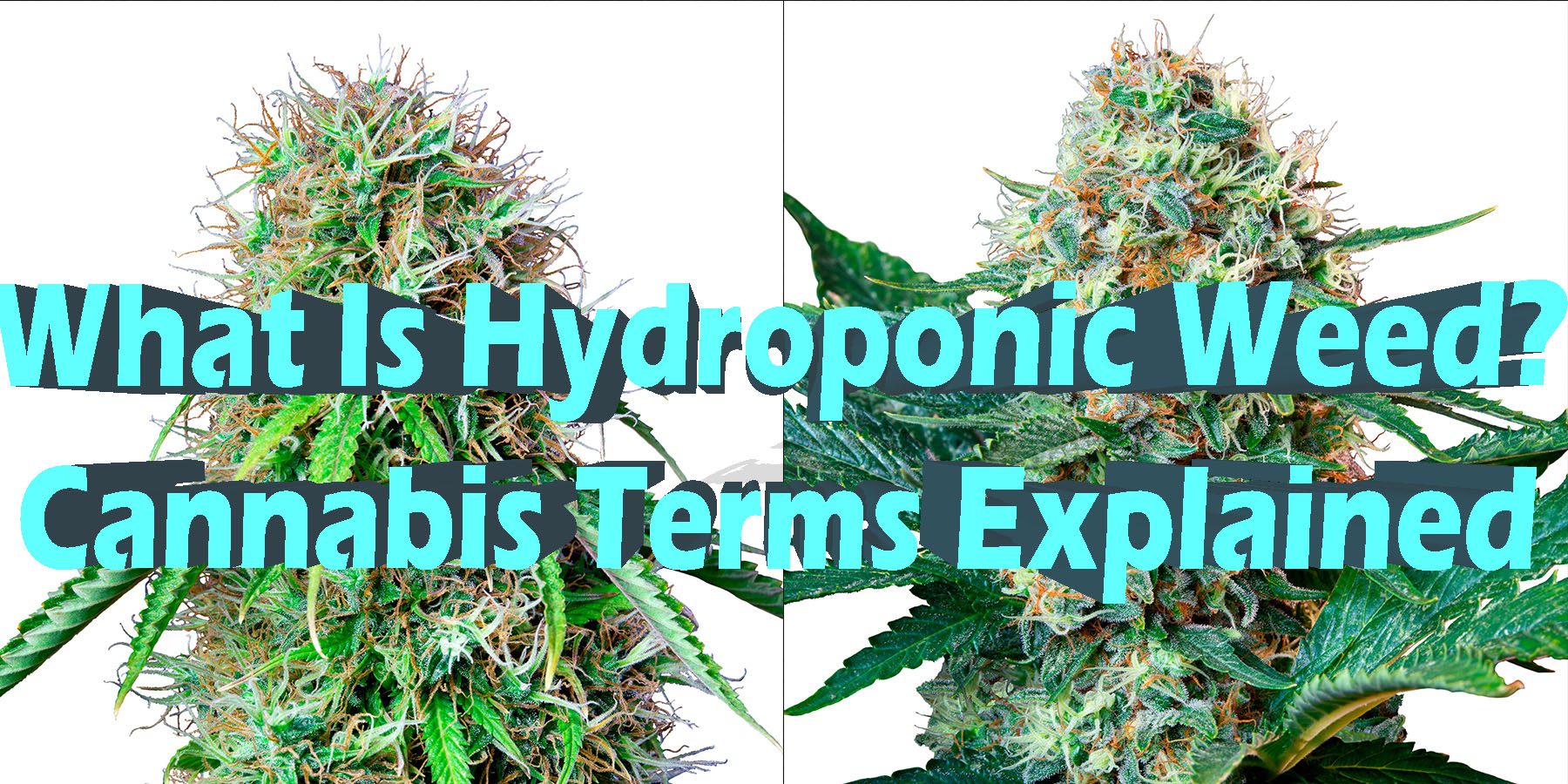
As cannabis cultivation becomes more advanced, growers continue to refine how plants are grown to improve potency, consistency, and efficiency. One of the most influential cultivation methods in modern cannabis is hydroponic growing, a technique that removes soil entirely and replaces it with water-based nutrient delivery systems. This method has transformed both small-scale and commercial cannabis production, leading many consumers to ask: what is hydroponic weed, and how does it differ from traditionally grown cannabis?
Hydroponic weed refers to cannabis that is grown without soil, using nutrient-rich water solutions to feed the plant directly at the root level. This system allows cultivators to control nearly every aspect of the growing environment, including nutrients, oxygen exposure, pH levels, and watering cycles. Because of this precision, hydroponic cannabis has become one of the most common cultivation styles used in the legal cannabis market today.
In this Cannabis Terms Explained guide, we’ll explore what hydroponic weed is, how it’s grown, why cultivators choose this method, how it compares to soil-grown cannabis, and what it means for consumers when it comes to potency, flavor, and overall quality.
TO BUY HEMP FLOWER CLICK HERE
Recommended products
-
Delta 8 THC Flower
$24.99$39.99 -
THC-P Flower
$29.99$43.99 -
Exotic THCA Pre-Rolls Gold Line – 3-Pack/6 Pack
$36.99$69.99

What Does “Hydroponic” Mean?
Within modern cannabis growing methods, hydroponics refers to growing plants without soil, relying instead on water-based solutions infused with essential nutrients. In traditional soil cultivation, plants rely on organic matter, microbes, and minerals to break down nutrients into forms the roots can absorb. Hydroponics bypasses this step by delivering nutrients in a form that is immediately available to the plant, allowing it to absorb exactly what it needs without extra energy expenditure.
Hydroponics gives growers unprecedented control over growth conditions, including nutrient levels, oxygen exposure, and root zone environment. This precision is a major reason why hydroponics has become a cornerstone of modern cannabis farming.
What Is Hydroponic Weed?
Hydroponic weed is cannabis cultivated without soil, instead relying on nutrient-rich water or inert grow mediums to deliver essential elements directly to the roots. Plants grown hydroponically do not expend energy searching for nutrients in soil, allowing them to focus more energy on vegetative growth, flower development, and resin production.
The defining feature of hydroponic weed is direct nutrient delivery. Cannabis roots are placed in water, coco coir, rockwool, or clay pebbles and are fed a solution containing nitrogen, phosphorus, potassium, calcium, magnesium, and trace minerals. Because the plant can absorb these nutrients immediately, hydroponic cannabis often grows faster and more efficiently than soil-grown plants, producing dense, visually striking buds.
How Hydroponic Cannabis Is Grown
Hydroponic cultivation begins by replacing soil with a controlled root environment. Seedlings or clones are placed into net pots, grow cubes, or baskets that allow roots to access water, nutrients, and oxygen.
The nutrient solution is carefully mixed in a reservoir and delivered to the plants using pumps, drip systems, or immersion methods depending on the hydroponic system chosen. Growers monitor pH and electrical conductivity (EC) to maintain optimal nutrient levels at every stage of growth. Because cannabis is sensitive to imbalances, hydroponic systems require consistent attention and monitoring.
Most hydroponic grows are conducted indoors or in greenhouses, where environmental variables like light, temperature, humidity, and airflow can be precisely controlled. This level of control reduces pest risks and ensures consistent growth year-round.
Common Grow Mediums Used in Hydroponics
While hydroponic weed doesn’t require soil, many systems use inert mediums to support plant roots physically. These mediums provide stability while still allowing the nutrient solution to reach roots efficiently.
Rockwool is a popular hydroponic medium made from spun volcanic rock. It retains moisture effectively while allowing oxygen to penetrate roots.
Clay pebbles, also called hydroton, are lightweight, reusable, and provide excellent drainage and aeration. They are often used in drip and flood-and-drain systems.
Coco coir, derived from coconut husks, is sometimes used in hydroponic setups because it retains water well and provides a root-friendly structure, though it often needs buffering to adjust pH.
Other mediums, like grow stones or foam, are also used in advanced systems where aeration and root exposure are prioritized.
Recommended products
-
THCA Flower – Mystery Reserve
$41.99$79.99 -
THCA Flower – Exotics – Gold Line
$37.99$89.99 -
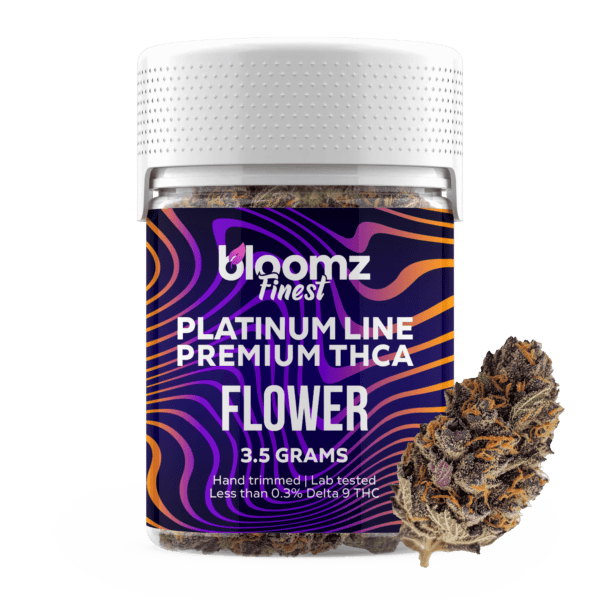
THCA Flower – Platinum Line
$47.99$79.99 -
THCA Smalls
$139.99$256.99

Types of Hydroponic Systems Used for Cannabis
Hydroponic cannabis can be grown using several types of systems, each with unique advantages.
Deep Water Culture (DWC) suspends roots directly in nutrient-rich, oxygenated water. Air stones provide a constant supply of oxygen, promoting rapid vegetative growth and strong root systems.
Drip irrigation systems deliver nutrient solution slowly to plants in inert mediums. Excess solution drains away, preventing overwatering while providing consistent feeding.
Ebb and flow systems periodically flood the root zone with nutrient solution and then drain it back into the reservoir. This cyclical process provides alternating nutrient and oxygen exposure.
Aeroponic systems mist roots with nutrient solution while they hang in the air. This method maximizes oxygen exposure and nutrient absorption, producing very fast growth but requiring careful management.
Why Growers Choose Hydroponic Weed
Hydroponic systems are valued by growers for several reasons:
-
Speed: Hydroponic plants often grow faster than soil-grown cannabis because nutrients are immediately available at the roots.
-
Control: Growers can adjust nutrient levels, pH, and irrigation in real time, ensuring consistent growth and reducing deficiencies.
-
Consistency: Hydroponics allows growers to produce uniform plants with predictable cannabinoid and terpene profiles.
-
Space Efficiency: Hydroponic systems can support higher plant density in indoor grow rooms, maximizing yield per square foot.
Because of these benefits, hydroponics has become a standard in commercial cannabis cultivation and is increasingly accessible to home growers as well.
Is Hydroponic Weed More Potent?
Many consumers wonder if hydroponic weed is stronger than soil-grown cannabis. While hydroponic cannabis can produce high THC levels due to optimized growth conditions, potency ultimately depends on genetics, lighting, and cultivation skill.
Hydroponic systems allow growers to focus on cannabinoid and terpene optimization during flowering, which can lead to more consistent potency and cleaner, resin-heavy buds. However, top-quality soil-grown cannabis can also produce extremely potent flowers when grown correctly.
Hydroponic Weed vs Soil-Grown Weed
The comparison between hydroponic and soil-grown cannabis continues among growers and consumers.
Soil-grown cannabis relies on microbes and organic matter to break down nutrients, which some argue enhances flavor and complexity. Living soil can produce more nuanced terpene profiles and richer, earthy flavors.
Hydroponic cannabis, meanwhile, is praised for its consistency, dense structure, heavy trichome coverage, and visual appeal. Many high-end dispensary flowers are hydroponically grown to ensure uniform quality and predictable potency.
Ultimately, the “better” method is subjective and depends on the priorities of the grower or consumer.
Flavor and Terpenes in Hydroponic Weed
Terpenes are the compounds responsible for the aroma and flavor of cannabis. Hydroponic weed can produce very high terpene concentrations because growers can precisely control nutrient levels and environmental stressors, both of which influence terpene expression.
Hydroponic systems allow growers to optimize conditions for terpene production during flowering, producing flowers with bright, sharp, and strain-specific flavors. Well-executed hydroponic grows often highlight the natural characteristics of each strain, offering a clean and flavorful cannabis experience.
Is Hydroponic Weed “Less Natural”?
Some consumers worry that hydroponic weed is artificial. In truth, hydroponics simply changes how nutrients are delivered, not the plant’s biology. Cannabis absorbs nutrients in mineral form regardless of whether they come from soil or water. Hydroponics does not alter genetics or cannabinoid potential—it simply provides a highly controlled growth environment.
Hydroponic systems can produce clean, contaminant-free plants because they are often grown in sterile environments with lab-tested nutrient solutions, making them safe and high-quality.
Recommended products
-
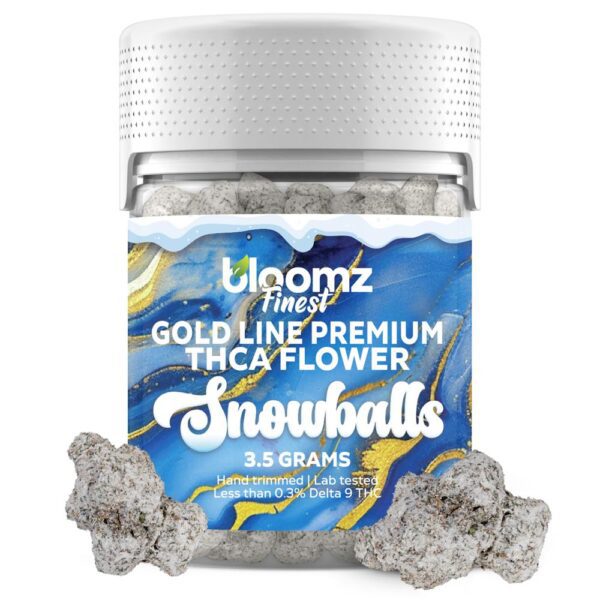
THCA Snowballs – Gold Line
$57.99$89.99 -
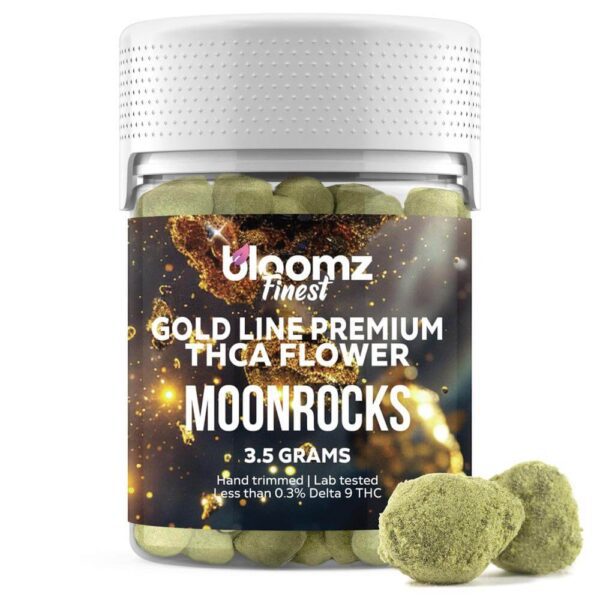
THCA Moonrocks – Gold Line
$57.99$89.99 -
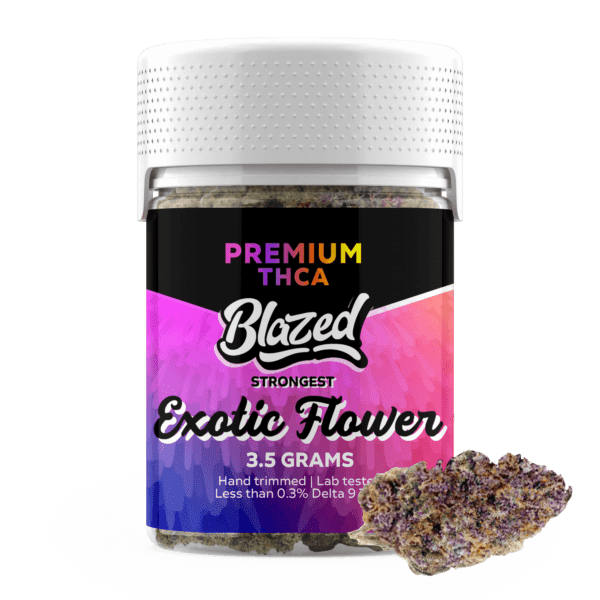
Blazed Exotic THCA Flower
$36.99$79.99 -
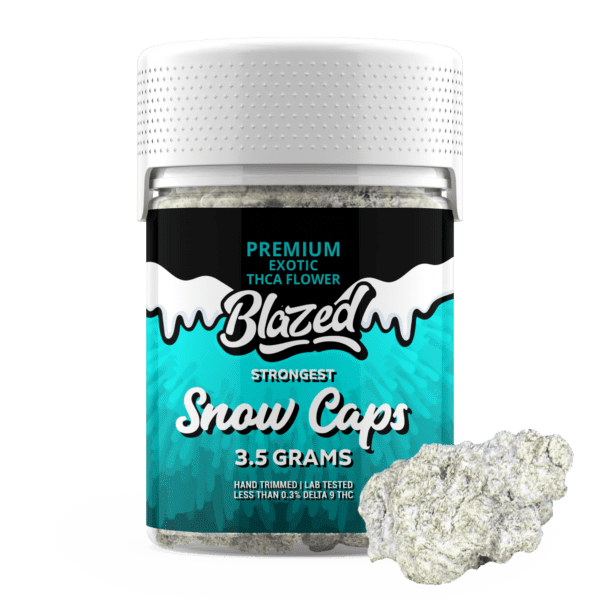
Blazed Strongest Exotic THCA Snow Caps
$58.99$93.99
Environmental Impact of Hydroponic Cannabis
Hydroponics can be both environmentally efficient and energy-intensive. On one hand, water use is significantly reduced because hydroponic systems recycle nutrient solutions.
On the other hand, indoor hydroponic grows require electricity for lights, pumps, and climate control. New technologies, such as energy-efficient LEDs and advanced HVAC systems, are helping reduce energy consumption, making hydroponics increasingly sustainable.
Compared to large-scale soil operations, hydroponics can offer more precise resource management, especially in areas with limited arable land or water.
Hydroponic Weed in the Legal Cannabis Market
Hydroponic cannabis is widely used in legal dispensaries. Large-scale operations rely on hydroponic or soilless systems because they allow for consistency, efficiency, and regulatory compliance.
Flower sold in dispensaries, as well as concentrates, vapes, and edibles, is often derived from hydroponically grown plants, even if the packaging does not explicitly state the cultivation method.
Hydroponic Weed and Extracts
Hydroponic cannabis is commonly used to produce extracts due to its cleanliness and consistent cannabinoid content. Because hydroponic plants grow in controlled conditions, extractors can achieve predictable results in distillates, live resins, and other concentrates.
This makes hydroponic weed ideal for vape products, where purity, stability, and flavor are critical. Many high-end disposable vapes and concentrates rely on hydroponically grown flower as the source material.
Common Myths About Hydroponic Weed
There are several misconceptions about hydroponic cannabis:
-
It lacks flavor: Flavor is determined by genetics and post-harvest handling, not the growth medium. Hydroponic cannabis can be extremely flavorful when properly managed.
-
It’s unsafe or unnatural: Hydroponic weed is often cleaner than soil-grown cannabis because it is grown in sterile environments with lab-tested nutrients.
-
It’s inferior to soil-grown cannabis: Both hydroponic and soil-grown cannabis can produce high-quality, potent flowers when cultivated correctly.
Understanding these myths helps consumers make informed decisions about hydroponic cannabis.
Is Hydroponic Weed Better?
Hydroponic weed is not inherently “better” than soil-grown cannabis. It excels in consistency, yield, and visual quality, while soil-grown cannabis may appeal to those seeking traditional cultivation methods and organic flavors.
Ultimately, quality comes down to grower expertise, genetics, and post-harvest handling rather than the medium itself.
Final Thoughts: What Is Hydroponic Weed?
Hydroponic weed is cannabis grown without soil, using water-based nutrient systems to deliver precise nutrition directly to plant roots. This cultivation method allows for faster growth, greater control, and highly consistent results, making it a staple in modern cannabis production.
Understanding hydroponic weed gives consumers insight into the science behind cannabis cultivation and helps them make more informed choices about the flower and products they consume. Whether grown hydroponically or in soil, quality cannabis is the result of skill, attention, and care.
TO BUY HEMP FLOWER CLICK HERE
Recommended products
-
Exotic THCA Smalls
$169.99$329.99 -
THCA + THC-P Flower
$47.99$89.99 -
THCA Flower
$27.99$79.99 -
THCA Pre-Rolls – 3-Pack/6-Pack
$30.99$59.99