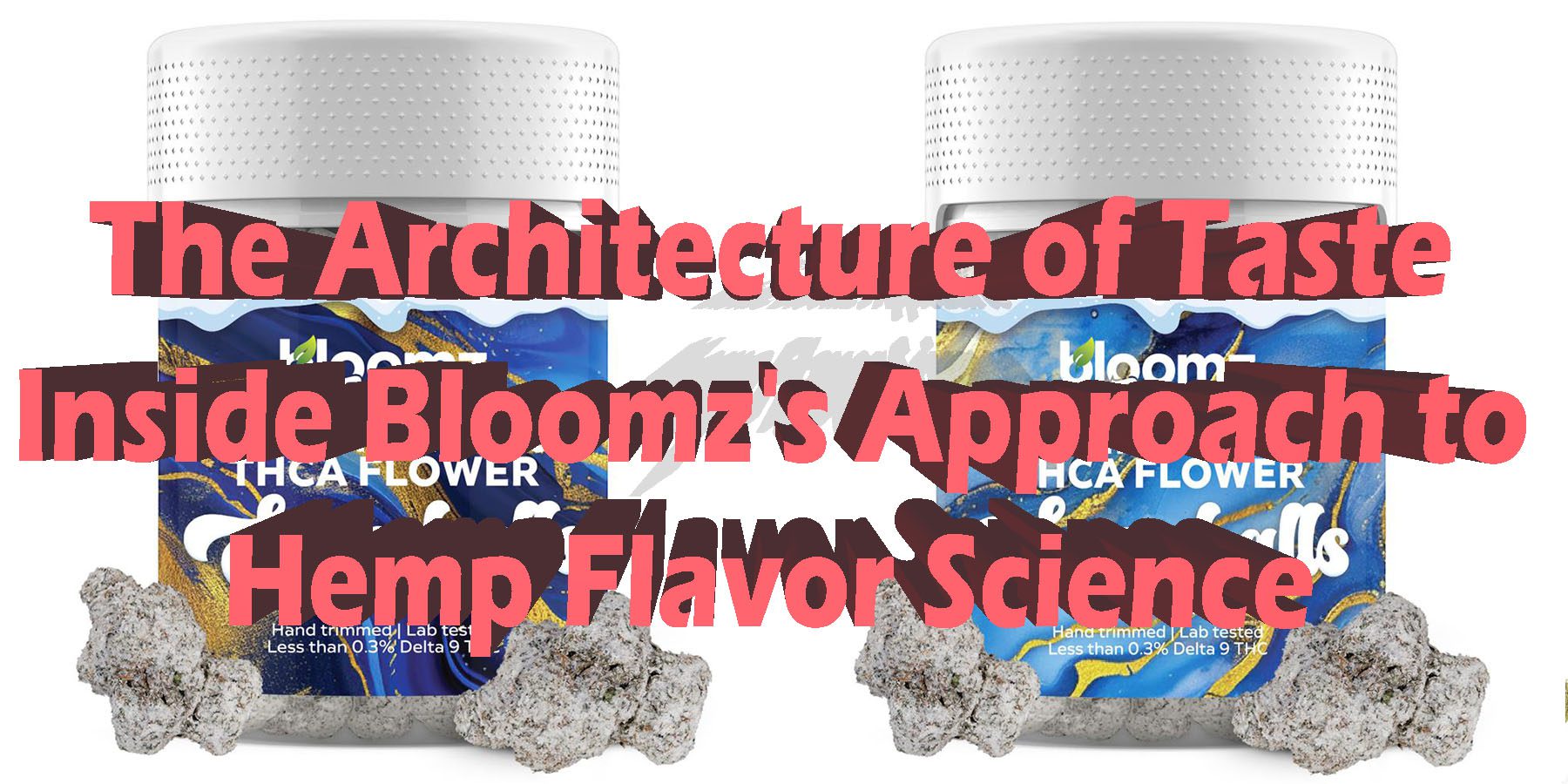
There’s a particular kind of disappointment that comes from unwrapping a hemp gummy that tastes like a chemistry set had a bad day, or pulling from a vape that hits your throat with all the nuance of a scented candle left too close to a space heater. For years, the hemp industry treated flavor as an afterthought a thin veneer stretched over cannabinoids, there to distract rather than delight. Bloomz has built its identity on rejecting that premise entirely. The brand’s guiding conviction is that flavor isn’t garnish. It’s architecture. And once you start looking at flavor the way Bloomz does as a deliberate, engineered layer of the product experience it becomes almost impossible to go back to thinking of taste as an afterthought.
To Buy Cannabis Flower Click Here
Flavor as Infrastructure, Not Decoration
The easiest way to understand what makes Bloomz’s approach distinct is to think about what most legacy hemp brands got wrong. For a long time, flavor was treated as a problem to be solved rather than an experience to be designed. Cannabinoids have a natural bitterness and a plant-forward earthiness that many consumers find unpleasant in high concentrations, so early formulators reached for the bluntest tools available: heavy sweeteners, artificial fruit compounds, and flavor additives strong enough to bulldoze over whatever was happening underneath. It worked, in the sense that it masked the problem. But masking isn’t the same as crafting, and consumers eventually noticed the difference between a product that tastes engineered around a flaw and one that tastes intentionally built.
Bloomz takes a different starting position. Rather than asking “how do we cover up the cannabinoid taste,” the brand’s formulation philosophy asks “what would this product taste like if flavor were the primary design goal, and effect delivery had to work around it.” That inversion changes everything downstream the choice of terpene systems, the balance of sweetness to acidity, the mouthfeel of a gummy, the vapor density of a disposable pen. It’s the difference between a product built to be tolerated and one built to be savored, and once you taste the difference, it’s hard to unknow it.
The Terpene Question: Why Molecules Matter More Than Marketing
To really understand the gap between a flavor-forward brand and a masking-forward one, you have to start with terpenes, the aromatic compounds responsible for the vast majority of scent and taste sensation across the cannabis and hemp plant family. Terpenes are what tell your brain “pine” or “citrus” or “clove” long before any cannabinoid effect enters the picture, and they exist in astonishing chemical complexity hundreds of distinct compounds, each contributing subtle notes that combine into what we experience as a single unified flavor. A strain that reads as “tropical” isn’t relying on one compound to do that work; it’s the interaction of a dozen or more terpenes at specific ratios, each one shifting the perception of the others.
This is where the split between generic hemp brands and flavor-obsessed ones becomes most visible. Many products on the market rely on food-grade flavoring additives that were never designed with cannabinoid interaction in mind they’re borrowed from the candy and beverage industries, dropped into a formulation, and expected to behave the same way they would in a soda. The problem is that cannabinoids aren’t neutral carriers.
They have their own aromatic signature, and when a flavoring system isn’t built to interact with that signature, the result is often a flavor that feels layered on top rather than woven through two competing smells fighting for attention instead of one coherent sensory statement. Bloomz‘s approach, by contrast, treats terpene selection as a formulation problem in its own right, building flavor systems specifically calibrated to complement the cannabinoid base rather than compete with it. The goal isn’t just pleasant taste in isolation; it’s coherence a flavor experience that feels like it was born alongside the product rather than bolted onto it afterward.
The Vape Category: Where Flavor Has Nowhere to Hide
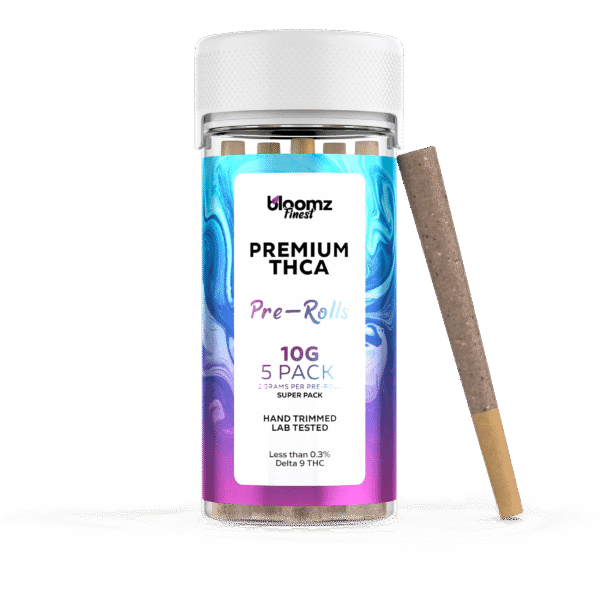
If you want to see flavor philosophy under a microscope, look at vape products, where there’s no sugar, no chewy texture, and no secondary sensation to distract from what’s actually happening on the palate. Vapor delivery is immediate and unforgiving. A poorly balanced flavor system announces itself within the first inhale, and there’s no masking a harsh or synthetic note once it hits the back of the throat. This is precisely why vape products have become one of the clearest proving grounds for the difference between authentic terpene work and generic flavor additives.
Bloomz’s vape formulations lean heavily into terpene-rich profiles designed for immersion rather than simple sweetness. Instead of chasing a single dominant candy note, the aim is a layered sensory arc an opening aroma, a mid-palate complexity, and a clean finish that doesn’t linger unpleasantly. That kind of structure doesn’t happen by accident; it requires treating the vape as a genuine flavor product first, with the cannabinoid delivery mechanism designed to support that experience rather than dictate it. Competing brands take different paths here some chase nostalgic candy profiles, others attempt faithful reproductions of classic cannabis strain characteristics and there’s nothing inherently wrong with either strategy. But execution is everything, and execution is where a lot of hemp vape products quietly fall apart, revealing thin, one-dimensional flavor systems the moment the initial hit fades.
Gummies and the Candy Comparison Problem
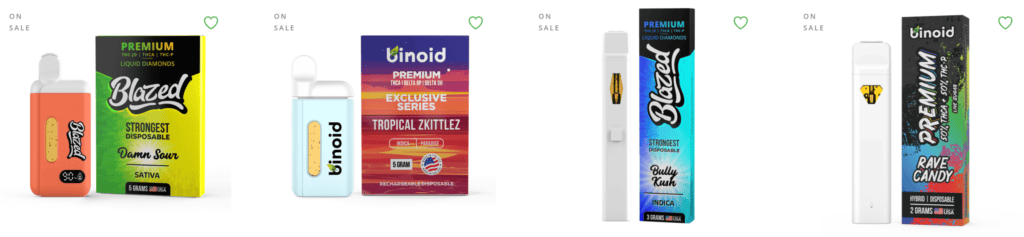
Gummies present an entirely different challenge, because consumers evaluating them are, whether consciously or not, comparing them against a lifetime of traditional candy experiences. Nobody walks into a vape purchase expecting it to taste like a childhood memory, but gummies invite exactly that comparison. This raises the stakes considerably. A hemp gummy has to clear a bar set not by other hemp products but by Sour Patch Kids and Haribo, and that’s a genuinely difficult standard to meet once you’re also trying to deliver a clean cannabinoid profile underneath.
The instinct for many brands has been to lean harder into sweetness, essentially trying to overwhelm the palate before any bitterness has a chance to register. It’s an understandable shortcut, but it tends to produce gummies that taste more like sugar delivery systems than genuine flavor experiences pleasant in the first bite, cloying by the fifth. Bloomz’s gummy formulations instead aim for balance: enough sweetness to satisfy the candy-adjacent expectation, but built around flavor structures real fruit-forward or dessert-inspired profiles sophisticated enough to hold their own without needing a sugar wall to hide behind. The result is a product that reads as a legitimate flavor experience in its own right, not simply a sweetened vehicle for something else.
Consistency: The Unsexy Variable That Actually Builds Loyalty
There’s a less glamorous but equally important piece of the flavor equation, and it’s one that rarely gets discussed in marketing copy: consistency. A product can nail its flavor profile once and still fail commercially if that profile shifts unpredictably from batch to batch. Consumers build loyalty around expectation the confidence that the mango gummy they loved last month will taste the same way this month and that confidence is fragile. Small variations in terpene sourcing, ingredient suppliers, or production timing can quietly erode a flavor profile without anyone flagging it internally, and the first place a customer notices is the very next purchase.
Maintaining consistency at scale requires a level of discipline that’s easy to underestimate: standardized formulations, reliable sourcing relationships, and quality control processes that catch drift before it reaches the consumer. It’s the kind of infrastructure investment that doesn’t show up in a product photo but shows up immediately in repeat purchase behavior. Brands that treat flavor as a one-time creative decision rather than an ongoing operational commitment tend to see loyalty erode exactly at the moment their formulation starts to wander, even slightly, from what customers first fell in love with.
Authentic Versus Artificial: The Palate Knows the Difference
There’s a broader cultural shift happening across the flavor world, cannabis-adjacent or otherwise, and it’s worth naming directly: consumers are getting better at detecting the difference between authentic and artificial flavor experiences, even when they can’t articulate exactly what they’re tasting. An overly sweet, single-note flavor might create a strong first impression, but it rarely earns a second look. Sophisticated palates and increasingly, that’s most palates tend to gravitate toward flavor experiences that feel layered, natural, and integrated rather than loud and one-dimensional.
This preference has quietly reshaped product development across the hemp space, pushing more brands toward genuine terpene investment rather than reliance on generic flavoring compounds. It’s a welcome shift, even if it’s an uneven one; not every brand has made the transition at the same pace, and the gap between flavor-forward formulation and masking-forward formulation remains wide across the market. For Bloomz, this shift isn’t a new direction so much as a validation of a philosophy the brand has been building around from the start the idea that flavor deserves the same rigor and craft typically reserved for cannabinoid formulation itself.
Recommended products
-
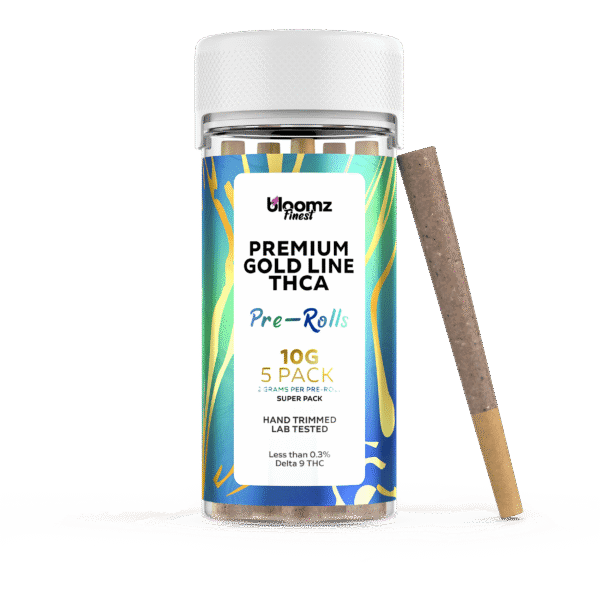
2 Gram THCA Pre-Rolls – 5 Pack
$63.99$89.99 -
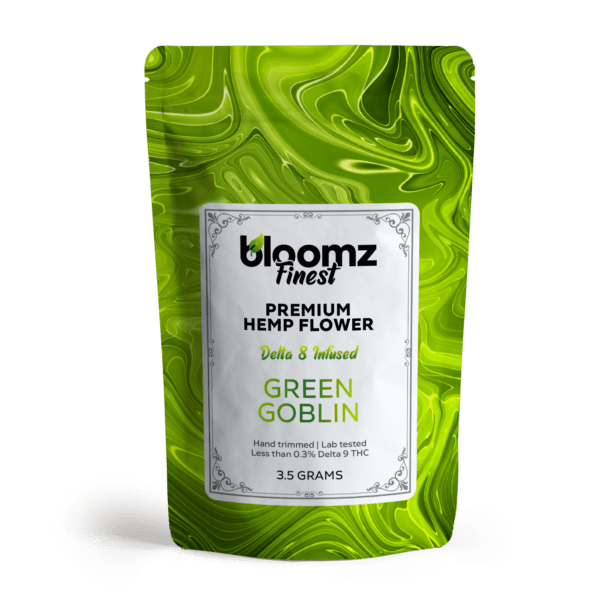
Delta 8 THC Flower
$24.99$39.99 -
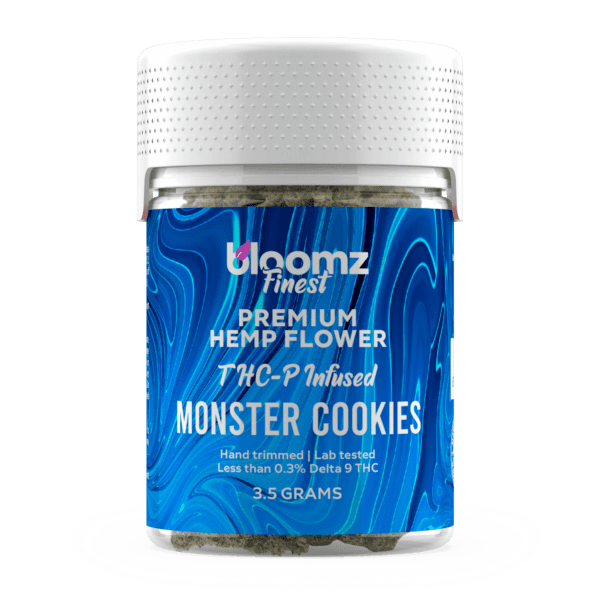
THC-P Flower
$29.99$43.99 -
Exotic 2 Gram THCA Pre-Rolls – 5 Pack – Gold Line
$67.99$99.99
Why Flavor Shapes Perceived Quality
Here’s the part of flavor science that surprises people the most: taste doesn’t just influence enjoyment in the moment, it actively shapes how consumers perceive the overall quality of a product, often independent of what’s actually happening at the cannabinoid level. Two products with nearly identical formulations can be judged completely differently based on flavor execution alone the one with the more refined, coherent taste profile reads as more premium, more carefully made, more trustworthy, even when the underlying science is comparable. This isn’t irrational consumer behavior; it’s a completely reasonable heuristic. Flavor is the most immediate, most sensorially rich signal a product gives off, and people use it correctly, in most cases as a proxy for the level of craftsmanship behind everything else.
This is precisely why treating flavor as a secondary concern is such a costly mistake for a hemp brand to make. It’s not simply about pleasant taste for its own sake; it’s about the halo effect that a well-executed flavor profile casts over the entire product experience. A brand that gets flavor right earns an assumption of competence everywhere else, and a brand that neglects it invites skepticism even when the rest of its formulation is genuinely solid.
The Experience Is the Product
Strip away the marketing language, and what Bloomz‘s flavor philosophy really represents is a bet on a simple idea: that the sensory experience is the product, not a wrapper around it. Effects matter, certainly, but effects unfold over time, while flavor is immediate, visceral, and entirely within the brand’s control from the first moment of contact. In a market that’s grown increasingly crowded and increasingly competitive on price and potency alone, flavor has become one of the few genuinely differentiating levers left a place where craftsmanship, chemistry, and creative formulation can still set one brand meaningfully apart from another.
As the hemp industry continues to mature, it’s a safe bet that flavor sophistication will only become more central to how products are evaluated, marketed, and remembered. The brands that treated flavor as decoration will find themselves competing purely on price, while the ones that treated it as infrastructure as something worth the same rigor as any other part of formulation will be the ones consumers keep coming back to, gummy after gummy, vape after vape, simply because the experience was worth returning for.
To Buy Cannabis Flower Click Here
Recommended products
-
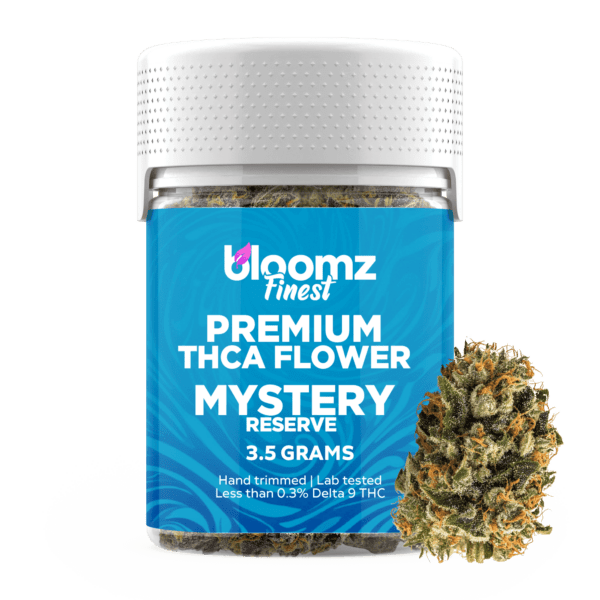
THCA Flower – Mystery Reserve
$41.99$79.99 -
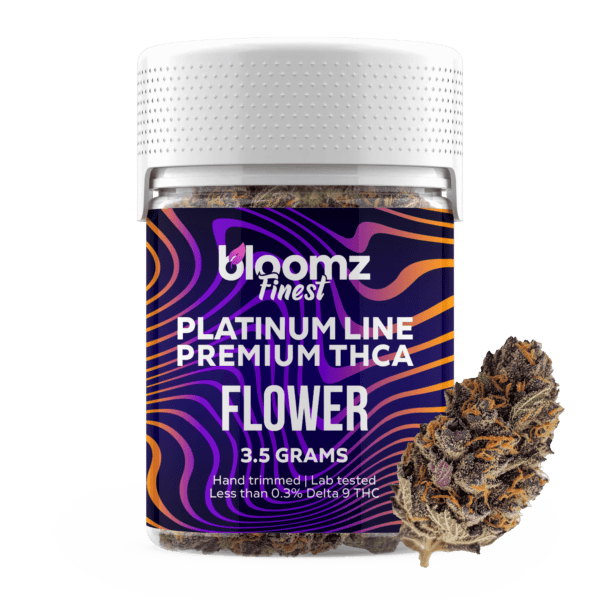
THCA Flower – Platinum Line
$47.99$79.99 -
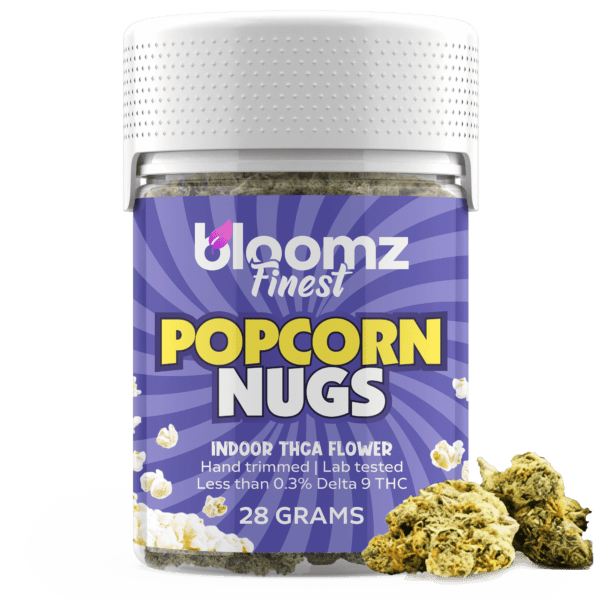
THCA Smalls
$139.99$256.99 -
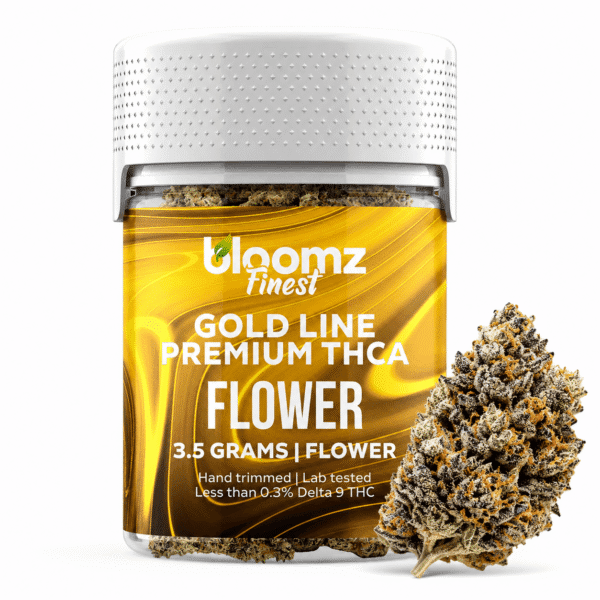
THCA Flower – Exotics – Gold Line
$37.99$89.99