The Input Nobody Audits
The quality conversation in premium hemp flower tends to center on the visible and the measurable: terpene percentages on a COA, trichome density visible under magnification, the color of the cured flower, the smoothness of the smoke. These are real quality indicators, and the attention paid to them reflects genuine progress in consumer sophistication within the category. But there is a quality input that almost no brand discusses, that most consumers never think to ask about, and that has a more direct relationship to the cleanliness and purity of the finished flower than almost any other single variable in the cultivation process.
That input is water. Specifically, the mineral content, pH, biological load, and chemical purity of the irrigation water that the hemp plant drinks throughout its growth cycle — the fluid that carries nutrients into the root zone, participates in every biochemical reaction occurring inside the plant, and leaves behind whatever dissolved solids and contaminants it carries when the plant transpires water vapor through its leaves. The plant cannot filter what it drinks. Everything dissolved in its irrigation water is either taken up, interacted with at the root zone, or deposited in the growing medium in ways that affect subsequent nutrient availability. The quality of the water is the quality of everything downstream from it.
Bloomz‘s cultivator qualification process extends to water source evaluation — a detail that most brands in the hemp flower market have never considered part of their quality framework, and that reflects the thoroughness of the brand’s commitment to controlling every input that affects the final product’s purity and character. To understand why water quality matters as much as it does, it helps to understand what irrigation water actually contains and how each component interacts with the hemp plant and its growing medium.
To Buy Hemp Flower Click Here
Recommended products
-
2 Gram THCA Pre-Rolls – 5 Pack
$63.99$89.99 -
Delta 8 THC Flower
$24.99$39.99 -
Exotic 2 Gram THCA Pre-Rolls – 5 Pack – Gold Line
$67.99$99.99 -
THC-P Flower
$29.99$43.99
What Water Carries
Water from any natural or municipal source is not pure H2O. It is a solution carrying a range of dissolved minerals, gases, organic compounds, and in some cases biological organisms and agricultural or industrial chemical residues that reflect the geology, hydrology, and land use history of the watershed from which it was drawn. The composition of this solution varies enormously across sources — from the soft, low-mineral rainwater collected in some regions to the hard, calcium-and-magnesium-rich groundwater drawn from limestone aquifers, to the chemically treated municipal water that carries chlorine, chloramines, and fluoride as disinfection byproducts.
Mineral content — expressed as total dissolved solids (TDS) or electrical conductivity (EC) — is the most immediately relevant water quality parameter for hemp cultivation. The minerals dissolved in irrigation water contribute to the plant’s overall mineral intake alongside whatever is applied through the fertility program. In appropriate quantities and balanced proportions, dissolved minerals in irrigation water can supplement the fertility program and contribute to healthy plant development. In excessive quantities, high TDS water can push total dissolved solid levels in the root zone beyond the plant’s tolerance, causing osmotic stress that limits water and nutrient uptake and stresses the plant in ways that are not productive — unlike the deliberate stresses discussed in the previous article, which are controlled and time-limited.
The specific mineral composition of the water matters as well as the total quantity. Water high in sodium, for instance, can accumulate in the soil over repeated irrigation events, displacing calcium and magnesium from soil exchange sites and degrading soil structure in ways that limit root development. Water with high bicarbonate content — common in hard water from limestone sources — raises soil pH over time if not corrected, pushing the growing medium outside the optimal pH range for hemp cultivation and limiting nutrient availability in the ways discussed in the soil health article earlier in this series.
pH is the second critical water quality parameter for hemp cultivation. Irrigation water that is significantly above or below the neutral range drives the pH of the root zone in the direction of the water’s own pH with each irrigation event — a gradual drift that, if unmonitored and uncorrected, can move the growing medium outside the optimal pH window for hemp within a single growing season. Growers who understand this and manage irrigation water pH actively — typically targeting the 5.8 to 6.5 range for water entering the root zone, which accounts for the pH buffering capacity of most growing media — maintain the nutrient availability conditions that support the full expression of the plant’s quality potential.
Chemical Contaminants in the Water Supply
Beyond the mineral composition questions that affect nutrition and soil chemistry, irrigation water can carry chemical contaminants whose presence in the hemp plant’s growing environment has direct implications for the safety of the finished flower. Hemp is a bioaccumulator — a plant that absorbs compounds from its environment at concentrations that can significantly exceed those present in the surrounding medium — which means that chemical contaminants in the irrigation water can accumulate in hemp plant tissue at levels that are meaningful even when the source concentration is low.
Agricultural regions with a history of pesticide or herbicide use may have groundwater or surface water containing residues of persistent compounds that leach from the soil into local aquifers and waterways over years or decades. Even at concentrations below the action levels established for drinking water, these compounds can accumulate in hemp plant tissue through the bioaccumulation mechanism that makes hemp such an effective environmental monitor. A hemp plant irrigated for a full growing season with water containing trace levels of a persistent herbicide may accumulate that compound in its tissue at concentrations that are detectable on a comprehensive pesticide COA — raising questions about a contamination source that the grower’s own pesticide practices had nothing to do with.
Municipal water treatment introduces a different set of chemical concerns. Chlorine and chloramines, used as disinfectants in municipal water systems, are biocidal compounds whose primary value in drinking water treatment is their ability to kill pathogenic microorganisms. In the context of hemp cultivation, these same biocidal properties are problematic: the soil microbial communities whose role in nutrient cycling and plant support was discussed in the soil health article are sensitive to chlorine and chloramines, and repeated irrigation with chlorinated municipal water can suppress the biological activity that healthy soil depends on. Growers using municipal water who do not dechlorinate before irrigation are, in effect, slowly sterilizing the soil ecosystem that their cultivation quality depends on.
Dechlorination is a straightforward intervention — activated carbon filtration or simple aeration for twenty-four hours before irrigation are both effective approaches — but it requires the grower to recognize the problem and invest in the solution. Many do not, either because they are unaware of the issue or because the cost and effort of treatment does not fit the economic model of their operation. The quality consequence of this inattention accumulates over a growing season in the degradation of the soil biology that supports premium hemp flower production.
Recommended products
-
Exotic THCA Smalls
$169.99$329.99 -
THCA + THC-P Flower
$47.99$89.99 -
THCA Flower
$27.99$79.99 -
THCA Pre-Rolls – 3-Pack/6-Pack
$30.99$59.99
Heavy Metals and the Bioaccumulation Risk
Among the potential contaminants in irrigation water, heavy metals deserve specific attention because of hemp’s well-documented capacity to accumulate them in its tissue and because of the direct safety implications of heavy metal contamination in a smokable product. Lead, cadmium, arsenic, and mercury — the four heavy metals most commonly assessed in hemp product safety testing — can enter water sources through natural geological processes, industrial contamination, agricultural runoff, and the leaching of metals from aging infrastructure.
The finished hemp flower COA that responsible brands like Bloomz provide to their customers includes a heavy metals panel, but this panel is testing the output of the entire cultivation process — the combined result of soil mineral content, irrigation water mineral content, and the plant’s uptake and accumulation behavior across the growing season. A clean heavy metals result in the finished flower does not happen by accident when the water source has not been evaluated. It happens because the grower has assessed the heavy metal content of every input — soil, water, amendments — and has confirmed that none of them is introducing metals at concentrations that would drive finished product results outside safe limits.
Bloomz’s sourcing standards require cultivators to demonstrate water source quality as part of the qualification process for inclusion in the brand’s supply network. This requirement is not industry standard — it is a Bloomz-specific commitment to the upstream quality controls that make the brand’s finished product safety assurances genuinely meaningful rather than retrospective discoveries. The cultivator who knows their water source is clean before they plant is in a fundamentally different position from the one who finds out at the point of finished product testing whether the water they irrigated with all season introduced contaminants into the crop.
Biological Load: What Lives in the Water
Natural surface water sources — rivers, streams, ponds, irrigation canals — carry biological organisms alongside their dissolved mineral and chemical loads. Most of these organisms are benign in the context of agricultural irrigation, but some — including certain pathogenic bacteria, mold spores, and algae — can introduce plant disease risk or contribute to the microbial load of the finished flower in ways that create safety concerns for the consumer.
Botrytis cinerea — gray mold — is one of the most significant disease risks for hemp flower, and water management is among the primary risk factors for its development. The fungal spores that initiate botrytis infections are widespread in most agricultural environments, but their ability to establish infections depends heavily on the moisture conditions at the flower surface. Irrigation practices that wet the flower canopy — overhead irrigation or sprinkler systems that deliver water from above — create the surface moisture conditions that favor botrytis establishment, particularly in the dense bud structures of late-stage flowering hemp. Drip irrigation and subsurface water delivery systems that keep the canopy dry while delivering water directly to the root zone are significantly less risky from a disease management perspective.
The biological quality of the water used in these systems matters as well. Surface water sources with high biological loads — algae, bacteria, fungal spores — can carry disease inoculum into the root zone even when delivered through drip systems, and can create conditions that support pathogen establishment in the growing medium. Water testing for biological load, and treatment where necessary through filtration or UV sterilization, is a component of responsible cultivation practice that receives far less attention than it deserves in the hemp quality conversation.
Recommended products
-
Blazed Exotic THCA Flower
$36.99$79.99 -
Blazed Strongest Exotic THCA Snow Caps
$58.99$93.99 -
THCA Snowballs – Gold Line
$57.99$89.99 -
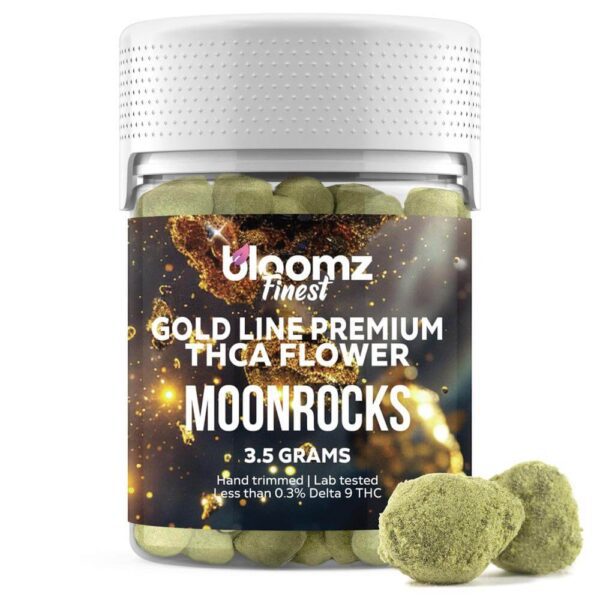
THCA Moonrocks – Gold Line
$57.99$89.99
The Reverse Osmosis Option
For cultivators operating in regions with water quality challenges — high TDS, heavy minerals, chemical contamination, or significant biological load — reverse osmosis filtration offers a path to a clean, controlled water supply regardless of source quality. RO systems force water through semi-permeable membranes that remove the vast majority of dissolved solids, contaminants, and biological organisms, producing water of exceptional purity that can then be supplemented with precisely controlled nutrient additions.
The advantage of RO water for hemp cultivation is total control over the mineral environment delivered to the root zone — the ability to build the exact nutritional solution that the plant’s requirements specify, without the complicating variables introduced by inconsistent source water mineral content. The disadvantage is cost and complexity: RO systems require capital investment, maintenance, and the disposal or management of the concentrate stream that carries the removed contaminants.
For premium hemp cultivation operations where water quality is a genuine concern, this trade-off strongly favors RO adoption. The ability to eliminate water quality variability as a source of crop inconsistency, and to ensure that no water-borne contaminant is introduced into the growing system, is worth the investment for a cultivation operation whose quality standards are high enough to justify it. Several of the cultivators in Bloomz‘s supply network use RO systems precisely because the brand’s quality expectations require the kind of input control that only a purified water supply can provide.
Asking the Question Your Brand Isn’t
The water quality question is one that most hemp flower brands have never been asked by their customers and have never asked of their cultivators. It sits below the visibility threshold of the typical hemp marketing conversation — too granular, too technical, too far upstream from the product to seem relevant to the consumer’s experience of what they eventually smoke.
But the consumer who understands the bioaccumulation mechanism — who knows that what the hemp plant drinks ends up in what they smoke — will recognize immediately why the question matters. And the brand whose cultivator qualification process includes water source assessment and whose sourcing standards extend to the inputs that most brands never consider is the brand that has taken seriously the full chain of decisions that determine what ends up in the finished flower.
That is Bloomz‘s position on water quality: not an afterthought verified at the point of finished product testing, but a controlled input managed upstream, before the plant has had a chance to absorb and accumulate what its water contains. Clean water does not guarantee excellent flower. But contaminated water guarantees compromised flower, and the brands that understand this are the ones whose clean COA results are earned rather than hoped for.
To Buy Hemp Flower Click Here
Recommended products
-
THCA Flower – Mystery Reserve
$41.99$79.99 -
THCA Flower – Platinum Line
$47.99$79.99 -
THCA Smalls
$139.99$256.99 -
THCA Flower – Exotics – Gold Line
$37.99$89.99