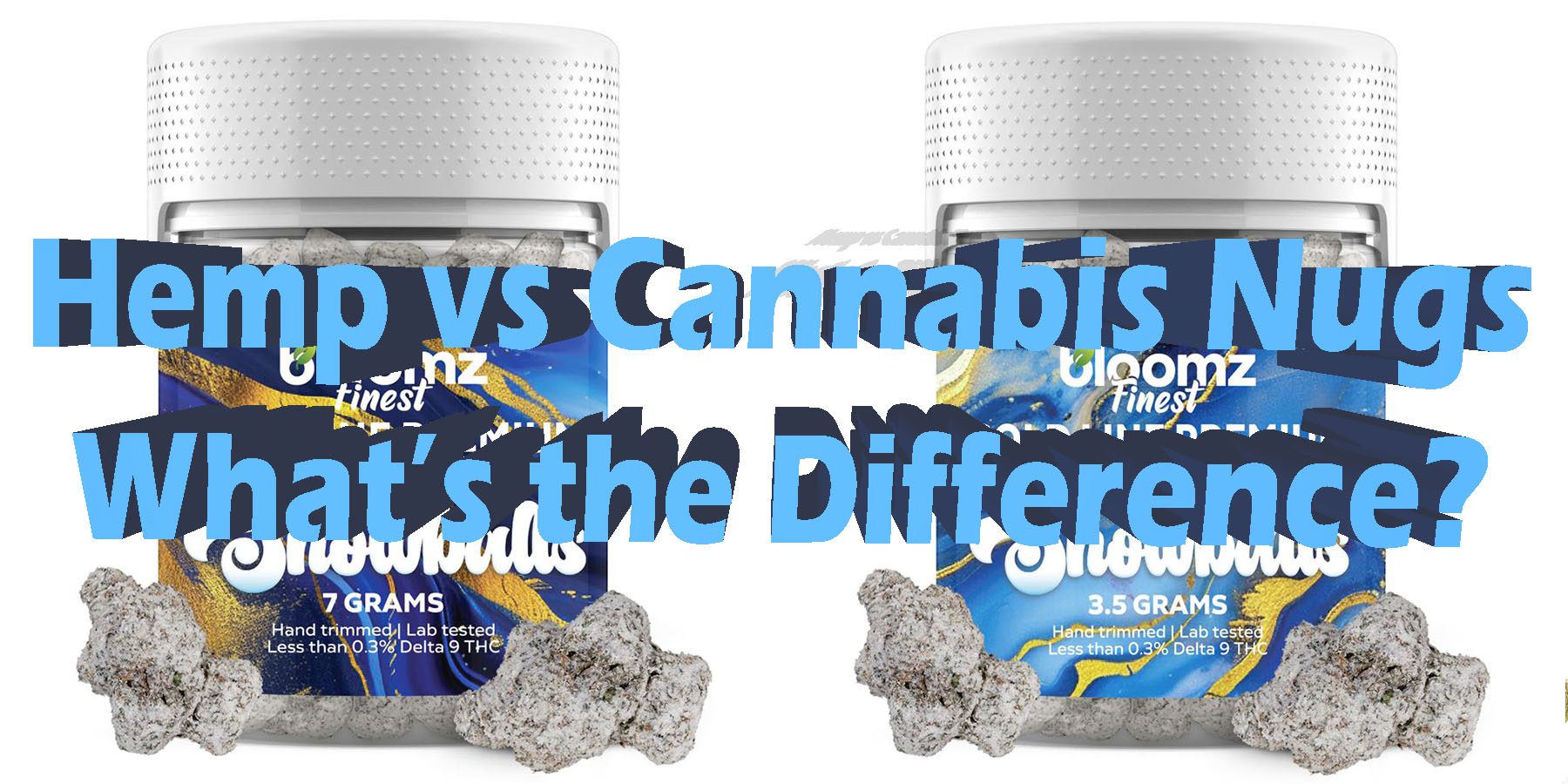
As hemp-derived products continue to gain mainstream attention, one of the most common questions consumers ask is how hemp nugs compare to traditional cannabis nugs. At first glance, the two can look nearly identical — dense buds, visible trichomes, and strong aromas — yet they differ significantly in composition, legality, and intended use.
This article provides a clear, educational comparison of hemp nugs versus cannabis nugs. Written in a consumer-friendly, blog-style format, it breaks down the key differences while maintaining a compliant, non-medical tone to help readers better understand what sets these two flower types apart.
To Buy Hemp Nugs Products Click Here
What Are Hemp Nugs?
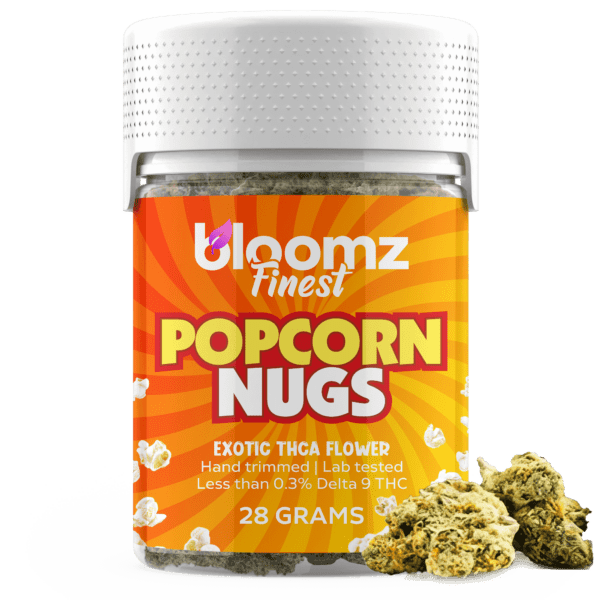
Hemp nugs are the trimmed, dried flower buds of hemp plants that meet the federal definition of hemp in the United States. By law, hemp must contain no more than 0.3% Delta-9 THC by dry weight. These flower buds are cultivated to emphasize cannabinoids like CBD while remaining compliant with THC limits.
Although hemp nugs may look similar to cannabis flower, they are classified differently due to their cannabinoid profile. Modern hemp breeding has made it possible to grow visually appealing hemp flower with rich terpene content and dense structure.
What Are Cannabis Nugs?
Cannabis nugs refer to flower buds harvested from marijuana plants, which are bred to contain higher concentrations of Delta-9 THC. These nugs are commonly associated with recreational or medical cannabis markets and are regulated at the state level rather than federally.
Cannabis nugs typically feature elevated THC percentages, which contribute to their intoxicating effects. Because of this, their sale, possession, and use are subject to specific state laws and regulations.
Visual Similarities and Differences
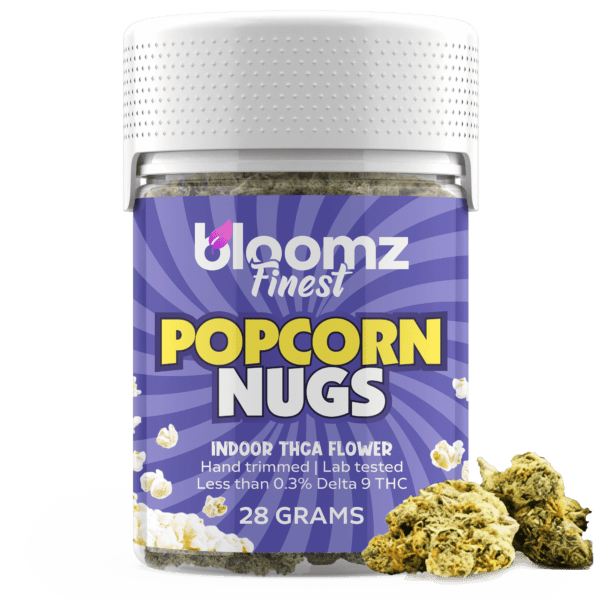
One of the reasons hemp and cannabis nugs are often confused is their physical appearance. Both can display vibrant colors, frosty trichomes, and distinct aromas depending on genetics and cultivation methods. Advances in hemp genetics have narrowed the visual gap considerably.
However, subtle differences may still exist. Cannabis nugs often produce stronger, more pungent aromas due to higher terpene and THC concentrations, while hemp nugs tend to present milder but still complex scent profiles.
Cannabinoid Content Compared
The most significant difference between hemp nugs and cannabis nugs lies in their cannabinoid composition. Hemp nugs are typically rich in CBD and other minor cannabinoids, with only trace amounts of Delta-9 THC that remain within legal limits. Cannabis nugs, on the other hand, are bred specifically for higher THC content.
This difference directly influences how each product is commonly used and perceived by consumers. Hemp nugs are often chosen for their non-intoxicating nature, while cannabis nugs are associated with strong psychoactive effects.
Are Hemp Nugs and Cannabis Nugs Psychoactive?
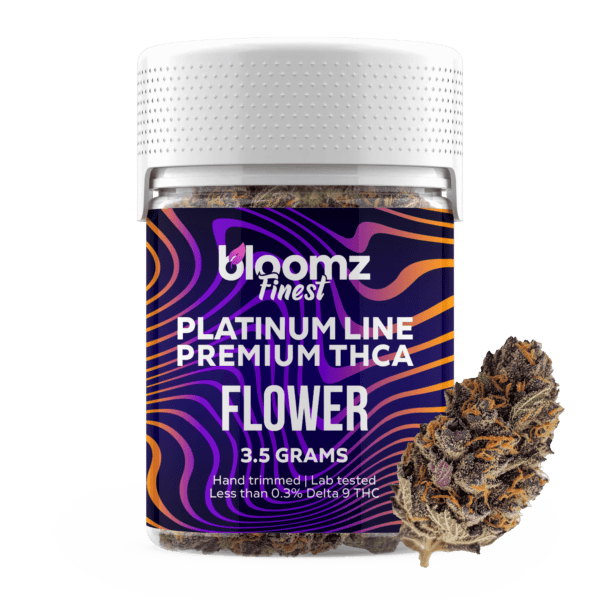
Hemp nugs are not considered intoxicating in the traditional sense because their Delta-9 THC levels remain below federally defined limits. While some consumers report subtle sensations such as relaxation or calmness, these effects are generally described as mild and manageable.
Cannabis nugs, by contrast, are widely known for their intoxicating effects. Higher THC concentrations can lead to noticeable psychoactivity, which is why cannabis flower is regulated more strictly and often restricted to adult-use or medical programs.
How Hemp and Cannabis Nugs Are Commonly Used
Both hemp and cannabis nugs are consumed using similar methods, including smoking, vaporizing, or infusing into oils or butter. The difference lies less in the method and more in the intended experience.
Hemp nugs are often used by individuals seeking a low-THC or THC-free flower option, while cannabis nugs are typically chosen for recreational or therapeutic purposes within regulated markets.
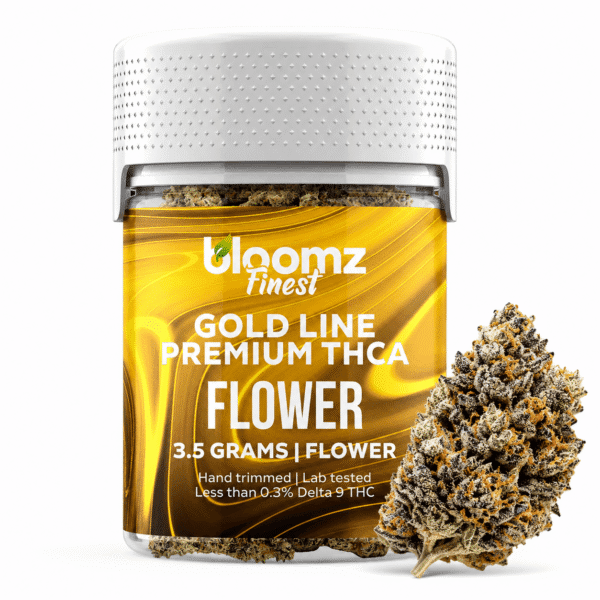
Legal Differences Between Hemp and Cannabis
Legal classification is one of the clearest distinctions between hemp nugs and cannabis nugs. Hemp is federally legal in the United States when it meets the requirements of the 2018 Farm Bill, including THC limits and proper testing.
Cannabis remains illegal at the federal level, although many states have legalized it for medical or recreational use. Because laws vary widely, consumers must understand their local regulations before purchasing or possessing cannabis flower.
Lab Testing and Transparency
Both hemp and cannabis industries rely on lab testing, but requirements and access can differ. Reputable hemp nug producers provide third-party lab results to verify cannabinoid content and ensure legal compliance. These Certificates of Analysis help build consumer trust.
Cannabis nugs are also tested in legal markets, often under state-mandated guidelines. However, testing standards and labeling requirements can vary significantly from one state to another.
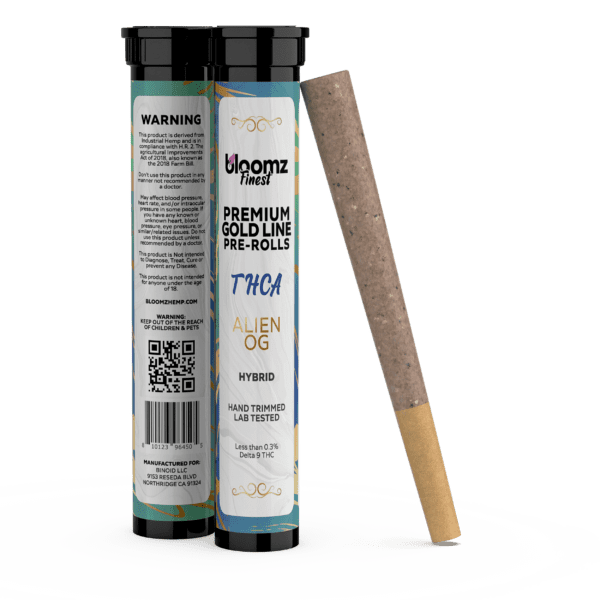
Who Typically Chooses Hemp Nugs and Cannabis Nugs?
The choice between hemp nugs and cannabis nugs often comes down to personal preferences, lifestyle considerations, and legal access. Hemp nugs are commonly chosen by consumers who prefer non-intoxicating or low-THC options, including CBD-focused users, individuals who want to avoid strong psychoactive effects, or those living in areas where cannabis remains restricted. Their federal legality also makes hemp nugs more accessible nationwide.
Cannabis nugs, on the other hand, are typically selected by consumers participating in state-regulated recreational or medical cannabis programs who are seeking pronounced THC-driven effects. These consumers often prioritize potency, strain variety, and specific cannabinoid ratios. While both products appeal to different needs, each serves a distinct role within the broader cannabis and hemp marketplace.
Common Misconceptions
A common misconception is that hemp nugs and cannabis nugs are interchangeable. While they may look similar, their cannabinoid profiles, legal status, and intended use differ significantly. Another misunderstanding is that hemp nugs are inferior in quality, when in fact high-quality hemp flower can rival cannabis in appearance and aroma without producing intoxication.
Understanding these distinctions helps consumers make informed decisions.
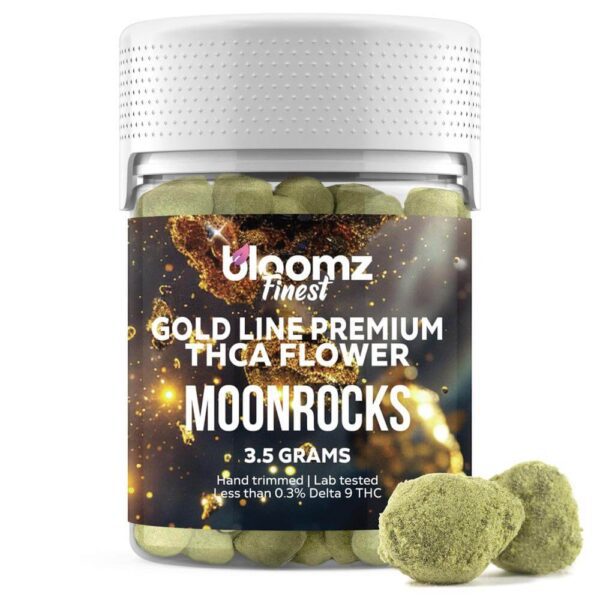
Retail Availability and Accessibility
Retail availability is one of the most practical differences between hemp nugs and cannabis nugs, and it often shapes which option consumers choose. Hemp nugs are widely accessible because they are federally legal when compliant, allowing them to be sold online and shipped directly to consumers in many states. This makes hemp flower convenient for individuals who prefer online shopping, live outside of legalized cannabis markets, or want broader access without visiting a dispensary.
Cannabis nugs are typically available only through state-licensed dispensaries in regions where marijuana is legal. Purchasing cannabis flower usually requires meeting age requirements, presenting valid identification, and buying within regulated retail systems. Availability can vary by state, city, and even by specific dispensary inventory.
In short, hemp nugs offer greater nationwide accessibility and convenience, while cannabis nugs are more restricted due to state-level regulations. These retail differences often play a key role in how consumers decide between hemp and cannabis flower.
Bloomz’s Approach to Hemp Nugs
As a trusted name in the hemp industry, Bloomz focuses on delivering high-quality, federally compliant hemp products with an emphasis on transparency and consistency. Bloomz hemp nugs are sourced from carefully cultivated hemp flower and supported by third-party lab testing to verify cannabinoid content and legal compliance. By prioritizing clean sourcing, clear labeling, and accessible education, Bloomz helps consumers confidently explore hemp flower options that align with their preferences.
Final Thoughts
Hemp nugs and cannabis nugs may share visual similarities, but they serve different purposes within the broader cannabis landscape. Hemp nugs offer a federally compliant, CBD-forward option rooted in balance and accessibility, while cannabis nugs are designed for THC-driven experiences within regulated markets.
By understanding the differences in cannabinoid content, legality, and typical use, consumers can better navigate their options and choose products that align with their preferences and lifestyle. Brands like Bloomz continue to elevate the hemp category by combining quality, transparency, and consumer education.
To Buy Hemp Nugs Products Click Here
Recommended products
-
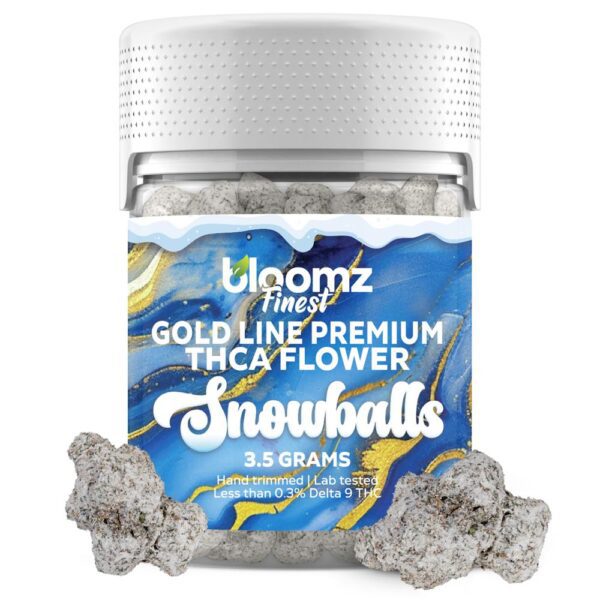
THCA Snowballs – Gold Line
$57.99$89.99 -
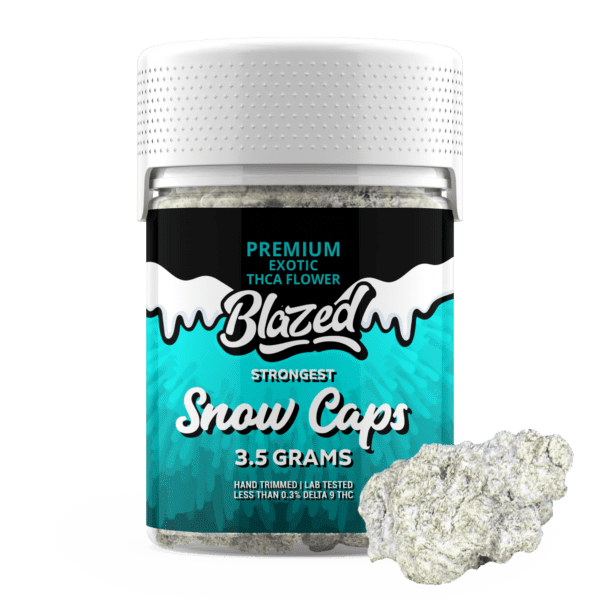
Blazed Strongest Exotic THCA Snow Caps
$58.99$93.99 -
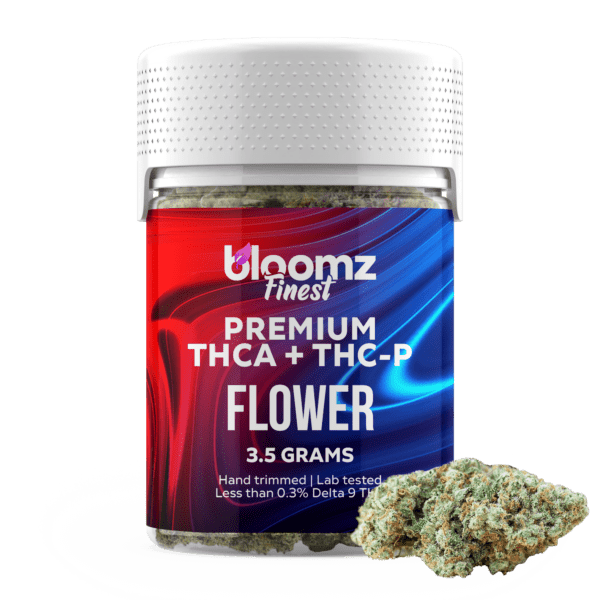
THCA + THC-P Flower
$47.99$89.99 -
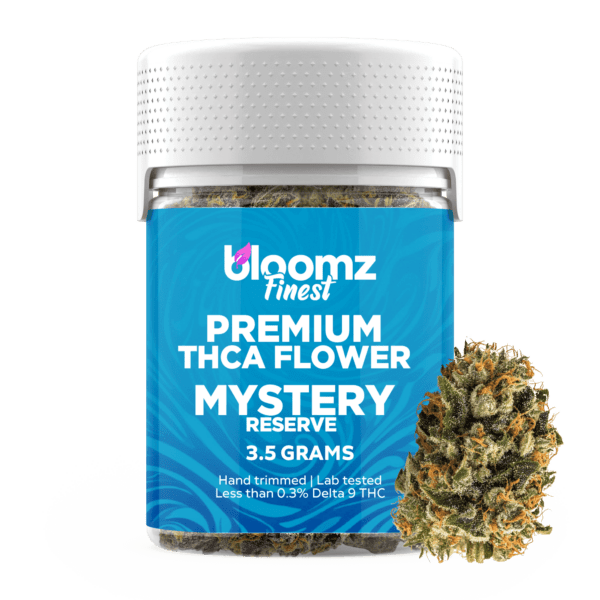
THCA Flower – Mystery Reserve
$41.99$79.99