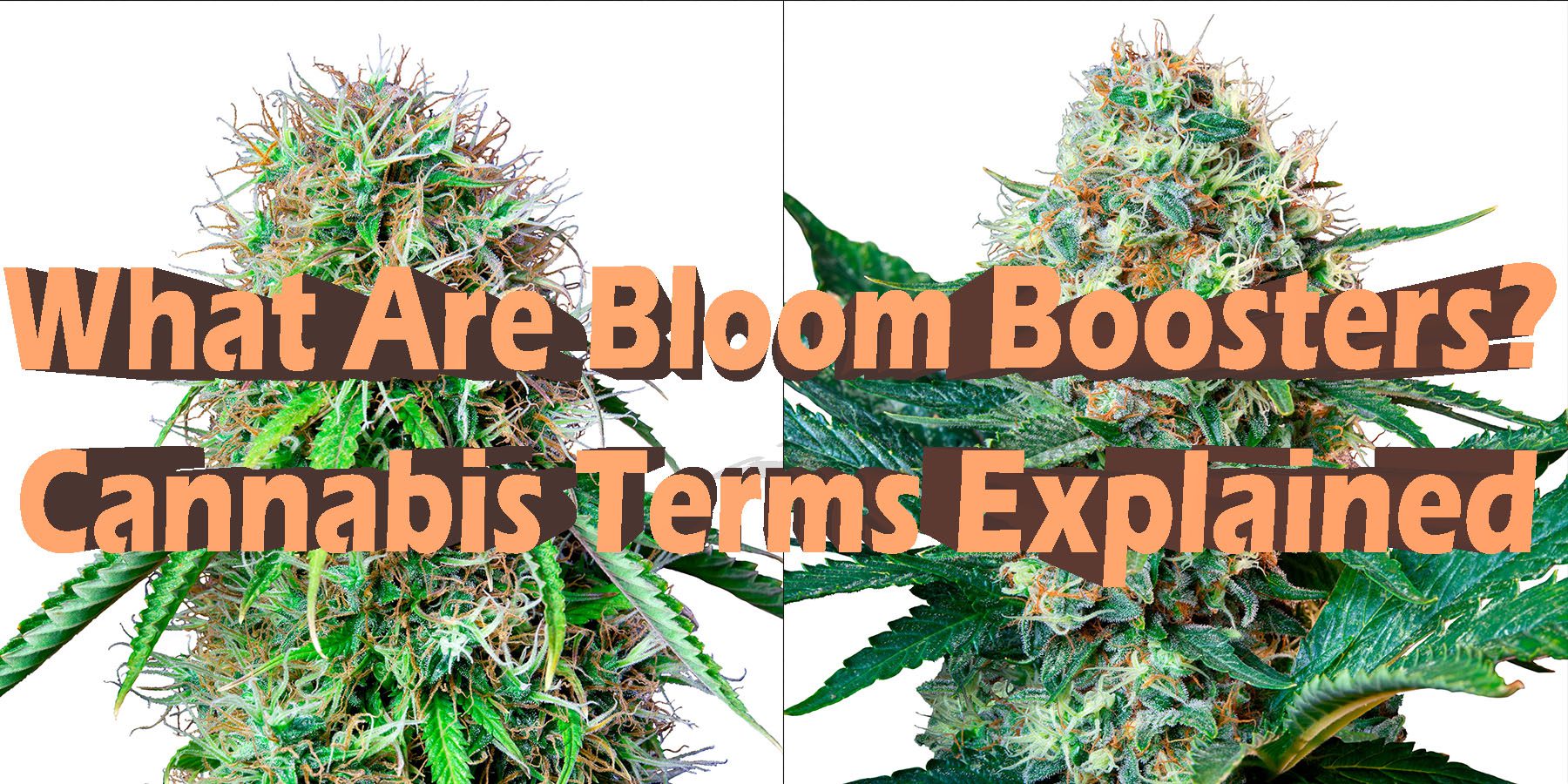
As cannabis growing techniques continue to evolve, growers are always seeking ways to maximize yield, potency, and overall plant health. One of the tools often used to achieve these goals is a bloom booster. If you’ve been shopping for nutrients or reading about cannabis growing techniques, you’ve probably come across this term. But what exactly is a bloom booster, and how does it fit into the larger picture of cannabis cultivation? This guide, part of our Cannabis Terms Explained series, will break down bloom boosters, how they work, the types available, and best practices for using them to produce stronger, more productive plants.
TO BUY HEMP FLOWER CLICK HERE
Recommended products
-
Delta 8 THC Flower
$24.99$39.99 -
THC-P Flower
$29.99$43.99 -
Exotic THCA Pre-Rolls Gold Line – 3-Pack/6 Pack
$36.99$69.99
What Is a Bloom Booster?
A bloom booster is a type of nutrient supplement designed specifically for the flowering stage of cannabis plants. Unlike general fertilizers that support overall growth, bloom boosters focus on promoting flower production, bud density, and the development of vibrant, resinous trichomes. Essentially, a bloom booster signals to the plant that it’s time to prioritize reproduction, helping it channel energy from vegetative growth into flowering.
Cannabis plants naturally transition from vegetative growth to the flowering stage as they mature and respond to changes in light cycles. During this stage, the plant requires different nutrients than it did during early growth. Bloom boosters are formulated to meet these specific needs, providing elevated levels of phosphorus and potassium, along with trace elements that support flowering. Some bloom boosters also include organic compounds, amino acids, or natural growth stimulants that enhance overall bud formation and quality.
Why Bloom Boosters Are Important for Cannabis
Bloom boosters are important because they help optimize the flowering phase, which ultimately determines the size, potency, and quality of your harvest. The flowering stage is when cannabis plants produce buds rich in cannabinoids and terpenes, the compounds responsible for the plant’s psychoactive effects and flavor profile. Without proper nutrition during this stage, plants may produce smaller buds, fewer trichomes, and reduced yields.
Phosphorus is critical for energy transfer within the plant, supporting photosynthesis and the development of flowers. Potassium regulates water uptake, improves disease resistance, and enhances the transport of sugars and other nutrients to developing buds. When these nutrients are provided in the right amounts through bloom boosters, cannabis plants are more likely to produce large, dense flowers with rich aroma and potency.
Key Nutrients in Bloom Boosters
While formulations vary depending on the brand and type, most bloom boosters share a few common elements:
-
Phosphorus – Promotes strong flower development and overall reproductive growth.
-
Potassium – Supports water regulation, nutrient transport, and bud density.
-
Calcium and magnesium – Help strengthen plant tissue and improve nutrient uptake.
-
Trace elements – Micronutrients such as iron, zinc, and manganese enhance enzymatic processes critical to flowering.
-
Organic additives – Some bloom boosters include amino acids, humic acids, or natural stimulants that can improve bud quality and resilience.
Bloom boosters are usually lower in nitrogen compared to vegetative fertilizers. Nitrogen is essential for leaf and stem growth, but excessive nitrogen during flowering can inhibit bud formation and reduce resin production.
How Bloom Boosters Work
Bloom boosters work by providing the plant with a concentrated source of nutrients that are specifically needed for flowering. During this stage, the plant shifts its metabolism toward producing flowers, which are the reproductive structures. The nutrients in bloom boosters help the plant allocate energy efficiently, supporting the development of larger, denser, and more resin-rich buds.
In addition to the chemical nutrients, some bloom boosters include natural plant hormones or growth stimulants that mimic the plant’s own signaling molecules. These compounds can enhance bud formation, improve flowering consistency, and even increase cannabinoid and terpene production. The combination of targeted nutrients and growth stimulants makes bloom boosters a powerful tool for maximizing flowering potential.
Types of Bloom Boosters
Bloom boosters come in a variety of formulations to suit different growing methods and preferences. Understanding the different types can help growers choose the right product for their needs.
Liquid Bloom Boosters
Liquid bloom boosters are easy to mix into water and feed directly to the plant’s roots or through foliar sprays. They are often preferred for hydroponic systems, drip irrigation, or other nutrient solution setups. Liquids provide fast absorption and immediate results, making them ideal for fine-tuning nutrient delivery during flowering.
Powdered Bloom Boosters
Powdered bloom boosters are concentrated and typically mixed with water before application. They are often used in soil or coco coir grows. Powders allow growers to control dosage more precisely and can be stored longer without degradation compared to liquids.
Recommended products
-
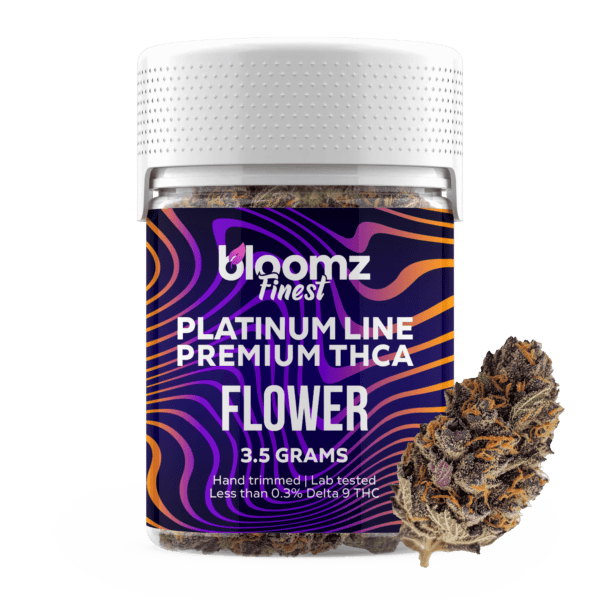
THCA Flower – Platinum Line
$47.99$79.99 -
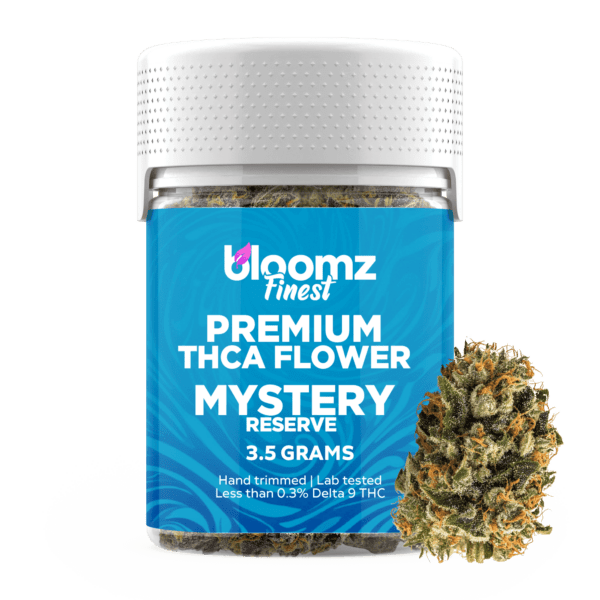
THCA Flower – Mystery Reserve
$41.99$79.99 -
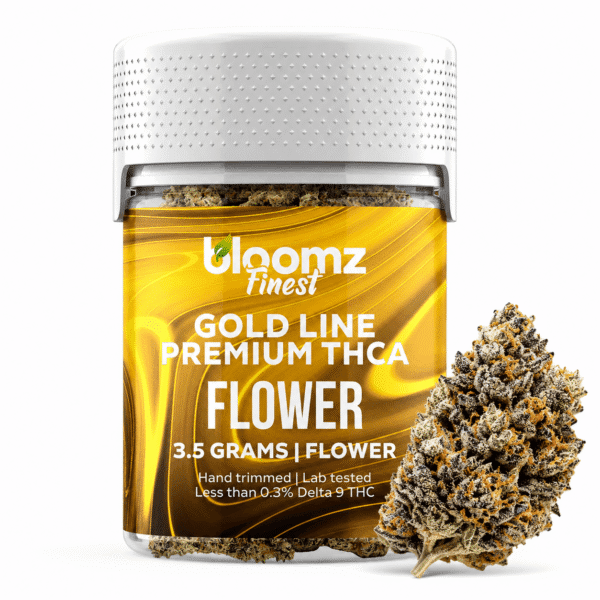
THCA Flower – Exotics – Gold Line
$37.99$89.99 -
THCA Smalls
$139.99$256.99
Organic Bloom Boosters
Organic bloom boosters rely on natural ingredients like bat guano, seaweed extracts, worm castings, and compost teas. They provide essential nutrients, improve soil health, encourage microbial activity, and enhance flavor profiles. Organic boosters are popular among growers seeking sustainable or “clean” cultivation practices.
Synthetic Bloom Boosters
Synthetic bloom boosters are formulated in laboratories to provide precise nutrient ratios for flowering. They are often more potent and faster-acting than organic options, making them popular in commercial grows where consistent yields are critical. However, they require careful dosing to avoid nutrient burn or imbalances.
When to Use Bloom Boosters
Bloom boosters should be used during the flowering stage, which generally begins when the plant’s light cycle shifts to 12 hours of light and 12 hours of darkness for photoperiod strains. The exact timing may vary depending on the strain, growing method, and plant size. Using bloom boosters too early, during the vegetative stage, can cause nutrient imbalances or inhibit proper leaf and stem development.
Most growers begin introducing bloom boosters gradually at the start of the flowering stage and increase the concentration as the plant develops buds. It’s important to follow the manufacturer’s instructions and adjust based on plant response. Overuse can lead to nutrient burn, toxicity, or reduced overall quality.
How to Use Bloom Boosters Effectively
Effective use of bloom boosters involves understanding the plant’s nutritional needs, monitoring growth closely, and adjusting feeding schedules as required. Here are some best practices:
-
Start low, go slow – Begin with a lower concentration to allow the plant to adjust.
-
Monitor plant health – Look for signs of nutrient deficiency or excess, such as yellowing leaves, brown tips, or curling foliage.
-
Combine with base nutrients – Bloom boosters work best when used alongside a balanced base fertilizer that provides nitrogen, calcium, and other essential elements.
-
Adjust for strain differences – Some strains are heavier feeders or more sensitive to certain nutrients. Tailor bloom booster use to each strain’s requirements.
-
Flush before harvest – Many growers reduce or stop bloom boosters 1-2 weeks before harvest to remove excess nutrients and improve flavor and smoothness.
Benefits of Using Bloom Boosters
Using bloom boosters correctly offers several key advantages:
-
Increased bud size – Optimized nutrient ratios support larger, denser flowers.
-
Enhanced potency – Higher concentrations of phosphorus and potassium can improve cannabinoid and terpene production.
-
Improved flower quality – Boosters encourage better trichome coverage, brighter colors, and healthier buds.
-
More predictable yields – Consistent feeding schedules help growers produce uniform harvests.
-
Greater resilience – Proper nutrient support during flowering strengthens the plant and can reduce stress-related issues.
Common Misconceptions About Bloom Boosters
There are several misconceptions that new growers may encounter:
-
Bloom boosters are a magic solution – They improve flowering only when combined with proper overall plant care, lighting, and base nutrients.
-
More is always better – Overfeeding can damage plants and reduce quality.
-
They are only for commercial growers – Both small-scale and large-scale cultivators can benefit from bloom boosters if used correctly.
-
Organic is always weaker – While organic boosters act more slowly, they can produce excellent flavor and terpene profiles when managed properly.
Recommended products
-
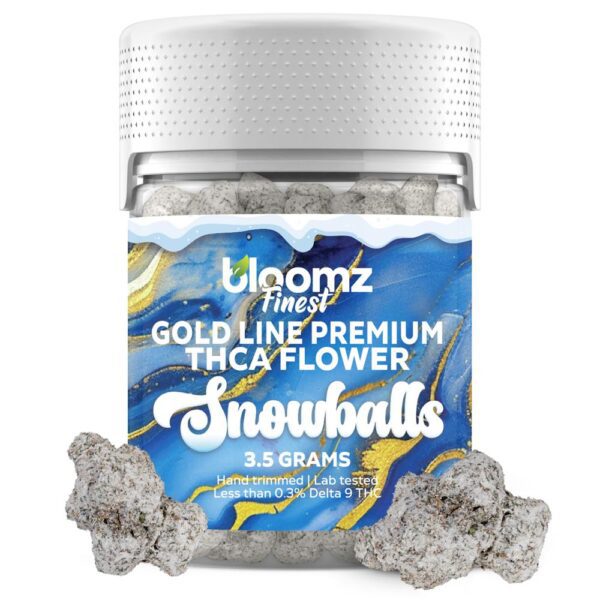
THCA Snowballs – Gold Line
$57.99$89.99 -
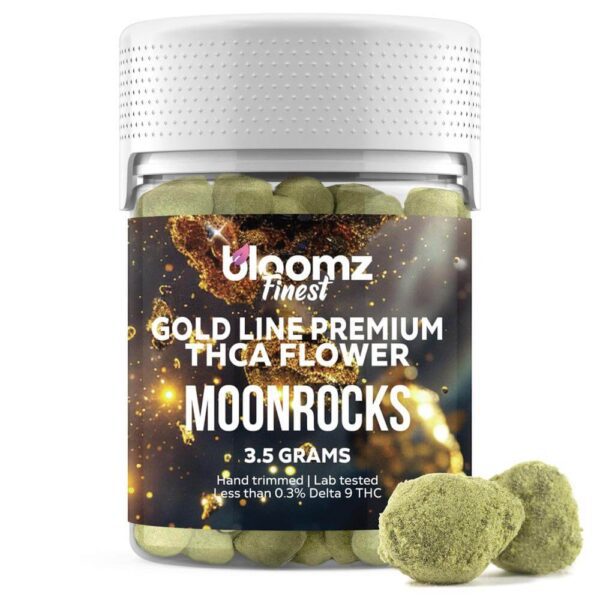
THCA Moonrocks – Gold Line
$57.99$89.99 -
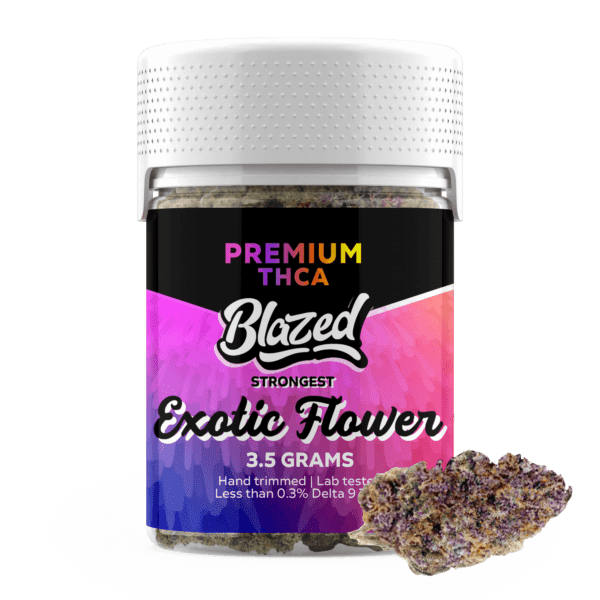
Blazed Exotic THCA Flower
$36.99$79.99 -
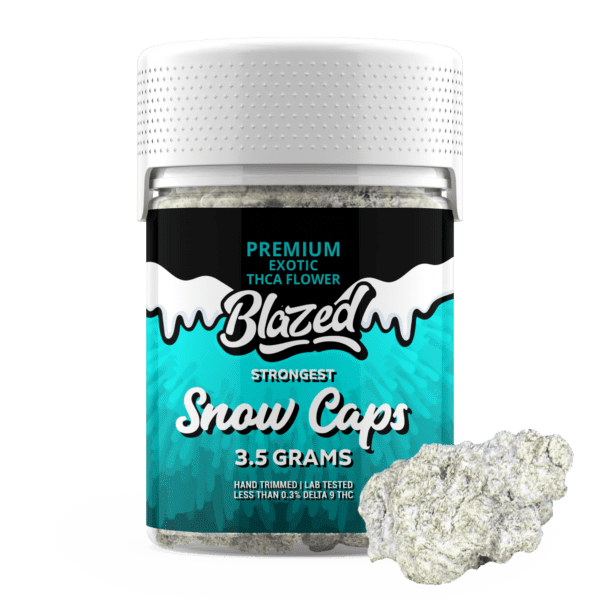
Blazed Strongest Exotic THCA Snow Caps
$58.99$93.99
Bloom Boosters in Hydroponics vs Soil
The method of cultivation affects how bloom boosters are used:
-
Hydroponics: Liquid bloom boosters are particularly effective because they are immediately available to the roots. Nutrient balance is easier to control, which allows for faster response and more precise feeding.
-
Soil: Soil buffers nutrients more, so powdered or slow-release bloom boosters are often preferred. Microbial activity in soil can also improve nutrient availability over time, enhancing the effects of organic bloom boosters.
Popular Ingredients in Bloom Boosters
Bloom boosters often include specialized ingredients beyond basic macronutrients:
-
Humic and fulvic acids – Improve nutrient absorption and stimulate root growth.
-
Amino acids – Promote protein synthesis and enhance bud density.
-
Seaweed extracts – Provide natural growth hormones and stress resistance.
-
Phosphites – Improve phosphorus uptake and plant defense mechanisms.
These ingredients can be combined in different ratios depending on the brand and desired effect, offering growers options for tailoring bloom performance.
Potential Risks and How to Avoid Them
While bloom boosters are highly beneficial when used correctly, misuse can harm plants:
-
Nutrient burn – Over-concentrated solutions can cause leaf tip burn and reduce photosynthesis.
-
pH imbalances – Excess nutrients can shift pH, affecting nutrient uptake.
-
Salt buildup – Repeated use without flushing can lead to residual salts in soil or medium.
To avoid these issues, follow manufacturer recommendations, monitor plant health, and perform periodic flushing if needed.
How Bloom Boosters Affect Terpenes and Cannabinoids
Bloom boosters not only increase bud size but can also impact the production of cannabinoids (like THC and CBD) and terpenes. By supplying the plant with optimal phosphorus and potassium during flowering, the plant can produce more resin, which contains these compounds. Growers often notice brighter aromas, richer flavors, and more potent effects when bloom boosters are used correctly alongside proper lighting and environmental controls.
Choosing the Right Bloom Booster
When selecting a bloom booster, consider:
-
Strain requirements – Some strains require more nutrients during flowering than others.
-
Cultivation method – Hydroponic setups may benefit more from liquid boosters, while soil may do better with organic powders.
-
Experience level – Beginners may prefer pre-mixed, easy-to-use boosters, while experienced growers may experiment with custom ratios.
-
Organic vs synthetic – Decide if you want natural additives that enhance flavor or synthetic formulas designed for maximum efficiency.
Conclusion
Bloom boosters are an essential tool for growers looking to maximize the potential of their cannabis plants during the flowering stage. By providing targeted nutrients, improving bud density, enhancing cannabinoid and terpene production, and supporting overall flower health, bloom boosters help ensure stronger, more productive harvests. Whether using hydroponics or soil, organic or synthetic formulas, bloom boosters can make a measurable difference when used properly.
Understanding what bloom boosters do and how to use them allows growers of all levels to improve yields, enhance potency, and produce high-quality cannabis. They are not magic solutions, but when integrated into a well-planned feeding regimen, bloom boosters are one of the most effective ways to take flowering cannabis plants to the next level.
TO BUY HEMP FLOWER CLICK HERE
Recommended products
-
Exotic THCA Smalls
$169.99$329.99 -
THCA + THC-P Flower
$47.99$89.99 -
THCA Flower
$27.99$79.99 -
THCA Pre-Rolls – 3-Pack/6-Pack
$30.99$59.99