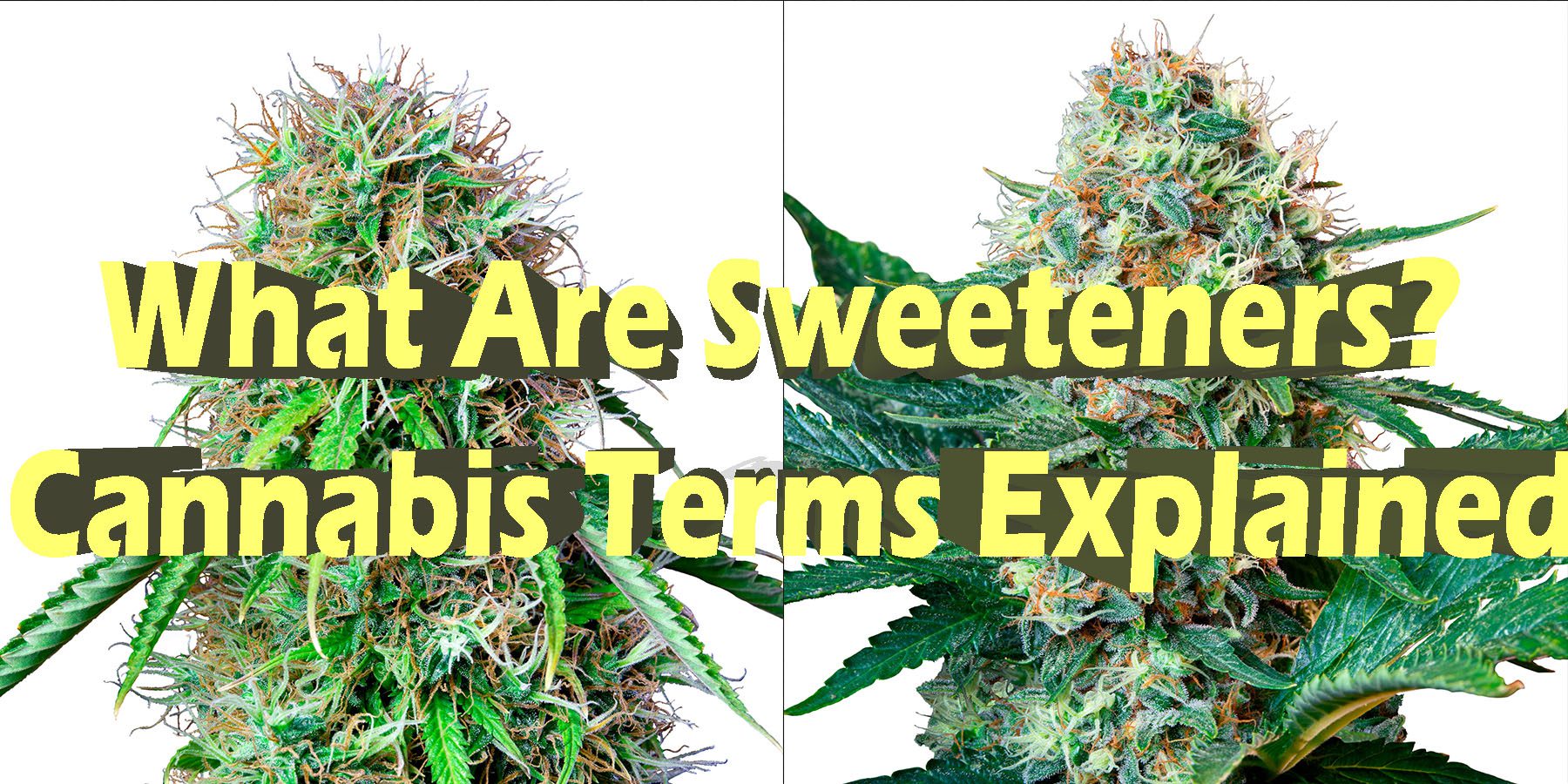
Sweeteners in the cannabis industry have become increasingly popular for consumers looking to enhance their cannabis experience. While cannabis is primarily enjoyed for its cannabinoids and terpenes, sweeteners add an extra layer of flavor, aroma, and versatility. But what exactly are sweeteners, and how are they used in cannabis products? Understanding this term is key to both new and experienced consumers who want to make informed decisions about their purchases.
Sweeteners are ingredients added to cannabis products to impart sweetness, improve flavor, or modify the overall sensory experience. These can appear in a wide variety of forms, including liquids, powders, syrups, or infused concentrates. They are often used in edibles, beverages, tinctures, vapes, and even topicals. Sweeteners are not limited to providing flavor—they can also influence the texture, consistency, and shelf life of products. In essence, they are a way to enhance the consumer experience without affecting the potency of cannabinoids.
TO BUY FLOWER CLICK HERE
Recommended products
-
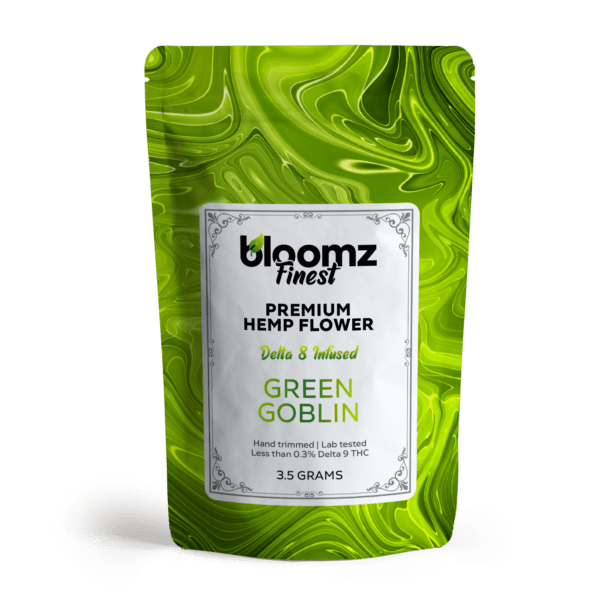
Delta 8 THC Flower
$24.99$39.99 -
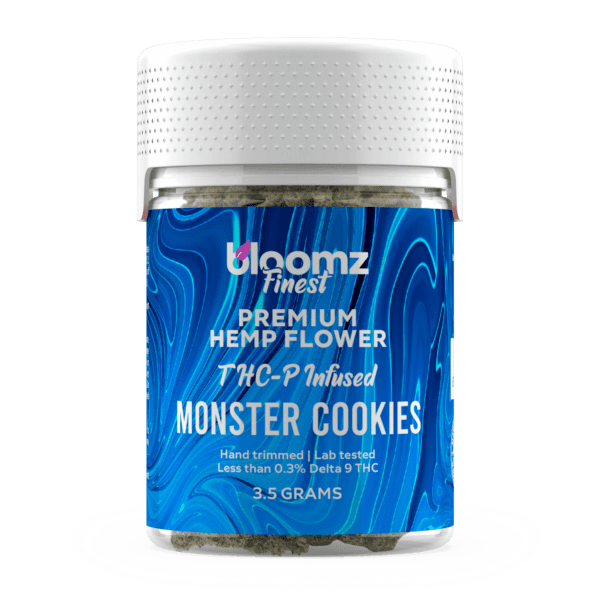
THC-P Flower
$29.99$43.99 -
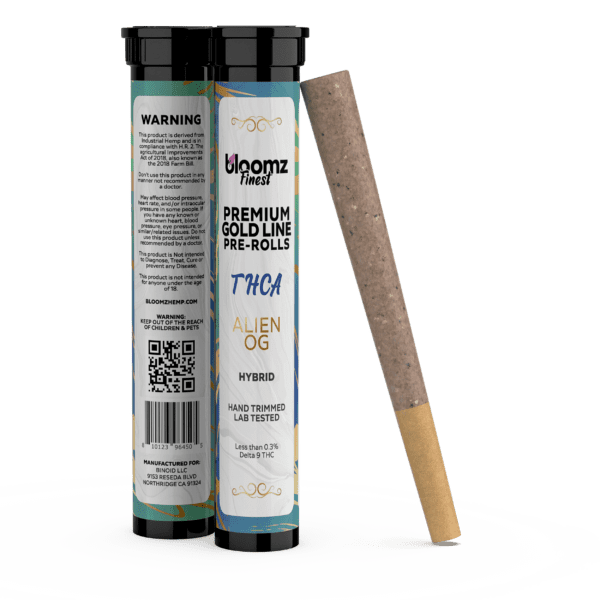
Exotic THCA Pre-Rolls Gold Line – 3-Pack/6 Pack
$36.99$69.99
The Role of Sweeteners in Cannabis Products
Sweeteners serve multiple purposes in cannabis products. First and foremost, they improve taste. Many cannabis concentrates, extracts, or raw plant material can have bitter or earthy notes that some users find off-putting. By adding sweeteners, producers can balance the flavor profile and make the product more enjoyable to consume.
Sweeteners can also play a role in masking the sometimes harsh flavors of cannabinoids. High-THC or THCP products, for example, can have intense, pungent flavors that do not appeal to everyone. By incorporating natural or artificial sweeteners, brands can create a smoother, more palatable experience for their customers.
In addition to taste, sweeteners can influence texture and consistency. In edibles like gummies, chocolates, or baked goods, sweeteners affect chewiness, moisture content, and shelf life. In liquid products such as tinctures or beverages, sweeteners ensure uniform mixing and maintain stability.
Furthermore, sweeteners can be used as carriers for flavor compounds or terpenes. Certain terpene profiles may be intensified or complemented by specific sweeteners, creating unique flavor combinations that enhance the overall sensory experience of the product.
Types of Sweeteners Used in Cannabis
Sweeteners can be classified into two main categories: natural and artificial. Each category has its own advantages, applications, and consumer considerations.
Natural Sweeteners
Natural sweeteners are derived from plant or organic sources and are often preferred by consumers seeking clean, minimally processed ingredients. Some common natural sweeteners used in cannabis products include:
-
Sugar (sucrose): One of the most traditional and widely used sweeteners, sugar provides a clean, straightforward sweetness and is often used in gummies, chocolates, and baked goods.
-
Honey: Honey is a natural sweetener with a rich flavor profile that can complement floral or fruity cannabis strains. It is often used in tinctures, beverages, or artisanal edibles.
-
Agave nectar: Extracted from the agave plant, this syrup is sweeter than sugar and dissolves easily, making it ideal for beverages, syrups, or soft chews.
-
Stevia: Derived from the leaves of the Stevia rebaudiana plant, stevia is a zero-calorie sweetener that is much sweeter than sugar. It is commonly used in low-calorie or keto-friendly cannabis products.
-
Maple syrup: With its distinctive flavor, maple syrup is used in certain artisanal or gourmet cannabis edibles, providing a subtle caramel-like sweetness.
Natural sweeteners are often preferred by health-conscious consumers because they are perceived as less processed and free from synthetic additives. However, they may also add their own flavors that can influence the overall taste of the cannabis product.
Artificial Sweeteners
Artificial sweeteners are chemically synthesized compounds that mimic the taste of sugar. They are typically much sweeter than sugar and used in smaller quantities. Common artificial sweeteners in cannabis products include:
-
Aspartame: Often used in beverages and low-calorie edibles, aspartame provides sweetness without adding calories.
-
Sucralose: A popular sweetener in beverages, syrups, and gummies, sucralose is highly stable under heat, making it suitable for baked goods and processed edibles.
-
Saccharin: One of the oldest artificial sweeteners, saccharin is occasionally used in cannabis-infused beverages or low-calorie formulations.
-
Acesulfame potassium: Often blended with other sweeteners, acesulfame potassium enhances flavor and stability in processed cannabis products.
Artificial sweeteners are useful for products marketed toward consumers looking to reduce calorie intake or manage sugar consumption. However, some users prefer natural alternatives due to concerns over taste, aftertaste, or potential health effects.
Recommended products
-
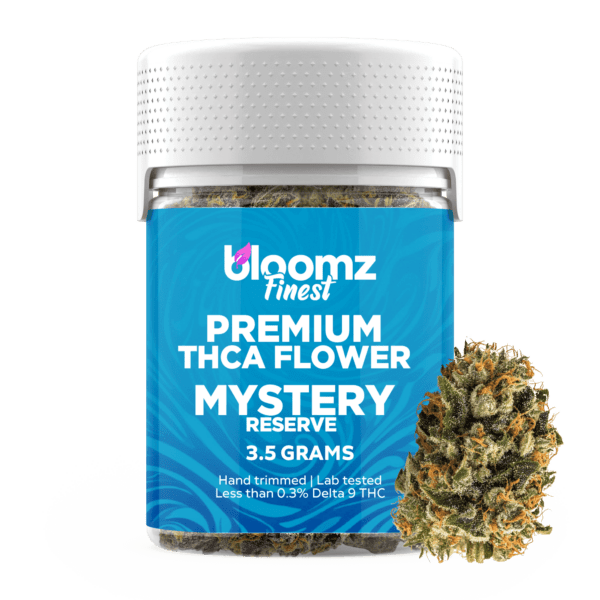
THCA Flower – Mystery Reserve
$41.99$79.99 -
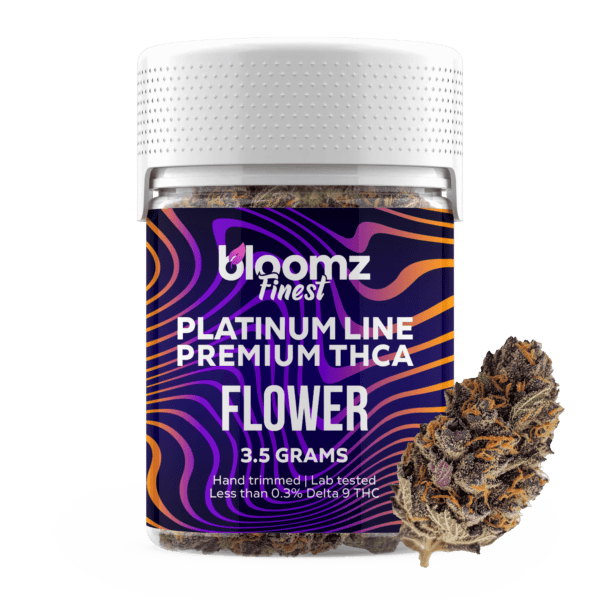
THCA Flower – Platinum Line
$47.99$79.99 -
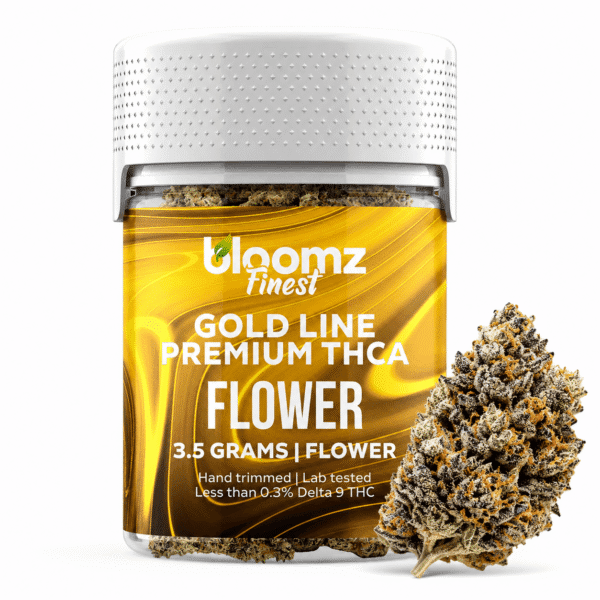
THCA Flower – Exotics – Gold Line
$37.99$89.99 -
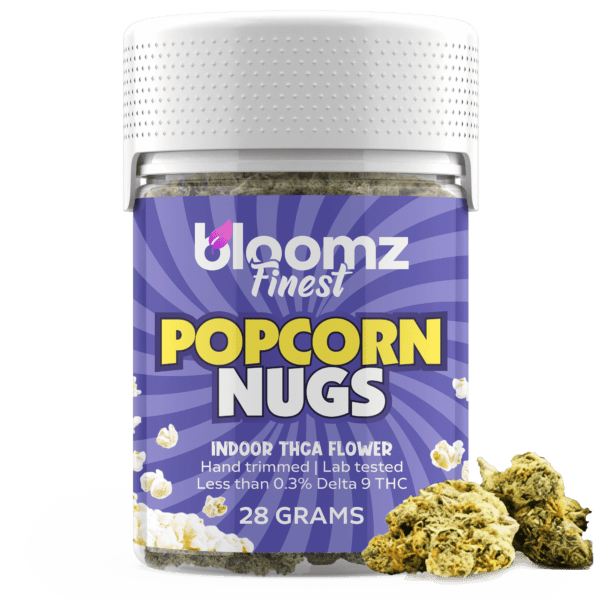
THCA Smalls
$139.99$256.99
How Sweeteners Interact with Cannabis
The interaction between sweeteners and cannabis is multifaceted. Sweeteners do not directly alter the effects of cannabinoids such as THC, CBD, or THCP. Instead, they enhance the overall experience by making consumption more enjoyable and by balancing flavors.
For example, in a high-potency THC gummy, a slightly bitter cannabinoid profile might be masked by fruit-flavored sweeteners, making the edible more palatable. In beverages, sweeteners help create smooth, evenly mixed products that are easier to drink and enjoy.
Sweeteners can also influence the perception of potency. When a product tastes better, consumers may experience enhanced satisfaction and may perceive the effects as more enjoyable or smoother, even though the actual cannabinoid content remains unchanged.
Common Cannabis Products That Use Sweeteners
Sweeteners appear in a wide variety of cannabis products. Some of the most common applications include:
-
Edibles: Gummies, chocolates, hard candies, and baked goods often rely on sweeteners to balance flavors and improve texture.
-
Beverages: Cannabis-infused sodas, teas, and flavored water use sweeteners to create palatable drinks that mask earthy or bitter notes.
-
Tinctures and oils: Liquid cannabis products sometimes include sweeteners like honey, agave, or stevia to improve taste and encourage consistent use.
-
Vape cartridges: While not as common, certain vape oils or disposable vapes may incorporate sweet flavor compounds or sweetening agents to enhance the vaping experience.
-
Topicals and edibles with dual purposes: Some transdermal patches or infused candies include sweeteners to improve oral consumption or surface feel.
Each product type may require different types of sweeteners depending on stability, heat tolerance, and flavor interactions with cannabinoids and terpenes.
Health Considerations and Sweeteners
Consumers should be aware of health considerations when it comes to sweeteners in cannabis products. Natural sweeteners like sugar, honey, or agave add calories, which may be a concern for those monitoring intake. Excessive sugar consumption can contribute to metabolic issues over time.
Artificial sweeteners, while often calorie-free, can sometimes cause digestive discomfort in sensitive individuals or leave a noticeable aftertaste. Additionally, some consumers are concerned about potential long-term health impacts, though research generally shows that artificial sweeteners are safe when used within recommended limits.
For this reason, many cannabis brands offer multiple product lines, including naturally sweetened, artificially sweetened, or even unsweetened options, allowing consumers to choose according to preference and dietary considerations.
Sweeteners and Flavor Pairing
One of the most interesting aspects of sweeteners in cannabis is how they interact with flavor profiles. Certain sweeteners complement specific terpene combinations or strain characteristics.
For example:
-
Fruity terpenes like limonene or myrcene may pair well with agave, sucrose, or fruit-flavored syrups.
-
Herbal or earthy terpenes, found in strains like OG Kush or Sour Diesel, may be balanced by honey or maple syrup.
-
Citrus-forward terpenes are often enhanced by stevia or light, natural sugar syrups in beverages.
These flavor pairings allow brands to create unique and enjoyable products, making sweeteners not just a flavor additive, but a key part of the product experience.
Recommended products
-
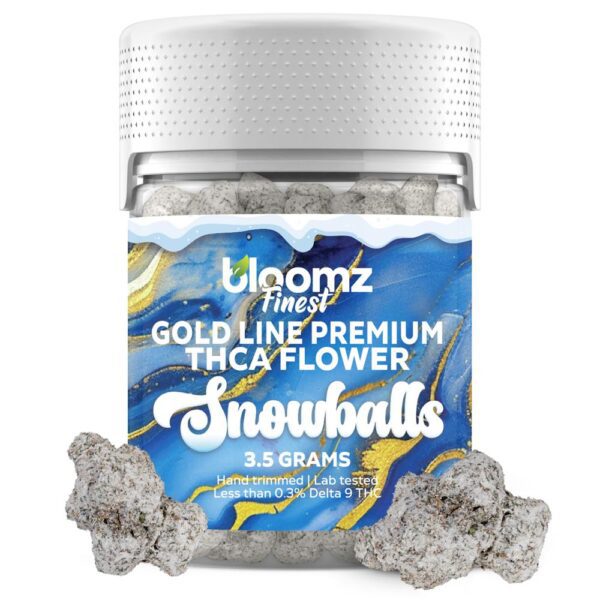
THCA Snowballs – Gold Line
$57.99$89.99 -
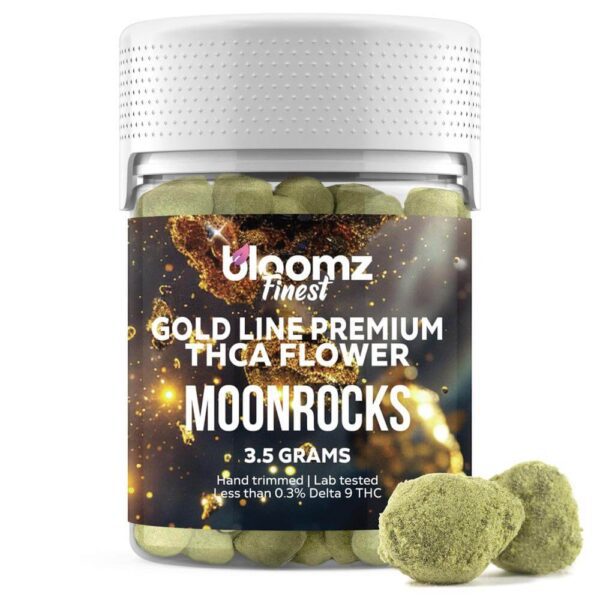
THCA Moonrocks – Gold Line
$57.99$89.99 -
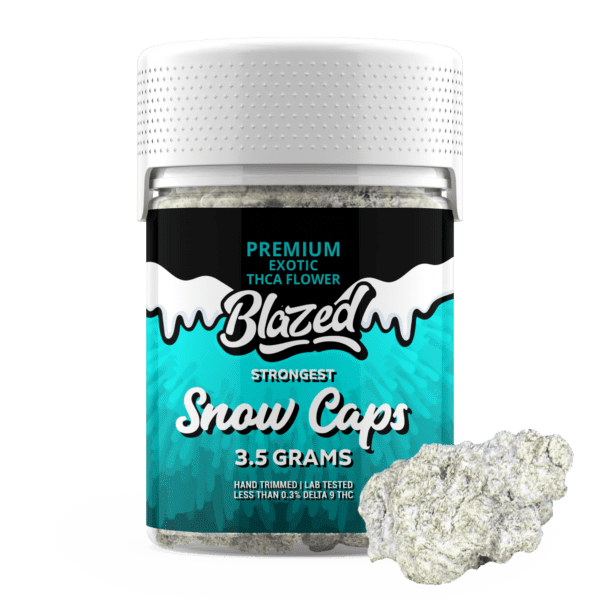
Blazed Strongest Exotic THCA Snow Caps
$58.99$93.99 -
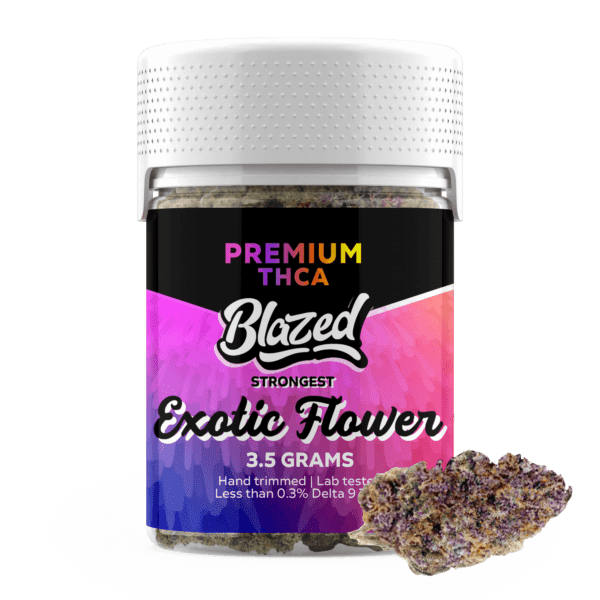
Blazed Exotic THCA Flower
$36.99$79.99
Regulatory and Labeling Considerations
In the legal cannabis market, sweeteners must comply with labeling and safety regulations. Producers are required to disclose ingredients and potential allergens, which includes sweeteners like honey or artificial compounds.
For edible products, nutritional information and caloric content must be clearly presented. This transparency helps consumers make informed choices based on dietary restrictions, preferences, and personal health considerations.
Sweeteners that alter the chemical composition of the product in any way beyond flavoring are generally subject to additional testing or compliance standards, depending on jurisdiction.
Popular Trends in Cannabis Sweeteners
Several trends have emerged in the cannabis industry regarding sweeteners:
-
Natural and organic sweeteners are gaining popularity as consumers seek clean-label products.
-
Low-calorie or zero-calorie sweeteners are increasingly used in beverages and edibles for health-conscious consumers.
-
Innovative flavor pairings, such as botanical extracts combined with natural sweeteners, are being explored to enhance the terpene experience.
-
Cannabis brands are experimenting with dual-purpose sweeteners that add both flavor and functional benefits, like antioxidant properties from honey or agave.
These trends reflect a growing interest in not only cannabinoid content but also the overall flavor, health, and enjoyment of cannabis products.
Choosing Cannabis Products with Sweeteners
For consumers, understanding sweeteners can influence product selection. Those sensitive to sugar or artificial ingredients may opt for products sweetened with stevia or left unsweetened. Others who prioritize flavor and enjoyment may seek products with honey, agave, or sugar-based sweeteners.
Paying attention to the type and quantity of sweetener in a product can also help manage expectations around taste, calorie content, and overall experience. Educated consumers are better equipped to select products that align with both personal preference and lifestyle.
Final Thoughts: What Are Sweeteners?
Sweeteners are a versatile and important component of many cannabis products. From enhancing flavor and masking bitter notes to improving texture and shelf life, they play a crucial role in the overall experience.
Understanding the different types of sweeteners, their health considerations, and their interactions with cannabinoids and terpenes allows consumers to make informed choices. Whether natural or artificial, sweeteners are designed to complement cannabis, making the consumption experience more enjoyable and accessible for a wide range of users.
As the cannabis industry continues to innovate, sweeteners will remain a key factor in product formulation, flavor creation, and consumer satisfaction. Choosing products with thoughtful sweetener use can enhance both the taste and enjoyment of cannabis, making it a truly personalized experience.
TO BUY HEMP FLOWER CLICK HERE
Recommended products
-
Exotic THCA Smalls
$169.99$329.99 -
THCA + THC-P Flower
$47.99$89.99 -
THCA Flower
$27.99$79.99 -
THCA Pre-Rolls – 3-Pack/6-Pack
$30.99$59.99