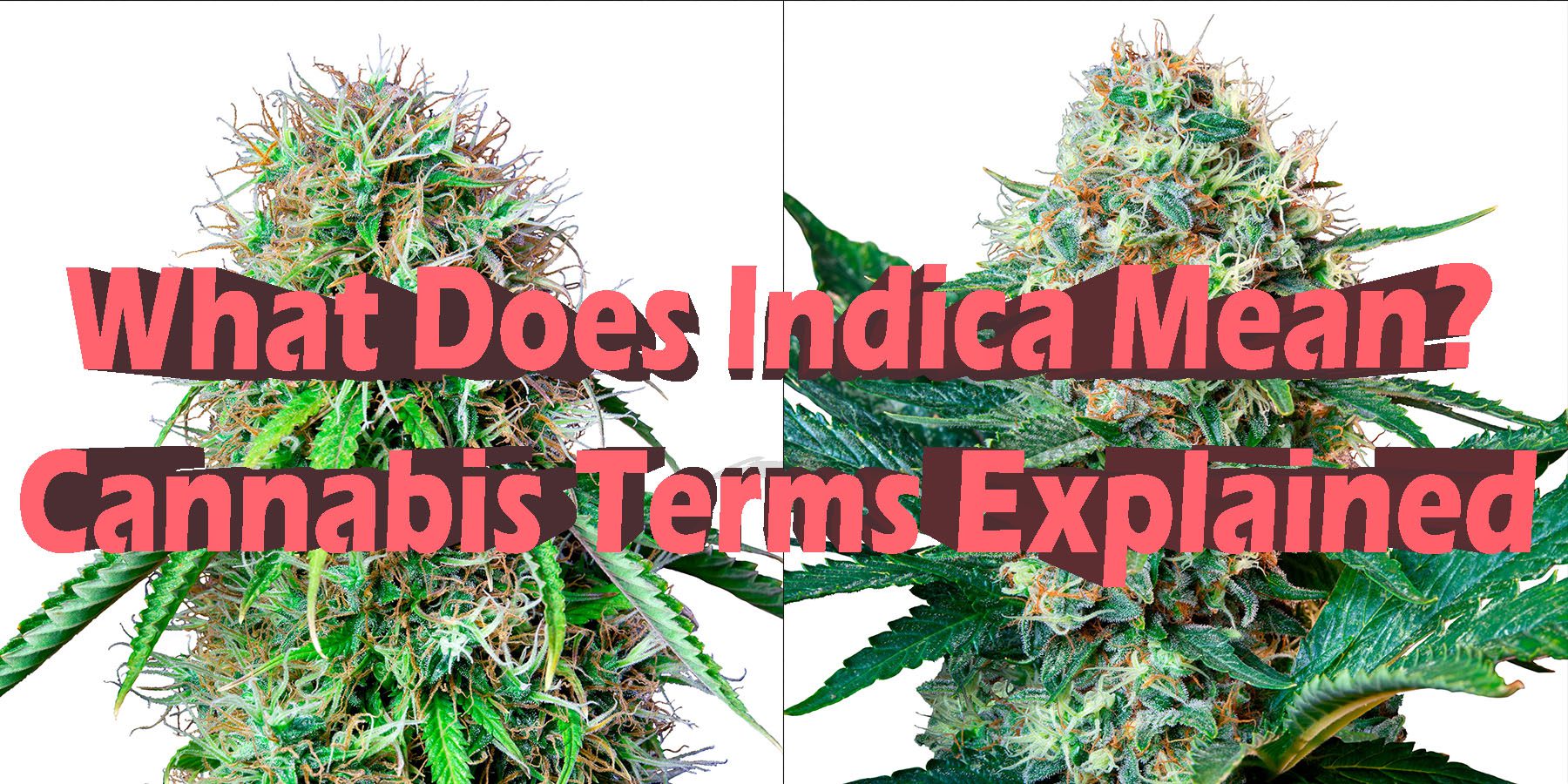
In the world of cannabis, few terms are as common—or as misunderstood—as indica. Whether browsing flower strains, vape cartridges, edibles, or hemp-derived products, consumers regularly encounter labels like indica, sativa, and hybrid. These terms are often paired with simple effect descriptions such as “relaxing,” “uplifting,” or “best for nighttime use.” But what does indica actually mean, and how accurate is the way it’s used today?
Originally rooted in botanical classification, the term indica has evolved into a cultural and consumer-facing descriptor that goes far beyond plant structure. In this cannabis terms explained guide, we’ll explore the origins of indica, how it became associated with certain effects, its role in modern cannabis and hemp-derived products, and why understanding the term requires more nuance than a simple label suggests.
TO BUY HEMP FLOWER CLICK HERE
Recommended products
-
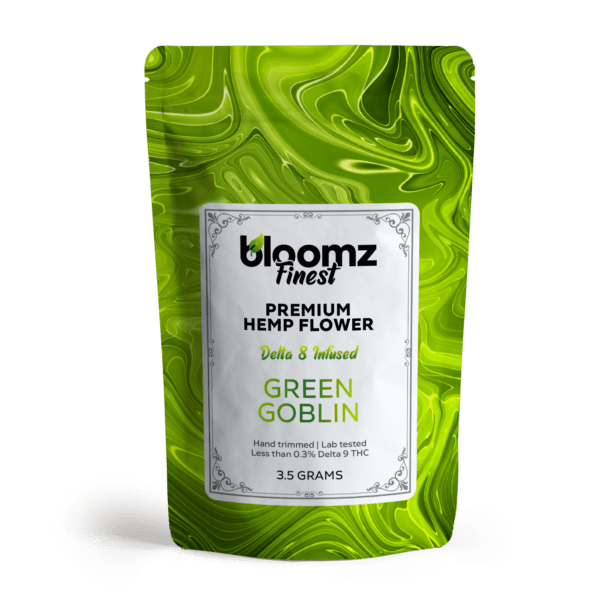
Delta 8 THC Flower
$24.99$39.99 -
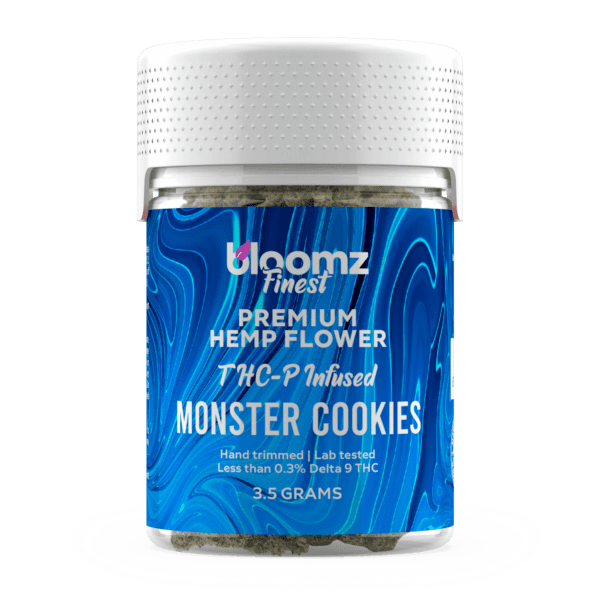
THC-P Flower
$29.99$43.99 -
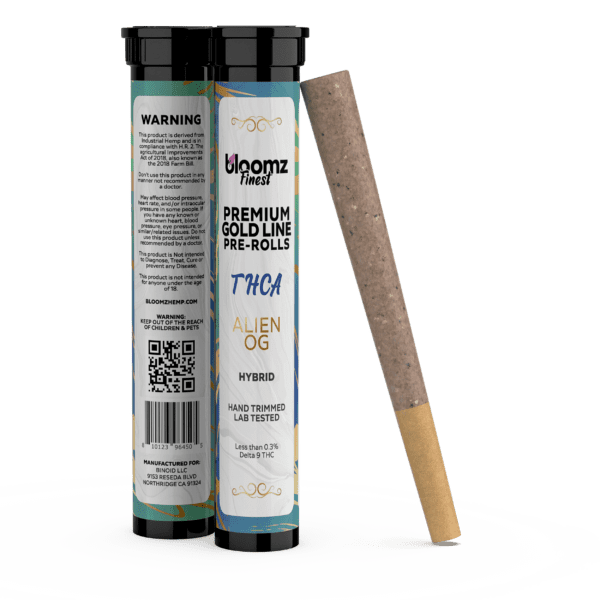
Exotic THCA Pre-Rolls Gold Line – 3-Pack/6 Pack
$36.99$69.99
The Botanical Origins of Indica
The word indica originates from Cannabis indica, a classification proposed in the late 1700s by botanist Jean-Baptiste Lamarck. At the time, cannabis plants from regions such as India, Afghanistan, and Central Asia were observed to differ significantly from the tall, fibrous hemp plants commonly grown in Europe.
These regional plants were shorter, bushier, and produced dense, resin-rich flowers. They were well adapted to harsher mountain climates and had shorter flowering cycles. Because of these distinctions, early scientists categorized them separately from Cannabis sativa, which was primarily cultivated for industrial purposes like rope, textiles, and paper.
Originally, indica was a scientific term meant to describe physical characteristics and geographic origin—not effects.
Cannabis Indica vs. Cannabis Sativa
For much of cannabis history, indica and sativa were used to describe how a plant grew rather than how it made someone feel. Indica plants typically developed compact structures with wide leaves and dense buds, while sativa plants grew taller with narrow leaves and longer flowering periods.
As cannabis spread globally and cultivation techniques evolved, growers and users began noticing patterns in how different plants affected them. Over time, these observations shaped modern interpretations of indica and sativa, shifting the terms from botanical identifiers to experiential shorthand.
How Indica Became Associated With Certain Effects
As recreational and medicinal cannabis use expanded, indica strains developed a reputation for producing calming, relaxing, and physically soothing effects. Sativa strains, on the other hand, were commonly described as energizing or mentally stimulating.
This led to the simplified framework still used today:
-
Indica is associated with relaxation and body-focused effects
-
Sativa is associated with stimulation and mental clarity
While this framework is easy to understand, it is not scientifically precise. The effects of cannabis are influenced by many variables, including cannabinoid content, terpene profiles, dosage, and individual body chemistry.
Commonly Reported Indica Effects
Although experiences vary, indica-labeled products are often associated with sensations such as deep physical relaxation, calmness, and a feeling of heaviness or grounding. Many consumers prefer indica products in the evening or at night when winding down.
These reported effects have shaped how indica strains and products are marketed across the cannabis industry, from flower to concentrates to edibles.
The “Body High” and Indica
One of the most common phrases linked to indica is “body high.” This term is used to describe effects that are felt more physically than mentally, such as muscle relaxation or a sense of physical calm.
Historically, indica plants produced large amounts of resin, which contributed to stronger sensory effects. Today, however, the idea of a body high is better explained by cannabinoid and terpene interactions rather than plant classification alone.
Recommended products
-
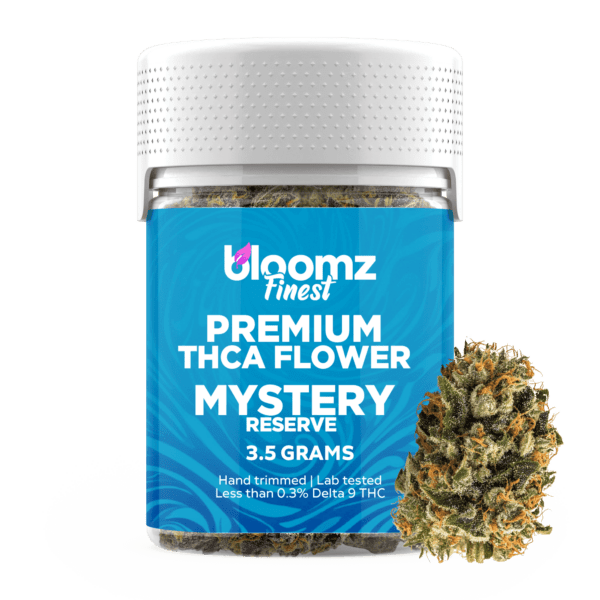
THCA Flower – Mystery Reserve
$41.99$79.99 -
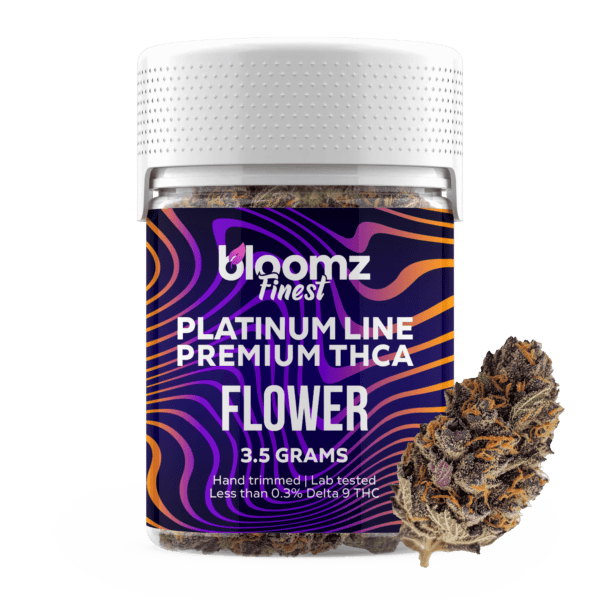
THCA Flower – Platinum Line
$47.99$79.99 -
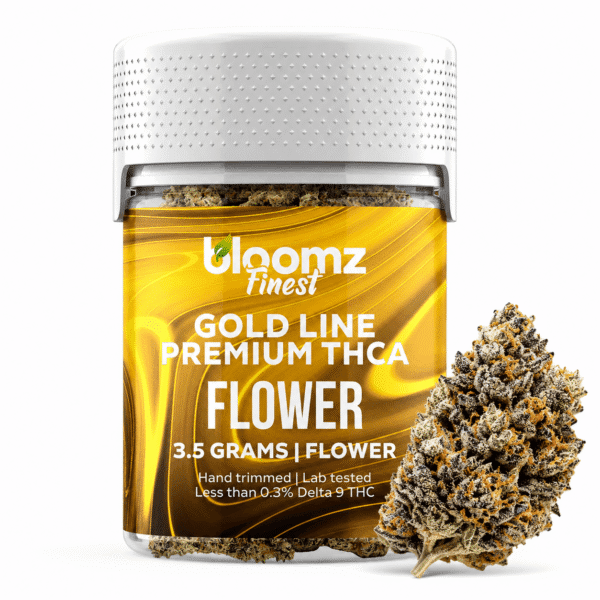
THCA Flower – Exotics – Gold Line
$37.99$89.99 -
THCA Smalls
$139.99$256.99
The Role of Terpenes in Indica Effects
Modern cannabis science points to terpenes as a major driver of the effects commonly associated with indica. Terpenes are aromatic compounds found in cannabis and many other plants, and they work alongside cannabinoids in what’s known as the entourage effect.
Terpenes frequently linked to indica-labeled strains include myrcene, which has earthy aromas and calming qualities; linalool, known for floral notes and relaxing properties; and caryophyllene, which has a spicy scent and interacts with cannabinoid receptors.
These compounds help shape how a strain feels far more than whether it is technically classified as indica or sativa.
Indica and Cannabinoid Profiles
A common misconception is that indica automatically means high THC or stronger effects. In reality, indica-labeled strains can vary widely in cannabinoid content. Some may be THC-dominant, others balanced, and some even CBD-forward.
Potency depends on genetics, cultivation methods, and processing—not on whether a strain is labeled indica.
Indica in Hemp-Derived Cannabinoids (THCA, Delta Variants)
As the cannabis and hemp industries continue to expand, the term indica has moved beyond traditional marijuana flower and into the rapidly growing world of hemp-derived cannabinoids. Products containing THCA, Delta-8 THC, hemp-derived Delta-9 THC, Delta-10, and other THC variants are now commonly labeled as indica, sativa, or hybrid—even though they may not come from federally regulated marijuana plants.
In this space, indica functions primarily as an experience-based label rather than a genetic one. Hemp-derived indica products are typically formulated to mimic the calming, body-focused effects traditionally associated with indica cannabis strains.
THCA and Indica Labeling
THCA is the non-psychoactive precursor to THC found in raw cannabis. When heated, it converts into THC through decarboxylation. Hemp-derived THCA products often use highly refined extracts paired with strain-inspired terpene blends to recreate familiar indica-style experiences.
When a THCA product is labeled as indica, that designation almost always comes from its terpene profile rather than the THCA itself. Terpenes commonly associated with indica strains are added to influence aroma, flavor, and effects once the compound is activated.
Delta Variants and Indica Effects
Delta-8 THC and hemp-derived Delta-9 THC are also frequently sold under indica labels. Delta-8, in particular, is often associated with milder and more relaxing effects, making it a popular choice for indica-style formulations.
In these products, indica labeling is used to suggest a calmer, less stimulating experience, often marketed for evening or nighttime use. As with all cannabinoids, individual experiences vary based on dosage, tolerance, and formulation.
Indica as a Guide, Not a Guarantee
In the hemp-derived market, indica should be viewed as a helpful guide rather than a strict promise. Two products labeled indica may feel very different depending on their terpene composition and cannabinoid ratios. Educated consumers are encouraged to review lab results and terpene breakdowns alongside strain labels.
Recommended products
-
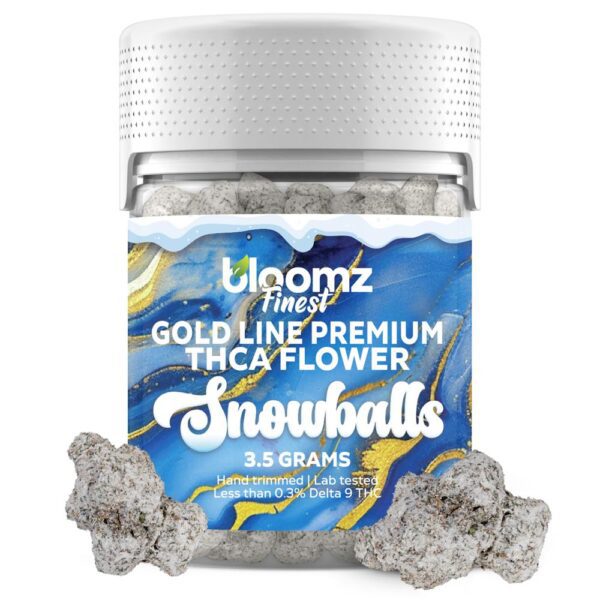
THCA Snowballs – Gold Line
$57.99$89.99 -
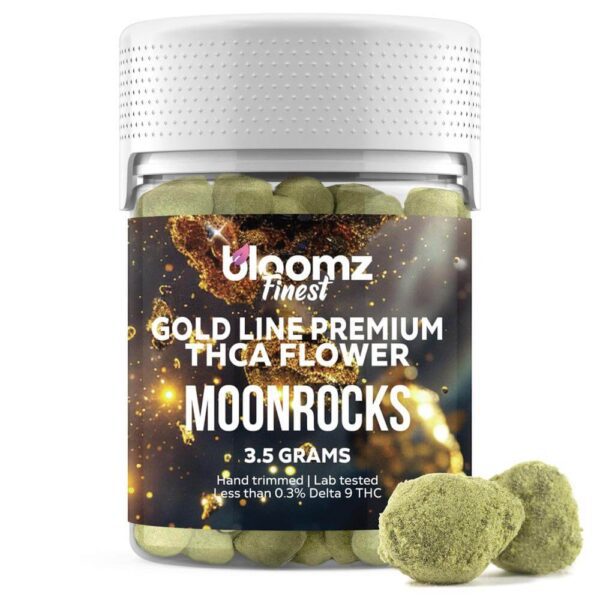
THCA Moonrocks – Gold Line
$57.99$89.99 -
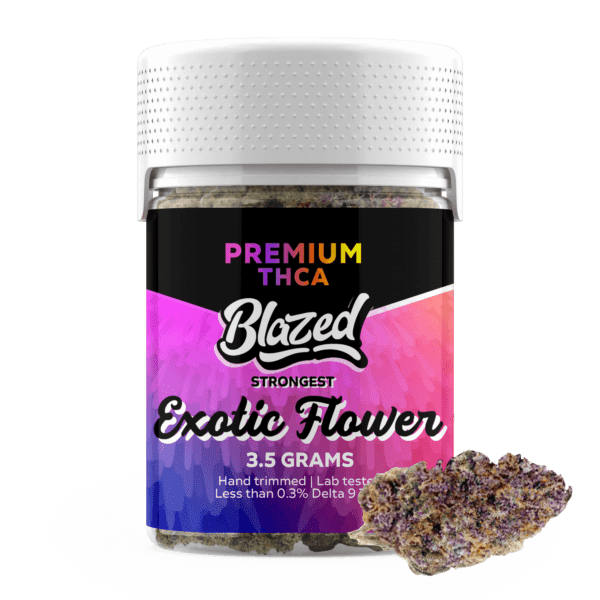
Blazed Exotic THCA Flower
$36.99$79.99 -
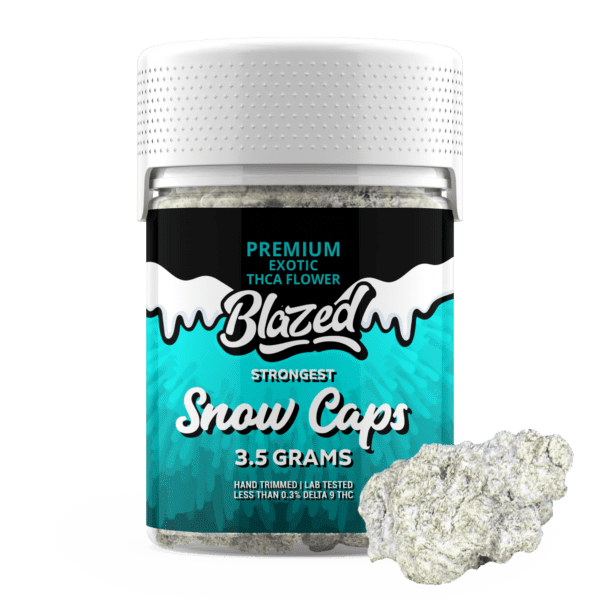
Blazed Strongest Exotic THCA Snow Caps
$58.99$93.99
Indica in Modern Cannabis Breeding
Today, very few cannabis strains are purely indica or purely sativa. Decades of crossbreeding have resulted in a market dominated by hybrids. Despite this, indica remains a useful descriptor, especially when paired with terms like “indica-dominant.”
Breeders continue to use indica genetics for traits such as compact growth, dense buds, and faster flowering times.
Growth Characteristics of Indica Plants
Indica plants are traditionally valued for their manageable size and resilience. Common growth traits include bushy structures, thick stems, dense flowers, and shorter internodal spacing. These characteristics made indica genetics especially popular as indoor cultivation became widespread.
Indica in Cannabis Products
Indica is now used across nearly every cannabis product category, including flower, vape cartridges, disposables, edibles, tinctures, and concentrates. In these formats, indica usually signals the intended effect rather than the plant’s actual genetics.
Flavor profiles, terpene blends, and formulation choices all influence how products are categorized.
Indica vs. Hybrid: A Blurred Line
Many products labeled as indica are technically hybrids with indica-leaning characteristics. For consumers, paying attention to terpene profiles and cannabinoid content is often more informative than relying on labels alone.
Is Indica Still a Scientific Term?
In academic settings, the distinction between indica and sativa is debated due to extensive hybridization. However, in consumer-facing cannabis culture, indica remains a widely understood and practical term.
Common Misconceptions About Indica
Some of the most persistent myths about indica include the idea that it always causes sleepiness, that it is inherently stronger than sativa, or that it affects everyone the same way. In reality, cannabis effects are highly individualized.
Indica and Responsible Use
Because indica-labeled products are often associated with relaxation, consumers sometimes underestimate their potency. Understanding dosage and product formulation is especially important with edibles and concentrates.
Final Thoughts: What Does Indica Mean?
Indica is a cannabis term with deep botanical roots that has evolved into a modern shorthand for certain types of experiences. While it no longer functions as a strict scientific classification, it remains a valuable part of cannabis language.
In today’s cannabis terms explained landscape, indica is best understood as a contextual guide—one that works most effectively when combined with knowledge of terpenes, cannabinoids, and personal preference. As cannabis education continues to grow, so will the understanding of what indica truly represents and how to use the term responsibly and accurately.
TO BUY HEMP FLOWER CLICK HERE
Recommended products
-
Exotic THCA Smalls
$169.99$329.99 -
THCA + THC-P Flower
$47.99$89.99 -
THCA Flower
$27.99$79.99 -
THCA Pre-Rolls – 3-Pack/6-Pack
$30.99$59.99