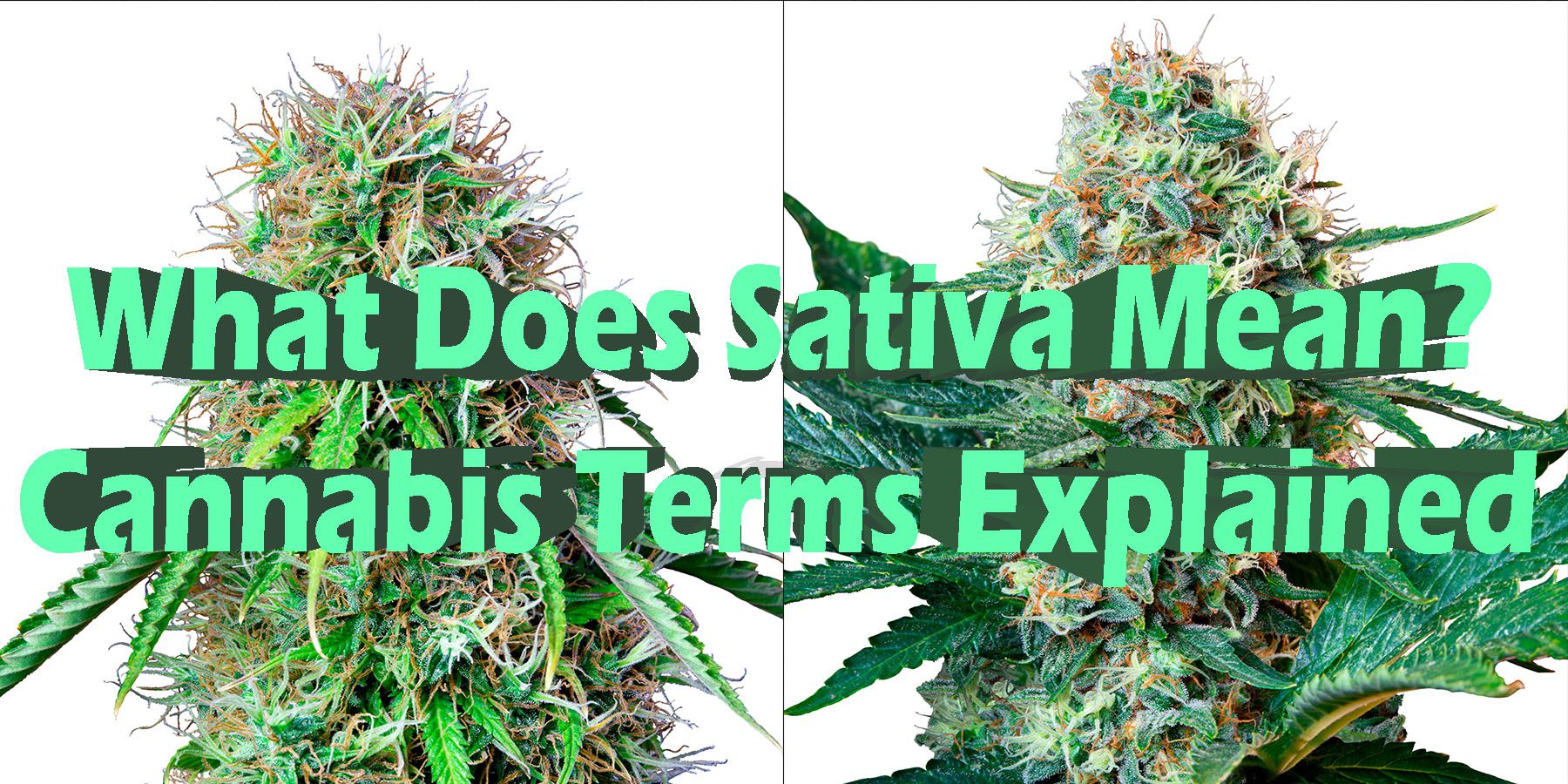
The word sativa is one of the most recognizable terms in cannabis culture, yet it is also one of the most misunderstood. Consumers often associate sativa with uplifting energy, creativity, and daytime use, while growers recognize it as a tall, narrow-leaf cannabis plant with a long flowering cycle. These two interpretations—effects and botany—are related, but they are not the same thing.
To truly understand what sativa means, it’s important to look beyond surface-level descriptions and explore the history, science, cultivation traits, chemical composition, and modern use of the term. In this cannabis terms explained guide, we’ll take an in-depth look at what sativa really is, how the definition has evolved over time, and how consumers should interpret sativa labels in today’s cannabis and hemp-derived markets.
TO BUY HEMP FLOWER CLICK HERE
Recommended products
-
Delta 8 THC Flower
$24.99$39.99 -
THC-P Flower
$29.99$43.99 -
Exotic THCA Pre-Rolls Gold Line – 3-Pack/6 Pack
$36.99$69.99

The Botanical Origin of the Term Sativa
The term Cannabis sativa was first introduced in 1753 by Swedish botanist Carl Linnaeus. Linnaeus used the word “sativa,” meaning “cultivated,” to describe cannabis plants grown in Europe for industrial purposes such as fiber, rope, textiles, and seeds. These plants were tall, fibrous, and low in psychoactive compounds by modern standards.
At the time, cannabis was considered a single species. The classification of sativa had nothing to do with mental stimulation, energy, or mood. It was strictly a botanical term used to describe the physical structure and agricultural purpose of the plant.
Only later did the term begin to take on additional meanings as cannabis cultivation expanded into new regions and psychoactive use became more widespread.
Geographic Roots of Sativa Cannabis
Sativa plants are believed to have originated near the equator, in regions such as Southeast Asia, Central America, parts of Africa, and South America. These environments provided long growing seasons, consistent sunlight, and warm temperatures, which shaped how sativa plants evolved.
Because they did not need to flower quickly to survive harsh winters, sativa plants developed longer flowering cycles and grew taller to compete for sunlight. These environmental pressures are a major reason sativa plants look and grow the way they do today.
Physical Characteristics of Sativa Plants
From a cultivation standpoint, sativa plants have distinct physical traits that set them apart from indica varieties.
Sativa plants typically grow tall and slender, sometimes reaching heights well over ten feet when grown outdoors. Their leaves are narrow and elongated, with thin fingers compared to the broad leaves seen on indica plants. Internodal spacing is wider, giving the plant an airy, open structure.
Sativas also have longer flowering times, often requiring ten to fourteen weeks to fully mature. This extended cycle allows for the development of complex terpene profiles but can be challenging for indoor growers with limited space or time.
Why Sativa Plants Grow the Way They Do
The structure of sativa plants is directly tied to their native environments. Near the equator, the sun stays high in the sky for much of the year. Taller plants with upward growth had a competitive advantage, allowing them to capture more light.
Narrow leaves also help regulate heat and moisture in warm, humid climates. These adaptations made sativa plants highly successful in tropical regions but less suited for cold or short growing seasons.
How Sativa Became Associated With Energizing Effects
The connection between sativa and energizing effects developed much later than the botanical classification. As cannabis spread globally, users began noticing that plants from equatorial regions often produced effects that felt more stimulating and cerebral compared to the heavier body sensations produced by cannabis from mountainous regions.
Over time, these observations became part of cannabis folklore and eventually cannabis marketing. Sativa began to mean “uplifting” or “energizing,” even though this was not part of the original definition.
This shift marked a turning point where sativa evolved from a scientific term into a consumer-facing category.
Common Effects Associated With Sativa Cannabis
In modern cannabis culture, sativa is commonly associated with effects such as mental stimulation, alertness, creativity, and mood elevation. Many consumers describe sativa experiences as head-focused rather than body-heavy.
People often choose sativa-labeled products for daytime use, social activities, creative projects, or situations where they want to remain engaged and active. These perceived effects have made sativa popular among users seeking functional or motivating cannabis experiences.
However, it’s important to understand that these effects are not universal and do not apply equally to all sativa-labeled products.
Recommended products
-
THCA Flower – Platinum Line
$47.99$79.99 -
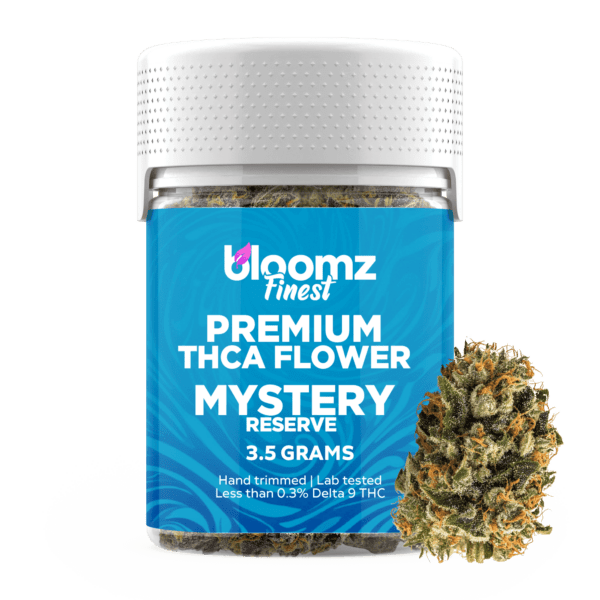
THCA Flower – Mystery Reserve
$41.99$79.99 -
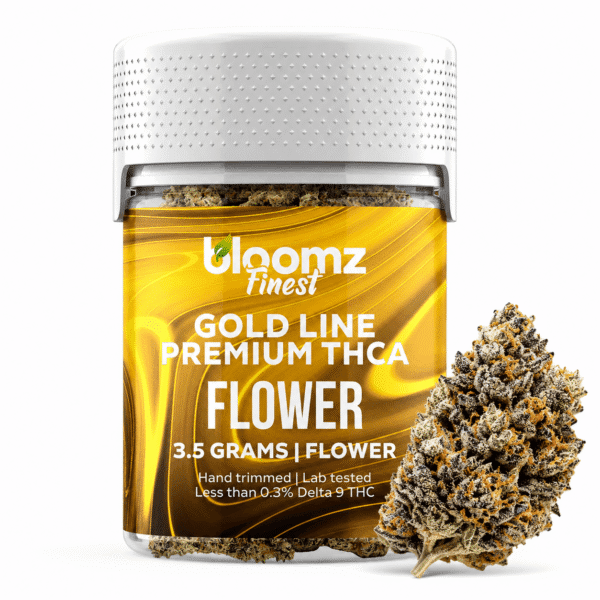
THCA Flower – Exotics – Gold Line
$37.99$89.99 -
THCA Smalls
$139.99$256.99
The Role of Terpenes in Sativa Effects
Modern cannabis science has revealed that the effects commonly attributed to sativa are more closely linked to terpene profiles than to sativa genetics alone.
Terpenes are aromatic compounds found in cannabis that influence flavor, aroma, and effects. Certain terpenes are frequently found in products labeled as sativa and are associated with energizing or uplifting sensations.
Terpenes such as limonene are often linked to improved mood and mental clarity. Pinene is associated with alertness and focus, while terpinolene is commonly found in stimulating, energetic cannabis varieties.
When these terpenes appear together in higher concentrations, the resulting experience often aligns with what consumers expect from sativa, regardless of the plant’s actual lineage.
Cannabinoids and Sativa Experiences
While THC is the primary psychoactive compound in cannabis, it does not act alone. Minor cannabinoids and the ratio between them can influence how stimulating or calming a product feels.
Sativa-labeled products are not necessarily higher in THC, nor are they inherently more potent. A high-THC indica can feel more stimulating than a low-THC sativa, depending on terpene composition and dosage.
This is why modern cannabis education encourages consumers to look beyond strain labels and examine full lab results whenever possible.
Sativa vs. Indica: The Traditional Comparison
Traditionally, sativa and indica have been presented as opposites. Sativa is described as energizing and cerebral, while indica is described as relaxing and body-focused. While this framework is useful for beginners, it oversimplifies a much more complex reality.
In truth, cannabis effects exist on a spectrum. Many sativa strains can feel calming at higher doses, while some indica strains can feel mentally stimulating in smaller amounts.
The indica vs. sativa comparison should be viewed as a general guideline rather than a strict rule.
The Rise of Hybrid Cannabis Strains
Pure sativa strains are increasingly rare in the modern cannabis market. Decades of selective breeding have resulted in a dominance of hybrid strains that combine sativa and indica genetics.
Hybrids allow growers to balance plant height, flowering time, yield, and terpene expression. From a consumer perspective, hybrids offer more nuanced and customizable experiences.
As a result, many products are now labeled as sativa-dominant rather than pure sativa, indicating that the effects lean toward stimulation without being exclusively energizing.
How Sativa Is Used in Cannabis Marketing Today
In today’s cannabis market, sativa is often used as a functional descriptor rather than a scientific classification. When a product is labeled sativa, it usually signals that the intended experience is uplifting, energizing, or mentally engaging.
This is especially true in the hemp-derived cannabinoid market, where cannabinoids like Delta-8, Delta-9, or THCA are infused with terpene blends designed to mimic traditional sativa effects.
In these cases, sativa refers to the expected outcome, not the plant’s genetics.
Sativa in Different Cannabis Products
Sativa-labeled cannabis can be found across nearly every product category. In flower, the label may reflect both plant structure and effects, though terpene variation still plays a major role.
In vape cartridges and concentrates, sativa often refers to terpene formulation rather than strain lineage. Edibles use the sativa label even more loosely, as digestion changes how cannabinoids affect the body.
Understanding these differences helps consumers set realistic expectations.
Dosage and Individual Response to Sativa
Not everyone experiences sativa the same way. Individual tolerance, body chemistry, mindset, and environment all influence how cannabis feels.
Some people find sativa uplifting and motivating, while others may feel anxious or overstimulated, especially at higher doses. This variability reinforces the importance of starting with small amounts and adjusting gradually.
The idea that sativa is always energizing is a myth that ignores personal differences.
Recommended products
-
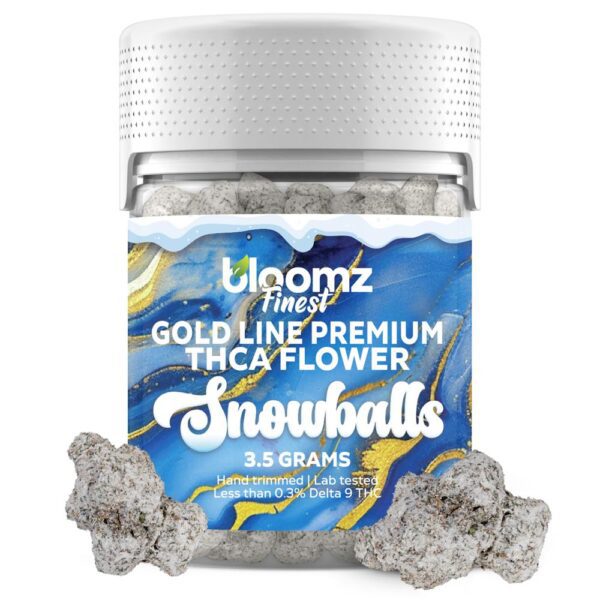
THCA Snowballs – Gold Line
$57.99$89.99 -
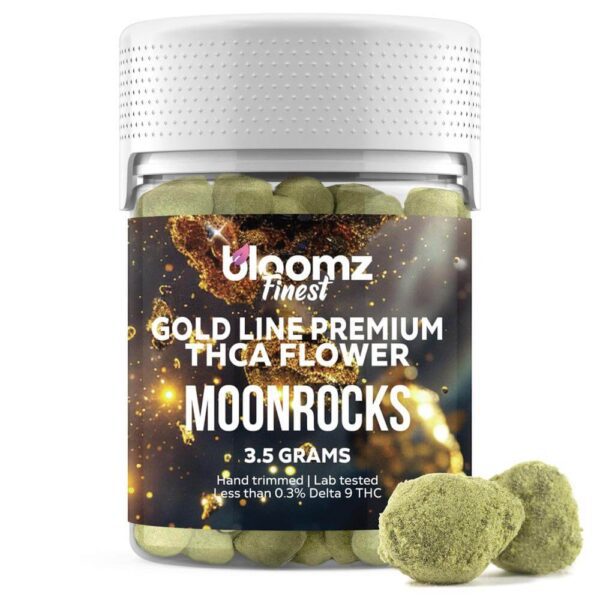
THCA Moonrocks – Gold Line
$57.99$89.99 -
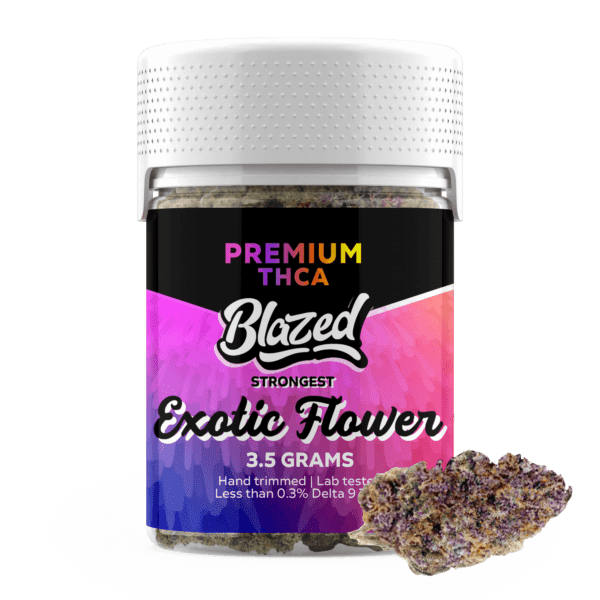
Blazed Exotic THCA Flower
$36.99$79.99 -
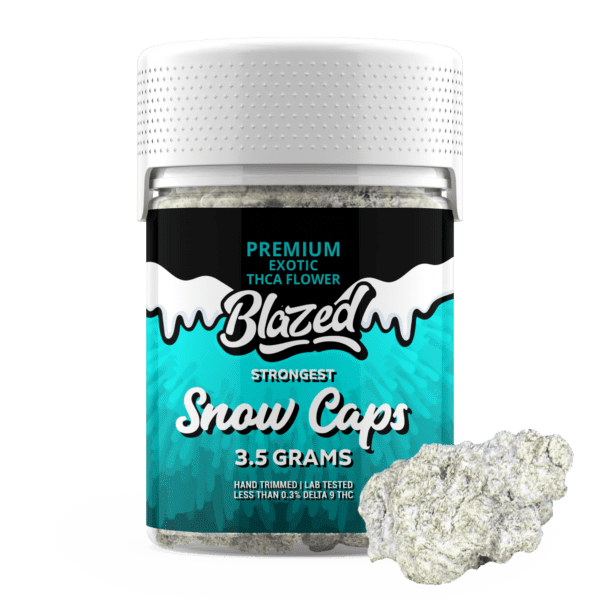
Blazed Strongest Exotic THCA Snow Caps
$58.99$93.99
Common Misconceptions About Sativa
One common misconception is that sativa strains are always stronger than indica strains. In reality, potency varies widely within both categories.
Another myth is that sativa cannot be relaxing. In moderate doses, many sativa strains produce balanced effects that include physical calm alongside mental clarity.
Finally, some believe sativa is better for beginners, but this depends entirely on terpene content and dosage.
The Scientific Debate Around Sativa Classification
Some modern researchers argue that the indica vs. sativa framework is outdated and scientifically inaccurate. Genetic testing has shown that many strains labeled sativa share little genetic similarity.
As a result, some experts advocate for chemovar-based classification, which focuses on cannabinoid and terpene composition rather than plant ancestry.
Despite this, sativa remains deeply embedded in cannabis culture and is unlikely to disappear anytime soon.
How Consumers Should Use the Term Sativa Today
The best way to use the term sativa is as a starting point, not a final decision-maker. It can help narrow options, but it should be paired with terpene knowledge, cannabinoid content, and personal experience.
Consumers who take the time to understand how different terpene profiles affect them often have more consistent and satisfying cannabis experiences than those who rely solely on strain labels.
The Future of Sativa in Cannabis Education
As cannabis education continues to evolve, the definition of sativa is likely to shift further toward chemistry-based descriptions. Terpene-forward labeling, lab transparency, and personalized recommendations are becoming more common.
Still, sativa remains a valuable term for introducing people to cannabis effects and guiding initial choices.
Final Thoughts: What Sativa Really Means
Sativa is more than just a buzzword—it’s a term with deep botanical roots and evolving cultural meaning. Originally used to describe tall, cultivated cannabis plants, it has transformed into a shorthand for uplifting, energizing experiences.
Understanding what sativa means—and what it does not mean—empowers consumers to navigate cannabis more confidently. In the world of cannabis terms explained, sativa serves as a guidepost rather than a guarantee, pointing toward certain experiences while leaving room for individual variation.
As cannabis science advances, the most informed consumers will continue to look beyond labels and focus on what truly matters: how a product makes them feel.
TO BUY HEMP FLOWER CLICK HERE
Recommended products
-
Exotic THCA Smalls
$169.99$329.99 -
THCA + THC-P Flower
$47.99$89.99 -
THCA Flower
$27.99$79.99 -
THCA Pre-Rolls – 3-Pack/6-Pack
$30.99$59.99