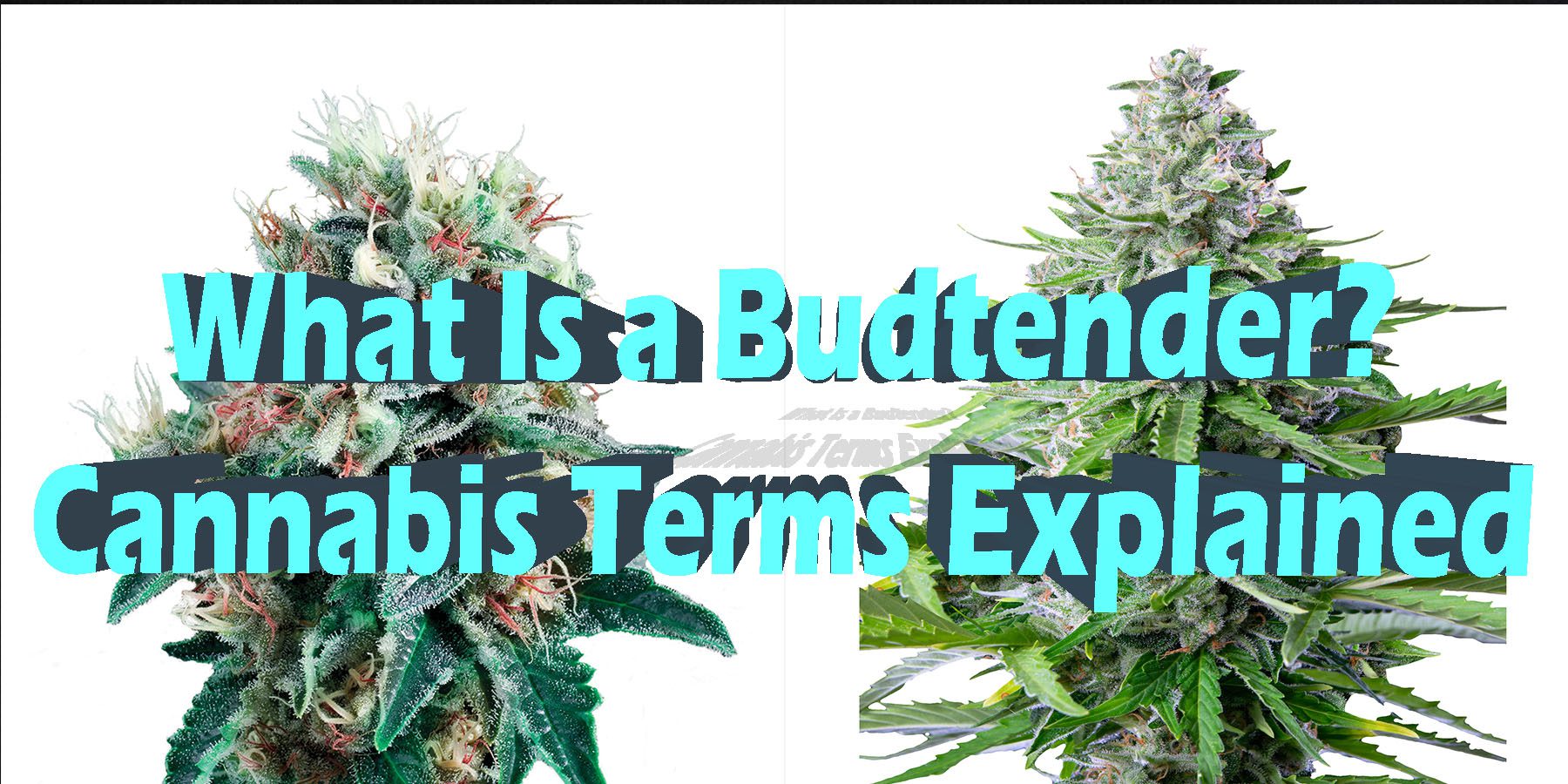
If you’ve ever walked into a dispensary—whether you were excited, nervous, curious, or totally overwhelmed—there’s a good chance the first person you interacted with was a budtender. They’re the face of the dispensary experience, the guide behind the counter, and often the reason your visit feels smooth and welcoming instead of confusing and intimidating. In a legal cannabis market where products can range from classic flower to live rosin, THCA diamonds, infused pre-rolls, vapes, tinctures, edibles, and topicals, having someone knowledgeable to talk to makes a huge difference.
But what exactly is a budtender? Is it just a fancy word for cashier? Are budtenders trained? Do they have to know everything about cannabis? And why do some budtenders seem like walking encyclopedias while others feel more like retail employees? The role of the budtender is one of the most important parts of the cannabis industry, and it’s also one of the most misunderstood. In this article, we’ll break down what a budtender is, what they do, why they matter, and how to get the best experience when working with one.
TO BUY HEMP FLOWER CLICK HERE
Recommended products
-
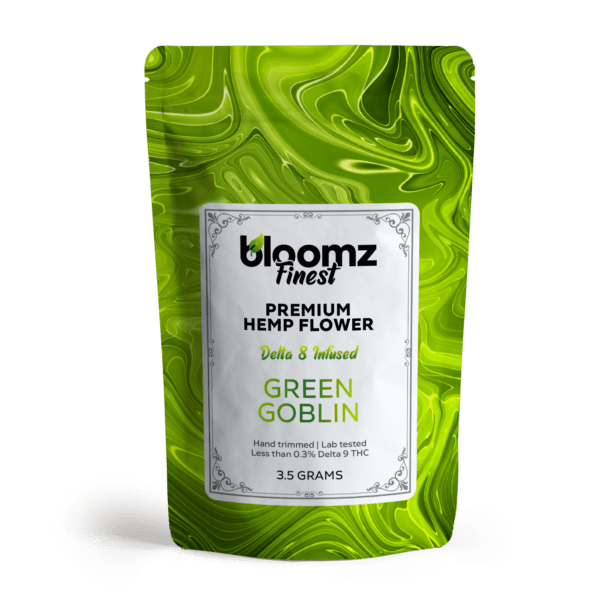
Delta 8 THC Flower
$24.99$39.99 -
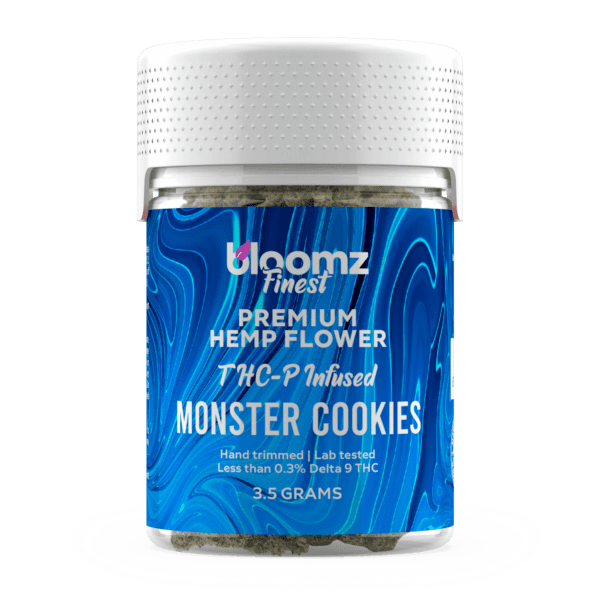
THC-P Flower
$29.99$43.99 -
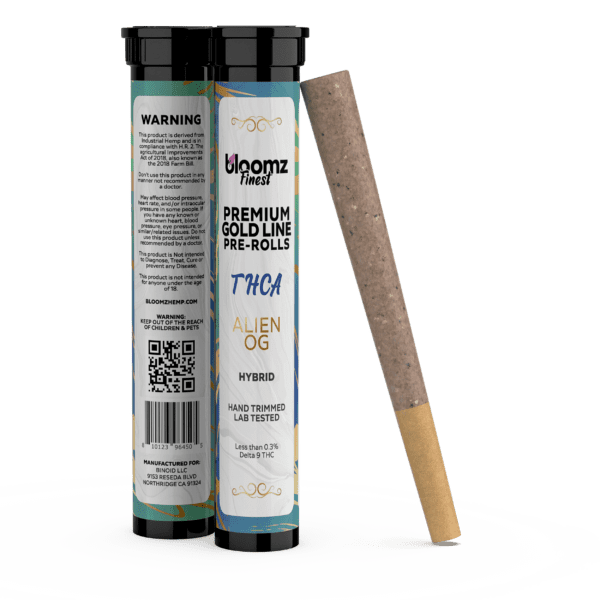
Exotic THCA Pre-Rolls Gold Line – 3-Pack/6 Pack
$36.99$69.99
What Does “Budtender” Mean?
A budtender is a dispensary employee who helps customers choose cannabis products. Think of them as a mix between a retail associate, a cannabis educator, and a personal guide. The term “budtender” is a play on the word bartender. Just like a bartender helps you choose drinks, explains options, and makes recommendations based on your taste and tolerance, a budtender helps you choose cannabis products based on your preferences, experience level, desired effects, and budget.
The word budtender originally came from the early days of medical cannabis dispensaries. Back then, cannabis retail wasn’t as polished as it is now. Products were simpler, menus were smaller, and the dispensary experience was often more personal. Budtenders were the people who helped patients navigate strains and understand how cannabis might help them. As legalization expanded and recreational markets exploded, the budtender role grew into a full profession.
What Does a Budtender Do?
At the most basic level, budtenders sell cannabis products to customers. But the job is much more than ringing up an order. A good budtender helps you understand what you’re buying, how to use it responsibly, and how to choose products that match your goals. Their job includes answering questions, explaining differences between products, recommending strains, helping customers compare potency, and making sure every purchase follows state regulations.
Budtenders also handle the flow of dispensary operations. They check IDs, verify purchase limits, manage inventory, label products correctly, and often package orders. In many dispensaries, budtenders are also responsible for keeping display cases clean, organizing product storage, and ensuring compliance rules are followed. Depending on the dispensary, they might even help with online orders, curbside pickup, and delivery preparation.
In other words, budtenders are part cannabis educator and part compliance-focused retail worker, operating in one of the most regulated industries in the country.
Budtender vs Cashier: What’s the Difference?
This is a big one, because not every dispensary runs the same way. In some dispensaries, budtenders function very similarly to cashiers. Customers come in, already know what they want, and the budtender simply grabs the product, rings it up, and completes the sale.
In other dispensaries, budtenders act more like consultants. Customers rely on them heavily for guidance, especially if they’re new to cannabis or trying something unfamiliar. In these environments, the budtender experience is much more interactive. You’ll often see customers asking questions like, “What’s good for sleep?” or “What’s the best strain for anxiety?” or “What’s the difference between live resin and rosin?”
The best budtenders are able to do both. They can efficiently process an order for an experienced customer while also providing patient, detailed recommendations for someone who’s brand new.
Why Budtenders Are So Important
Budtenders are important because cannabis isn’t like buying snacks or soda. It’s a psychoactive product (in most cases), and the experience can vary wildly depending on the strain, potency, terpene profile, and delivery method. For many people, especially beginners, the cannabis world can feel overwhelming.
A good budtender can make cannabis feel approachable. They can help prevent common mistakes like buying an edible that’s too strong, choosing a strain that doesn’t match your vibe, or mixing products without understanding the effects. They also help customers feel comfortable, especially in a space that can feel intimidating if you’ve never been inside a dispensary before.
Budtenders also help normalize responsible cannabis use. They can explain dosing, tolerance, onset times, and how to use products safely. In that way, budtenders aren’t just salespeople—they’re harm reduction workers in a retail environment.
What a Budtender Should Know
Budtenders don’t need to know everything about cannabis to be helpful, but the best ones usually have a strong foundation in the basics. A good budtender typically understands cannabis flower types, including the difference between indica-leaning, sativa-leaning, and hybrid strains. They should be able to explain cannabinoids like THC, CBD, CBG, and CBN in simple terms. They should also understand terpenes, how they affect flavor and aroma, and why they matter beyond just smell.
Budtenders should also know the differences between product categories. That includes flower, pre-rolls, concentrates, vapes, edibles, tinctures, beverages, capsules, and topicals. They should understand how each method of consumption feels, how long it takes to kick in, and how long it lasts.
Even more importantly, budtenders should know how to communicate all of that in a way that doesn’t overwhelm customers. The best budtenders can explain complicated concepts simply, without making people feel dumb.
Recommended products
-
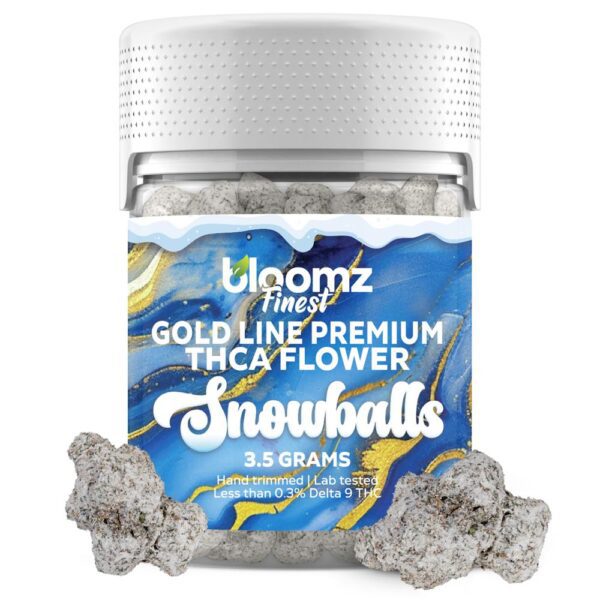
THCA Snowballs – Gold Line
$57.99$89.99 -
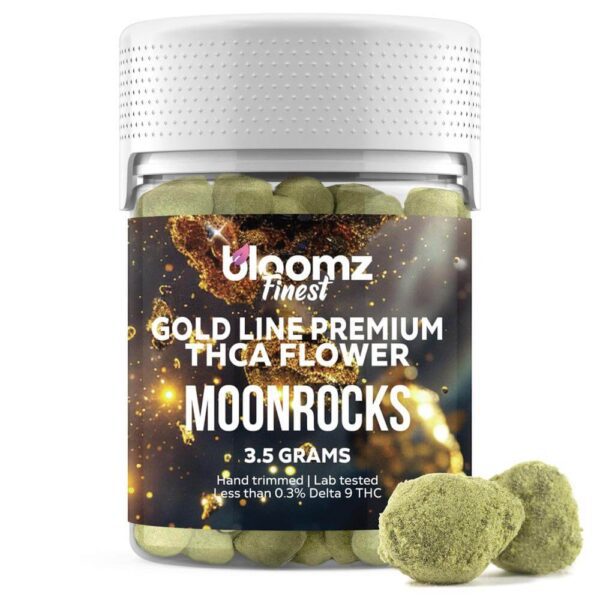
THCA Moonrocks – Gold Line
$57.99$89.99 -
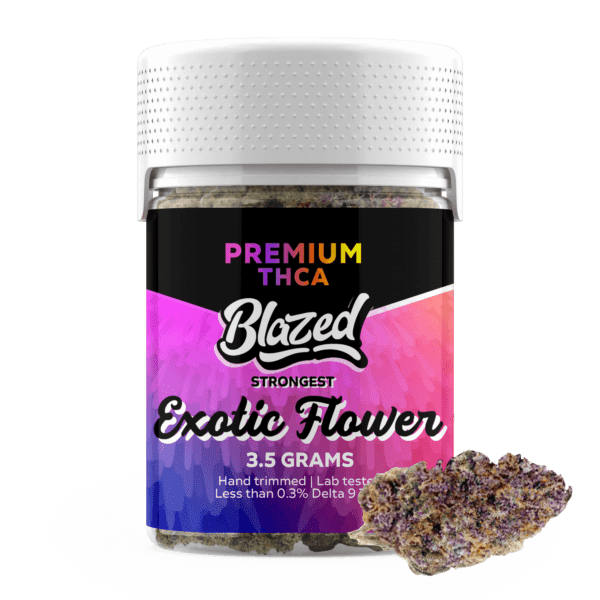
Blazed Exotic THCA Flower
$36.99$79.99 -
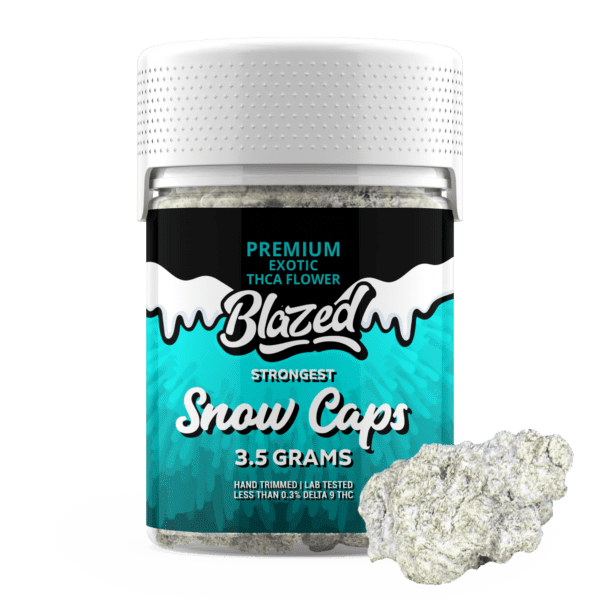
Blazed Strongest Exotic THCA Snow Caps
$58.99$93.99
Do Budtenders Need Training or Certification?
This depends on the state. Some states require dispensary employees to complete training or obtain an official cannabis worker permit. Others have fewer requirements, leaving training up to the dispensary itself.
Even when training isn’t legally required, most dispensaries provide some form of onboarding. This often includes compliance rules, ID verification procedures, inventory systems, and product knowledge. Some dispensaries also provide brand education sessions, where product companies come in to teach staff about new strains, extraction methods, and product lines.
However, the quality of budtender training can vary. That’s why budtenders can feel very different depending on where you shop. Some are incredibly knowledgeable and passionate. Others are still learning or may not have much personal interest in cannabis.
What Makes a Great Budtender?
A great budtender is someone who listens first and recommends second. The best budtenders don’t assume every customer wants the strongest THC product. They ask questions like, “What are you looking for?” or “Do you want something relaxing or energizing?” or “How experienced are you with edibles?”
They also understand that cannabis affects everyone differently. Instead of making bold guarantees like “This will definitely knock you out,” a great budtender will describe effects in a realistic way. They’ll say things like, “This strain tends to be more calming,” or “This one is known for being uplifting,” while reminding you that personal experience varies.
Great budtenders also know how to match products to lifestyle. They might recommend a low-dose edible for someone who wants a gentle experience, or a terpene-rich live resin vape for someone who wants flavor. They can also help customers stay within budget by suggesting deals, smaller quantities, or value options without being pushy.
What Budtenders Can’t Do (And Why)
One of the biggest misconceptions is that budtenders are medical professionals. They are not doctors, and they can’t legally give medical advice in many states. While budtenders can share general product information and describe typical effects, they usually can’t tell you that cannabis will treat or cure a medical condition.
This is why you’ll often hear budtenders use careful language. They might say a product is “popular for sleep” or “commonly used for relaxation,” but they won’t say it “treats insomnia.” That’s not because they’re being difficult—it’s because cannabis retail exists under strict regulatory rules, and dispensaries can get in trouble for making medical claims.
Budtenders also can’t bypass purchase limits, sell products outside of compliance rules, or let customers buy without valid ID. Even if you’re a regular, the rules still apply.
How Budtenders Help You Choose Flower
Flower is still one of the most popular cannabis categories, and budtenders spend a lot of time helping customers choose strains. When recommending flower, budtenders often consider THC percentage, terpene profile, strain type, and how fresh the buds are.
A good budtender will also ask how you plan to consume it. Smoking, vaping, and rolling joints all affect how quickly you go through flower. They may recommend an eighth for someone who wants to try something new, or a quarter or half-ounce for someone who already knows what they like.
Budtenders also help customers avoid the common trap of shopping only by THC. While THC is important, it’s not the whole story. Terpenes, minor cannabinoids, and overall strain chemistry play a huge role in how cannabis feels.
How Budtenders Help You Choose Edibles
Edibles are one of the most common categories where budtenders can truly save customers from a bad experience. Many people underestimate edibles, especially beginners. A budtender can explain onset time, duration, and dosing.
A great budtender will often recommend starting low, especially for people who don’t use edibles often. They might suggest 2.5mg or 5mg doses instead of jumping into 20mg or 50mg products. They can also explain that edibles take longer to kick in, and that taking more too soon is one of the biggest mistakes people make.
Budtenders also help customers choose edible types. Some people prefer gummies, others prefer chocolates, and some prefer beverages. Budtenders can explain the differences between full-spectrum edibles, distillate edibles, and live resin edibles.
How Budtenders Help You Choose Vapes and Concentrates
Vapes and concentrates can be intimidating because the terminology gets technical fast. Budtenders help customers understand the difference between distillate, live resin, cured resin, rosin, and other concentrate types.
They can also explain hardware differences. For example, they might explain how a 510 cartridge works compared to a disposable, or why certain vape oils are thicker and require specific hardware.
With concentrates, budtenders can help customers choose based on potency and flavor. Concentrates are typically much stronger than flower, so budtenders often recommend them for experienced consumers or those seeking stronger effects.
The Budtender Experience: What to Expect in a Dispensary
For many customers, the dispensary experience is shaped entirely by the budtender. Some dispensaries operate like a normal retail store where you browse products and then check out. Others operate like a consultation system where you speak with a budtender first, and they guide you through the menu.
In many states, products are kept behind the counter. That means budtenders physically retrieve items for you. In other dispensaries, you can browse more freely.
No matter the setup, budtenders are usually trained to keep things moving efficiently while still providing good customer service. If the dispensary is busy, they might keep recommendations shorter. If it’s slower, they may spend more time educating and answering questions.
Recommended products
-
Exotic THCA Smalls
$169.99$329.99 -
THCA + THC-P Flower
$47.99$89.99 -
THCA Flower
$27.99$79.99 -
THCA Pre-Rolls – 3-Pack/6-Pack
$30.99$59.99
Tips for Getting the Best Recommendations From a Budtender
If you want the best help from a budtender, the biggest tip is simple: be honest. You don’t have to pretend you’re experienced if you’re not. Budtenders aren’t there to judge you. They’re there to help you have a good experience.
It also helps to tell them what you want the cannabis to feel like. Instead of asking for “the strongest,” try describing the vibe you want. Do you want something relaxing? Something that won’t make you sleepy? Something that helps you focus? Something for the end of the day?
Another helpful tip is to share how you plan to consume. A strain that feels great in a joint might feel different in a vaporizer. An edible recommendation depends heavily on your tolerance and patience.
And if you’re on a budget, tell them. Budtenders can often recommend deals or value products that still deliver a great experience.
Should You Tip a Budtender?
Tipping budtenders is common, but it’s not always required. Many dispensaries have tip jars, and budtenders often rely on tips the same way baristas do. If a budtender spent time educating you, made thoughtful recommendations, or helped you find the perfect product, a tip is a great way to show appreciation.
Even small tips add up, and they can make a difference. That said, tipping culture varies by state and dispensary, and you should never feel pressured. But if you had a great experience, tipping is always a nice move.
Budtenders and Cannabis Compliance
One thing most customers don’t see is how strict cannabis compliance can be. Budtenders operate under constant rules: tracking systems, purchase limits, packaging laws, labeling laws, and ID requirements. Mistakes can lead to major consequences for dispensaries, including fines or loss of license.
Budtenders are trained to follow these rules closely, even if it slows down the customer experience sometimes. That’s why they might double-check your ID, verify your purchase limit, or explain why they can’t sell you something in a certain quantity.
Budtenders are essentially the front-line compliance team for the dispensary.
Budtender as a Career
For many people, budtending isn’t just a job—it’s a career path into the cannabis industry. Budtenders often develop deep product knowledge and customer experience skills. Some go on to become shift leads, inventory managers, store managers, or even brand representatives.
Others move into cultivation, extraction, marketing, or education roles. Budtending is often the entry point into the legal cannabis world, and it gives people hands-on experience with products, consumer trends, and retail operations.
Because cannabis is a fast-growing industry, budtending can be a stepping stone into many other opportunities.
Final Thoughts: What a Budtender Really Is
A budtender is far more than a cashier. They are the guide, educator, and customer-facing expert in the dispensary experience. Budtenders help people navigate cannabis products, understand dosing, compare strains, and shop responsibly. They also operate under strict compliance rules and play a major role in keeping dispensaries running smoothly.
For customers, a good budtender can be the difference between a confusing purchase and an amazing one. They can help beginners feel comfortable, help experienced consumers find new favorites, and help everyone make smarter choices.
And as cannabis continues to evolve, the budtender role is only becoming more important. New cannabinoids, new extraction methods, and new product formats are constantly entering the market. Budtenders are the ones who translate all of that into real-world recommendations for everyday people.
So next time you walk into a dispensary, remember: the budtender isn’t just selling you weed. They’re helping you find the right experience.
TO BUY HEMP FLOWER CLICK HERE
Recommended products
-
THCA Flower – Exotics – Gold Line
$37.99$89.99 -
THCA Flower – Mystery Reserve
$41.99$79.99 -
THCA Flower – Platinum Line
$47.99$79.99 -
THCA Smalls
$139.99$256.99