If you’ve ever searched “dispensary near me,” you already know how common cannabis dispensaries have become. In many states, they’re as normal as liquor stores or coffee shops—complete with menus, deals, loyalty points, and a wide variety of products. But even though dispensaries are more mainstream than ever, a lot of people still aren’t totally sure what a dispensary actually is, how it works, or what to expect when they walk in for the first time.
The word “Dispensary” sounds medical, official, and maybe even intimidating. For some people, it still brings up images of a strict clinic-style environment where everything feels formal and regulated. For others, it’s more like a boutique shopping experience with bright displays and friendly staff. The truth is, dispensaries can feel like either one depending on the state, the laws, and the specific shop you visit.
So what is a dispensary? How does it work? What can you buy there? And what’s the difference between medical and recreational dispensaries? In this guide, we’ll break down everything you need to know about cannabis dispensaries, including how they operate, what products they sell, and how to have the best experience when you visit.
TO BUY HEMP FLOWER CLICK HERE
Recommended products
-
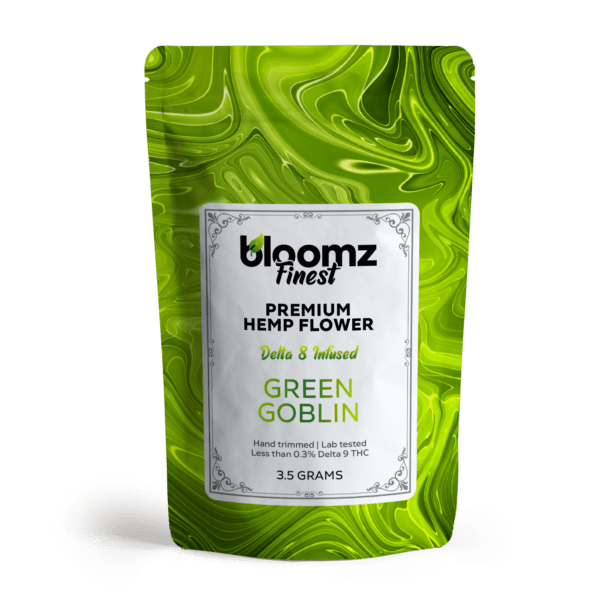
Delta 8 THC Flower
$24.99$39.99 -
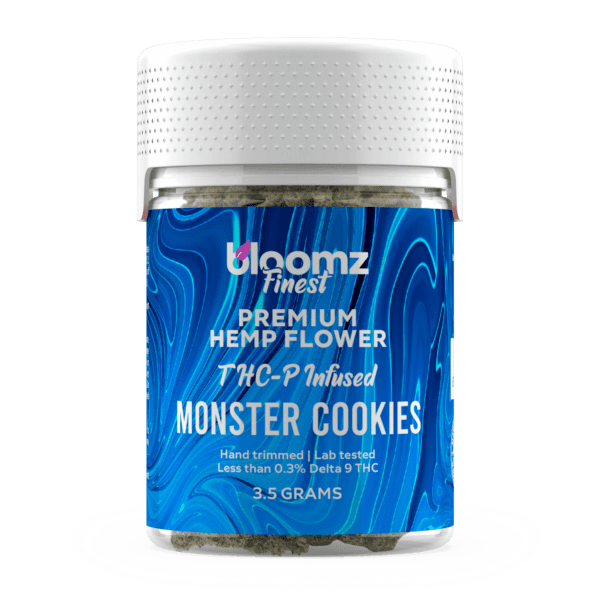
THC-P Flower
$29.99$43.99 -
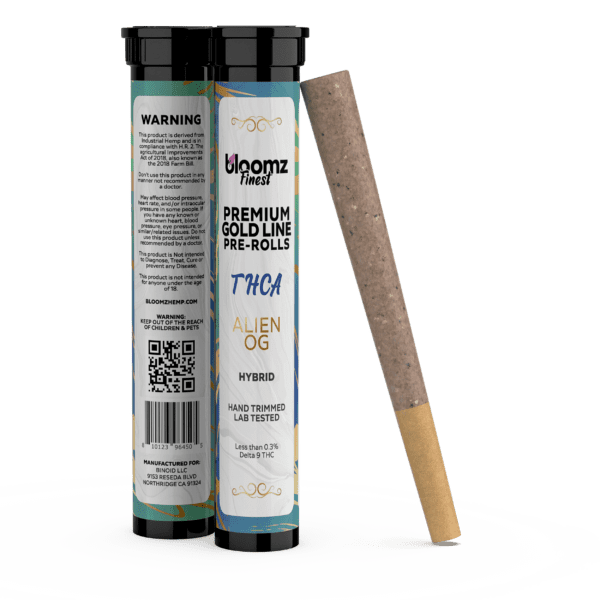
Exotic THCA Pre-Rolls Gold Line – 3-Pack/6 Pack
$36.99$69.99
What Is a Dispensary?
A cannabis dispensary is a licensed retail store that sells legal cannabis products to consumers. Depending on the laws in the state, dispensaries may sell cannabis for recreational use, medical use, or both. Dispensaries are regulated by state agencies, and they must follow strict rules related to product sourcing, testing, labeling, packaging, purchase limits, and age verification.
At its core, a dispensary is where consumers can legally purchase cannabis flower, edibles, vapes, concentrates, tinctures, topicals, and other cannabis-related products. Dispensaries are designed to provide safe access to cannabis in a controlled environment, unlike the unregulated market where product quality and safety are often unknown.
Dispensaries are also one of the most important parts of cannabis legalization because they act as the bridge between licensed producers and everyday customers. Without dispensaries, legal cannabis markets wouldn’t have a reliable way to sell products directly to the public.
Why Is It Called a Dispensary?
The word “dispensary” comes from the medical world. Traditionally, a dispensary referred to a place where medicine is “dispensed,” meaning distributed or provided to patients. When medical cannabis programs first became legal in certain states, cannabis was treated more like a medicine than a retail product. Early dispensaries often had a clinical vibe, with more emphasis on patient needs than product branding.
As legalization expanded, the dispensary concept evolved. Many modern dispensaries feel more like high-end retail stores. They may have sleek interiors, digital menus, product displays, and curated product selections. Even though the shopping experience has become more modern, the word “dispensary” stuck because it still reflects the regulated nature of cannabis sales.
What Can You Buy at a Dispensary?
One of the biggest surprises for first-time dispensary shoppers is just how much variety exists. Dispensaries don’t just sell “weed” in a simple sense. They sell a wide range of cannabis products designed for different lifestyles, preferences, and tolerance levels.
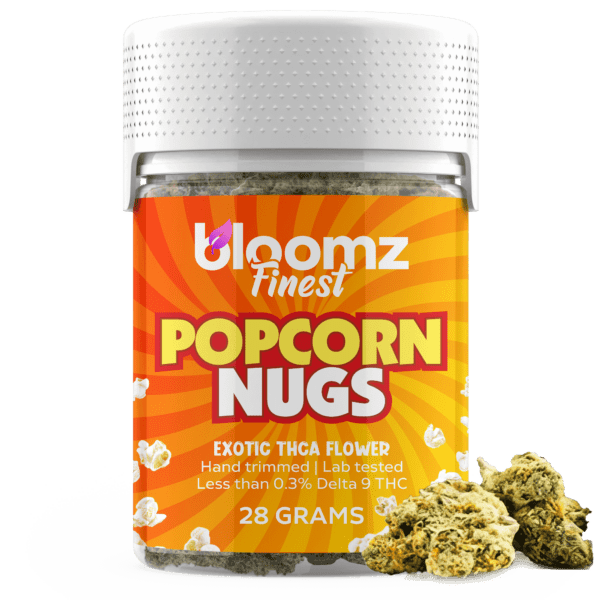
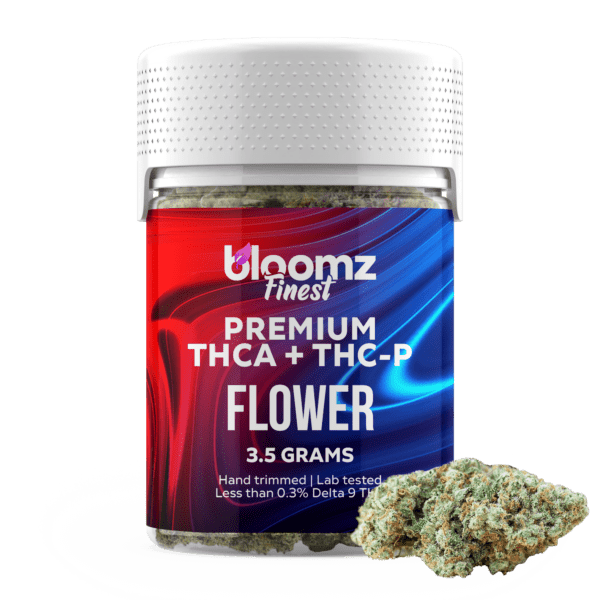
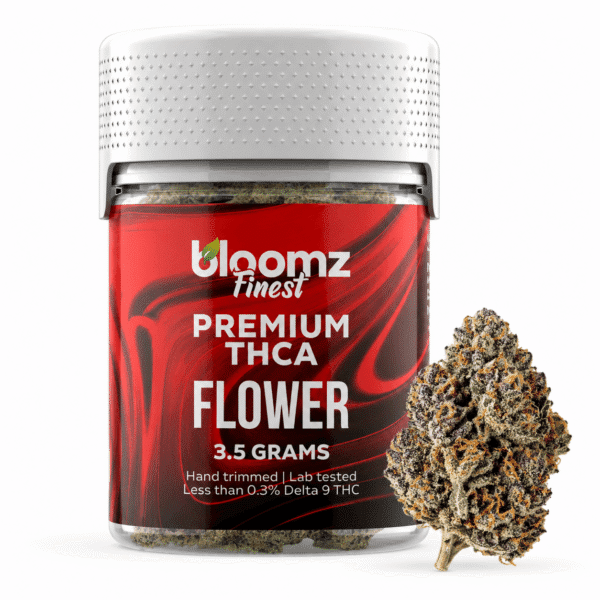
Most dispensaries sell cannabis flower, which is the classic dried bud that can be smoked or vaporized. Flower usually comes in different quantities like grams, eighths, quarters, half-ounces, and ounces. Flower is often categorized by strain names, potency, and terpene profiles.
Dispensaries also sell pre-rolls, which are ready-to-smoke joints. These can be standard flower pre-rolls or infused pre-rolls that include concentrates for extra potency. Pre-rolls are popular because they’re convenient, especially for people who don’t want to grind flower and roll it themselves.
Edibles are another major category. Dispensary edibles include gummies, chocolates, baked goods, beverages, mints, and capsules. Edibles offer a smoke-free experience and are often favored by people who want longer-lasting effects. They also come in different doses, which is especially important for beginners.
Vape products are also extremely common. Dispensaries typically carry vape cartridges, disposable vapes, and sometimes vape pods. These products offer fast effects, strong potency, and portability. Many customers like vapes because they’re discreet and easy to use.
For experienced consumers, dispensaries also sell concentrates. Concentrates include wax, shatter, live resin, rosin, crumble, and other high-potency extracts. These products are often consumed through dabbing or specialized vaporizers and are known for intense effects and strong flavor.
Beyond that, dispensaries often carry tinctures, topicals, and CBD-rich products. Tinctures are liquid cannabis extracts taken under the tongue or added to food. Topicals include lotions, balms, and creams that are applied to the skin and are often used for localized relief without strong psychoactive effects.
In short, dispensaries sell cannabis in almost every form imaginable.
Recommended products
-
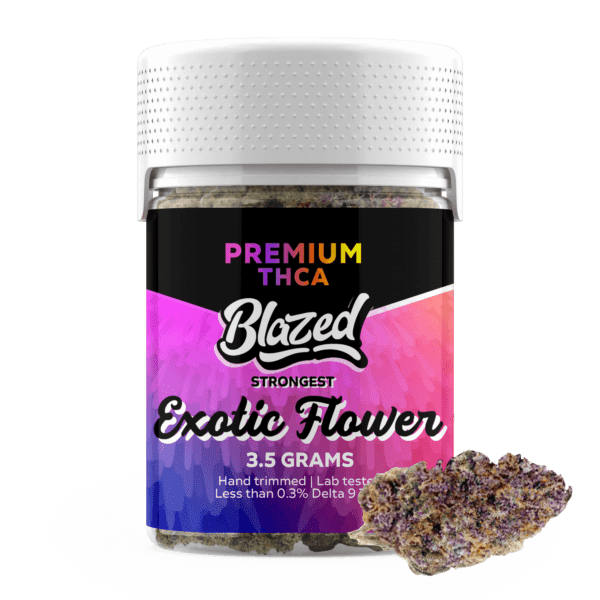
Blazed Exotic THCA Flower
$36.99$79.99 -
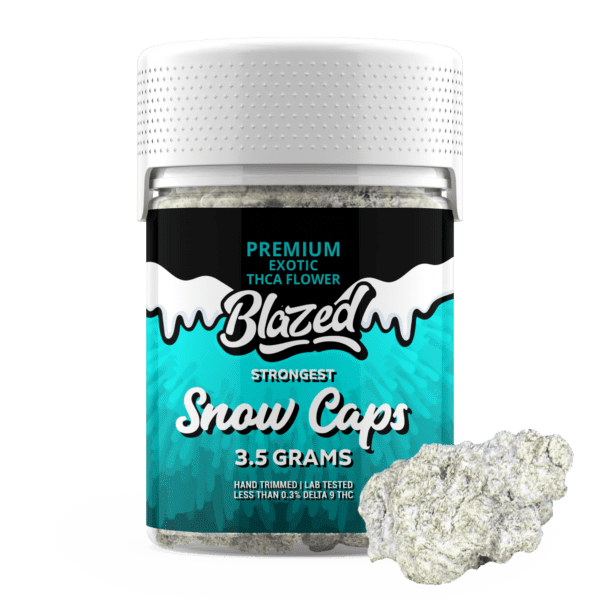
Blazed Strongest Exotic THCA Snow Caps
$58.99$93.99 -
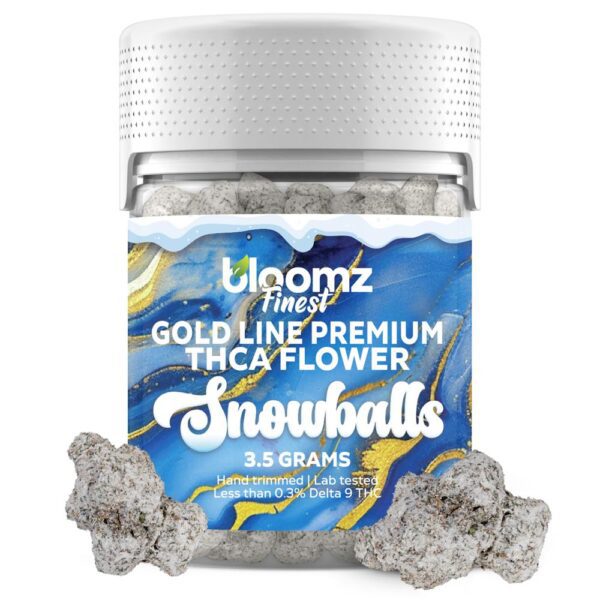
THCA Snowballs – Gold Line
$57.99$89.99 -
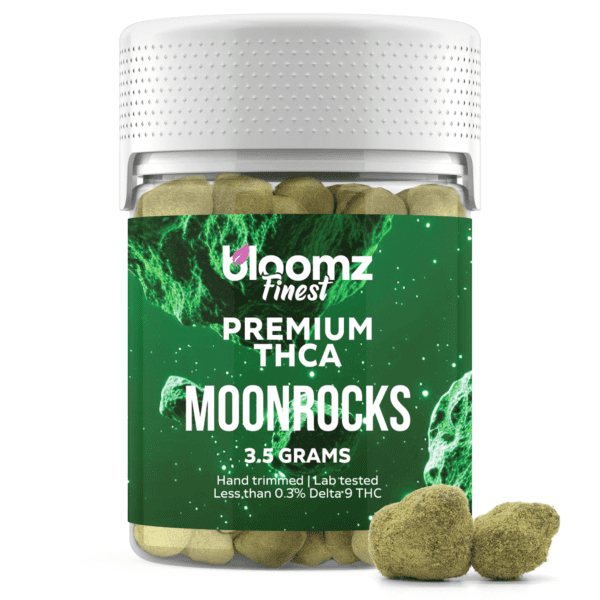
THCA Moonrocks
$45.99$89.99
Medical Dispensary vs Recreational Dispensary
Not all dispensaries are the same. One of the biggest distinctions is whether a dispensary is medical, recreational, or both.
A medical dispensary serves registered medical cannabis patients. These customers typically need a medical marijuana card or doctor recommendation, depending on the state. Medical dispensaries often have products specifically designed for medical use, including higher-CBD options, tinctures, capsules, and other wellness-focused products. In many states, medical patients also benefit from lower taxes, higher purchase limits, and access to stronger products.
A recreational dispensary serves adults who meet the legal age requirement, usually 21 and older. Recreational customers do not need a medical card. They can walk in with a valid government-issued ID and purchase cannabis within the state’s legal limits.
Some dispensaries operate as both medical and recreational, serving both types of customers. In these locations, medical patients may have separate lines, priority service, or exclusive product menus.
Understanding the difference matters because it affects pricing, product availability, and purchase limits.
How Dispensaries Work
Dispensaries operate like a mix between a retail store and a highly regulated pharmacy. The process usually begins at the front door, where you’ll be asked to show your ID. This step is required even if you’re clearly over 21. Dispensaries are strict about age verification because it’s one of the most important compliance rules.
After your ID is checked, you’ll enter the sales floor. Depending on the dispensary, you might be able to browse products in display cases, view digital menus, or talk directly with a budtender. Some dispensaries allow customers to shop freely like a store, while others operate more like a consultation model where you work with a budtender to build your order.
Once you choose your products, the budtender retrieves them from secured inventory. In most dispensaries, cannabis products are not openly accessible. They are stored behind the counter or in locked areas. This is part of compliance and theft prevention.
At checkout, the budtender rings up your order, ensures it stays within legal purchase limits, and packages everything according to state rules. Some states require child-resistant packaging, sealed bags, or specific labeling.
Most dispensaries also have strict rules about payment. Because cannabis is still illegal at the federal level, many dispensaries operate as cash-heavy businesses. Some accept debit payments through special systems, and a growing number offer cashless options, but cash is still extremely common.
What Is a Budtender in a Dispensary?
Budtenders are dispensary employees who help customers choose cannabis products and complete purchases. They’re one of the most important parts of the dispensary experience, especially for new customers.
A good budtender can explain the difference between strains, help you understand THC potency, recommend products based on the effects you want, and guide you toward options that match your budget. They can also explain how to use products safely, including edible dosing and vape hardware.
Budtenders are not medical professionals, but they are often highly knowledgeable about cannabis. In many cases, they’re the reason dispensaries feel welcoming and beginner-friendly instead of intimidating.
What to Expect at Your First Dispensary Visit
Walking into a dispensary for the first time can feel like a big moment. Even if you’ve used cannabis before, buying it legally in a retail environment is a completely different experience than buying from an unregulated source.
Most first-time customers are surprised by how professional dispensaries feel. Many dispensaries have security at the entrance, bright lighting, clean product displays, and a calm atmosphere. Staff are usually trained to be friendly and helpful, especially with new customers.
You can expect to show your ID, browse a menu, and talk to a budtender. If you don’t know what you want, that’s completely normal. Dispensary staff are used to helping beginners. You can ask simple questions like, “What’s best for relaxing?” or “What’s good for sleep?” or “What’s a good starter edible?”
The key is to go in with an open mind and a willingness to learn. Cannabis has a lot of terminology, but you don’t need to know everything to shop confidently.
Recommended products
-
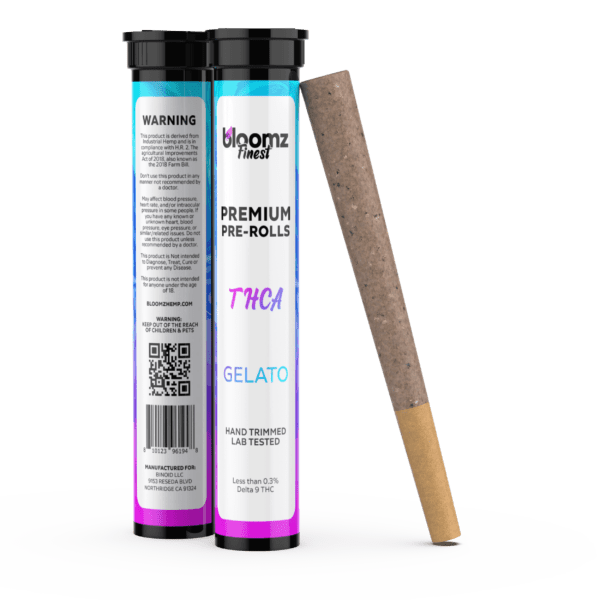
Exotic THCA Pre-Rolls Gold Line – 3-Pack/6 Pack
$36.99$69.99 -
THCA Pre-Rolls – 3-Pack/6-Pack
$30.99$59.99
How Dispensary Menus Work
Dispensary menus can feel overwhelming because they often include strain names, THC percentages, and product categories that aren’t familiar to new customers. Most dispensaries organize their menus by product type, such as flower, pre-rolls, edibles, vapes, concentrates, tinctures, and topicals.
Within each category, products are usually listed with key details. For flower, this might include the strain name, THC percentage, and sometimes terpene information. For edibles, it will include the THC content per serving and per package. For vapes, it might list whether the oil is distillate, live resin, or rosin.
Many dispensaries now post menus online, which is a huge advantage. You can browse before visiting, compare prices, and even place orders for pickup.
Cannabis Testing and Safety in Dispensaries
One of the biggest benefits of buying from a licensed dispensary is product testing. In legal markets, cannabis products typically must be tested by licensed laboratories for potency and contaminants. This often includes testing for pesticides, mold, heavy metals, residual solvents, and other safety concerns.
Testing standards vary by state, but the overall goal is the same: to ensure customers are buying products that meet safety requirements. This is one of the biggest differences between dispensary cannabis and unregulated cannabis.
Dispensaries also require clear labeling. You’ll often see labels listing THC percentage, CBD content, batch numbers, and other details. This makes it easier to understand what you’re consuming.
Dispensary Limits and Legal Rules
Dispensaries operate under strict purchase limits, and these limits vary by state. For example, some states allow adults to purchase up to one ounce of flower per day, while others have different limits based on THC content or product type.
Dispensaries also have rules about where you can consume cannabis. In most states, you cannot legally consume cannabis in public, and you definitely cannot consume it inside the dispensary. Some states have licensed consumption lounges, but these are still relatively rare.
Another important rule is that you cannot cross state lines with cannabis, even if both states have legal cannabis. This is because cannabis remains illegal at the federal level. Dispensaries will often remind customers of this.
Why Dispensaries Feel Different From One Another
Not all dispensaries have the same vibe. Some are small, local shops with a cozy, neighborhood feel. Others are massive, corporate-style dispensaries with dozens of staff and hundreds of products. Some focus on premium craft flower, while others focus on value deals and bulk pricing.
Dispensaries also vary in how much education they provide. Some have staff who love teaching customers and breaking down terpenes, cannabinoids, and extraction methods. Others are more focused on fast service and quick transactions.
This is why finding a dispensary you like can feel like finding your favorite coffee shop. Once you find one that matches your style, you’ll probably keep going back.
Recommended products
-
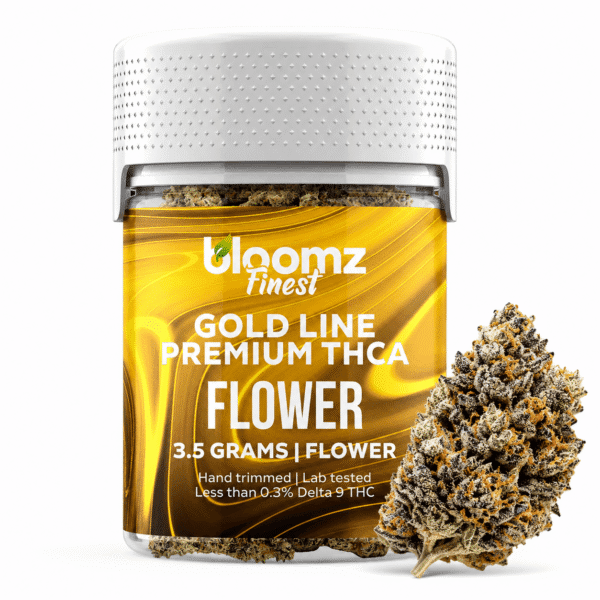
THCA Flower – Exotics – Gold Line
$37.99$89.99 -
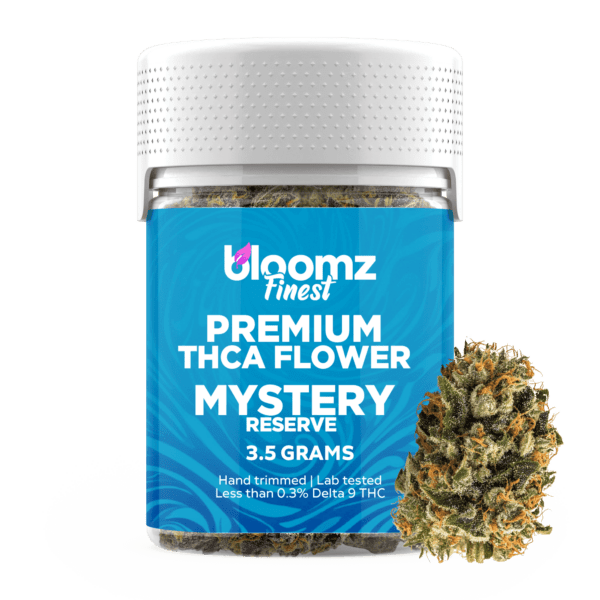
THCA Flower – Mystery Reserve
$41.99$79.99 -
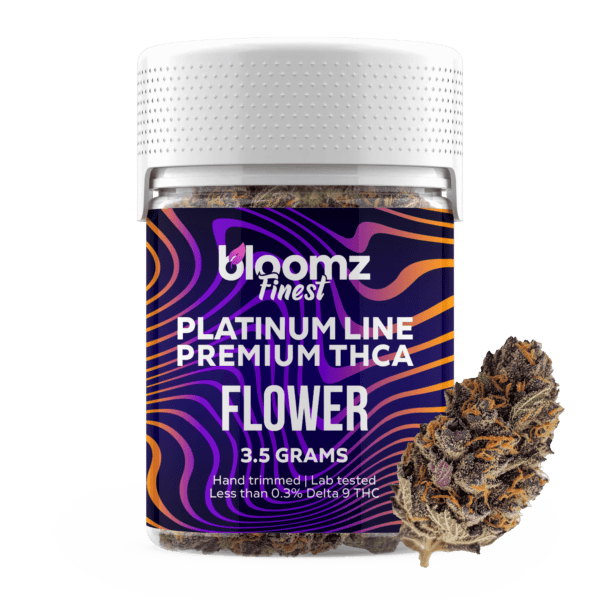
THCA Flower – Platinum Line
$47.99$79.99 -
THCA Smalls
$139.99$256.99
How to Choose the Right Dispensary
Choosing a dispensary comes down to a few key factors. One of the biggest is product selection. If you’re a flower person, you may want a dispensary known for fresh, high-quality bud. If you’re into vapes, you may want a shop with a wide variety of cartridges and brands. If you prefer edibles, you may want a dispensary with lots of dosage options.
Pricing also matters. Some dispensaries are known for premium products and higher prices. Others are known for deals, discounts, and loyalty programs. Many offer first-time customer discounts, which can be a great way to save money.
Customer service is another huge factor. A dispensary with friendly budtenders and a welcoming vibe will always be a better experience than one that feels rushed or unfriendly.
Finally, convenience matters. Many customers choose dispensaries based on location, parking, and how easy it is to place online orders.
Are Dispensaries the Same in Every State?
Not even close. Cannabis laws vary dramatically from state to state, and dispensary experiences reflect those laws. Some states allow full recreational sales, while others only allow medical sales. Some states allow smokable flower, while others restrict certain products. Some states have strong testing standards, while others have looser rules.
Even dispensary layouts can vary. Some states require products to be hidden from view until after ID verification. Others allow open browsing. Some states have strict packaging rules, while others allow more flexibility.
If you travel to another legal state, don’t assume the dispensary experience will be the same as your home state. Always check local laws and be prepared for different rules.
Responsible Shopping and Use
Dispensaries make cannabis more accessible, but that also means consumers should shop responsibly. It’s easy to get excited and buy more than you need, especially when menus are packed with tempting options. A good rule is to start small, especially if you’re trying a new product category.
If you’re new to edibles, start with a low dose and be patient. If you’re new to concentrates, understand that they’re much stronger than flower. If you’re buying flower, don’t chase THC numbers alone—look for overall quality, freshness, and terpene profile.
Dispensaries are built for safe access, but your experience still depends on making smart choices.
Final Thoughts: What a Dispensary Really Is
A dispensary is a licensed, regulated cannabis store where adults or medical patients can legally purchase cannabis products. Dispensaries exist to provide safe access to tested cannabis, educate consumers, and ensure compliance with state laws. They’re one of the most important parts of the legal cannabis industry, and they’ve transformed cannabis from something underground into something accessible, professional, and mainstream.
For consumers, dispensaries offer choice, safety, and variety. Whether you want a simple eighth of flower, a low-dose edible, a terpene-rich vape, or a premium concentrate, dispensaries make it possible to shop with confidence.
And for beginners, dispensaries can be the best place to start because you have access to budtenders who can guide you, answer questions, and help you choose products that fit your lifestyle.
In many ways, dispensaries are the modern cannabis marketplace—and as legalization continues to expand, dispensaries will only become more common, more innovative, and more central to cannabis culture
TO BUY HEMP FLOWER CLICK HERE
Recommended products
-
Exotic THCA Smalls
$169.99$329.99 -
THCA + THC-P Flower
$47.99$89.99 -
THCA Flower
$27.99$79.99 -
THCA Pre-Rolls – 3-Pack/6-Pack
$30.99$59.99