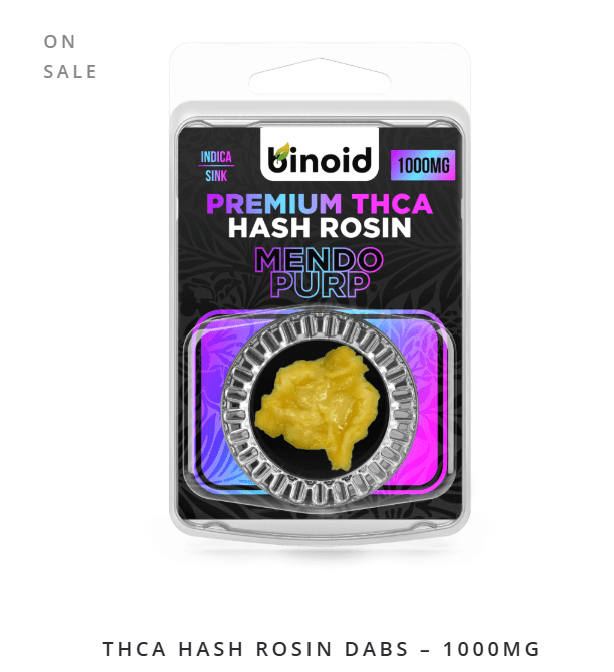

A rosin press is a mechanical device designed to extract resin from cannabis plant material using heat and pressure. Unlike traditional solvent-based extraction methods like butane hash oil (BHO) or CO₂ extraction, rosin presses do not use chemicals or solvents. The process is entirely physical, relying on pressure and controlled heat to squeeze resinous trichomes from flowers or hash into a pure, sticky concentrate known as rosin.
The concept of rosin extraction is simple: trichomes, which are the tiny, resinous glands on cannabis flowers that contain cannabinoids and terpenes, are heat-sensitive. When cannabis material is pressed under high pressure at controlled temperatures, the trichomes rupture and release their oil, which can then be collected. The result is a potent, flavorful concentrate that preserves the plant’s natural terpene profile.
Rosin presses have become increasingly accessible, with a range of sizes and price points, from small home presses to commercial-grade machines. Brands like Binoid often utilize rosin extraction in creating solventless concentrates and disposable vape cartridges, ensuring purity and flavor for the end user.
To Buy Live Rosin Products Click Here

How Does a Rosin Press Work?
The operation of a rosin press may seem technical, but the principle is straightforward. The device consists of two main heated plates, a pressing mechanism, and a collection area for the extracted rosin. Here’s a step-by-step breakdown of the process:
-
Preparation: Cannabis flower, kief, or hash is placed inside a specialized filter bag or parchment paper. This ensures that plant matter does not contaminate the final product.
-
Pressing: The material is sandwiched between the heated plates of the press. Pressure is applied either manually with a hand lever or automatically with a hydraulic or pneumatic system.
-
Heat and Pressure: The combination of heat and pressure causes the trichomes to liquefy and flow out of the plant material. The temperature is critical; too hot, and terpenes can degrade, affecting flavor. Too cool, and the resin will not flow efficiently.
-
Collection: The freshly pressed rosin oozes out onto the parchment paper and is collected for use or storage. The consistency can vary from a sticky, sappy texture to a more stable, shatter-like form, depending on the material, temperature, and pressure used.
The beauty of rosin pressing is that it allows full control over these variables, giving both amateur and professional extractors the ability to produce high-quality concentrates without solvents or chemical additives.
Types of Cannabis Material Used in Rosin Presses
Rosin can be made from several types of cannabis material. Each source produces a slightly different quality and yield:
-
Flower (buds): Pressing whole cannabis flowers is the most common method. Fresh or dried flowers yield flavorful rosin, preserving much of the plant’s original terpene profile.
-
Kief: Kief, which is the collection of loose trichomes sifted from cannabis, produces a higher-quality rosin with less plant matter. It often results in higher potency concentrates.
-
Hash: Bubble hash or dry sift hash is another ideal material. Hash generally produces higher yields than flower and is easier to press because the plant material has already been separated from the leaf matter.
Each material type affects both the taste and potency of the final rosin. For example, flower rosin may carry more of the natural aroma and flavor of the strain, while hash rosin is often stronger and more concentrated.
Benefits of Using a Rosin Press
There are several reasons why both hobbyists and commercial producers are turning to rosin presses:
-
Solventless Extraction: Rosin presses don’t require chemicals like butane or alcohol, making the process safer and producing a cleaner product. Solventless concentrates are particularly appealing to health-conscious consumers.
-
Preserves Terpenes: The controlled heat of a rosin press helps preserve the natural terpenes in cannabis. Terpenes are responsible for flavor, aroma, and even modulate cannabinoid effects, so preserving them results in a more flavorful, potent concentrate.
-
Immediate Use: Unlike some extraction methods that require curing or purging, rosin can be used almost immediately after pressing. This makes it convenient for home users and small-scale producers.
-
Versatility: Rosin presses can process different forms of cannabis, including flower, hash, and kief. This flexibility allows extractors to experiment with different materials to achieve desired effects and flavors.
-
High Potency: Rosin is concentrated cannabis, often containing high levels of THC or other cannabinoids. Depending on the starting material, rosin can reach 50–70% THC or higher, providing a strong and enjoyable experience.
Brands like Binoid have leveraged rosin extraction to create top-tier disposable vape cartridges and concentrates, emphasizing the natural flavors and purity of the cannabis plant.

How to Use a Rosin Press Safely
Safety is important when using a rosin press, especially for beginners. These devices operate under high heat and pressure, so proper precautions are necessary:
-
Protect Your Hands: Use heat-resistant gloves to avoid burns from hot plates or escaping rosin.
-
Work in a Ventilated Area: While rosin pressing is solventless, heating plant material can produce strong odors or vapor. Good ventilation is recommended.
-
Monitor Temperature: Keep the plates at the recommended temperature for your material. Typically, 180–220°F is ideal for flower, while hash may require slightly higher temperatures.
-
Apply Even Pressure: Whether using a manual or hydraulic press, ensure pressure is applied evenly to prevent accidents and to achieve consistent results.
-
Use Parchment Paper: Always press onto clean, food-grade parchment paper to collect the rosin efficiently and safely.
By following these basic safety measures, both beginners and experienced users can press rosin effectively while minimizing risk.
Types of Rosin Presses
Rosin presses come in a variety of types, each suited to different needs:
-
Manual Rosin Presses: Small and affordable, these presses are ideal for home users. They are operated by hand using a lever to apply pressure and are best for low-volume rosin production.
-
Hydraulic Rosin Presses: Larger and more powerful, hydraulic presses provide consistent pressure and are commonly used by commercial extractors. They can handle larger amounts of material efficiently.
-
Pneumatic Rosin Presses: These use air pressure to apply force and are ideal for high-volume or continuous rosin production. They offer precise control over pressure and timing, making them popular in professional extraction facilities.
-
Dual Heated Plate Presses: Some presses feature two independently heated plates, allowing for temperature control and more uniform extraction. These presses are preferred for delicate strains where terpene preservation is critical.
Rosin Consistency and Quality
The quality of rosin depends on several factors: starting material, temperature, pressure, and pressing technique. Fresh flower or high-quality hash generally produces smoother, more flavorful rosin. Higher temperatures can increase yield but may degrade terpenes, while lower temperatures preserve flavor but produce less extract.
Rosin can vary in texture:
-
Sap-like or liquid: Often produced at lower temperatures, preserving terpenes and flavor.
-
Budder or creamy: Soft, malleable consistency that spreads easily.
-
Shatter-like: More stable and brittle; usually made with higher temperatures or post-press curing.
Consumers and extractors choose the texture based on preference and intended use. For vaping, a softer, sap-like rosin is often preferred for filling cartridges, while a firmer rosin is ideal for dabbing.
Applications of Rosin
Rosin is versatile and can be enjoyed in multiple ways:
-
Dabbing: Rosin can be heated on a dab rig for an intense, flavorful experience.
-
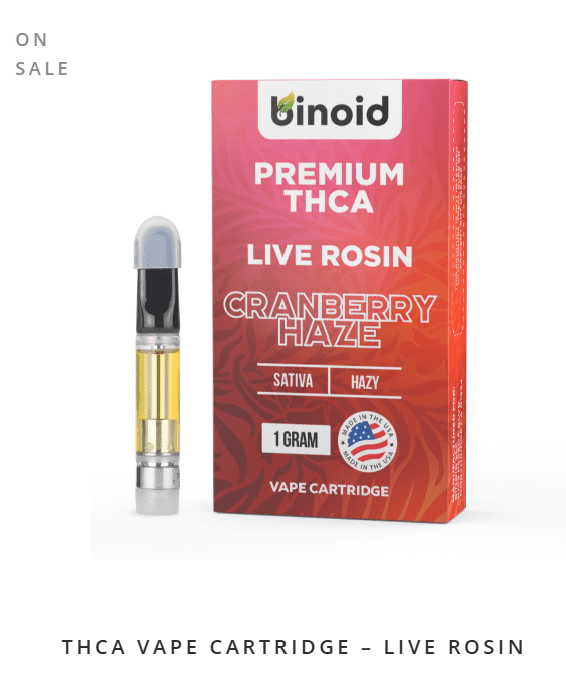
Vaping: High-quality rosin can be infused into vape cartridges for clean, potent inhalation. Brands like Binoid use rosin-derived concentrates in some of their premium disposable vapes.
-
Edibles: Rosin can be incorporated into homemade edibles or topicals, offering a concentrated cannabinoid experience.
Comparing Rosin to Other Concentrates
Rosin differs from other cannabis concentrates in several key ways:
-
Solvent-Free: Unlike butane or CO₂ concentrates, rosin does not use chemical solvents, reducing the risk of residual chemicals in the final product.
-
Flavor: Rosin preserves the original flavor and terpene profile of the cannabis strain better than some solvent-based extracts.
-
Accessibility: Home users can press their own rosin without specialized lab equipment, unlike many other extraction methods.
While other concentrates may achieve higher yields or specific consistencies, rosin remains popular for its purity, safety, and taste.
Storage and Shelf Life
Proper storage of rosin is important to maintain potency and flavor:
-
Keep in airtight containers to prevent exposure to oxygen.
-
Store in a cool, dark place to avoid degradation of cannabinoids and terpenes.
-
Rosin can also be refrigerated or frozen for longer-term storage without significant loss of quality.
Final Thoughts: What Is a Rosin Press?
A rosin press is a safe, solventless, and effective tool for extracting cannabis concentrates. Using heat and pressure, it allows consumers and commercial producers alike to create potent, flavorful rosin from flowers, kief, or hash. Rosin presses have gained popularity because they preserve terpenes, provide high potency, and are accessible for home users while still supporting commercial operations.
Whether enjoyed through dabbing, vaping, or in edibles, rosin offers a clean and concentrated cannabis experience. As the cannabis industry evolves, rosin presses remain an important part of modern cannabis culture, offering quality, purity, and convenience for both newcomers and experienced users.
Understanding rosin presses and their applications helps consumers make informed choices and appreciate the craftsmanship behind solventless cannabis concentrates.
To Buy Live Rosin Products Click Here