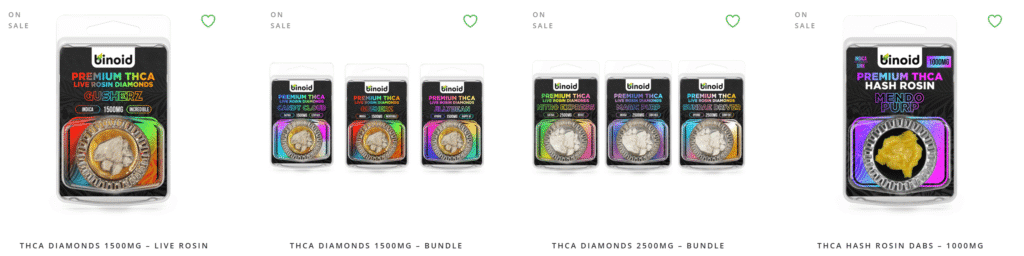
Closed-loop extraction is a professional method used to create solvent-based cannabis concentrates in a sealed and controlled system. It is the industry standard for producing products like shatter, wax, crumble, live resin, terp sauce, and diamonds.
The term “closed-loop” refers to a sealed extraction system where the solvent used during extraction is continuously contained, recovered, and reused without being released into the surrounding environment.
To understand why this matters, it helps to look at history. In early concentrate production, some operators used open blasting methods, spraying butane through cannabis in uncontrolled settings. This was extremely dangerous and caused fires and explosions. Closed-loop systems were developed to improve safety, efficiency, and regulatory compliance.
To Buy THC Products Click Here
A closed-loop system typically includes:
Solvent tank
Material column
Collection chamber
Recovery pump
Vacuum oven
Pressure gauges and valves
The process begins with loading cannabis material into a sealed column. The solvent — often butane, propane, or a blend — is stored in a pressurized tank within the system. The solvent is pushed through the cannabis material, dissolving cannabinoids and terpenes.
The solvent-rich solution flows into a collection chamber. Through temperature and pressure manipulation, the solvent is separated from the extracted oil and routed back into the solvent tank for reuse. This continuous containment is what makes the system “closed-loop.”
After extraction, the concentrate undergoes purging in a vacuum oven to remove residual solvent. Licensed facilities test final products to ensure solvent levels fall within regulatory safety limits.
Closed-loop extraction offers several advantages.
Safety is the most important. By preventing solvent release into the air, the risk of ignition is drastically reduced. Licensed facilities also use explosion-proof rooms and ventilation systems.
Efficiency is another advantage. Modern systems can recover over 95% of solvent used, reducing waste and operating cost.
Terpene preservation is a key reason hydrocarbon closed-loop systems are popular. When operated at low temperatures, butane and propane effectively capture delicate aromatic compounds. This is why products like live resin maintain strong flavor profiles.
Closed-loop extraction is most commonly associated with hydrocarbon extraction, often referred to as BHO (Butane Hash Oil). However, modern systems are far more advanced than early iterations.
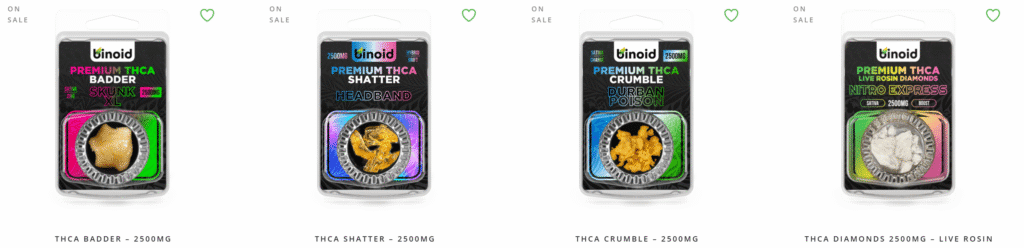
Products made through closed-loop systems include:
Shatter – glass-like texture
Wax – soft and opaque
Crumble – dry and crumbly
Budder – whipped consistency
Live resin – fresh-frozen input
Diamonds and sauce – crystalline THCA in terpene-rich liquid
Terp sauce – high-terpene extract

The texture depends on post-processing techniques like whipping, agitation, temperature control, and nucleation.
Closed-loop extraction differs from solventless methods such as rosin or bubble hash. Solvent-based extraction uses hydrocarbons to dissolve resin compounds, while solventless methods rely on mechanical separation or heat and pressure.
Some consumers prefer solventless products due to personal preference. Others prefer hydrocarbon extracts for potency and terpene expression. Both can produce high-quality results when properly manufactured.
Regulation is strict in licensed states. Facilities must use certified equipment and comply with fire codes, safety inspections, and lab testing standards. Residual solvent limits are enforced to ensure consumer safety.
Environmental impact is also reduced compared to open blasting because solvent is recycled rather than vented into the atmosphere.
Potency in closed-loop extracts often ranges from 60% to over 90% cannabinoids depending on refinement. THCA diamonds, for example, can exceed 90% THCA before decarboxylation.
Closed-loop systems also allow for innovation. Techniques such as live resin extraction involve freezing cannabis immediately after harvest to preserve terpenes before running it through the system.
Understanding closed-loop extraction helps consumers appreciate the complexity behind modern concentrates. It is not a casual process. It involves engineering, chemistry, regulatory compliance, and skilled operation.
In summary, closed-loop extraction is a sealed solvent-based extraction method that safely and efficiently produces many of today’s most popular cannabis concentrate. It replaced unsafe open-blasting techniques and became the professional standard in licensed cannabis markets. Its advantages include safety, efficiency, terpene preservation, scalability, and product consistency.
To Buy THC Products Click Here