
As the science of growing cannabis becomes more advanced, growers continue to refine how plants are nurtured to improve potency, consistency, and yield. One term that often comes up in this context is CO2, or carbon dioxide. While most people associate CO2 with the air we breathe or discussions about climate change, it also plays a crucial role in cultivating high-quality cannabis. Understanding what CO2 is, how it works, and why growers use it can help consumers appreciate the science behind their favorite strains and products.
In this Cannabis Terms Explained guide, we’ll explore what CO2 is, why it’s important for cannabis growth, how it’s used in different cultivation settings, its impact on potency and flavor, and what it means for consumer products.
TO BUY FLOWER CLICK HERE
Recommended products
-
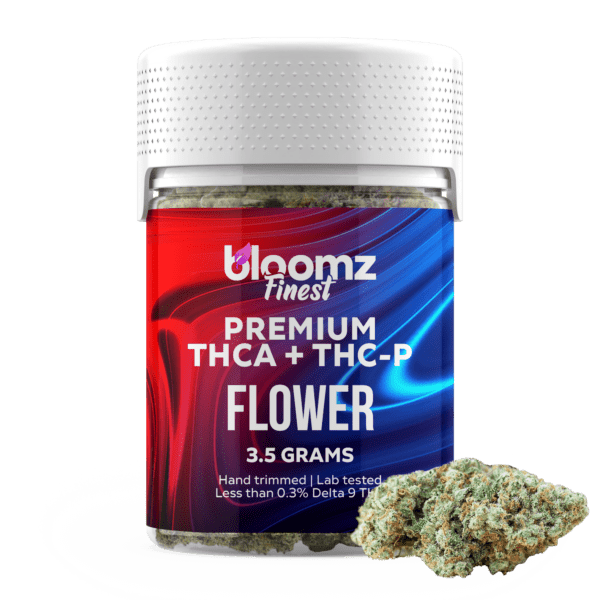
Delta 8 THC Flower
$24.99$39.99 -
THC-P Flower
$29.99$43.99 -
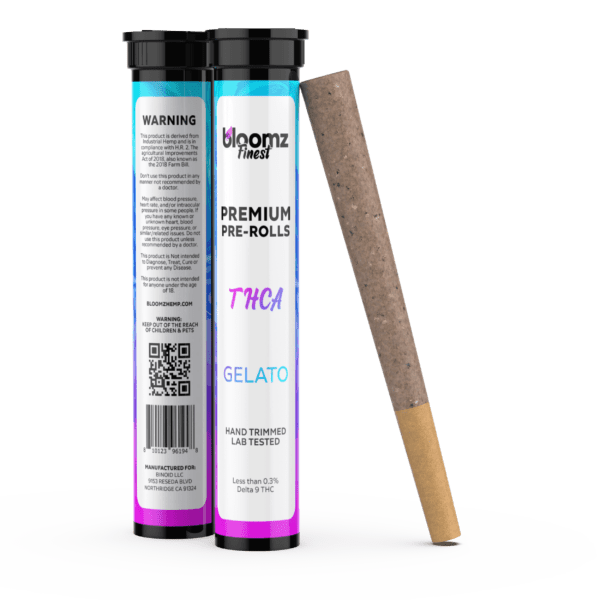
Exotic THCA Pre-Rolls Gold Line – 3-Pack/6 Pack
$36.99$69.99


What Is CO2?
CO2, or carbon dioxide, is a naturally occurring gas composed of one carbon atom and two oxygen atoms. It is a critical component of Earth’s atmosphere and essential for life. Plants use CO2 during photosynthesis, the process by which they convert light energy into chemical energy. In simple terms, CO2, water, and light allow plants to produce sugars, which fuel growth and flower production.
For cannabis, CO2 is not just a background element—it is an essential nutrient. While normal atmospheric CO2 levels (around 400 parts per million, or ppm) are sufficient for standard plant growth, increasing CO2 concentrations can accelerate growth, enhance yields, and improve overall plant health and potency.
A Brief History of CO2 in Agriculture and Cannabis
The concept of CO2 enrichment is not new. Farmers and horticulturists have used CO2 supplementation in greenhouses for decades to increase crop yields. Early experiments demonstrated that higher CO2 concentrations can increase photosynthesis, growth rates, and fruit production.
In cannabis growing, CO2 became popular as indoor grows and greenhouses expanded in the 1980s and 1990s. Growers discovered that increasing CO2 levels allowed cannabis plants to grow faster, flower more efficiently, and produce larger yields without expanding the grow space. Today, CO2 supplementation is standard in professional cultivation facilities, particularly for high-value strains where potency and yield are critical.
Why CO2 Is Important for Cannabis
Cannabis plants rely on photosynthesis to convert CO2, water, and light into energy. During photosynthesis, CO2 is absorbed through small pores in the leaves called stomata. The plant converts this CO2 into glucose and other sugars that support all stages of growth, from root development to bud formation.
Increasing CO2 levels above natural atmospheric concentrations can enhance photosynthesis efficiency, which is particularly valuable in indoor grows. Growers can manipulate environmental factors such as light intensity, humidity, and temperature alongside CO2 levels to maximize plant growth, yield, and potency.
Benefits of CO2 Supplementation
-
Faster Growth: Elevated CO2 allows cannabis plants to convert energy into biomass more efficiently, reducing vegetative growth time.
-
Higher Yields: Increased photosynthesis can produce larger flowers, denser buds, and heavier harvests.
-
Enhanced Potency: Some research suggests CO2-enriched environments can stimulate higher cannabinoid and terpene production, improving flavor and aroma.
-
Stress Resistance: Cannabis grown in CO2-rich conditions may tolerate heat, high light, and other environmental stressors more effectively.
-
Optimized Resource Use: CO2 enrichment allows plants to utilize light and nutrients more efficiently, improving overall grow room productivity.
How CO2 Is Used in Cannabis Growing
CO2 can be introduced to cannabis grow rooms and greenhouses through multiple methods, each suited for different scales and grow types. The goal is usually to raise CO2 concentrations to 800–1,200 ppm during periods of active light exposure.
CO2 Tanks
Compressed CO2 tanks are one of the most precise methods for indoor growers. Regulators and distribution systems release CO2 evenly throughout the grow space, allowing growers to maintain consistent levels. This approach is ideal for professional cultivation where exact control is necessary.
CO2 Generators
CO2 generators burn propane or natural gas to produce CO2 as a byproduct. Greenhouses often use these systems because they can generate significant amounts of CO2, along with heat, which is useful in colder environments. Proper ventilation is required to prevent heat stress or safety hazards.
Recommended products
-
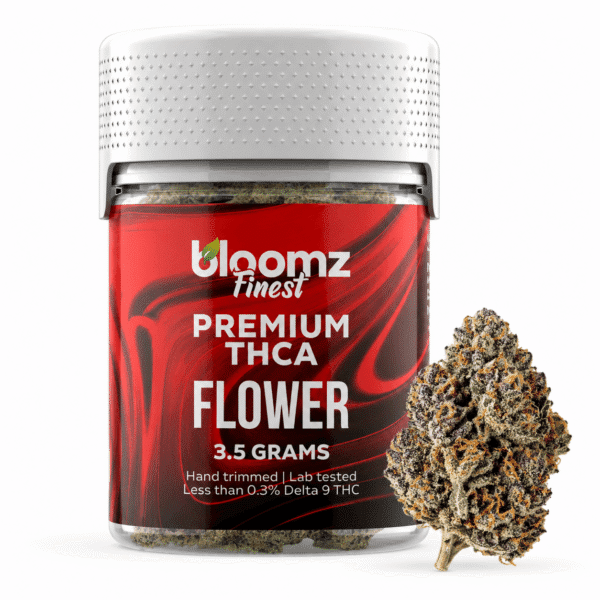
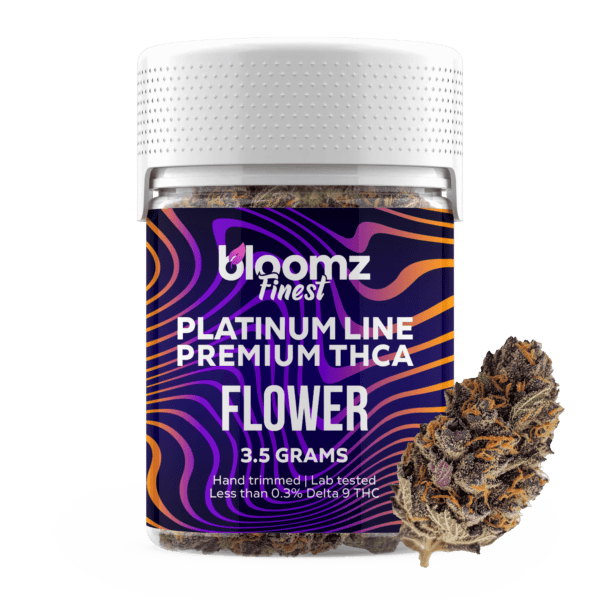
THCA Flower – Platinum Line
$47.99$79.99 -
THCA Flower – Mystery Reserve
$41.99$79.99 -
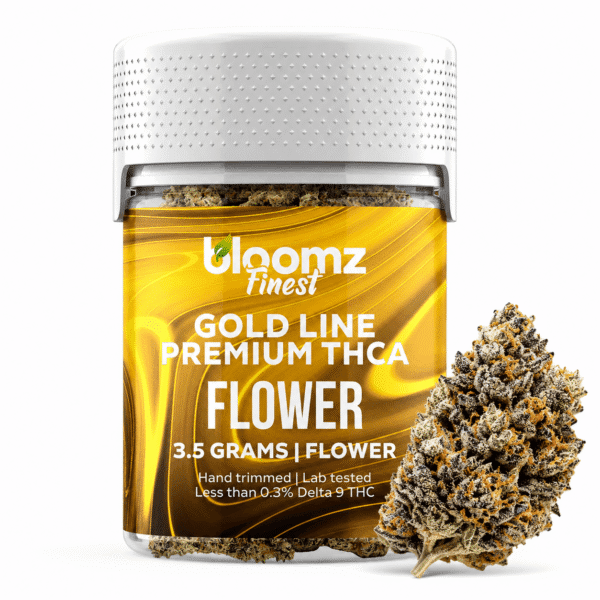
THCA Flower – Exotics – Gold Line
$37.99$89.99 -
THCA Smalls
$139.99$256.99


Dry Ice
Dry ice, the solid form of CO2, sublimates into gas and releases CO2 into the grow area. While less common for large operations, dry ice can supplement small grow rooms. Growers must handle dry ice carefully to avoid burns and ensure oxygen levels remain safe for humans.
Natural Methods
Some growers use natural CO2 sources, such as fermentation, composting, or bacteria in soil and hydroponic solutions. These methods generate smaller amounts of CO2, but they can complement other supplementation strategies.
Indoor vs. Outdoor CO2 Use
CO2 supplementation is primarily effective indoors or in greenhouses where environmental conditions can be controlled. Outdoors, atmospheric CO2 levels are generally sufficient, and adding supplemental CO2 is impractical.
Indoor growers often match CO2 enrichment to light cycles. During darkness, CO2 supplementation is paused, as plants do not photosynthesize without light. This strategy conserves resources and maintains safety.
CO2 and Light Intensity
CO2 supplementation is most effective when paired with high-intensity lighting. The more light energy available, the more efficiently plants can convert CO2 into growth energy. In low-light conditions, added CO2 has limited impact, so balancing light, CO2, and other factors is critical.
Potential Risks and Considerations
While CO2 can enhance cannabis growth, improper use poses risks:
-
Human Safety: CO2 concentrations above 5,000 ppm can be dangerous, causing dizziness, headaches, or suffocation in poorly ventilated areas. Proper ventilation and monitoring are essential.
-
Plant Stress: Overusing CO2 without proper light, temperature, or humidity control can harm plants or produce uneven growth.
-
Cost: Supplementing CO2 involves equipment, tanks, or generators, adding to operational expenses. The benefits are most apparent in professional setups.
CO2’s Effects on Cannabis Plants
Proper CO2 enrichment can produce noticeable improvements:
-
Bigger Leaves and Stems: More robust vegetative growth supports larger flowers.
-
Denser Buds: Enhanced photosynthesis leads to thicker, heavier flowers.
-
Improved Terpenes: Optimized growth conditions can boost aroma and flavor.
-
Faster Growth Cycles: Plants can reach harvest readiness sooner, increasing efficiency.
CO2 and Cannabis Products
CO2-enriched cannabis is used across multiple product types:
-
Flower: Produces larger, more resinous buds with consistent cannabinoid and terpene profiles.
-
Concentrates: Cleaner, potent flowers result in high-quality extracts like shatter, live resin, or distillates.
-
Vapes: CO2-enriched flower can contribute to stable cannabinoid content and flavor in vape cartridges.
Recommended products
-
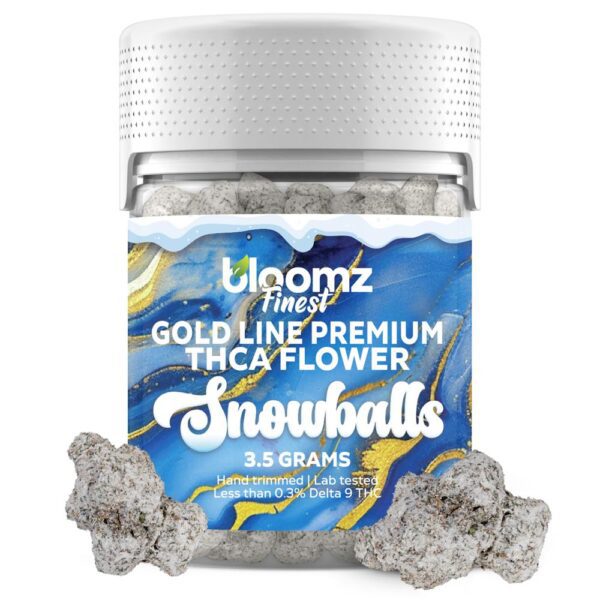
THCA Snowballs – Gold Line
$57.99$89.99 -
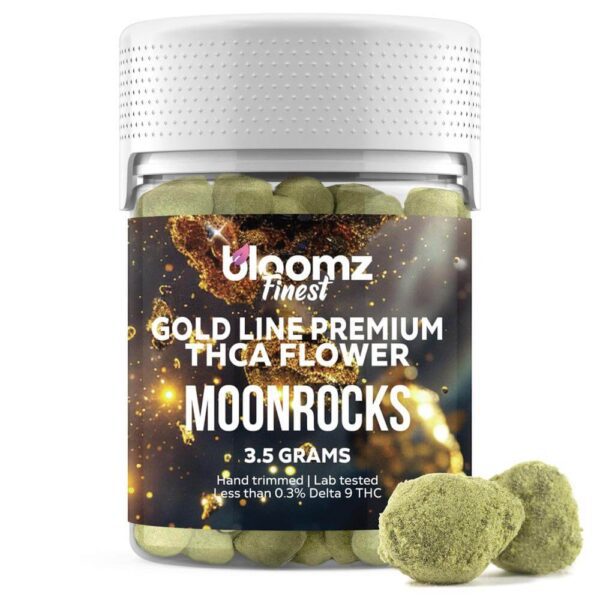
THCA Moonrocks – Gold Line
$57.99$89.99 -
Blazed Exotic THCA Flower
$36.99$79.99 -
Blazed Strongest Exotic THCA Snow Caps
$58.99$93.99

CO2 and Consumer Awareness
While CO2 supplementation does not automatically make cannabis “better,” it is a hallmark of professional cultivation aimed at maximizing growth, potency, and consistency. Consumers purchasing premium flowers or concentrates are often enjoying CO2-enriched cannabis without realizing it.
Common Misconceptions About CO2 in Cannabis
-
CO2 is unnatural or unsafe: Properly managed CO2 is safe for plants and humans.
-
CO2 increases potency by itself: Its effects depend on light, nutrients, and environmental control.
-
All cannabis uses CO2: Outdoor plants rely on natural atmospheric levels, so supplementation is mostly an indoor or greenhouse strategy.
Environmental Impact of CO2 Supplementation
CO2 enrichment can be environmentally efficient and energy-intensive. Indoor systems recycle CO2, reducing waste, but require electricity for lighting, pumps, and ventilation. Advanced LED lighting and climate systems are helping reduce energy consumption in modern grow rooms.
Final Thoughts: What CO2 Does for Cannabis
CO2 is an essential element in cannabis growth, supporting photosynthesis, flower development, and overall plant health. Supplementing CO2 in controlled environments can enhance growth speed, yield, and potentially cannabinoid and terpene content. Understanding CO2’s role helps consumers appreciate the scientific precision behind premium cannabis cultivation.
While not required for all grows, CO2 is a powerful tool in professional cannabis production, enabling growers to maximize both quantity and quality in their harvests.
TO BUY HEMP FLOWER CLICK HERE
Recommended products
-
Exotic THCA Smalls
$169.99$329.99 -
THCA + THC-P Flower
$47.99$89.99 -
THCA Flower
$27.99$79.99 -
THCA Pre-Rolls – 3-Pack/6-Pack
$30.99$59.99