In the world of cannabis concentrates, one term often appears in discussions about quality, clarity, and potency: CRC. Consumers, extractors, and dispensaries alike reference CRC when evaluating products like live resin, badder, sauce, or shatter. But what exactly is CRC? How does it work? Is it safe? And why has it become both widely used and controversial in the cannabis industry?
This article will answer those questions and more. We will explore the science, chemistry, production methods, regulatory landscape, and practical consumer considerations of CRC — providing a comprehensive, authoritative guide for anyone looking to understand this extraction refinement process.
TO BUY CANNABIS CONCENTRATE CLICK HERE
What Does CRC Stand For?
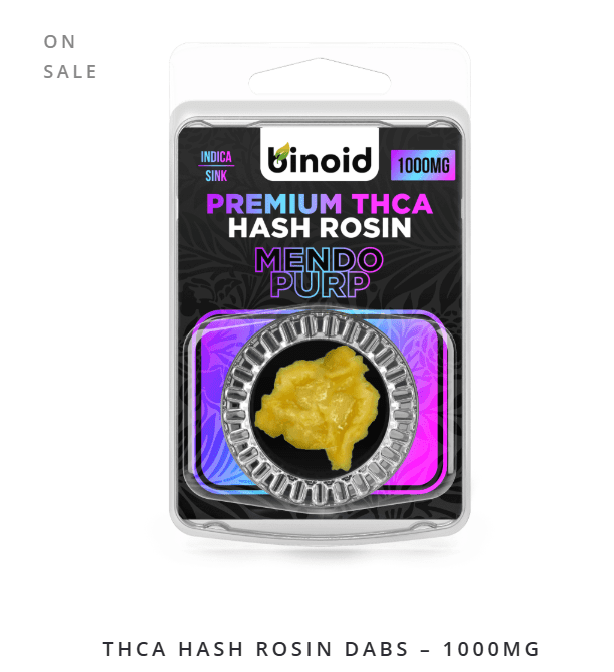
CRC stands for Color Remediation Column, a filtration technique used in hydrocarbon cannabis extraction to improve the color and clarity of concentrates. Essentially, CRC is a method of purifying crude cannabis extracts by removing undesirable pigments, lipids, and plant-derived impurities while ideally leaving cannabinoids and terpenes intact.
The term “color remediation” reflects the goal: lighter, more visually appealing concentrates that meet consumer expectations for purity, smoothness, and aesthetic appeal.
Why Color Matters in Cannabis Concentrates
Cannabis concentrates vary widely in color, from dark brown and green to bright golden yellow. The visual characteristics of a concentrate can indicate several things:
-
Pigment content – residual chlorophyll, carotenoids, flavonoids, and oxidized plant matter.
-
Extraction efficiency – over-extraction of plant material often leads to darker concentrates.
-
Biomass quality – older or improperly cured plant material often produces darker extracts.
-
Processing methods – lack of filtration or refinement increases color variability.
Consumers often perceive lighter-colored concentrates as higher quality, associating clarity and golden hues with purity, potency, and smoother flavor. CRC was developed in part to meet these market expectations, allowing extractors to produce visually appealing products even from biomass that might otherwise yield darker extracts.
How CRC Works
CRC is not a separate extraction method; it is an additional filtration step used during hydrocarbon extraction (typically butane or propane) to refine crude extracts. The process generally follows these steps:
Step 1: Hydrocarbon Extraction
Cannabis biomass is loaded into a closed-loop extraction system, where hydrocarbon solvents like butane or propane dissolve cannabinoids, terpenes, and other resinous compounds from the plant material.
At this stage, the extract is crude — containing:
-
Cannabinoids (THC, CBD, minor cannabinoids)
-
Terpenes
-
Plant pigments (chlorophyll, carotenoids, oxidized flavonoids)
-
Waxes and lipids
-
Residual plant material
This crude extract is usually dark and viscous.
Step 2: Filtration Through the Color Remediation Column
Once the crude extract is collected, it is passed through the CRC, which is essentially a column packed with adsorbent materials designed to selectively remove undesired compounds.
Common filtration media include:
-
Activated charcoal – adsorbs dark pigments and oxidized compounds.
-
Silica gel – binds to polar impurities while allowing non-polar cannabinoids to pass.
-
Bentonite clay – removes lipophilic pigments and residual lipids.
-
Alumina – selectively adsorbs oxidized pigments.
-
Diatomaceous earth – acts as a physical filter to capture fine particulate matter.
The extract flows through the column under controlled pressure, allowing impurities to adhere to the media while cannabinoids and terpenes continue downstream.
Step 3: Solvent Recovery and Concentrate Finishing
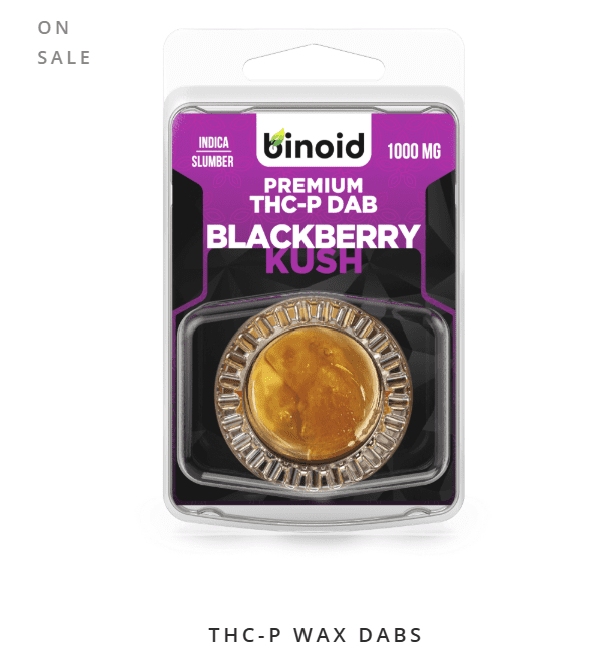
After filtration, the solvent is evaporated and recovered, leaving behind a refined concentrate that is lighter in color. The final product can be processed into various consistencies:
-
Badder or budder – creamy, whipped texture
-
Sugar or sauce – viscous, crystalline appearance
-
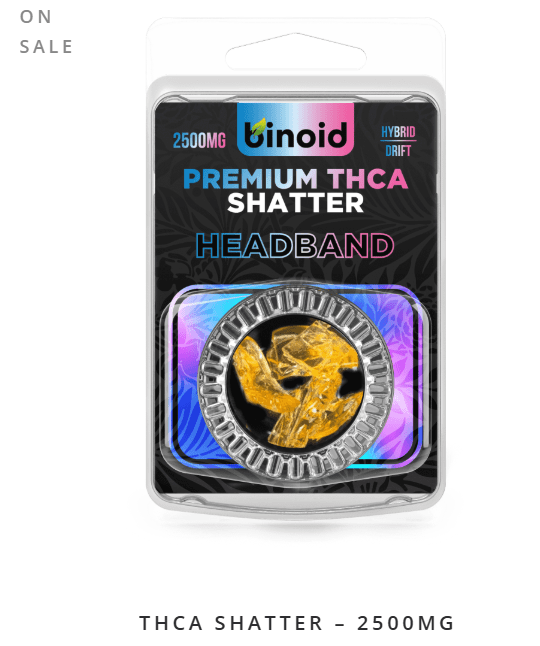
Shatter – hard, translucent sheet
-
Diamonds – crystalline THCA structures within terpene-rich sauce
The result is a product that appears clean, bright, and often more visually appealing than non-CRC extracts.
The Chemistry Behind CRC
At its core, CRC relies on adsorption chemistry, not absorption. This is a crucial distinction:
-
Adsorption – molecules adhere to the surface of the media without being incorporated into its structure.
-
Absorption – molecules penetrate and are taken up into the bulk of the material.
During CRC:
-
Chlorophyll molecules bind to polar adsorbents like silica gel.
-
Oxidized pigments attach to activated charcoal.
-
Waxes and lipids adhere to bentonite clay.
Ideally, cannabinoids and terpenes do not adsorb significantly, but extraction conditions (solvent polarity, temperature, flow rate, media particle size) must be carefully controlled. Improper calibration can strip desirable compounds along with impurities, reducing terpene content and flavor.
Benefits of CRC
When applied correctly, CRC offers several advantages:
-
Improved visual clarity – light-colored concentrates are more appealing to consumers.
-
Reduced unwanted pigments – chlorophyll, oxidized plant compounds, and lipids are minimized.
-
Salvaging older or lower-quality biomass – allows extraction from material that might otherwise yield dark, less marketable concentrates.
-
Consistency – standardized color and clarity across batches enhance brand reliability.
-
Smoother flavor profile – reducing residual plant compounds can create a cleaner taste when vaping or dabbing.
Potential Drawbacks and Controversy
While CRC can produce attractive cannabis products, it has sparked debate:
-
Masking low-quality biomass – critics argue that CRC allows less desirable material to appear premium. Color alone doesn’t indicate freshness, potency, or terpene integrity.
-
Terpene loss – some adsorption media can inadvertently remove aromatic compounds. Over-filtered CRC extracts may be visually appealing but lack flavor complexity.
-
Regulatory and labeling ambiguity – consumers may be unaware that “golden” concentrates underwent chemical filtration. Transparency is essential.
-
Contamination risks – improperly maintained columns or substandard media can introduce particulate contamination into extracts.
Is CRC Safe?
When performed in regulated facilities using closed-loop extraction systems and food-grade filtration media, CRC is considered safe.
Key safety considerations:
-
Use of ISO-compliant adsorbents (food-grade silica, activated carbon)
-
Proper solvent pressure and flow rate to prevent column rupture
-
Thorough post-processing to remove residual filtration media
-
Third-party lab testing to confirm safety (residual solvents, heavy metals, microbial content, potency)
Responsible operators treat CRC as a refinement step rather than a shortcut to mask low-quality material.
CRC vs. Non-CRC Extracts
Non-CRC extracts often appear darker due to retained plant pigments and lipids. Some consumers prefer these cannabis products because they believe:
-
Flavor profiles are more authentic
-
Biomass quality is transparent
-
Terpene preservation is higher
CRC products, on the other hand, are prized for:
-
Visual appeal – golden, translucent concentrates
-
Consistency – reliable color and clarity
-
Cleaner appearance – reduced plant debris and wax content
Ultimately, quality depends on biomass selection, extraction technique, and post-processing, not just CRC.
Regulatory Considerations
CRC is legal in most regulated cannabis markets, but it is subject to general extraction regulations:
-
Closed-loop system requirements – fire and safety standards
-
Solvent recovery standards – ensures minimal residual hydrocarbons
-
Third-party lab testing – potency, residual solvents, contaminants
-
Traceability and batch documentation – inventory tracking from biomass to final product
Regulatory agencies generally treat CRC as an extraction refinement rather than a synthetic additive. However, products must meet all safety and labeling standards.
Consumer Evaluation of CRC Products
When evaluating CRC concentrates:
-
Check the COA – verify cannabinoid content, residual solvents, and terpene levels.
-
Assess aroma – heavy terpene loss may indicate over-filtration.
-
Compare color – while golden hues are attractive, they should not be the sole quality metric.
-
Purchase from reputable brands – transparency about extraction and CRC use is critical.
-
Evaluate batch consistency – high-quality operators maintain consistent color and potency across batches.
Advanced Technical Considerations
Flow Rate and Pressure
-
The flow rate of hydrocarbon through the CRC column impacts adsorption efficiency.
-
Too fast: insufficient contact, incomplete pigment removal.
-
Too slow: excessive adsorption, potential terpene stripping.
-
Controlled pressure is essential to maintain column integrity and avoid solvent flashing.
Media Selection and Particle Size
-
Silica gel, activated carbon, and bentonite clay vary in adsorption capacity.
-
Finer particles increase surface area but may clog the column.
-
Coarser particles reduce adsorption efficiency but allow smoother flow.
Solvent Polarity
-
Hydrocarbon solvents are non-polar; their interaction with media affects which compounds are adsorbed.
-
Media selection must account for solubility differences between cannabinoids, terpenes, and pigments.
Lab Testing Specific to CRC
Third-party labs verify:
-
Potency – HPLC measures cannabinoid concentration
-
Terpene profile – GC-FID or GC-MS evaluates aromatic compounds
-
Residual solvents – GC-FID ensures solvent levels are below legal limits
-
Heavy metals – ICP-MS detects lead, arsenic, cadmium, and mercury
-
Microbial contamination – PCR or plating methods confirm safety
A COA ensures CRC extracts are safe and accurately labeled.
Common Misconceptions
-
CRC equals artificial enhancement – Not inherently; it’s a filtration step using inert materials.
-
Color indicates potency – Frosty or golden extracts may not be stronger; lab testing is required.
-
All CRC products are over-processed – When properly done, CRC can preserve cannabinoids and terpenes while improving appearance.
The Market and Consumer Perception
CRC has grown popular because:
-
Visual branding is important in dispensaries and online marketplaces
-
Social media amplifies expectations for sparkling, golden concentrates
-
High trichome-rich flower is often processed with CRC to meet aesthetic standards
Educated consumers now look beyond color to evaluate quality, focusing on COAs, aroma, and flavor in addition to visual appeal.
The Future of CRC
Ongoing industry innovation aims to refine CRC further:
-
Selective media that remove pigments but retain terpenes
-
Automated flow control for consistent filtration
-
Cryogenic hydrocarbon extraction for optimal terpene preservation
-
Real-time lab monitoring during extraction to prevent over-filtration
As the industry matures, transparency and science-driven production will define the next generation of high-quality concentrates.
Final Thoughts
CRC, or Color Remediation Column, is a filtration technique used to refine hydrocarbon cannabis extracts by removing pigments, lipids, and oxidized compounds. When executed properly, it produces lighter-colored, visually appealing concentrates while ideally preserving cannabinoids and terpenes.
While CRC has sparked debate about masking biomass quality, over-filtration, and consumer transparency, it is a safe and legitimate refinement method when applied in regulated, closed-loop extraction systems and verified by third-party lab testing.
For consumers, understanding CRC helps evaluate concentrates beyond appearance — emphasizing potency, terpene profile, and lab verification over color alone. For extractors, CRC represents a sophisticated tool to improve product quality, reduce waste, and meet the expectations of an evolving cannabis marketplace.
By learning the chemistry, production process, and regulatory considerations of CRC, both consumers and professionals can make informed decisions in a market where clarity, both literally and figuratively, matters
TO BUY CANNABIS CONCENTRATE CLICK HERE