HHC-P is one of the newer cannabinoids making serious noise in the hemp world, and it’s not hard to understand why. If you’ve been shopping for hemp-derived vapes, gummies, or tinctures lately, you’ve probably noticed HHC-P popping up more often—usually marketed as a stronger, longer-lasting, and more intense alternative to standard HHC. For many consumers, HHC-P feels like the next step up, especially for people who feel like Delta 8 doesn’t hit hard enough anymore.
At the same time, HHC-P can be confusing. It sounds like HHC, it’s often grouped with THC-P, and the claims around it can feel bigger than life. Some brands describe it as “ultra potent,” others compare it directly to Delta 9 THC, and many people aren’t sure where it fits in the bigger cannabinoid landscape. Is it natural? Is it safe? Is it legal? Does it actually get you higher than regular THC?
In this Cannabis Terms Explained guide, we’re going to break down what HHC-P is in plain language, how it’s made, how it works, what effects people report, how it compares to HHC and Delta 9, and what you should know before you try it.
To Buy HHC-P Products Click Here
What Is HHC-P?
HHC-P (sometimes written as HHCP) stands for hexahydrocannabiphorol. It’s a cannabinoid that is structurally similar to HHC (hexahydrocannabinol), but with one key difference: HHC-P has a longer alkyl side chain. That side chain matters because it may influence how strongly the cannabinoid binds to the body’s cannabinoid receptors, especially CB1 receptors.
If you’ve ever heard of THC-P, you’ve probably seen the same explanation. THC-P is a cannabinoid that became famous because research suggests it binds more strongly to CB1 receptors than Delta 9 THC. HHC-P is often discussed as a hydrogenated counterpart to THC-P, meaning it shares some structural similarities but belongs to the HHC family rather than the THC family.
While scientific research on HHC-P is still limited compared to Delta 9 THC or CBD, the general consensus among many consumers is that HHC-P can be significantly more potent than HHC, Delta 8, and Delta 10, and may deliver a stronger experience than many people expect.
Is HHC-P Natural or Synthetic?
This is one of the most important questions, and it’s where a lot of confusion comes from.
HHC-P may exist naturally in cannabis in trace amounts, but the reality is that it does not occur in high enough concentrations to be extracted commercially in a practical way. That means the HHC-P you see in products on the market is typically produced through lab-based conversion processes.
This is why HHC-P is often considered a semi-synthetic cannabinoid. That term doesn’t automatically mean “bad” or “unsafe,” but it does mean the compound is not being pulled straight out of the plant like THC in dispensary flower. Instead, it’s created by converting hemp-derived cannabinoids through controlled chemical reactions.
Because HHC-P is produced through conversion, the quality of the final product depends heavily on the manufacturer. Reputable brands use controlled processes and provide full third-party lab testing to verify purity, potency, and safety. Low-quality producers may cut corners, and that’s where problems can happen.
How Is HHC-P Made?
Most HHC-P begins with hemp-derived cannabinoids like CBD. Through a conversion process, the CBD is transformed into other cannabinoids. In the case of HHC-P, the process involves creating a cannabinoid with a “p” side chain (similar to THC-P), then hydrogenating it to create a hexahydrocannabinol-style structure.
Hydrogenation is the process of adding hydrogen atoms to a molecule. It’s used in many industries, including food and pharmaceuticals. In the cannabis world, hydrogenation changes how the cannabinoid behaves and often improves stability. It can also influence how the compound interacts with cannabinoid receptors.
The exact methods used can vary, and that’s why lab testing is so important. The best HHC-P products are made in clean facilities, with full compliance testing, and with COAs that show not just cannabinoid potency but also contaminant screening.
How Does HHC-P Work in the Body?
HHC-P interacts with the body’s endocannabinoid system, which is a network of receptors that helps regulate things like mood, appetite, stress response, sleep, and pain perception.
The two most talked-about cannabinoid receptors are CB1 and CB2. CB1 receptors are primarily found in the brain and central nervous system, and they play a major role in psychoactive effects. CB2 receptors are more associated with immune function and body-based effects.
HHC-P is believed to have a strong interaction with CB1 receptors, which is why it can produce a noticeable psychoactive high. The longer side chain may contribute to stronger receptor binding, which could help explain why many users find HHC-P more intense than standard HHC.
Does HHC-P Get You High?
Yes. HHC-P is psychoactive and can absolutely get you high.
In fact, this is one of the main reasons it’s popular. HHC-P is usually marketed toward consumers who want a stronger THC-like experience, especially people who have built tolerance to Delta 8 or even Delta 9.
That said, the “type” of high can vary based on the product, the terpene profile, dosage, and your personal body chemistry. Some people describe HHC-P as euphoric and mentally heavy, while others feel it’s more body-focused and sedating.
What Does HHC-P Feel Like?
HHC-P is commonly described as intense, long-lasting, and more “stoned” than HHC. Many users report a deep body relaxation combined with a strong mental buzz.
At lower doses, HHC-P may feel uplifting and euphoric, with a noticeable mood boost and a calming mental shift. At higher doses, it can become heavy, sedating, and couch-locking.
Some users compare HHC-P to Delta 9 THC, while others say it feels even stronger. A lot depends on your tolerance and how much you take. People who rarely use THC may find even small amounts of HHC-P overwhelming, while heavy concentrate users may find it strong but manageable.
Because HHC-P can be intense, it’s not always the best cannabinoid for casual daytime use. Many consumers prefer it for evening relaxation, stress relief, or a “turn the brain off” vibe.
How Strong Is HHC-P?
HHC-P is generally considered high potency. While exact potency is difficult to define in a single number, it’s widely seen as stronger than:
-
Delta 8 THC
-
Delta 10 THC
-
Standard HHC
-
Many Delta 9 products at similar dosage
HHC-P is often compared to THC-P, which has a reputation for being extremely strong. However, because HHC-P is newer and has less research behind it, the best way to approach it is with caution.
If you’ve never tried HHC-P before, treat it like a “high potency” cannabinoid. Start with very small doses and work your way up slowly.
HHC-P vs HHC: What’s the Difference?
HHC and HHC-P are related cannabinoids, but they are not the same.
HHC is often described as a smooth, balanced high that sits between Delta 8 and Delta 9. It’s noticeable but usually not overwhelming, making it popular for everyday use.
HHC-P is usually described as much stronger and more intense. Many consumers see HHC-P as a “step up” from HHC. The effects can feel heavier, longer-lasting, and more mind-altering.
If HHC is a cannabinoid you can casually hit throughout the day, HHC-P is more like the one you use when you want a bigger experience and you have nothing important to do for a while.
HHC-P vs Delta 9 THC
Delta 9 THC is the classic cannabinoid most people associate with cannabis. It’s the main psychoactive compound in marijuana flower, concentrates, and most traditional edibles.
HHC-P is often compared to Delta 9 because it can produce a similar type of high, but many people say it lasts longer and hits harder at lower doses.
However, Delta 9 has decades of widespread consumer experience and scientific research behind it. HHC-P is newer, and the market is still evolving. That means product quality can vary more widely than traditional Delta 9 products from regulated dispensaries.
If you’re someone who enjoys Delta 9 but wants to explore new cannabinoids, HHC-P can be interesting. But it should be approached carefully, especially if you’re used to mild cannabinoids like Delta 8.
HHC-P vs THC-P
HHC-P and THC-P are often grouped together because they share the “p” side chain, which is associated with stronger receptor binding.
THC-P is generally considered one of the strongest cannabinoids available. HHC-P is often positioned as a similar experience, but with a slightly different feel due to hydrogenation.
Some users say HHC-P feels smoother than THC-P, while others feel THC-P is more intense. Because both are very potent, most consumers won’t need large doses of either.
How Long Does HHC-P Last?
HHC-P is often described as longer-lasting than HHC, Delta 8, and Delta 10.
When vaped, HHC-P effects may last around 2–4 hours, with a strong peak in the first hour. When eaten in gummies, it can last much longer—often 6–10 hours depending on dose.
Some users report that HHC-P edibles can feel like a “full evening” experience, which is great if you want a long-lasting high but not ideal if you need something quick and short.
What Products Contain HHC-P?
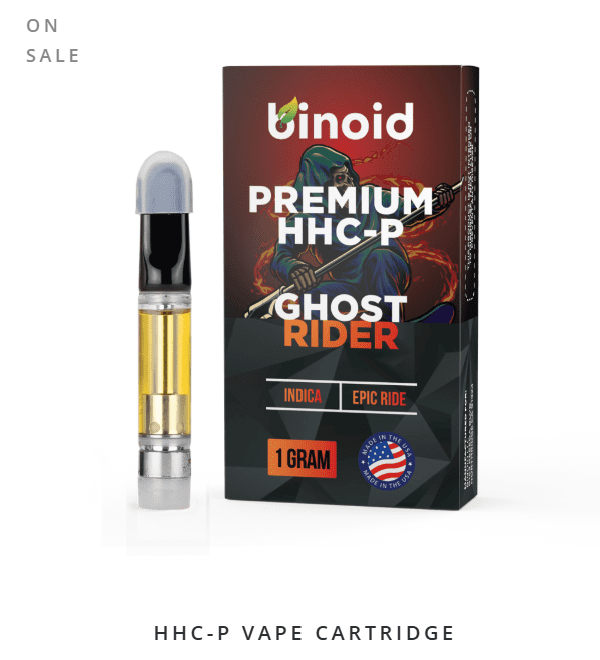
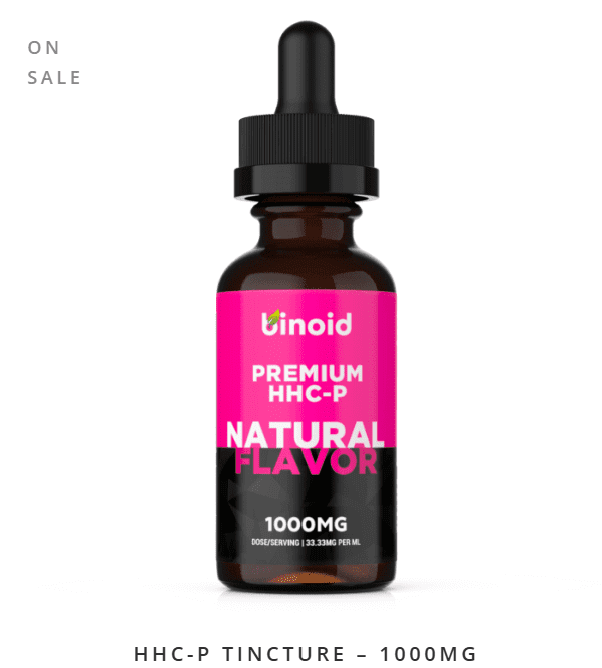
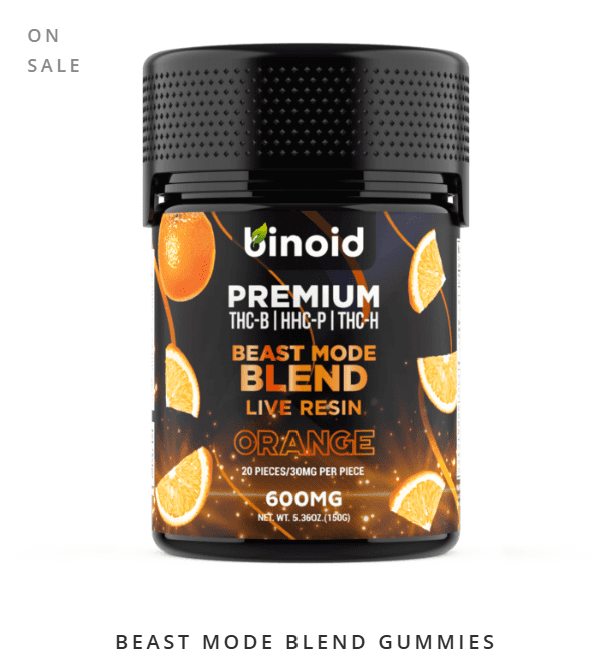
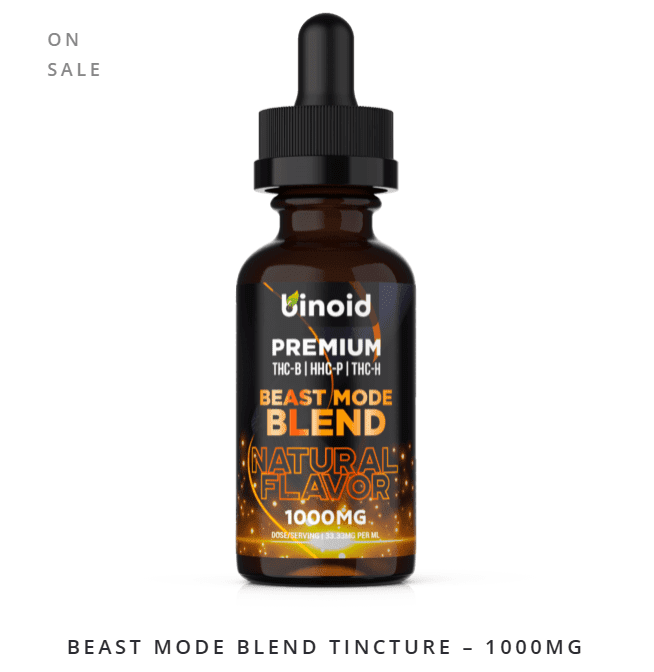
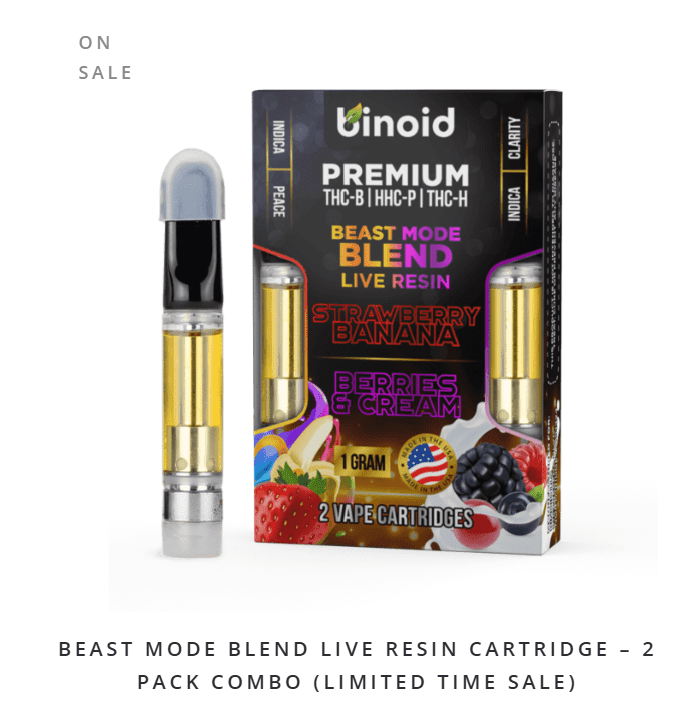
HHC-P is commonly found in:
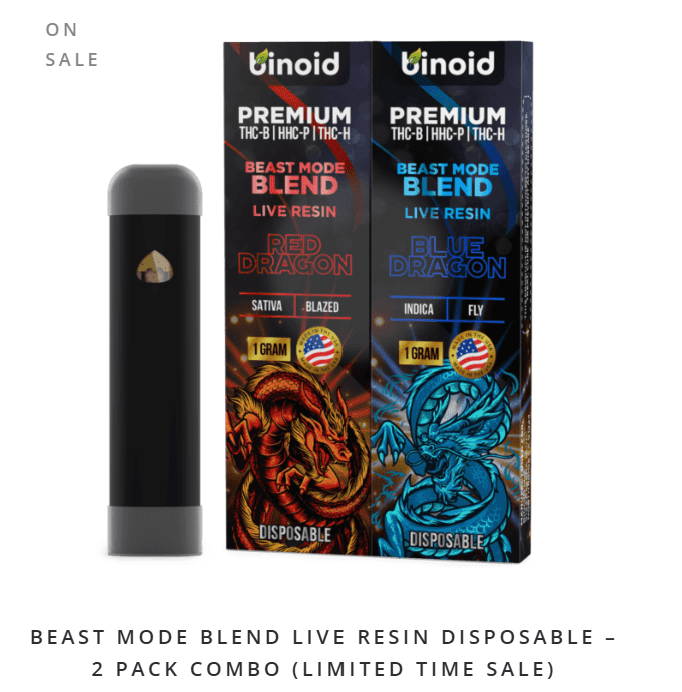
Many brands sell HHC-P in blends rather than pure form because it’s so potent. This can help create a smoother, more balanced experience and make dosing easier.
HHC-P and Lab Testing (COAs)
Because HHC-P is produced through conversion, lab testing matters more than ever.
A high-quality HHC-P product should have:
-
Potency testing (cannabinoid breakdown)
-
Residual solvent testing
-
Heavy metals testing
-
Pesticide testing
-
Microbial testing (especially for gummies)
If a product only has potency testing and nothing else, that’s a red flag. HHC-P is not a cannabinoid you want to gamble with.
Is HHC-P Legal?
Legality depends heavily on where you live. Many HHC-P products are sold under the hemp-derived category, but state laws vary widely and change quickly.
Some states ban certain hemp cannabinoids, especially ones created through conversion. Others allow them as long as Delta 9 THC stays under federal limits for hemp products.
Because the legal landscape is constantly evolving, consumers should always check local laws before purchasing.
Is HHC-P Safe?
There isn’t enough long-term research to make broad claims about HHC-P safety. However, many consumers use it without issues when they purchase from reputable brands and dose responsibly.
The biggest safety concerns come from:
-
Poorly made products
-
Lack of lab testing
-
Contaminants or unknown byproducts
-
Overconsumption due to high potency
In other words, the cannabinoid itself isn’t necessarily the problem—the product quality and dosing are what matter most.
Responsible Use: HHC-P Dosing Tips
HHC-P is not a “take a big bite and see what happens” cannabinoid.
If you’re vaping HHC-P for the first time, start with one small puff and wait at least 10–15 minutes. With gummies, start with a small portion and wait 2 full hours before taking more.
Many people overdo HHC-P because they assume it’s like Delta 8. It isn’t. HHC-P can hit harder and last longer.
If you take too much, the best approach is to stay calm, hydrate, eat something, and wait it out. The effects will pass, but it may take time.
Final Thoughts: What Is HHC-P?
HHC-P is a high-potency cannabinoid in the HHC family, known for strong, long-lasting psychoactive effects. It’s typically produced through hemp-derived conversion processes and is most commonly found in vapes, gummies, and blended cannabinoid products.
For experienced THC users looking for a more intense cannabinoid experience, HHC-P can be appealing. For beginners, it should be approached with caution, low doses, and only from reputable, lab-tested brands.
To Buy HHC-P Products Click Here