The Compound Everyone Knows and Nobody Fully Understands
Delta-9 tetrahydrocannabinol is the most recognized name in the entire cannabinoid lexicon. It is the compound at the center of decades of cultural conversation about cannabis — the molecule behind the experiences that have been celebrated, studied, prohibited, legalized, and debated in legislatures and living rooms alike for the better part of a century. Ask anyone to name a cannabinoid, and Delta-9 THC is almost certainly what they name. It has achieved a cultural ubiquity that no other compound in the hemp or cannabis space comes close to matching.
And yet, for all its cultural familiarity, Delta-9 THC is among the least well-understood compounds in the average consumer’s practical knowledge base. Most people know that it produces psychoactive effects. Many know it is the primary intoxicating compound in cannabis. Very few understand how it actually works at the molecular level, why its effects vary so dramatically across different consumers and different product formats, what role the surrounding formulation plays in shaping the experience it produces, or — critically — why the hemp-derived Delta-9 THC products available today represent a genuinely new and sophisticated expression of a compound that most consumers think they already fully understand.
This article is about filling that gap. And it is about why Bloomz Hemp‘s Delta-9 product line represents the most compelling argument available for taking hemp-derived Delta-9 THC as seriously as it deserves to be taken — not as a legal workaround or a budget alternative to dispensary cannabis, but as a genuinely premium cannabinoid experience in its own right, crafted with a level of formulation sophistication that the compound’s cultural familiarity has never, until now, reliably guaranteed.
TO BUY THC PRODUCTS CLICK HERE
Recommended products
-
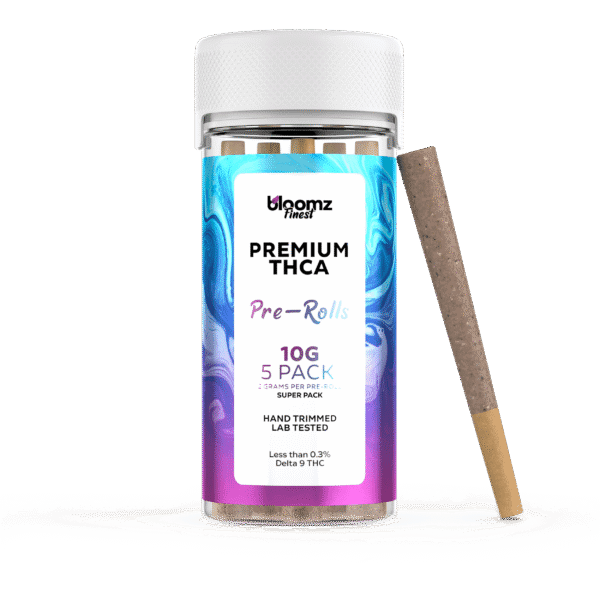
2 Gram THCA Pre-Rolls – 5 Pack
$63.99$89.99 -
Delta 8 THC Flower
$24.99$39.99 -
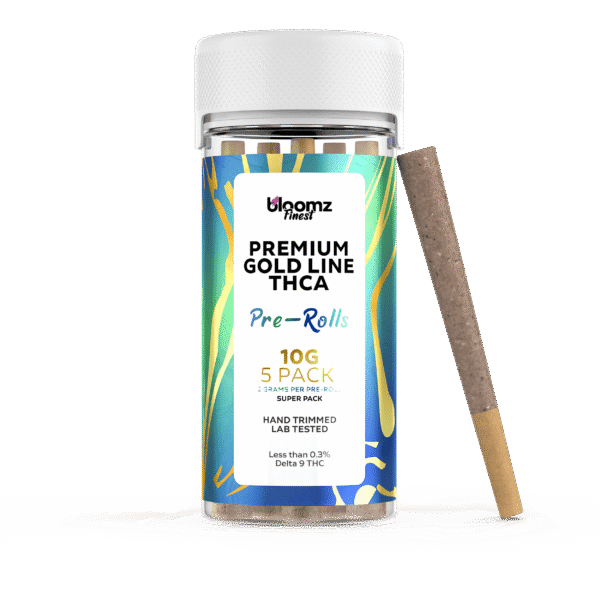
Exotic 2 Gram THCA Pre-Rolls – 5 Pack – Gold Line
$67.99$99.99 -
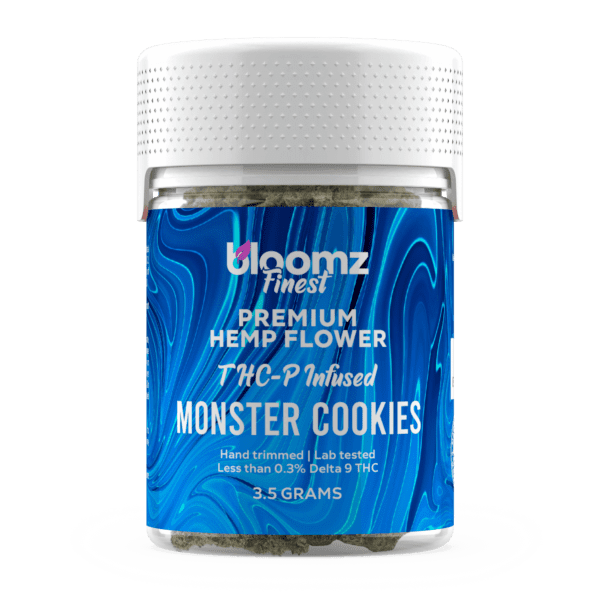
THC-P Flower
$29.99$43.99
The Legal Architecture: What Hemp-Derived Delta-9 Actually Means
Before diving into the experiential and formulation dimensions of Delta-9 THC, it is worth spending a moment on the regulatory framework that makes hemp-derived Delta-9 products possible — because understanding this framework illuminates something important about the category and about the brands operating within it responsibly.
The 2018 Farm Bill established a federal legal distinction between hemp and marijuana based on a single parameter: Delta-9 THC concentration. Plant material containing less than 0.3% Delta-9 THC by dry weight is classified as hemp and is legal at the federal level. Plant material above this threshold is classified as marijuana and remains subject to federal prohibition, regardless of the purposes for which it is used or the state-level regulatory environment in which it is produced.
For hemp-derived product manufacturers, this framework created the possibility of producing finished products — gummies, tinctures, oils — that contain meaningful concentrations of Delta-9 THC per serving while remaining compliant with federal law, provided the total Delta-9 THC concentration in the finished product falls within the 0.3% by dry weight threshold. For an edible product with significant mass relative to its cannabinoid content — a gummy, for instance — this threshold allows for Delta-9 concentrations per piece that are experientially significant while remaining federally compliant.
This is not a loophole. It is a consequence of the law’s structure — one that responsible brands have navigated with genuine care for both regulatory compliance and consumer transparency. Bloomz’s hemp-derived Delta-9 products are formulated explicitly within this framework, with potency levels calibrated to deliver genuine experiential value while maintaining full federal compliance, and with the third-party lab testing documentation to verify that compliance at the batch level. This is the appropriate way to operate in this regulatory environment, and the care with which Bloomz approaches it is itself a signal of the brand’s broader commitment to responsible practice.
The Molecular Science: How Delta-9 THC Actually Works
Delta-9 THC produces its characteristic effects by interacting with the body’s endocannabinoid system — a regulatory network of receptors, endogenous ligands, and enzymes distributed throughout the brain, central nervous system, and peripheral tissues. The endocannabinoid system plays a role in modulating a remarkably wide range of physiological processes, including mood, perception, appetite, memory consolidation, pain processing, and the regulation of stress responses.
Delta-9 THC exerts its primary psychoactive effects by binding to CB1 receptors — the cannabinoid receptors most densely concentrated in the brain, particularly in regions associated with pleasure, memory, thinking, coordination, and sensory and time perception. This binding mimics, with considerably greater potency and longer duration, the action of the body’s own endogenous cannabinoid compounds — primarily anandamide — that serve as natural modulators of CB1 receptor activity under normal physiological conditions.
The specific character of the Delta-9 experience — the particular quality of altered sensory perception, temporal distortion, mood elevation, and cognitive shift that it produces — is a function of which CB1-expressing brain regions are most significantly affected, and this varies meaningfully across individuals based on the density and distribution of their CB1 receptors, their baseline endocannabinoid tone, and their prior exposure history. This molecular individuality is one of the most important reasons why Delta-9 THC experiences are so variable across consumers and why any responsible dosing framework has to begin with individual calibration rather than universal prescriptions.
When Delta-9 THC is consumed in edible form — through a Bloomz gummy, for instance — it undergoes an additional molecular transformation that is worth understanding explicitly. First-pass hepatic metabolism converts a portion of the ingested Delta-9 THC into 11-hydroxy-THC, a metabolite that crosses the blood-brain barrier more readily than Delta-9 itself and is generally understood to produce a more intense and longer-lasting experiential profile than an equivalent concentration of Delta-9 via inhalation. This metabolic conversion is the primary reason edible-delivered Delta-9 THC feels different in character from inhaled Delta-9, even at similar nominal milligram doses — and understanding it is essential for any consumer trying to calibrate their Bloomz edible experience against prior cannabis or hemp inhalation experience.
Recommended products
-
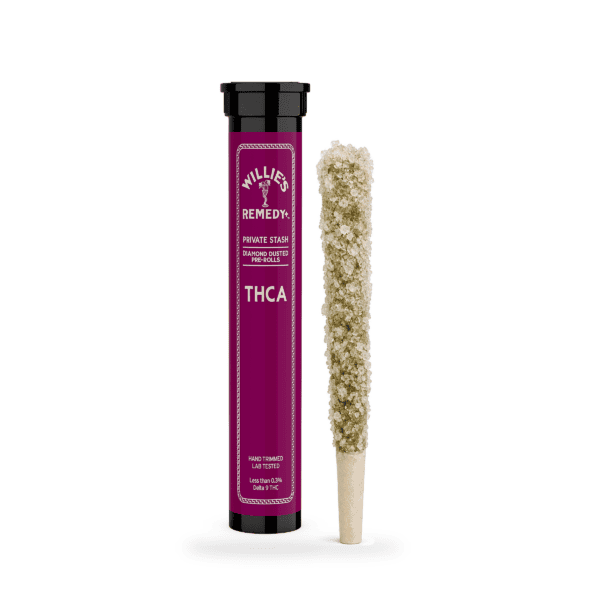
THCA Diamond Dusted Pre-Rolls – Willie’s Remedy – 5 Pack
$69.99$109.99 -
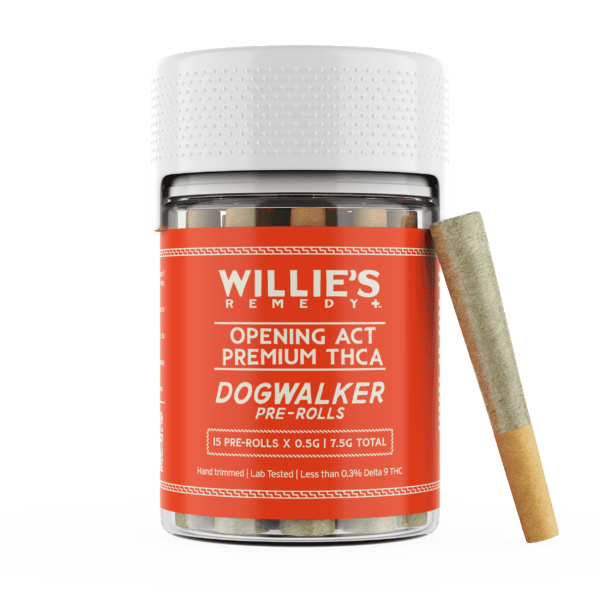
THCA Dogwalker Pre-Rolls – Willie’s Remedy
$44.99$67.99 -
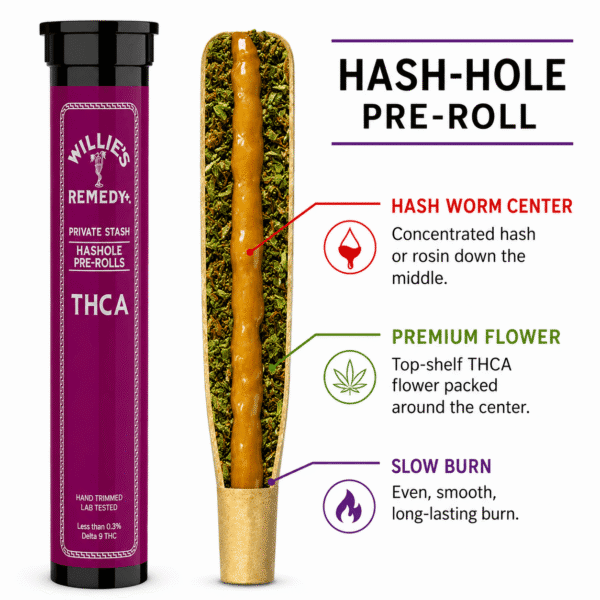
THCA HashHole Pre-Rolls – Willie’s Remedy
$24.99$34.99 -
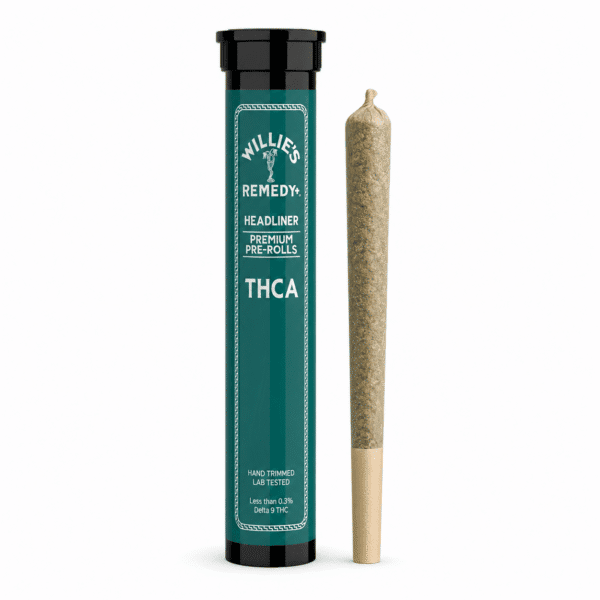
THCA Headliner Pre-Rolls – Willie’s Remedy
$37.99$54.99
What Makes Hemp-Derived Delta-9 Different — and Why It Matters
The cultural assumption that hemp-derived Delta-9 THC is simply a lesser version of dispensary cannabis Delta-9 — a legal substitute that approximates the real thing without quite achieving it — reflects a fundamental misunderstanding of what the hemp-derived category has become. The dispensary environment, for all its advantages in terms of regulatory oversight and product diversity, does not have a monopoly on formulation sophistication. And in several dimensions that matter significantly to the quality-conscious consumer, the best hemp-derived Delta-9 products — products like those in the Bloomz lineup — have not just matched the dispensary standard but developed a distinct character of their own that deserves evaluation on its own terms.
The most significant of these dimensions is formulation intentionality. The dispensary cannabis product market is large and varied, containing everything from genuinely sophisticated, carefully crafted products to commodity items manufactured at scale with cost efficiency as the primary driver. Hemp-derived Delta-9 brands operating in the premium tier of the market — brands that have chosen to compete on quality rather than price — have developed formulation philosophies that in many cases exceed the median dispensary product’s level of craft. The ability to precisely control the cannabinoid blend surrounding the Delta-9 component, to select terpene profiles with experiential intentionality, and to manufacture products with the batch-to-batch consistency that a sophisticated edible formulation requires has become a genuine competitive strength of the hemp-derived category’s best practitioners.
Bloomz’s Delta-9 formulations exemplify this strength. Rather than treating Delta-9 THC as a standalone active ingredient to be delivered in the highest concentration the regulatory framework permits, the brand designs its Delta-9 products around the full experiential architecture of the compound — the role that surrounding cannabinoids play in shaping its character, the contribution of specific terpene profiles to the overall sensory and experiential quality, and the importance of precise, consistent dosing in making the experience reliable enough to be genuinely useful as a component of an adult consumer’s deliberate leisure practice.
The Formulation Dimension: Why Bloomz’s Delta-9 Blends Outperform Single-Compound Alternatives
The most important formulation decision any Delta-9 hemp brand makes is whether to use the compound as a single active ingredient or as the primary component of a thoughtfully designed multi-cannabinoid blend. This decision is consequential in ways that go well beyond marketing positioning, and the experiential difference it produces is substantial enough to be immediately legible to any consumer who has experienced both approaches.
A pure Delta-9 THC edible — one in which the only cannabinoid present in meaningful concentration is Delta-9 itself — delivers the compound’s effects without the modulating influence of the surrounding cannabinoid environment. The experience tends to have a particular character that regular cannabis consumers will recognize: clear in its intensity, potentially sharp in its onset, and lacking the rounded, multi-dimensional quality that a well-formulated blend can achieve. For many consumers, this unmodulated Delta-9 experience is perfectly satisfying. For many others — particularly those with lower tolerance, sensitivity to anxiety or overstimulation, or a preference for nuanced rather than intense experiences — it represents the primary challenge of the category.
Bloomz addresses this challenge through deliberate cannabinoid synergy. The brand’s Delta-9 formulations are designed around the interaction between Delta-9 THC and complementary cannabinoids — most commonly CBG (cannabigerol) and CBN (cannabinol) — whose presence alongside Delta-9 produces an experiential profile that is meaningfully different from Delta-9 alone. CBG, sometimes described as producing a clarifying or focusing quality in the endocannabinoid system context, tends to round the edges of the Delta-9 experience in ways that consumers report as making the overall effect feel more intentional and less overwhelming. CBN, with its characteristically sedative-adjacent quality, contributes a depth and settledness to the experiential profile that single-compound Delta-9 formulations simply cannot replicate.
The terpene layer adds a third dimension to this formulation architecture. Myrcene, present in many of Bloomz’s Delta-9 formulations, is associated with the relaxed, body-forward quality that many cannabis consumers associate with indica-leaning experiences — a quality that, when integrated with the Delta-9 and CBG cannabinoid base, produces an experience with a specific and recognizable character that consumers can seek out deliberately. Limonene contributes a brighter, more mood-elevated quality that leans toward the energetic and social rather than the sedative. The ability to choose between these flavor and experience profiles within the Bloomz Delta-9 range is itself a form of consumer empowerment that single-product, single-compound brands cannot offer.
Recommended products
-
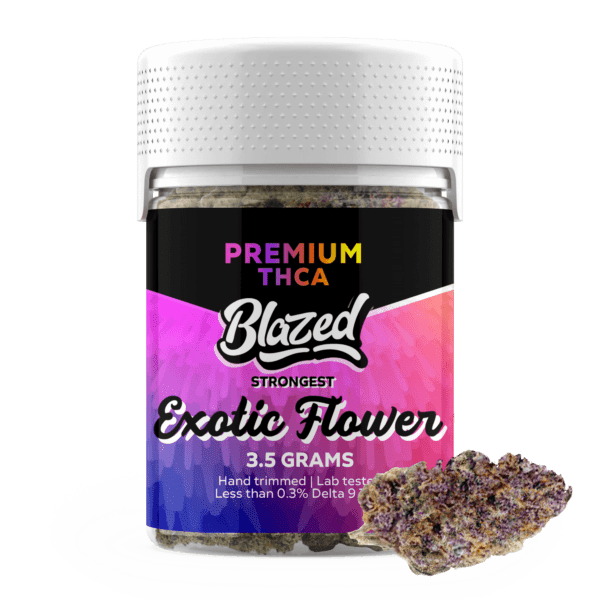
Blazed Exotic THCA Flower
$36.99$79.99 -
Exotic THCA Smalls
$169.99$329.99 -
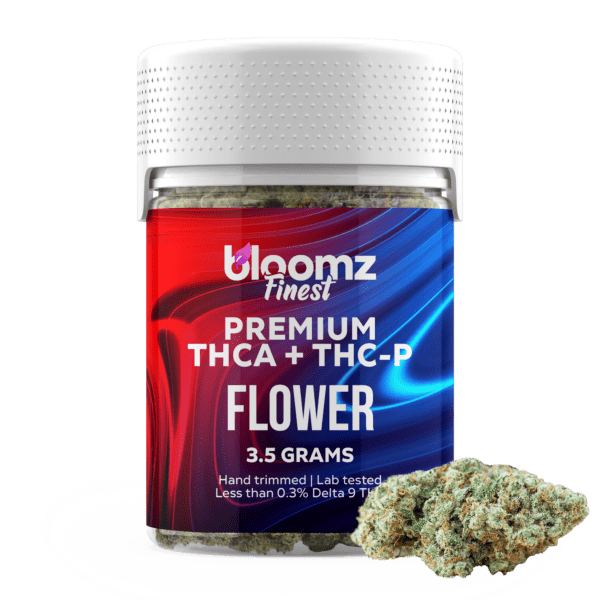
THCA + THC-P Flower
$47.99$89.99 -
THCA Flower
$27.99$79.99
The Consistency Imperative: Why Delta-9 Demands More From Its Manufacturers
Delta-9 THC is, among the cannabinoids commonly used in hemp-derived products, the one for which dosing consistency matters most. The experiential difference between a properly dosed Delta-9 product and one that delivers significantly more or less than its labeled amount is not subtle — it is the difference between an experience the consumer chose and one they did not. And the consequences of significant underdosing (a consumer who concludes the product doesn’t work and takes more) or significant overdosing (a consumer who receives an unexpectedly intense experience from a dose they believed to be moderate) are both negative in ways that the more forgiving cannabinoid compounds simply do not produce as readily.
This places an unusual burden on Delta-9 hemp manufacturers to maintain dosing consistency — a burden that the best brands, including Bloomz, meet through manufacturing process control and finished product testing standards that go well beyond regulatory minimums. The fact that Bloomz‘s multi-cannabinoid Delta-9 formulations show consistent cannabinoid concentrations across batches — verified through the third-party COAs the brand makes accessible to its consumers — is not just a quality credential. It is a safety-adjacent assurance that the consumer can trust the label and calibrate their experience accordingly.
The Delta-9 Experience: What to Actually Expect From Bloomz
Having established the molecular science, the regulatory context, and the formulation philosophy, the most useful thing this article can do for a consumer considering their first or next Bloomz Delta-9 purchase is to describe, as honestly and specifically as possible, what the experience is actually like — stripped of marketing language and delivered in the vocabulary of felt sensation.
A Bloomz Delta-9 gummy at a moderate dose — calibrated for the individual consumer’s tolerance, consumed with the patience that the edible format requires — produces an onset that begins as a general loosening of mental tension, a slight brightening of sensory perception, and a warmth in the body that is noticed rather than felt as a distinct physical event. As the experience develops over the following hour, the character of the formulation becomes more legible: the CBG component contributes a quality of open, interested attention that distinguishes the experience from the more insular, inward-turning quality of high-dose Delta-9 without accompanying cannabinoids. The terpene profile, which has been present as a flavor quality since the moment of consumption, begins to feel relevant to the experiential character in ways that are real without being analytically precise — the myrcene-forward formulations feel more settled and embodied, the limonene-forward ones more elevated and social.
The peak arrives without drama, at the level of intensity that the dose and the individual’s endocannabinoid system together determine, and it holds with a consistency that reflects the formulation’s multi-cannabinoid balance rather than the sharp rise and fall of single-compound products. The descent is gradual, taking place over two to three hours in most consumers at moderate doses, leaving behind the particular quality of evening ease that is the best possible outcome of a well-designed hemp edible experience.
This is what Delta-9 THC done right feels like. Not overwhelming, not underwhelming, not a crude pharmacological event but a crafted sensory experience with a beginning, a middle, and an end — all of them pleasant, and all of them a direct reflection of the formulation decisions Bloomz has made on behalf of the consumer who is experiencing them. The compound has been around for a very long time. This quality of expression is newer. And it is, without reservation, worth seeking out.
TO BUY THC PRODUCTS CLICK HERE
Recommended products
-
THCA Flower – Exotics – Gold Line
$37.99$89.99 -
THCA Flower – Mystery Reserve
$41.99$79.99 -
THCA Flower – Platinum Line
$47.99$79.99 -
THCA Smalls
$139.99$256.99