When discussing cannabis policy in the United States, one phrase appears repeatedly in legal, political, and scientific conversations: Schedule I. The term carries enormous weight because it determines how cannabis is treated under federal law, how researchers can study it, how businesses operate, and how the criminal justice system enforces drug policy. To understand modern cannabis regulation — and the ongoing debates around reform — it’s essential to understand what Schedule I means, where it comes from, and how it applies to cannabis today.
This article breaks down Schedule I in depth, exploring its legal origins, scientific criteria, historical impact, implications for cannabis research and business, the differences between federal and state law, and the future of scheduling reform.
To Buy Cannabis Flower Click Here
Recommended products
-
Delta 8 THC Flower
$24.99$39.99 -
THC-P Flower
$29.99$43.99 -
Exotic THCA Pre-Rolls Gold Line – 3-Pack/6 Pack
$36.99$69.99

The Origin of Schedule I
Schedule I is a classification under the Controlled Substances Act (CSA), which was passed in 1970 as part of the broader Comprehensive Drug Abuse Prevention and Control Act. The CSA created a system for categorizing drugs and substances into five schedules based on their:
-
Potential for abuse
-
Accepted medical use in treatment in the United States
-
Safety under medical supervision
Under this system:
-
Schedule I is considered the most restrictive classification.
-
Schedule V is the least restrictive.
When the CSA was enacted, cannabis (marijuana) was placed in Schedule I, alongside substances such as heroin and LSD. This classification has shaped federal cannabis policy for more than five decades.
What Defines a Schedule I Substance?
According to the CSA, a substance qualifies as Schedule I if it meets all three of the following criteria:
-
High potential for abuse
-
No currently accepted medical use in treatment in the U.S.
-
Lack of accepted safety for use under medical supervision
This combination makes Schedule I the strictest category in federal drug policy. Substances in this schedule cannot be prescribed by physicians, and research involving them is subject to significant regulatory hurdles.
It’s important to note that “accepted medical use” is a legal and regulatory determination — not simply a scientific one. This distinction has played a major role in the cannabis debate.
Cannabis and Schedule I
Cannabis has remained a Schedule I substance at the federal level since 1970. This classification applies to marijuana and delta-9 THC derived from marijuana plants containing more than 0.3% delta-9 THC by dry weight.
However, federal policy evolved somewhat after passage of the Agricultural Improvement Act of 2018 (commonly called the 2018 Farm Bill). That law removed hemp — defined as cannabis containing 0.3% or less delta-9 THC — from the CSA’s definition of marijuana. Hemp and hemp-derived cannabinoids are no longer Schedule I substances, though they remain regulated.
Still, cannabis containing more than 0.3% delta-9 THC remains federally classified as Schedule I — at least as of this writing.
The Five Schedules Explained
To understand Schedule I fully, it helps to see how it compares to the other categories:
Schedule I
High abuse potential, no accepted medical use, unsafe under supervision.
Examples: heroin, LSD, cannabis (marijuana).
Schedule II
High abuse potential, accepted medical use with severe restrictions.
Examples: cocaine (medical use), methamphetamine, oxycodone.
Schedule III
Moderate to low physical dependence risk, accepted medical use.
Examples: ketamine, anabolic steroids.
Schedule IV
Lower abuse potential.
Examples: benzodiazepines.
Schedule V
Lowest abuse potential among scheduled substances.
Examples: certain cough preparations with small amounts of codeine.
The placement of cannabis in Schedule I has long been controversial, especially given that many states have legalized medical cannabis and acknowledge its therapeutic applications.
Recommended products
-
THCA Snowballs – Gold Line
$57.99$89.99 -
THCA Moonrocks – Gold Line
$57.99$89.99 -
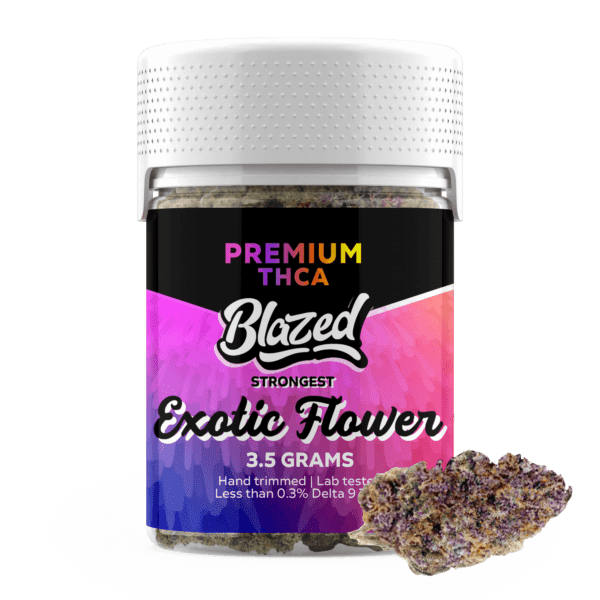
Blazed Exotic THCA Flower
$36.99$79.99 -
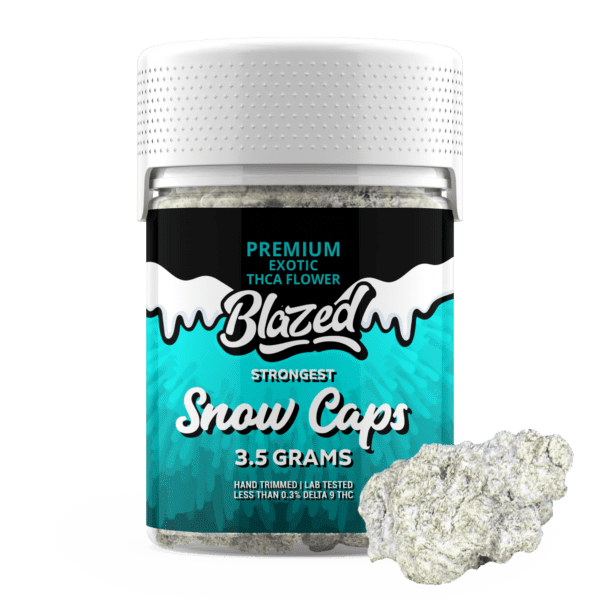
Blazed Strongest Exotic THCA Snow Caps
$58.99$93.99
Why Was Cannabis Placed in Schedule I?
In 1970, cannabis was temporarily placed in Schedule I pending further review. The National Commission on Marihuana and Drug Abuse (also known as the Shafer Commission) was tasked with studying the substance and making recommendations.
In 1972, the commission recommended decriminalizing personal possession of cannabis. However, the federal government did not adopt this recommendation. Cannabis remained in Schedule I — and has stayed there for decades.
Critics argue that cannabis scheduling was influenced as much by politics and cultural concerns as by scientific evidence.
Schedule I and Research Restrictions
One of the most significant impacts of Schedule I status is on scientific research.
Because cannabis is classified as Schedule I:
-
Researchers must obtain special DEA registration.
-
Studies require multiple federal approvals.
-
Cannabis must be sourced from federally authorized facilities.
-
Institutional review boards face added scrutiny.
These barriers have historically limited the amount and quality of cannabis research conducted in the United States.
Researchers often argue that Schedule I creates a circular problem:
-
Cannabis is Schedule I because it allegedly lacks accepted medical use.
-
But research proving medical use is difficult because it is Schedule I.
This regulatory loop has slowed clinical trials and pharmaceutical development involving cannabis compounds.
State Legalization vs. Federal Schedule I
Today, many U.S. states have legalized medical cannabis, and several have legalized adult-use cannabis. However, state laws do not change federal classification.
This creates a unique legal tension:
-
Under state law, cannabis may be legal.
-
Under federal law, it remains a Schedule I controlled substance.
While federal enforcement priorities have shifted over time, Schedule I classification technically still makes cannabis illegal under federal law outside approved research contexts.
Schedule I and Criminal Penalties
Schedule I substances carry some of the most severe federal penalties.
Possession, distribution, cultivation, or manufacturing of Schedule I substances can result in significant criminal consequences depending on quantity and intent.
Even though enforcement against state-legal businesses has been limited in recent years, the Schedule I classification continues to affect:
-
Federal prosecution authority
-
Banking access
-
Interstate commerce restrictions
-
Federal taxation rules
The Tax Impact: 280E
One of the most tangible business consequences of Schedule I status is Internal Revenue Code Section 280E.
Section 280E prohibits businesses trafficking Schedule I or II substances from deducting ordinary business expenses.
For cannabis companies operating legally under state law, this means:
-
No standard deductions for rent, payroll, or marketing.
-
Significantly higher effective tax rates.
If cannabis were rescheduled below Schedule II — or removed from the CSA entirely — 280E would no longer apply.
Recommended products
-
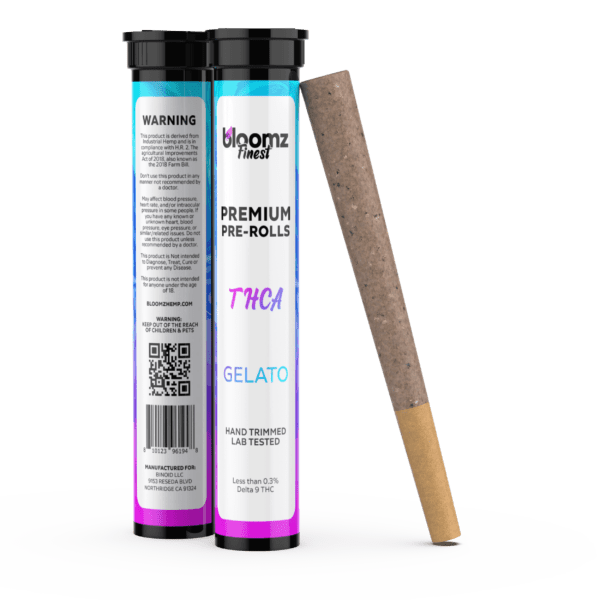
Exotic THCA Pre-Rolls Gold Line – 3-Pack/6 Pack
$36.99$69.99 -
THCA Pre-Rolls – 3-Pack/6-Pack
$30.99$59.99
Rescheduling vs. Descheduling
These two terms are often confused but mean different things.
Rescheduling
Moving a substance from one schedule to another (e.g., from Schedule I to Schedule III).
Descheduling
Removing a substance from the Controlled Substances Act entirely.
Rescheduling would ease restrictions but maintain federal regulation.
Descheduling would remove the substance from CSA control entirely.
Policy debates often center on whether cannabis should be:
-
Rescheduled to Schedule III or lower
-
Fully descheduled
-
Federally legalized under a new regulatory framework
The Ongoing Federal Review
In recent years, federal agencies have reexamined cannabis scheduling. The Department of Health and Human Services has conducted scientific and medical evaluations to determine whether cannabis meets Schedule I criteria.
Any scheduling change requires coordination between:
-
The Department of Health and Human Services
-
The Drug Enforcement Administration
-
The Department of Justice
As policy discussions evolve, Schedule I status remains central to reform conversations.
The Scientific Debate
Critics of Schedule I classification argue that cannabis does not meet the criteria for the category, pointing to:
-
State-recognized medical uses
-
FDA-approved cannabinoid medications
-
Lower overdose risk compared to opioids
Supporters of Schedule I classification argue that:
-
Cannabis carries abuse potential
-
Standardized dosing and safety data remain incomplete
-
Federal approval processes must be rigorous
The debate blends science, law, and politics — making it complex and ongoing.
International Context
The United States is not alone in drug scheduling systems. International drug control treaties have also influenced U.S. cannabis policy.
However, many countries have modernized cannabis policy independently, allowing medical programs or decriminalization while navigating treaty obligations.
This global shift has increased pressure on U.S. federal policy to evolve.
How Schedule I Affects Consumers
For the average consumer, Schedule I status may seem abstract — but it influences:
-
Product availability across state lines
-
Research-backed medical guidance
-
Insurance coverage limitations
-
Federal employment policies
-
Gun ownership rules
-
Housing considerations
Even in legal states, federal classification creates compliance complexities.
Medical Cannabis vs. FDA Approval
Another important distinction: state medical cannabis programs are not the same as FDA-approved medications.
Schedule I classification means cannabis plant material has not gone through the FDA’s standard drug approval process.
However, isolated cannabinoid medications have received FDA approval, demonstrating that components of cannabis can meet federal safety and efficacy standards under proper research conditions.
This nuance is central to the scheduling debate.
Recommended products
-
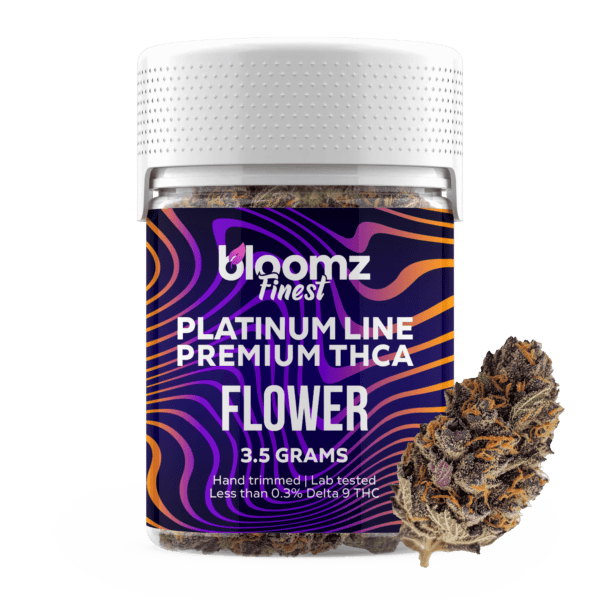
THCA Flower – Platinum Line
$47.99$79.99 -
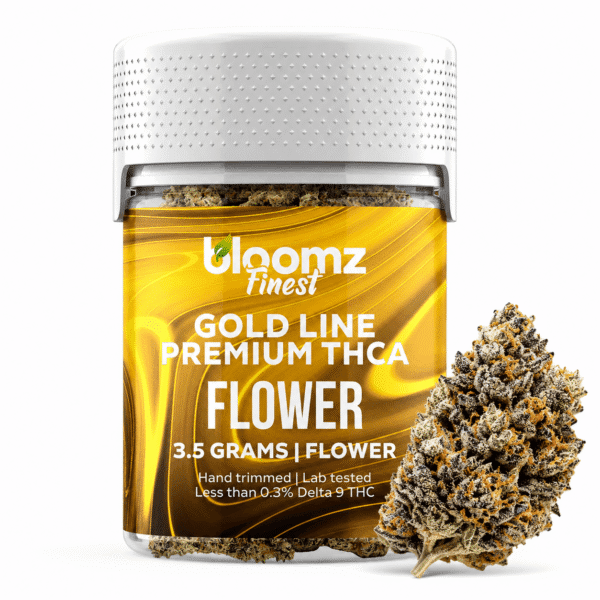
THCA Flower – Exotics – Gold Line
$37.99$89.99 -
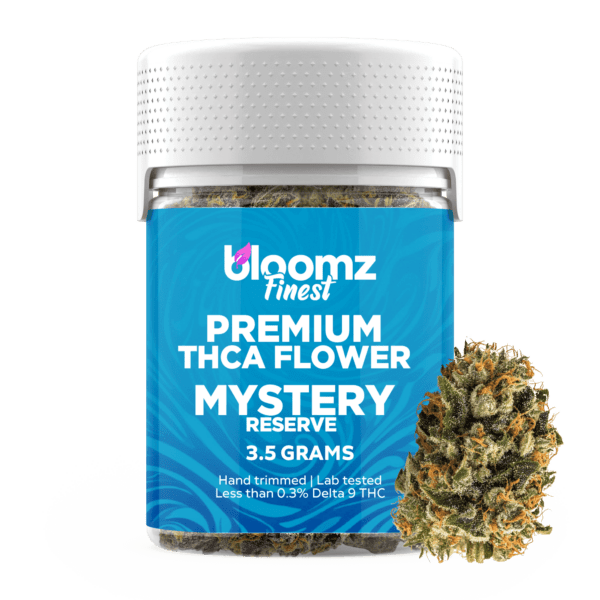
THCA Flower – Mystery Reserve
$41.99$79.99 -
THCA Smalls
$139.99$256.99
The Future of Schedule I and Cannabis
The future of cannabis scheduling could take several paths:
-
Maintain Schedule I status
-
Reschedule to Schedule III
-
Deschedule entirely
-
Create a new federal regulatory category
Each option carries different implications for taxation, criminal law, research, and interstate commerce.
Rescheduling alone would not automatically legalize cannabis nationwide, but it would reduce some federal barriers — particularly for research and taxation.
Why Schedule I Matters
Schedule I is not just a label — it is a legal classification with deep consequences.
It affects:
-
Scientific research access
-
Criminal penalties
-
Tax treatment
-
Medical recognition
-
Banking access
-
Interstate commerce
-
Federal employment policies
Understanding Schedule I helps explain why cannabis reform has moved slowly at the federal level, even as states have embraced legalization.
Conclusion
Schedule I is the most restrictive category under the Controlled Substances Act. A Schedule I substance is defined as having high abuse potential, no accepted medical use, and a lack of accepted safety under medical supervision. Cannabis has remained in this category since 1970, despite decades of policy debate, scientific study, and state-level legalization.
The classification continues to shape research limitations, taxation rules, criminal enforcement, and the broader cannabis industry. Whether cannabis remains in Schedule I, is rescheduled, or is fully descheduled will significantly impact the future of cannabis policy in the United States.
To understand cannabis law, reform efforts, and regulatory complexity, you must first understand Schedule I — because it is the foundation upon which federal cannabis prohibition was built.
To Buy Cannabis Flower Click Here
Recommended products
-
Exotic THCA Smalls
$169.99$329.99 -
THCA + THC-P Flower
$47.99$89.99 -
THCA Flower
$27.99$79.99 -
THCA Pre-Rolls – 3-Pack/6-Pack
$30.99$59.99