As cannabis markets mature, product safety has become just as important as potency. One of the most critical safeguards in both hemp and marijuana industries is pesticide testing. But what exactly does that mean, and why does it matter so much?
Pesticide testing is the laboratory analysis performed on cannabis flower, concentrates, edibles, and other infused products to detect harmful chemical residues used to kill insects, mold, fungi, or weeds during cultivation. Because cannabis is often inhaled or consumed directly, even trace levels of certain pesticides can pose health risks.
Let’s break down how pesticide testing works, why it’s required in many markets, and what it means for consumers.
To Buy Cannabis Flower Click Here
Recommended products
-
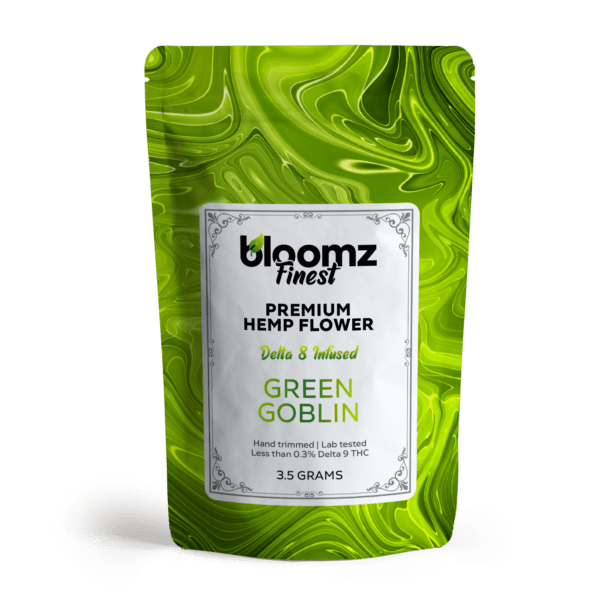
Delta 8 THC Flower
$24.99$39.99 -
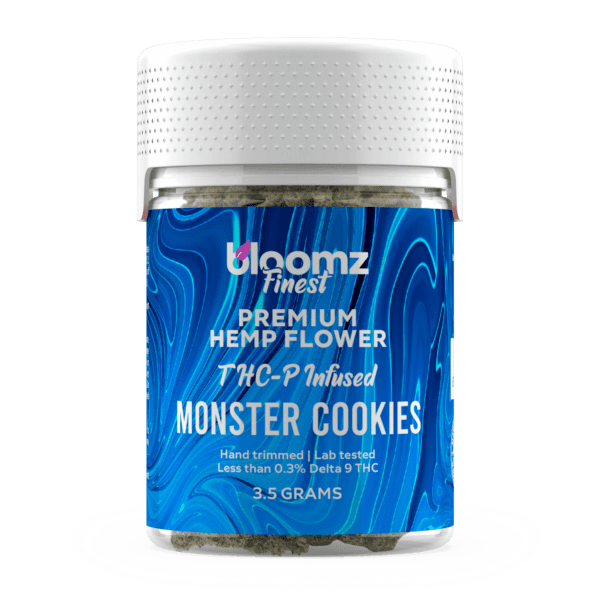
THC-P Flower
$29.99$43.99 -
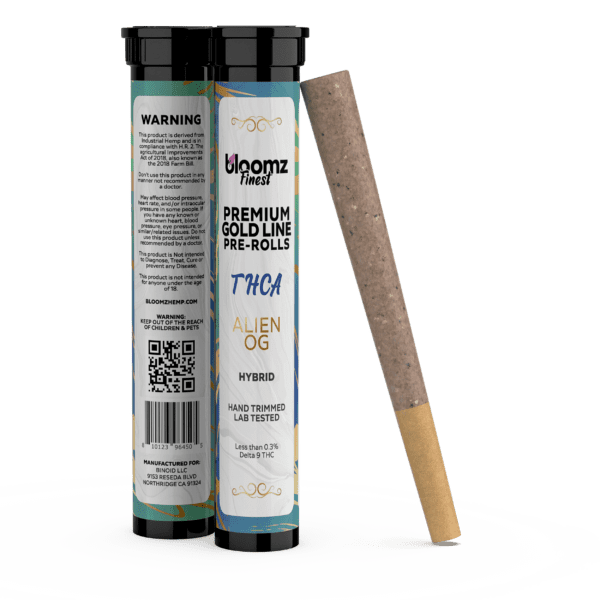
Exotic THCA Pre-Rolls Gold Line – 3-Pack/6 Pack
$36.99$69.99
Why Pesticide Testing Is Necessary in Cannabis
Cannabis is a high-value crop that is vulnerable to:
-
Spider mites
-
Aphids
-
Powdery mildew
-
Botrytis (bud rot)
-
Thrips
-
Fungus gnats
To protect crops, some growers may use pesticides or fungicides. However, not all agricultural chemicals are safe for cannabis — especially when the product is inhaled.
Unlike fruits and vegetables that are washed or peeled, cannabis flower is:
-
Smoked
-
Vaporized
-
Concentrated into extracts
When pesticides are heated and inhaled, they may break down into potentially toxic byproducts. That’s why strict residue limits are essential.
What Is Pesticide Testing?
Pesticide testing is a lab procedure that screens cannabis products for specific chemical residues.
A laboratory will:
-
Collect a representative sample from a batch.
-
Extract chemical compounds from the sample.
-
Analyze it using advanced equipment such as:
-
Gas chromatography (GC)
-
Liquid chromatography (LC)
-
Mass spectrometry (MS)
-
-
Compare results to state-mandated safety limits.
If pesticide levels exceed allowable thresholds, the batch fails and cannot be legally sold in regulated markets.
What Types of Pesticides Are Tested?
Cannabis labs may screen for dozens — sometimes over 60 — different compounds, including:
- Organophosphates
- Carbamates
- Pyrethroids
- Neonicotinoids
- Avermectins
- Fungicides
Some commonly tested pesticides include:
- Myclobutanil
- Bifenazate
- Imidacloprid
- Abamectin
Each state establishes its own list of prohibited or restricted pesticides.
Why Inhalation Makes a Difference
Pesticide limits for cannabis are often stricter than those for food crops.
Why?
Because inhalation can deliver compounds directly into the lungs and bloodstream without passing through digestive filtration systems.
When certain pesticides are heated, they may convert into toxic gases. For example, some fungicides can release hydrogen cyanide when combusted.
This risk makes residue screening essential in inhalable cannabis products.
Recommended products
-
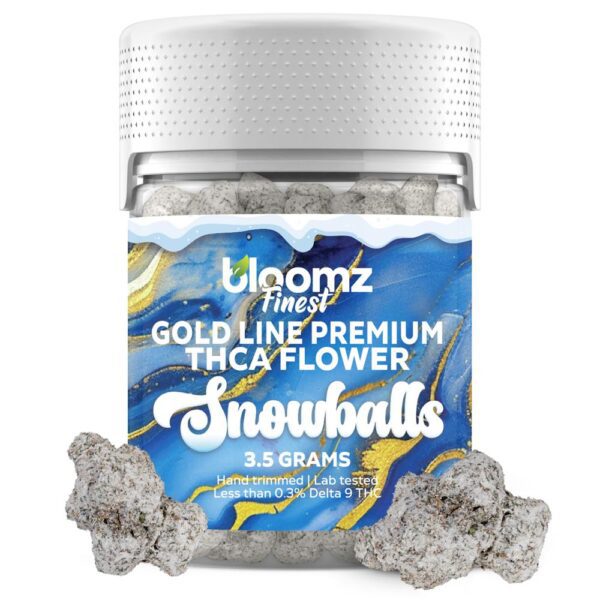
THCA Snowballs – Gold Line
$57.99$89.99 -
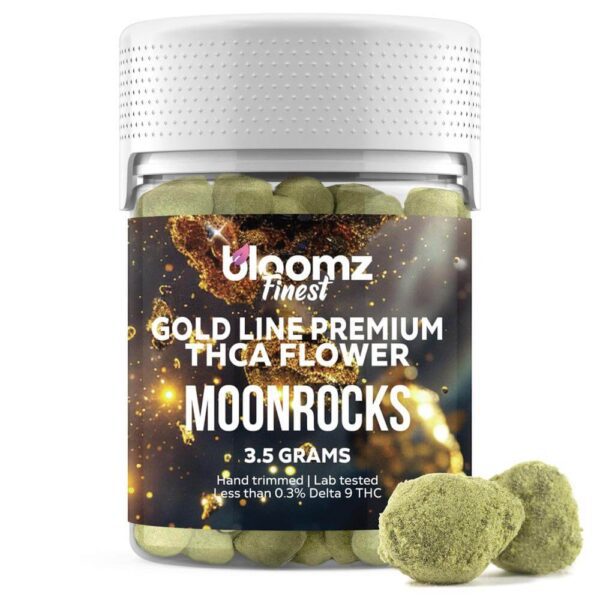
THCA Moonrocks – Gold Line
$57.99$89.99 -
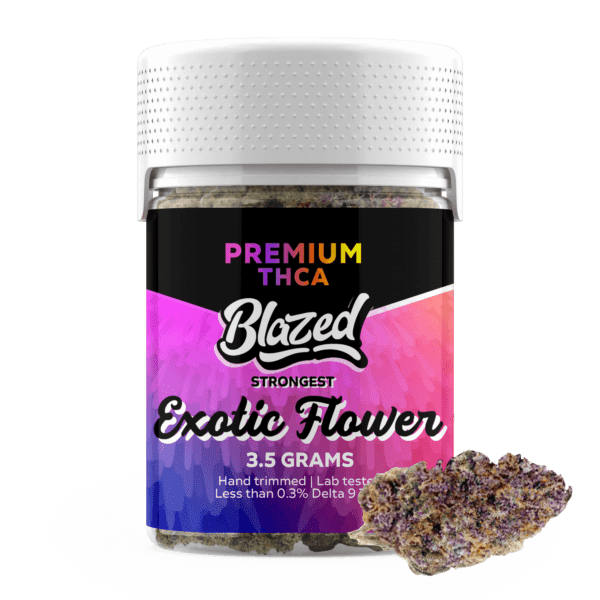
Blazed Exotic THCA Flower
$36.99$79.99 -
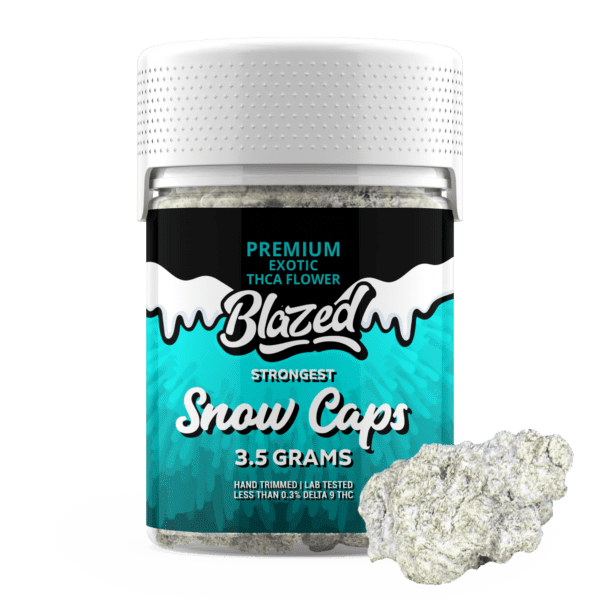
Blazed Strongest Exotic THCA Snow Caps
$58.99$93.99
How Pesticide Testing Fits Into Compliance
In state-legal marijuana markets, pesticide testing is mandatory before products reach retail shelves. Cannabis regulators require a Certificate of Analysis (COA) for each batch.
While marijuana remains federally illegal under the Controlled Substances Act, individual states regulate safety testing within their own programs.
Testing typically occurs alongside:
- Cannabinoid potency analysis
- Terpene profiling
- Microbial testing
- Heavy metal screening
- Residual solvent testing
If a batch fails pesticide testing, it must either be remediated (if allowed) or destroyed.
Hemp and Pesticide Testing
Under the Agriculture Improvement Act of 2018, hemp was federally legalized if it contains no more than 0.3% Delta-9 THC by dry weight.
However, the Farm Bill primarily addresses THC limits — not pesticide standards.
As a result:
- Hemp pesticide regulations vary by state.
- Some states mirror marijuana testing requirements.
- Others have less defined frameworks.
- Oversight may fall under state agriculture departments.
Because hemp-derived products can be sold nationally, third-party lab testing becomes even more important for consumer safety.
What Happens If a Product Fails?
If pesticide levels exceed regulatory limits:
- The product cannot be sold in licensed dispensaries.
- It may undergo remediation (depending on local laws).
- It may be destroyed.
- The cultivator may face fines or penalties.
In strict regulatory states, repeated failures can result in license suspension.
Remediation in Cannabis
Remediation refers to processes used to remove contaminants from cannabis products.
Common remediation methods include:
- Extraction and distillation
- Filtration
- Heat treatment
However, not all pesticides can be safely removed, and remediation is not allowed in every jurisdiction.
Many regulators prefer strict preventative cultivation practices instead of post-harvest fixes.
Recommended products
-
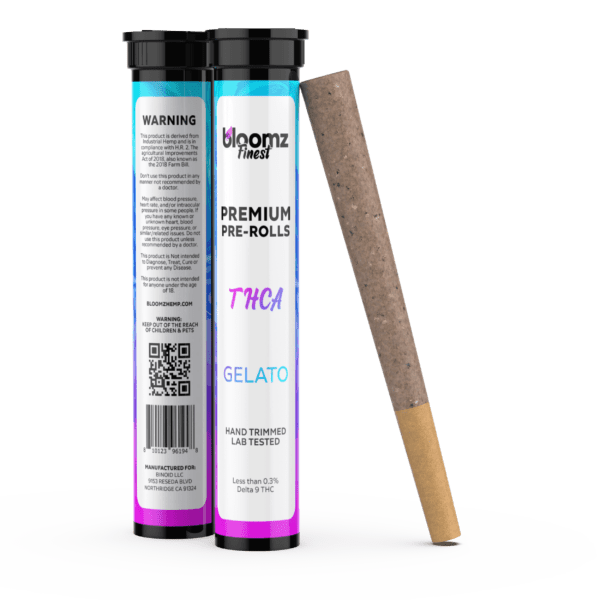
Exotic THCA Pre-Rolls Gold Line – 3-Pack/6 Pack
$36.99$69.99 -
THCA Pre-Rolls – 3-Pack/6-Pack
$30.99$59.99
Preventative Pest Management
Rather than relying on chemical pesticides, many cannabis cultivators use Integrated Pest Management (IPM).
IPM strategies include:
- Beneficial insects (like ladybugs)
- Environmental control (humidity and airflow)
- Biological fungicides
- Organic-approved treatments
- Strict sanitation protocols
These approaches reduce contamination risk before testing ever occurs.
Lab Detection Limits
Cannabis labs use highly sensitive equipment capable of detecting pesticide residues at extremely low concentrations — often measured in parts per billion (ppb).
Detection thresholds are set by state regulators based on toxicology data and inhalation risk models.
Even tiny amounts can trigger a failure if they exceed allowable limits.
Why Third-Party Testing Matters
Independent, accredited laboratories provide unbiased results.
A Certificate of Analysis (COA) typically includes:
- Batch identification
- Testing date
- Lab accreditation number
- Pass/fail results
- Measured pesticide levels
Consumers can often access COAs via QR codes on packaging.
Transparency builds trust in the marketplace.
Differences Between States
Because cannabis regulation is state-based in the U.S., pesticide rules vary widely.
Some states test for over 60 compounds, while others test fewer. Action limits (maximum allowable concentrations) also differ.
This patchwork regulatory environment means product safety standards may not be uniform nationwide.
Health Risks of Pesticide Exposure
Exposure risks depend on:
- Type of pesticide
- Concentration
- Route of exposure
- Frequency of use
Possible concerns may include:
- Respiratory irritation
- Neurological effects
- Hormonal disruption
- Immune system impact
While occasional trace exposure may not cause immediate harm, long-term inhalation of contaminated products poses greater concern.
Recommended products
-
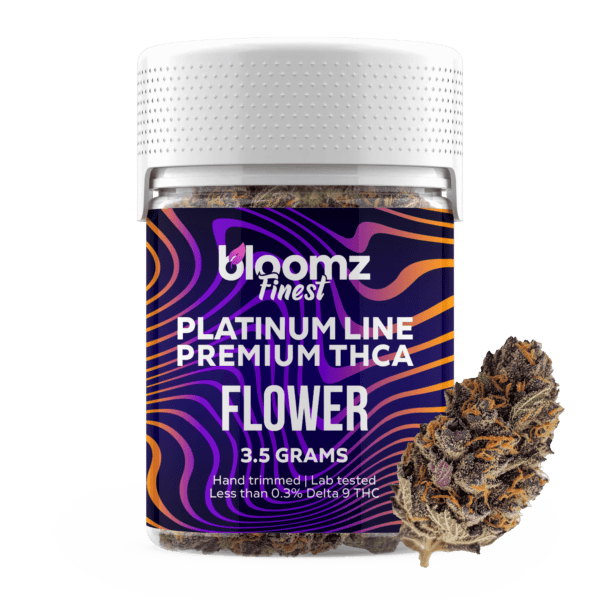
THCA Flower – Platinum Line
$47.99$79.99 -
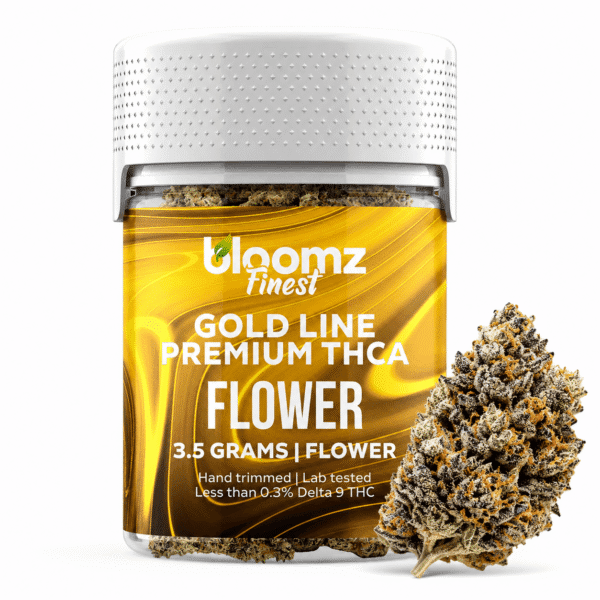
THCA Flower – Exotics – Gold Line
$37.99$89.99 -
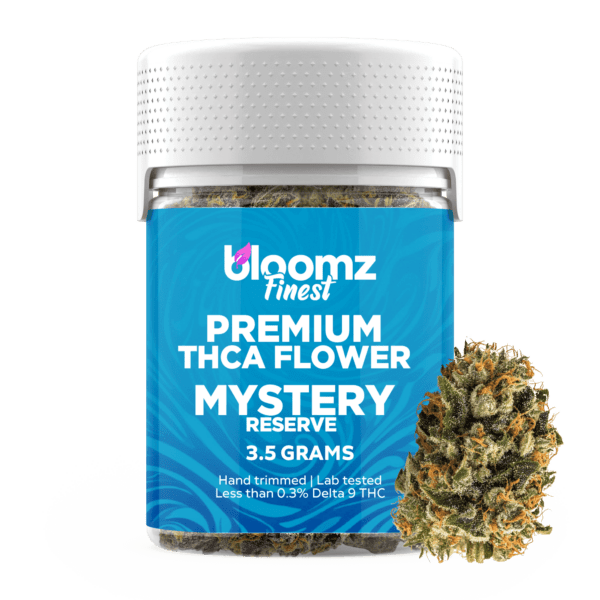
THCA Flower – Mystery Reserve
$41.99$79.99 -
THCA Smalls
$139.99$256.99
Pesticide Testing and Concentrates
Concentrates such as distillates, wax, or live resin may amplify pesticide residues.
Why?
Because extraction processes concentrate cannabinoids — and any contaminants present.
If contaminated flower is extracted, pesticide levels can become more concentrated in the final product.
This makes rigorous testing even more important for:
- Vape cartridges
- Dabs
- Oils
- Edibles made from extracts
Organic vs. Pesticide-Free
“Organic” labeling in cannabis can be confusing.
Because marijuana remains federally illegal, it cannot receive official USDA organic certification.
Some hemp products may qualify under specific agricultural programs, but labeling standards vary.
Pesticide testing provides measurable proof of safety regardless of marketing claims.
Consumer Tips
To reduce risk, consumers should:
- Request or scan for COAs.
- Verify third-party lab testing.
- Purchase from licensed dispensaries where applicable.
- Avoid products with no transparency.
- Be cautious of unusually low-priced products.
Clear lab documentation is one of the strongest safety indicators in cannabis.
The Future of Cannabis Safety Testing
As legalization expands, regulatory standards are likely to:
- Become more standardized across states.
- Increase pesticide panel requirements.
- Tighten action limits.
- Improve lab accreditation processes.
There are ongoing discussions about federal cannabis reform, which could eventually unify testing standards nationwide.
Conclusion
Pesticide testing is a critical safety measure in the cannabis industry. It ensures that harmful chemical residues used during cultivation do not make their way into finished products — especially those intended for inhalation.
Through advanced laboratory analysis, cannabis batches are screened for dozens of potentially harmful compounds. Products that exceed allowable limits cannot legally enter regulated markets.
Because cannabis is often smoked, vaporized, or concentrated, safety thresholds are typically stricter than those applied to food crops. Whether in hemp or state-legal marijuana markets, pesticide testing protects consumers and reinforces product transparency.
In a rapidly evolving industry, understanding pesticide testing helps consumers make informed, safety-focused decisions — and highlights why lab testing is just as important as potency when evaluating cannabis products.
To Buy Cannabis Flower Click Here
Recommended products
-
Exotic THCA Smalls
$169.99$329.99 -
THCA + THC-P Flower
$47.99$89.99 -
THCA Flower
$27.99$79.99 -
THCA Pre-Rolls – 3-Pack/6-Pack
$30.99$59.99