Cross-tolerance is a pharmacological concept that becomes especially relevant for cannabis consumers who use multiple substances or rotate between different cannabinoids. In simple terms, cross-tolerance occurs when tolerance to one substance reduces the sensitivity or effectiveness of another substance, usually because both interact with similar receptors or neural pathways in the body.
For cannabis users, cross-tolerance most commonly refers to reduced sensitivity between THC and other cannabinoids, but it can also involve alcohol, opioids, psychedelics, or prescription medications. Understanding cross-tolerance is important for consumers who want predictable effects, medical patients seeking therapeutic consistency, and brands formulating cannabinoid blends.
This article explores the science behind cross-tolerance, how it develops, how it applies specifically to cannabis, and what consumers should know to use responsibly.
To Buy Cannabis Flower Click Here
Recommended products
-
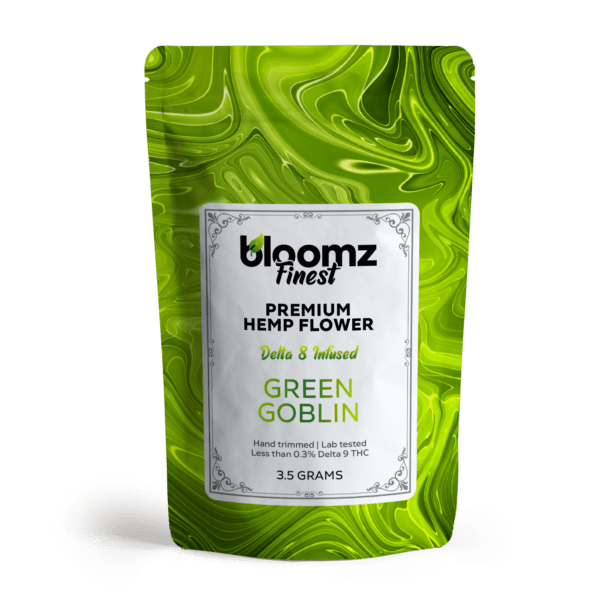
Delta 8 THC Flower
$24.99$39.99 -
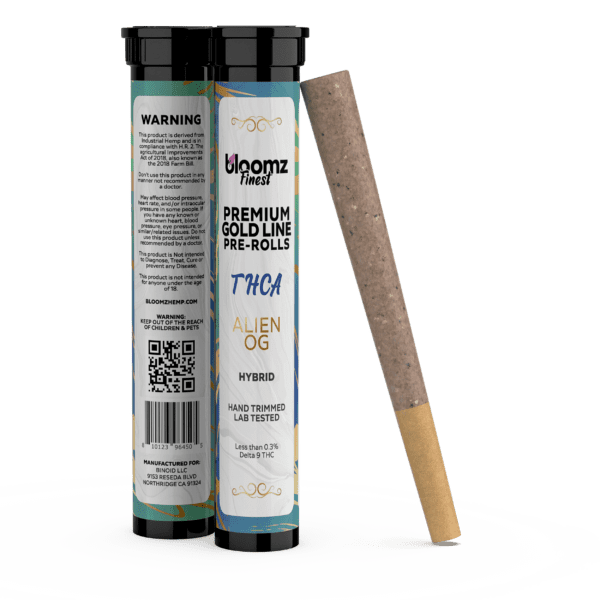
Exotic THCA Pre-Rolls Gold Line – 3-Pack/6 Pack
$36.99$69.99 -
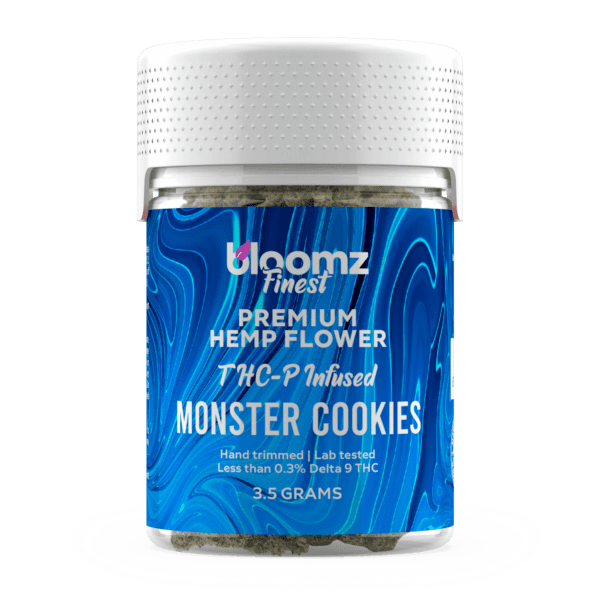
THC-P Flower
$29.99$43.99
Defining Tolerance vs. Cross-Tolerance
Before exploring cross-tolerance, it’s important to understand tolerance itself.
What Is Tolerance?
Tolerance occurs when the body becomes less responsive to a substance after repeated use. Over time, users may need higher doses to achieve the same effects.
For cannabis, this often means:
-
Reduced intensity of euphoria
-
Shorter duration of effects
-
Less pronounced psychoactivity
-
Diminished therapeutic relief
Tolerance develops because the body adapts to repeated stimulation of receptors, particularly in the brain.
What Is Cross-Tolerance?
Cross-tolerance occurs when tolerance to one drug decreases responsiveness to another drug, even if the second substance has not been used as frequently.
This typically happens when:
-
Two substances act on the same receptor system.
-
Two substances influence similar neurotransmitters.
-
The brain adapts to a shared pathway affected by both compounds.
In cannabis terms, cross-tolerance most often involves THC and other cannabinoids that interact with the endocannabinoid system.
The Endocannabinoid System and Tolerance
To understand cross-tolerance in cannabis, we must examine the endocannabinoid system (ECS).
The ECS regulates:
-
Mood
-
Appetite
-
Pain perception
-
Memory
-
Sleep
-
Immune response
It consists of:
-
Endocannabinoids (naturally produced in the body)
-
Receptors (CB1 and CB2)
-
Enzymes that break down cannabinoids
CB1 Receptors and Psychoactivity
CB1 receptors are concentrated in the brain and central nervous system. THC binds strongly to CB1 receptors, which is why it produces psychoactive effects.
When THC is used frequently:
-
CB1 receptors become less responsive (desensitization).
-
The body may reduce the number of available CB1 receptors (downregulation).
-
Neurotransmitter signaling adjusts.
This adaptation creates tolerance.
Now here’s where cross-tolerance comes in.
If another substance also activates CB1 receptors, the reduced receptor sensitivity caused by THC use may lessen the effect of that second substance.
Cross-Tolerance Between THC and Other Cannabinoids
THC and Delta-8 THC
Delta-8 THC is structurally similar to Delta-9 THC and also binds to CB1 receptors, though typically with slightly lower affinity.
Frequent Delta-9 use can reduce the intensity of Delta-8 effects because:
-
CB1 receptors are already desensitized.
-
The brain has adjusted to cannabinoid stimulation.
The reverse is also true. Heavy Delta-8 use may reduce sensitivity to Delta-9.
THC and THCP
THCP is believed to bind more strongly to CB1 receptors than traditional THC. If a consumer regularly uses high-potency cannabinoids like THCP, they may develop rapid tolerance, which can blunt the effects of lower-potency cannabinoids.
Because both compounds activate CB1 receptors, cross-tolerance is biologically plausible.
THC and CBD
CBD does not bind directly to CB1 receptors in the same way THC does. Instead, it acts as a modulator and influences other receptor systems.
Because CBD does not strongly stimulate CB1 receptors:
-
Cross-tolerance between THC and CBD is minimal.
-
CBD does not typically reduce THC sensitivity long-term.
However, CBD can acutely alter THC’s psychoactive effects by modulating receptor activity.
Recommended products
-
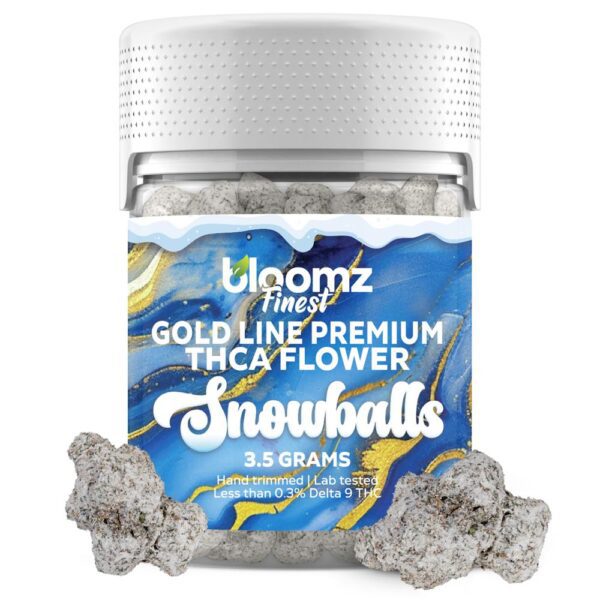
THCA Snowballs – Gold Line
$57.99$89.99 -
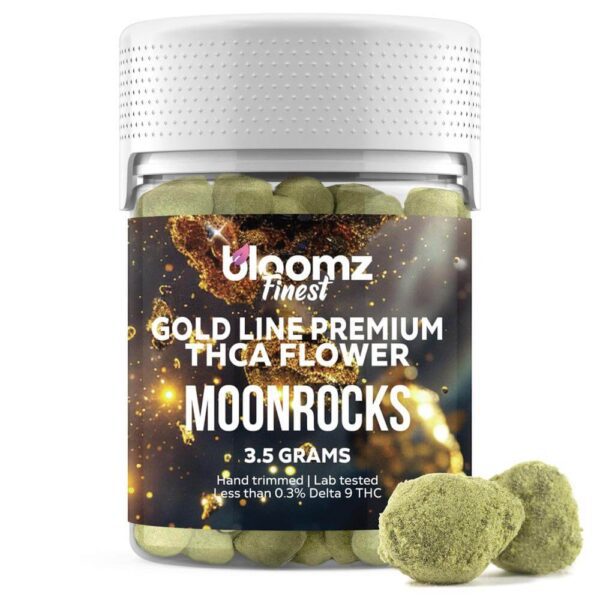
THCA Moonrocks – Gold Line
$57.99$89.99 -
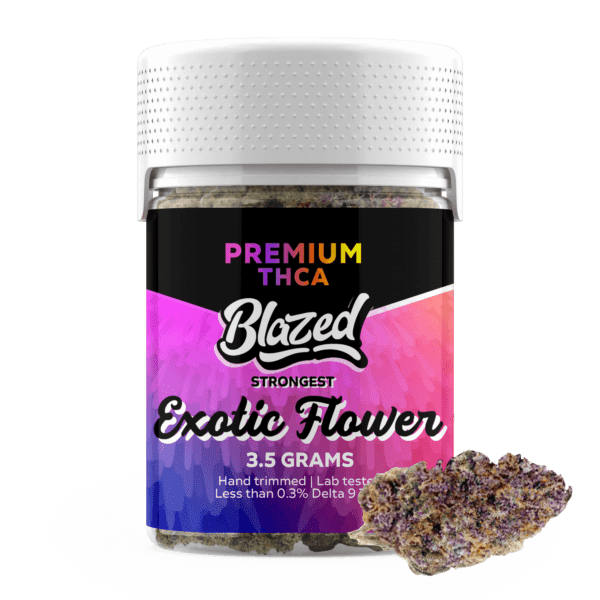
Blazed Exotic THCA Flower
$36.99$79.99 -
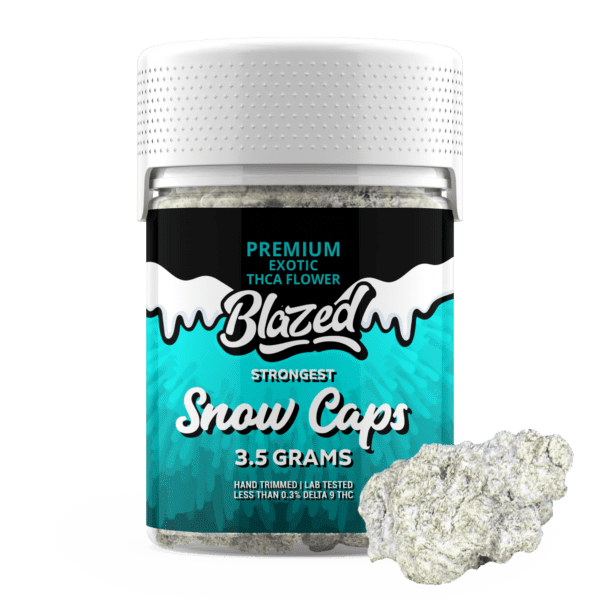
Blazed Strongest Exotic THCA Snow Caps
$58.99$93.99
Cross-Tolerance and Alcohol
Alcohol primarily acts on:
-
GABA receptors (inhibitory neurotransmission)
-
NMDA glutamate receptors (excitatory neurotransmission)
Cannabis primarily affects CB1 receptors.
Since these substances act on different receptor systems, true receptor-level cross-tolerance is limited.
However, chronic cannabis use may alter dopamine signaling and reward pathways, which overlap with alcohol’s effects. This can lead to behavioral cross-tolerance, where heavy users may perceive diminished intoxication effects.
Still, the biological cross-tolerance between alcohol and cannabis is weaker compared to cannabinoid-to-cannabinoid interactions.
Cross-Tolerance and Opioids
Opioids act on mu-opioid receptors, not cannabinoid receptors. However, the endocannabinoid and opioid systems interact in pain regulation.
Some research suggests:
-
Chronic cannabinoid exposure may influence opioid receptor sensitivity.
-
Opioid tolerance mechanisms may overlap with endocannabinoid pathways.
The relationship is complex and not fully understood. Cross-tolerance is not as direct as with cannabinoids, but interaction effects may occur in medical contexts.
Cross-Tolerance and Psychedelics
Classic psychedelics like psilocybin and LSD primarily act on serotonin (5-HT2A) receptors.
THC does not directly stimulate serotonin receptors in the same way.
Therefore:
-
True receptor-level cross-tolerance is unlikely.
-
However, heavy cannabis users may experience altered psychedelic intensity due to neural adaptation patterns.
Behavioral and perceptual overlaps may influence subjective experiences.
How Cross-Tolerance Develops
Cross-tolerance develops through several mechanisms:
1. Receptor Downregulation
The body reduces receptor availability after repeated stimulation.
2. Receptor Desensitization
Receptors respond less strongly even when activated.
3. Neurotransmitter Adjustment
The brain compensates by altering dopamine, glutamate, or GABA signaling.
4. Gene Expression Changes
Chronic substance use can alter gene expression related to receptor production.
These biological adaptations do not distinguish between specific cannabinoids if they activate the same receptor.
How Long Does Cross-Tolerance Last?
Tolerance is not permanent.
Research suggests:
-
CB1 receptor density begins recovering within days of abstinence.
-
Significant recovery may occur within 2–4 weeks.
-
Heavy, long-term users may require longer breaks.
This is why tolerance breaks (“T-breaks”) are common among cannabis consumers.
A T-break resets receptor sensitivity, restoring both THC potency and reducing cross-tolerance between cannabinoids.
Recommended products
-
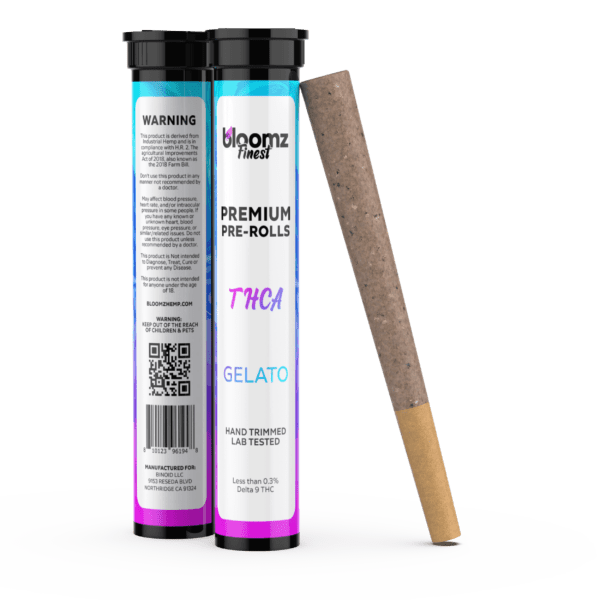
Exotic THCA Pre-Rolls Gold Line – 3-Pack/6 Pack
$36.99$69.99 -
THC-P HashHole Pre-Rolls – Cookies
$19.99$24.99 -
THCA Pre-Rolls – 3-Pack/6-Pack
$30.99$59.99 -
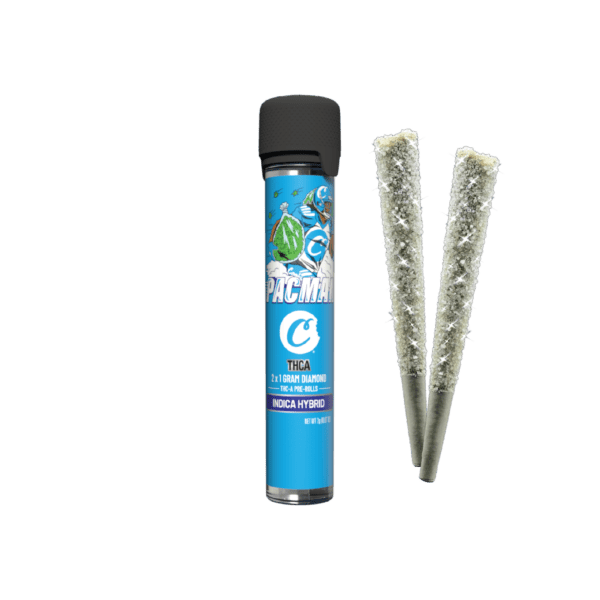
THCA Pre-Rolls with THCA Diamonds – Cookies
$17.99$21.90

Medical Cannabis and Cross-Tolerance
For medical patients, cross-tolerance can affect treatment consistency.
Patients using THC-heavy products daily may find:
- Reduced symptom relief over time.
- Need for escalating doses.
- Reduced response to alternative cannabinoids.
Strategies to reduce tolerance include:
- Rotating cannabinoid profiles.
- Incorporating CBD-rich products.
- Scheduled tolerance breaks.
- Using the lowest effective dose.
Understanding cross-tolerance helps medical users avoid diminishing returns.
Poly-Substance Use and Cross-Tolerance
Poly-substance use refers to consuming multiple psychoactive substances.
Cross-tolerance becomes especially relevant when:
-
Combining THC and Delta-8.
-
Alternating between high-potency concentrates and flower.
-
Using synthetic or novel cannabinoids.
High-potency concentrates can accelerate tolerance development, which then reduces responsiveness to milder products.
Psychological vs. Biological Cross-Tolerance
It’s important to distinguish between:
Biological Cross-Tolerance
Changes at the receptor and neurochemical level.
Psychological Cross-Tolerance
Perceived reduced intensity due to expectation or comparison.
For example:
If someone regularly consumes high-THC concentrates, lower-potency flower may feel ineffective—not solely because of receptor changes, but because expectations are recalibrated.
Both forms influence user experience.
Signs You May Be Experiencing Cross-Tolerance
Common indicators include:
-
Needing higher doses of different cannabinoids.
-
Feeling minimal effects from products that once felt strong.
-
Shorter duration of effects.
-
Reduced euphoria or symptom relief.
-
Limited differentiation between products.
These signs suggest receptor desensitization may be occurring.
Can Cross-Tolerance Increase Risk?
Cross-tolerance itself is not inherently dangerous. However:
-
Escalating doses can increase side effect risk.
-
High-potency use may increase anxiety or paranoia.
-
Impaired judgment can occur at higher doses.
Additionally, THC remains federally illegal under the Controlled Substances Act, though many states permit use under regulated systems. Hemp-derived cannabinoids are regulated under the Agriculture Improvement Act of 2018, but laws vary by state.
Understanding tolerance helps consumers avoid unnecessary overconsumption.
Recommended products
-
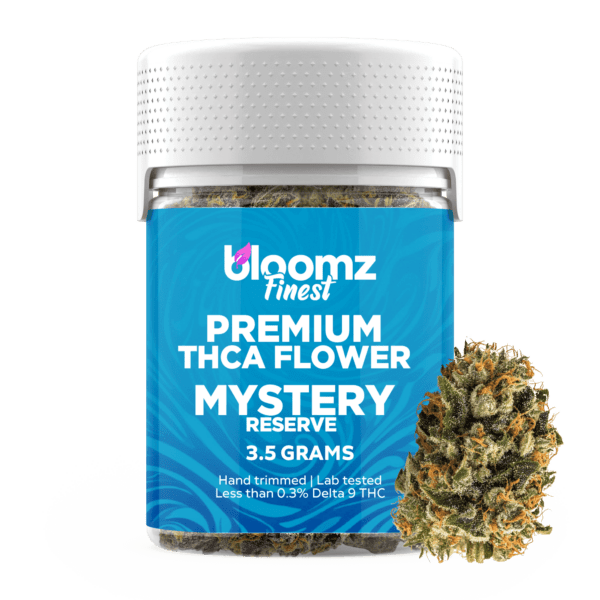
THCA Flower – Mystery Reserve
$41.99$79.99 -
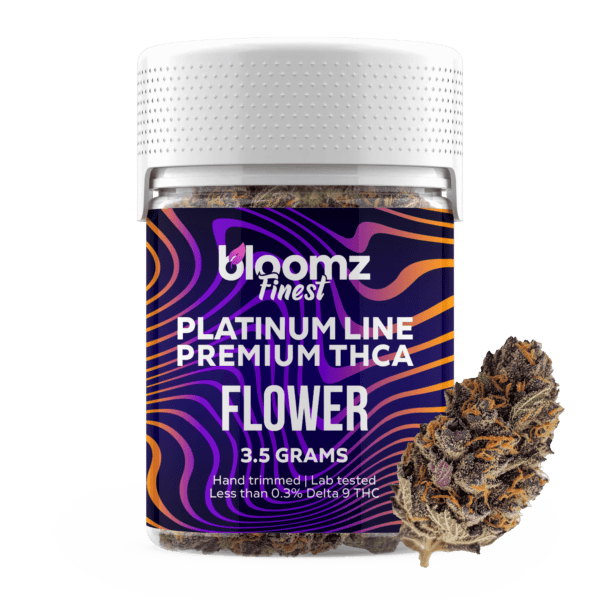
THCA Flower – Platinum Line
$47.99$79.99 -
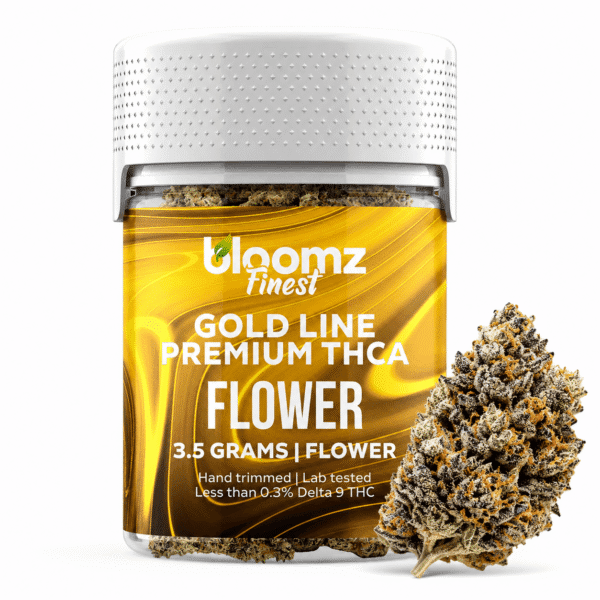
THCA Flower – Exotics – Gold Line
$37.99$89.99 -
THCA Smalls
$139.99$256.99
Preventing or Reducing Cross-Tolerance
1. Take Tolerance Breaks
A 7–30 day break can significantly restore sensitivity.
2. Microdose
Using smaller doses reduces receptor overstimulation.
3. Rotate Cannabinoid Ratios
Alternating THC-heavy and balanced THC/CBD products may slow tolerance.
4. Avoid Constant High-Potency Use
Concentrates accelerate tolerance compared to moderate flower use.
5. Track Consumption
Keeping a log helps identify escalating patterns.
Does Everyone Develop Cross-Tolerance?
Not necessarily.
Factors influencing tolerance include:
- Genetics
- Frequency of use
- Dosage
- Metabolism
- Body composition
- Age
- Overall health
Some individuals develop tolerance quickly; others maintain sensitivity longer.
Cross-Tolerance and the Future of Cannabinoid Science
As novel cannabinoids enter the market, cross-tolerance will become more relevant.
Emerging compounds that bind strongly to CB1 receptors may:
-
Accelerate receptor downregulation.
-
Alter long-term sensitivity.
-
Create complex tolerance patterns.
Research is ongoing, and long-term data remains limited.
Understanding receptor pharmacology will be critical as cannabinoid diversity expands.
Frequently Asked Questions
Does cross-tolerance mean a product is low quality?
No. It usually reflects biological adaptation, not product potency.
Can switching strains eliminate tolerance?
Not if THC content remains high. Switching terpene profiles may alter subjective effects but won’t fully reset CB1 receptors.
Is cross-tolerance permanent?
No. Receptors recover with abstinence.
Does CBD create tolerance?
CBD does not significantly stimulate CB1 receptors, so classic tolerance is less common.
Conclusion
Cross-tolerance in cannabis refers to the reduced responsiveness to one cannabinoid due to tolerance developed from another. It occurs primarily because multiple cannabinoids activate the same CB1 receptors in the brain.
Frequent exposure to THC can desensitize these receptors, reducing the intensity of related cannabinoids such as Delta-8 or THCP. While cross-tolerance between cannabis and substances like alcohol or psychedelics is less direct, overlapping neural pathways can influence subjective experiences.
Understanding cross-tolerance empowers consumers to:
- Manage dosage responsibly
- Avoid escalating consumption
- Maintain consistent therapeutic effects
- Plan effective tolerance breaks
- Make informed product choices
As cannabis science advances and new cannabinoids emerge, awareness of cross-tolerance will become increasingly important for both recreational and medical users.
To Buy Cannabis Flower Click Here
Recommended products
-
Exotic THCA Smalls
$169.99$329.99 -
THCA + THC-P Flower
$47.99$89.99 -
THCA Flower
$27.99$79.99 -
THCA Pre-Rolls – 3-Pack/6-Pack
$30.99$59.99