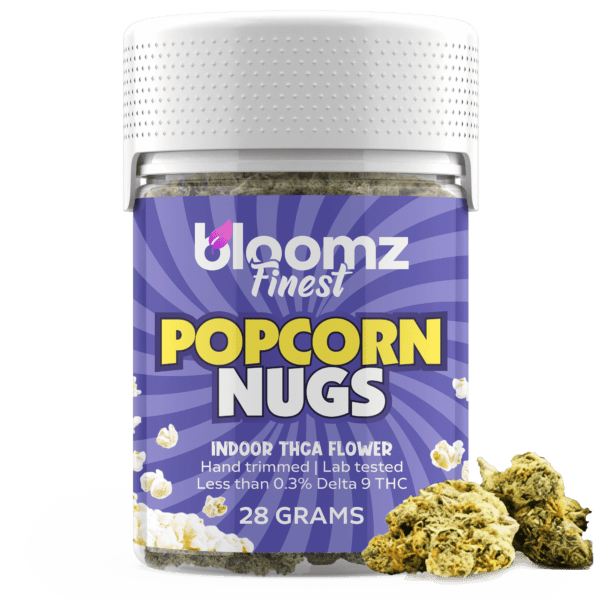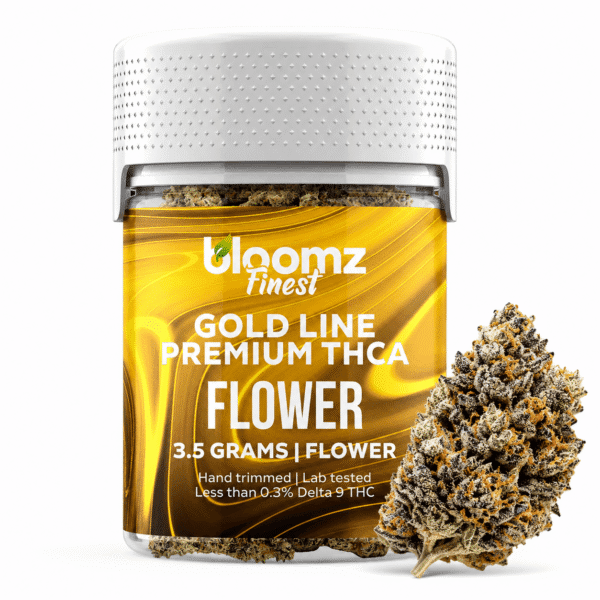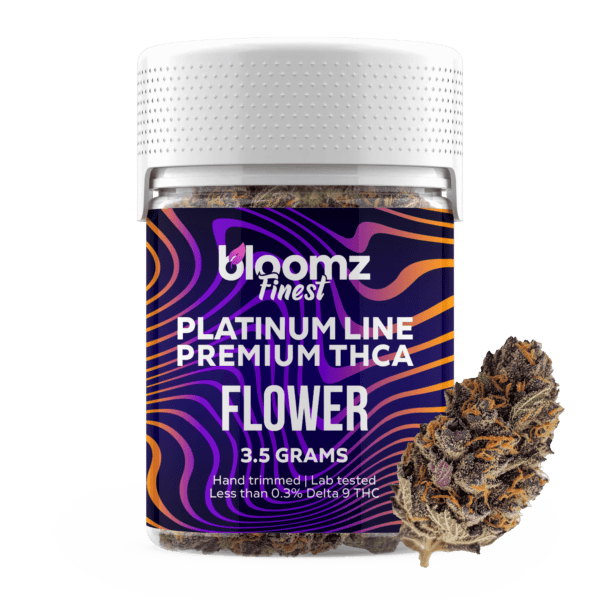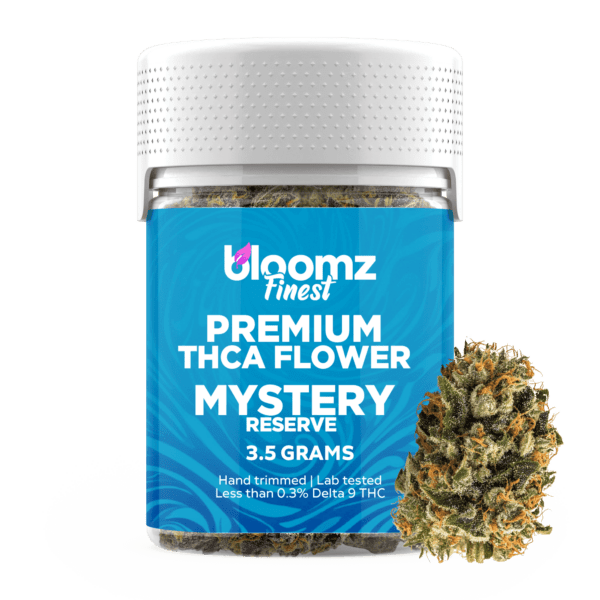
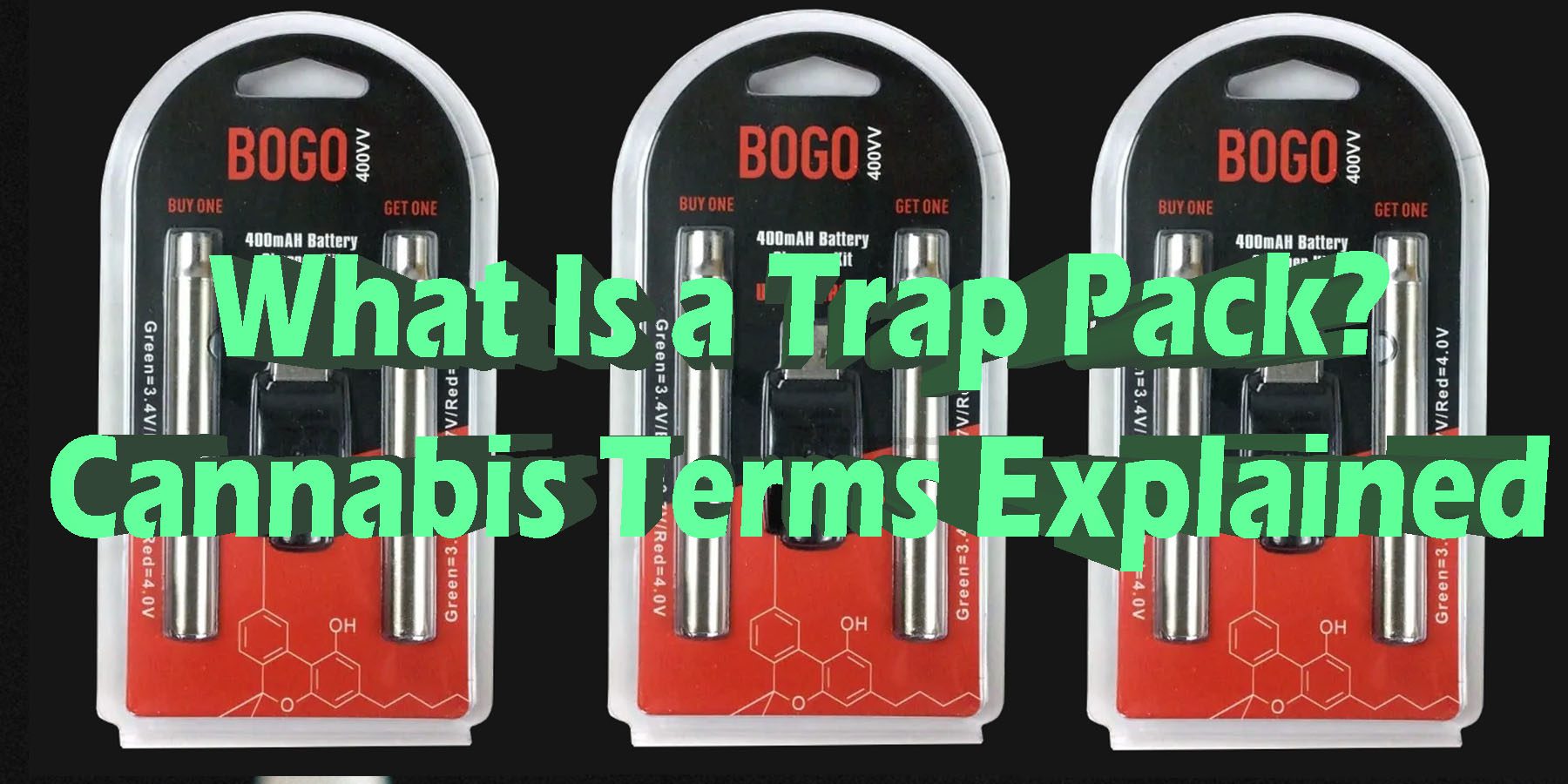
Cannabis culture has always been deeply connected to language, with slang evolving alongside the plant’s journey from underground markets to mainstream legalization. One term that has gained popularity in recent years—especially in music, street culture, and social media—is “trap pack.” While it may sound flashy or even mysterious to someone unfamiliar with the term, “trap pack” carries a specific meaning tied to cannabis packaging, branding, and the legacy market. Understanding what a trap pack is requires looking not only at the product itself but also at the cultural context in which the term developed and how it is used today.
At its core, a “trap pack” refers to cannabis that is packaged in eye-catching, often branded bags or containers that are typically associated with informal or legacy market distribution. The word “trap” comes from “trap house,” a term historically used to describe a location where goods—often illicit—are sold. Over time, “trap” became shorthand for street-level hustle, distribution, and underground commerce. A “pack” simply refers to a package or quantity of cannabis. When combined, “trap pack” generally describes cannabis that is packaged in a way that reflects this culture—often bold, flashy, and designed to stand out.
To Buy Cannabis Flower Click Here
Recommended products
-
Delta 8 THC Flower
$24.99$39.99 -
THC-P Flower
$29.99$43.99 -
Exotic THCA Pre-Rolls Gold Line – 3-Pack/6 Pack
$36.99$69.99
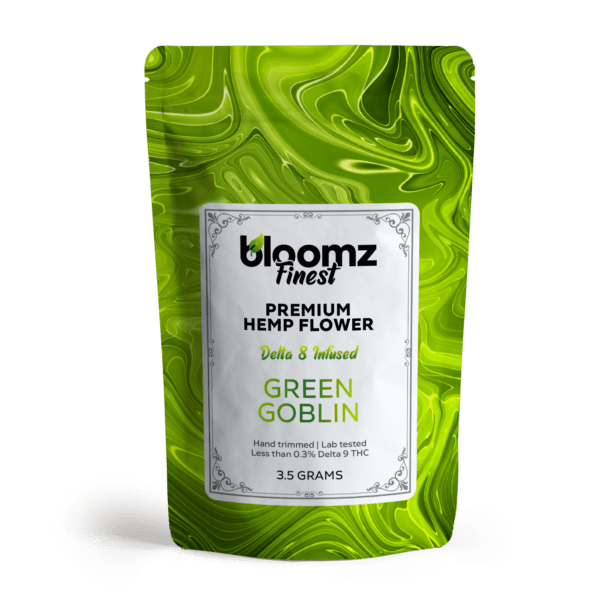
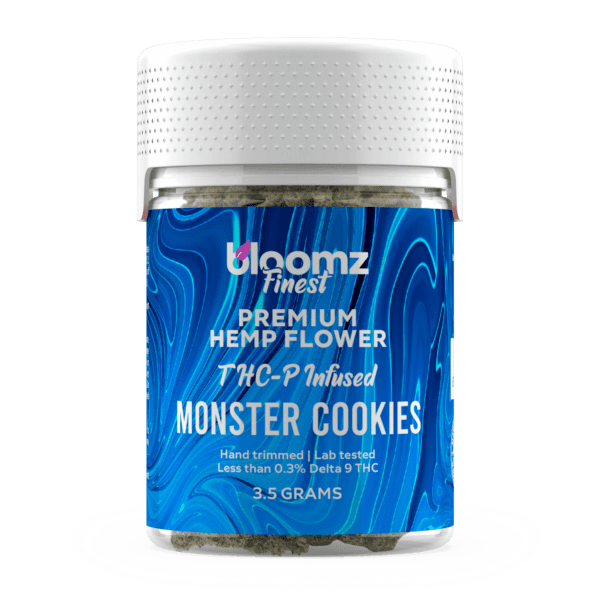
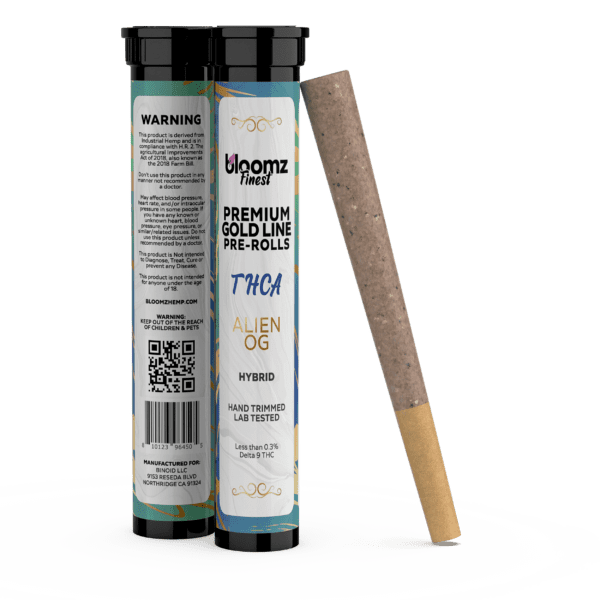
One of the defining characteristics of a trap pack is its packaging. These products are often sold in colorful, graphic-heavy bags that may feature cartoon characters, parody logos, or designs inspired by popular snacks and candy brands. For example, a trap pack might resemble a well-known candy product but with a cannabis twist, using similar fonts, colors, and imagery to create a sense of familiarity and appeal. The packaging is typically resealable and designed to look premium, even if the contents inside vary in quality. This visual presentation plays a major role in the identity of a trap pack.
However, it is important to understand that the packaging does not necessarily reflect the quality or authenticity of the cannabis inside. In many cases, trap pack packaging can be purchased separately and filled with any type of cannabis, regardless of its origin or potency. This means that two products with identical packaging could contain completely different flower in terms of quality, cannabinoid content, and safety. As a result, the term “trap pack” is more about the style and presentation than it is about a standardized product.
To better understand how trap packs appear in real-world situations, consider a common example. Someone comes across a sealed cannabis bag with a bright, professionally printed design that mimics a popular snack brand. The label might include strain names, THC percentages, or other details, but there is no clear indication of where the product was produced or tested. The packaging looks appealing and modern, but without proper labeling or verification, it is difficult to confirm its legitimacy. This is a classic example of a trap pack—visually striking, culturally relevant, but not necessarily transparent in terms of origin.
Another example might involve social media, where trap packs are often showcased as part of cannabis culture. Photos and videos may highlight stacks of colorful packages, emphasizing branding and aesthetics. In these contexts, the packaging becomes part of the appeal, contributing to the perception of exclusivity or hype. However, the focus on appearance can sometimes overshadow more important factors such as product quality, safety, and consistency.
The rise of trap packs is closely tied to the influence of branding in cannabis culture. As the industry has grown, so has the importance of visual identity and marketing. In legal markets, brands invest heavily in packaging design, compliance, and consumer trust. In contrast, trap packs often exist outside of these regulated systems, allowing for more creative freedom but also less oversight. This freedom has led to a wide range of designs, from highly artistic to intentionally provocative, but it also raises questions about accuracy and accountability.
One of the key concerns surrounding trap packs is the lack of regulation. In licensed cannabis markets, products are required to undergo testing for potency, contaminants, and safety. They must also include clear labeling, such as ingredient lists, dosage information, and warnings. Trap packs, by contrast, may not follow these standards. This means that the information printed on the packaging—such as THC percentages or strain names—may not always be accurate or verified. For consumers, this creates uncertainty about what they are actually consuming.
Another issue is the potential for misleading or imitative branding. Because trap packs often draw inspiration from well-known consumer products, they can blur the line between cannabis and non-cannabis items. This has raised concerns about accidental consumption, especially in households where children or uninformed individuals might mistake the packaging for regular snacks or candy. In response, many regulated markets have implemented strict rules about packaging design to prevent this kind of confusion, further distinguishing legal products from trap-style packaging.
Recommended products
-
Exotic THCA Smalls
$169.99$329.99 -
THCA + THC-P Flower
$47.99$89.99 -
THCA Flower
$27.99$79.99 -
THCA Pre-Rolls – 3-Pack/6-Pack
$30.99$59.99
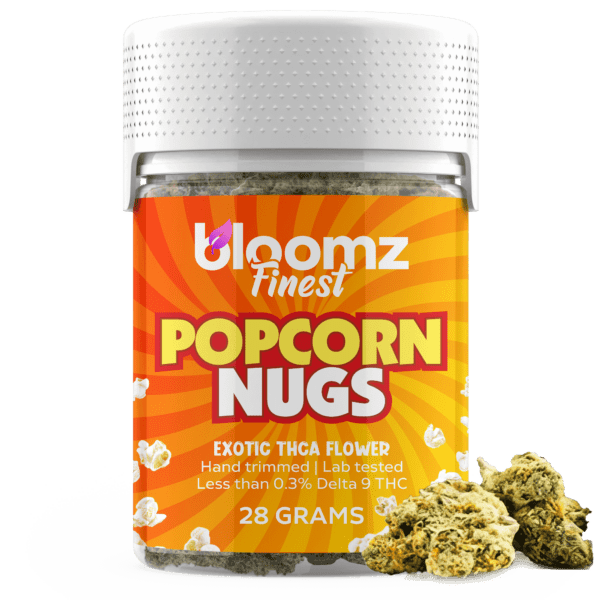
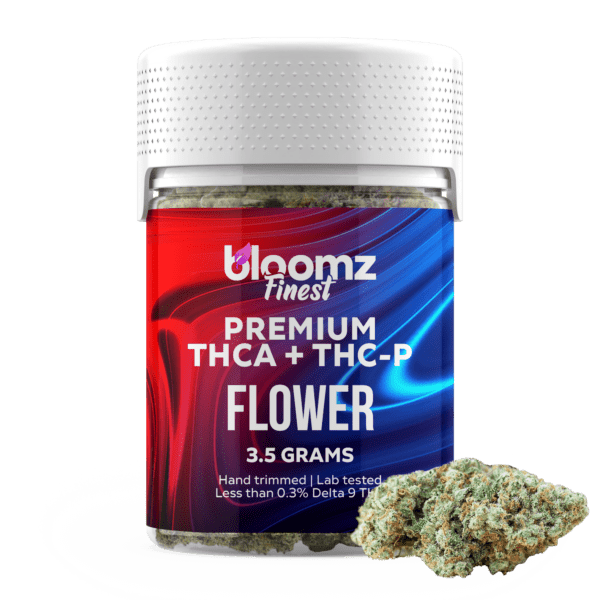
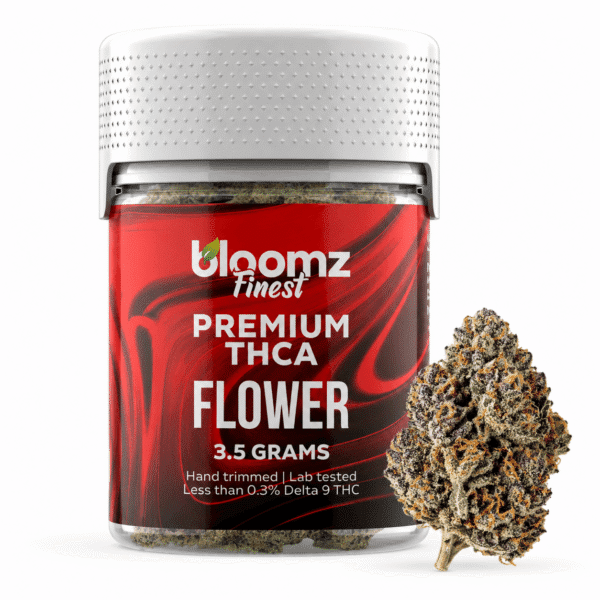
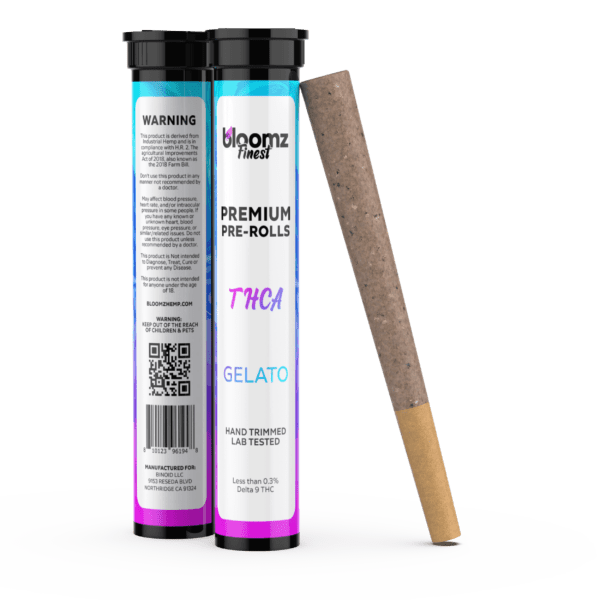
Despite these concerns, trap packs remain a visible part of cannabis culture, particularly in areas where the legacy market is still active. For some, they represent creativity, hustle, and the roots of cannabis distribution before legalization. The designs can be seen as a form of expression, reflecting trends, humor, and cultural references. In this sense, trap packs are not just about the cannabis itself but also about the identity and storytelling that come with it.
It is also worth noting that the term “trap pack” does not always carry a negative connotation. In some contexts, it is used more casually to describe any cannabis that comes in flashy or non-traditional packaging, regardless of its source. However, the lack of standardization means that the term can be interpreted differently depending on who is using it and where the conversation is taking place. This variability is part of what makes cannabis slang both dynamic and sometimes confusing.
For consumers navigating the cannabis market, understanding what a trap pack is can help inform purchasing decisions. While the packaging may be attractive, it is important to look beyond appearance and consider factors such as source, testing, and transparency. Purchasing from licensed dispensaries or reputable sources can provide greater assurance that the product has been properly tested and labeled. This does not mean that all trap packs are inherently low quality, but it does highlight the importance of being cautious and informed.
From a broader perspective, the existence of trap packs reflects the ongoing transition of cannabis from an underground product to a regulated industry. As legalization expands, the contrast between informal and formal markets becomes more apparent. Trap packs occupy a space that is influenced by both worlds—drawing on the creativity and culture of the legacy market while existing alongside more standardized, regulated products.
In terms of user experience, the contents of a trap pack can vary widely. Some may contain high-quality cannabis that rivals dispensary-grade flower, while others may fall short in terms of potency, flavor, or freshness. Without consistent testing or labeling, it can be difficult to predict what the experience will be like. This unpredictability is one of the main reasons why many consumers prefer products from regulated sources, where consistency and quality are more tightly controlled.
To give a practical comparison, imagine two cannabis products: one purchased from a licensed dispensary with clear labeling, lab results, and standardized packaging, and another purchased in a trap pack with bold graphics but limited information. The dispensary product offers transparency and consistency, while the trap pack relies more on visual appeal and reputation. Both may serve a purpose depending on the context, but they represent different approaches to how cannabis is presented and consumed.
In conclusion, a trap pack refers to cannabis packaged in visually striking, often unregulated packaging that is commonly associated with legacy market distribution. While the designs can be creative and culturally significant, they do not guarantee quality, safety, or accuracy in labeling. Understanding what a trap pack is allows consumers to better navigate the cannabis landscape, recognize the difference between presentation and substance, and make more informed choices about the products they use. As the industry continues to evolve, the conversation around packaging, branding, and transparency will remain an important part of cannabis education and culture.
To Buy Cannabis Flower Click Here
Recommended products
-
THCA Smalls
$139.99$256.99 -
THCA Flower – Exotics – Gold Line
$37.99$89.99 -
THCA Flower – Platinum Line
$47.99$79.99 -
THCA Flower – Mystery Reserve
$41.99$79.99