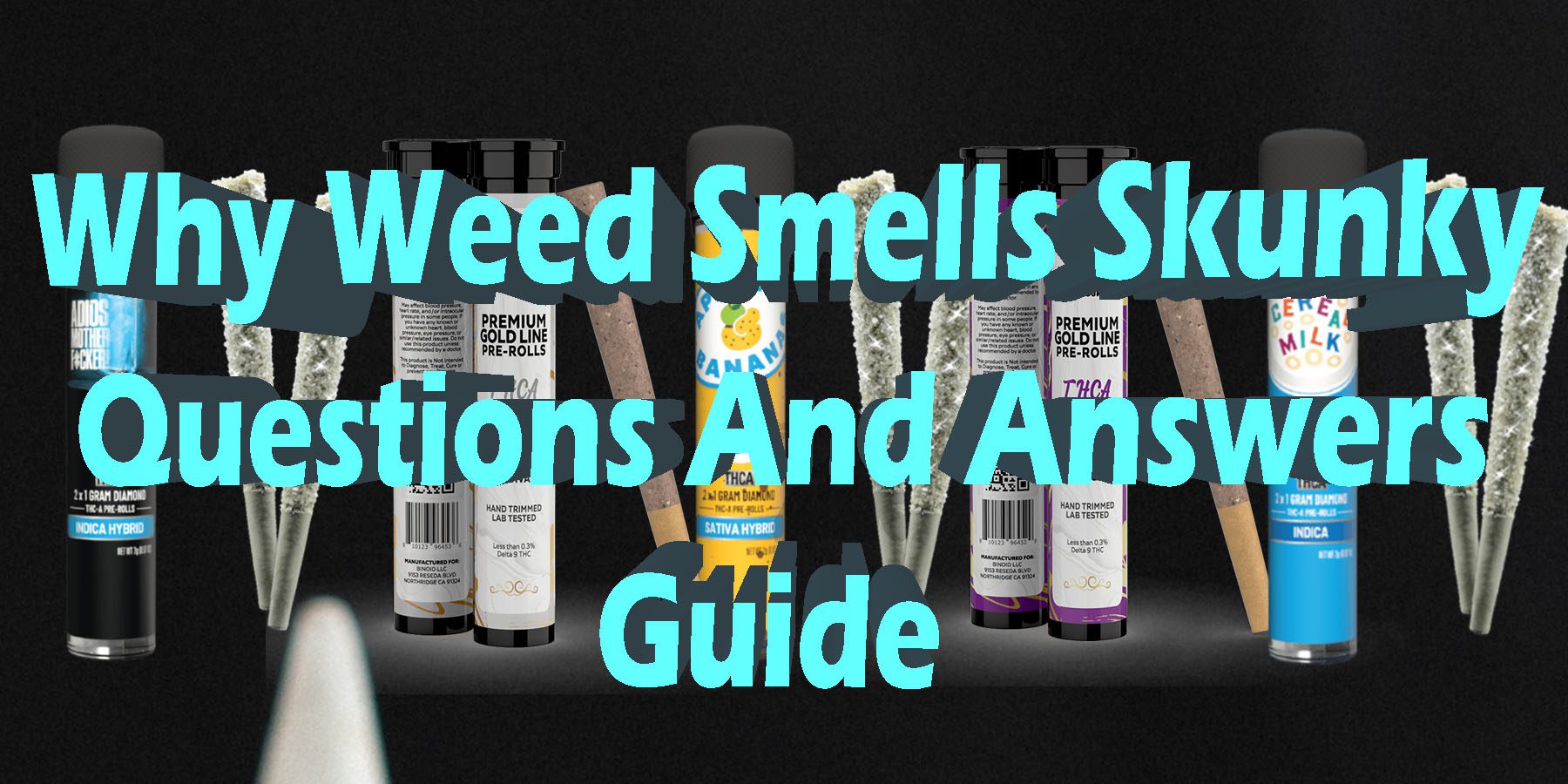
One of the most recognizable and distinctive characteristics of cannabis is its smell. Even people with little to no experience with the plant can often identify it instantly, and one of the most commonly used descriptions is that it smells “skunky.” This comparison is not random or exaggerated—it is rooted in real chemistry. The reason cannabis can smell so similar to a skunk’s defensive spray comes down to a specific group of chemical compounds known as thiols. Understanding why weed smells skunky requires looking beyond general ideas about aroma and diving into the molecular structure of these compounds, how they are produced, and why the human nose is particularly sensitive to them.
At a basic level, the smell of cannabis is influenced by a combination of compounds, primarily terpenes and volatile sulfur compounds. For many years, terpenes were believed to be the main drivers of cannabis aroma. Terpenes are responsible for a wide range of scents found in nature, including citrus, pine, and floral notes. While they do play a significant role in shaping the overall smell of cannabis, they do not fully explain the skunky, pungent quality that some strains produce. That specific “skunk-like” odor is now understood to come from volatile sulfur compounds, particularly thiols.
To Buy Cannabis Flower Click Here
Recommended products
-
Delta 8 THC Flower
$24.99$39.99 -
THC-P Flower
$29.99$43.99 -
Exotic THCA Pre-Rolls Gold Line – 3-Pack/6 Pack
$36.99$69.99
Thiols are organic compounds that contain sulfur, and they are known for having extremely strong and often unpleasant odors. In fact, thiols are among the most potent odor molecules detected by the human nose. They are responsible for the smell of skunk spray, as well as other strong scents like garlic and certain types of fuel. In cannabis, a specific class of thiols—sometimes referred to as prenylated volatile sulfur compounds—has been identified as a key contributor to the skunky aroma.
The reason thiols are so noticeable is due to how the human olfactory system processes sulfur-based compounds. Humans are highly sensitive to these molecules, likely as an evolutionary adaptation to detect potentially harmful substances. Even in very small concentrations, thiols can produce a strong smell. This is why a small amount of cannabis can fill a room with its aroma, and why the scent can linger even after the source is removed. The same principle applies to skunk spray, which is designed to be overwhelming and long-lasting as a defense mechanism.
In cannabis plants, thiols are produced alongside other aromatic compounds during the growth and curing process. The exact concentration and combination of these compounds depend on genetics, cultivation methods, and post-harvest handling. Some strains are naturally higher in thiols, giving them that unmistakable skunky profile, while others may lean more toward fruity or earthy aromas depending on their terpene composition.
To illustrate this in a real-world context, consider the experience of opening a fresh jar of cannabis. The initial burst of aroma is often intense, with some strains producing a sharp, almost nose-tingling scent. This is the thiols being released into the air. Someone might comment, “That smells loud,” or “That’s some skunky stuff,” recognizing the strength of the aroma even without understanding the chemistry behind it. Another person might compare it directly to a skunk, noting the similarity in how quickly and powerfully the smell spreads.
The skunky smell can also vary in intensity depending on how the cannabis is stored and handled. Because thiols are volatile, they can evaporate over time, especially if the product is exposed to air, heat, or light. This means that older cannabis may lose some of its pungency, while freshly harvested or properly stored cannabis retains a stronger aroma. This is why freshness is often associated with quality—strong smell is a sign that the volatile compounds are still intact.
Recommended products
-
Exotic THCA Smalls
$169.99$329.99 -
THCA + THC-P Flower
$47.99$89.99 -
THCA Flower
$27.99$79.99 -
THCA Pre-Rolls – 3-Pack/6-Pack
$30.99$59.99
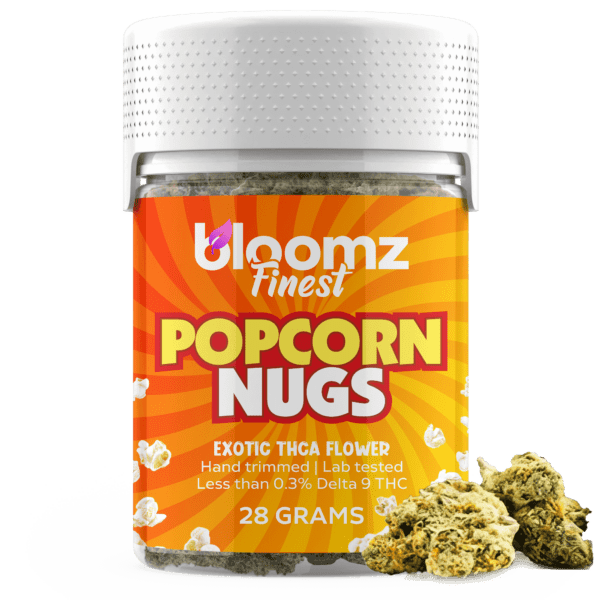
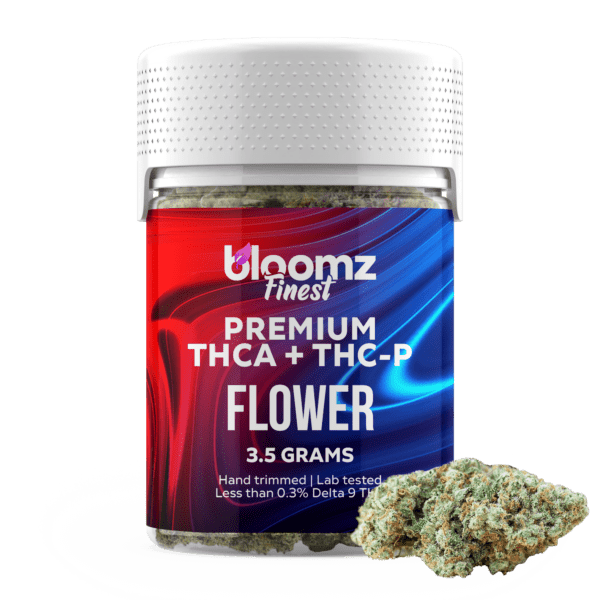
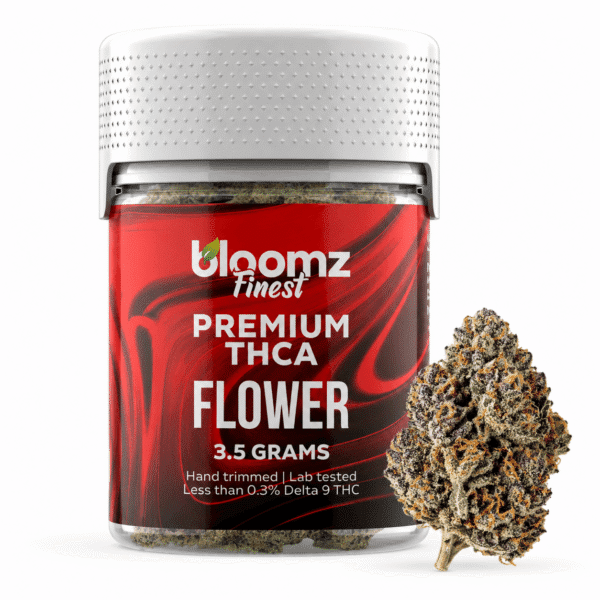
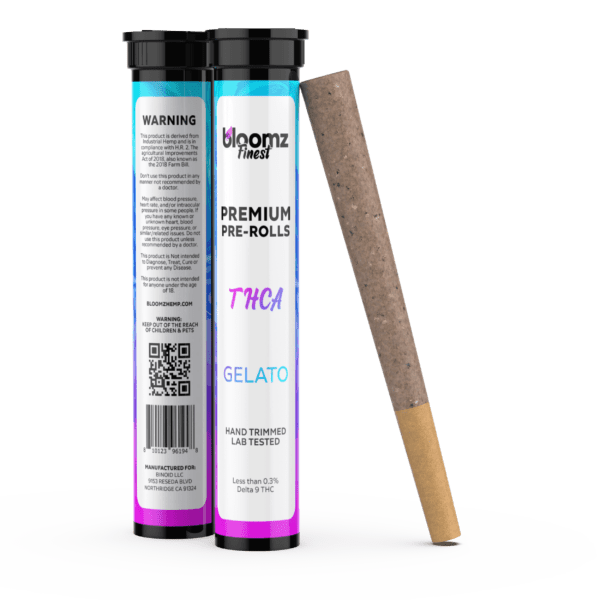
Interestingly, the presence of thiols also contributes to the concept of “loud” weed, a term used to describe cannabis with a strong, noticeable smell. When someone says a strain is loud, they are often referring to the intensity of its aroma, which is largely influenced by these sulfur compounds. In contrast, cannabis that has lost its thiols may be described as “muted” or “flat” in smell.
Another example might involve someone trying to be discreet. They might think that a small amount of cannabis will not be noticeable, only to find that the smell quickly fills the space. This is a direct result of the potency of thiols, which can travel easily through the air and linger on surfaces. It explains why cannabis odor can be difficult to mask and why it tends to stick to clothing, furniture, and enclosed spaces.
The connection between cannabis and skunk smell has even influenced strain naming and branding. Some strains are intentionally bred to emphasize these pungent characteristics, appealing to consumers who associate strong aroma with potency and quality. At the same time, others prefer less intense profiles, opting for strains with more subtle terpene-driven scents.
From a scientific perspective, the discovery of thiols in cannabis has helped clarify a long-standing question about its aroma. While terpenes provide a broad range of scents, they do not account for the specific skunky quality that defines many strains. The identification of volatile sulfur compounds fills this gap, offering a more complete understanding of how cannabis smells and why it is so distinctive.
In conclusion, the skunky smell of cannabis is primarily caused by thiols, a group of sulfur-containing compounds that are extremely potent and easily detected by the human nose. While terpenes contribute to the overall aroma, it is these volatile sulfur compounds that give cannabis its sharp, skunk-like scent. Their presence, concentration, and preservation all play a role in how strong and noticeable the smell is, making them a key factor in the sensory experience of cannabis.
To Buy Cannabis Flower Click Here
Recommended products
-
THCA Smalls
$139.99$256.99 -
THCA Flower – Exotics – Gold Line
$37.99$89.99 -
THCA Flower – Platinum Line
$47.99$79.99 -
THCA Flower – Mystery Reserve
$41.99$79.99