For years, traditional cannabis dispensaries were the center of the legal cannabis experience. They were the gateway between consumers and regulated products, providing education, product selection, and a safe purchasing environment. In the early days of legalization, simply having access to a licensed dispensary was enough to attract steady traffic and build customer loyalty.
Today, however, the landscape looks very different. Across many legal cannabis markets, traditional dispensaries are facing increasing pressure from changing consumer behavior, growing competition, alternative purchasing channels, and evolving expectations. While dispensaries remain an important part of the cannabis ecosystem, many are finding it harder than ever to retain customers.
The issue isn’t necessarily that consumers are abandoning cannabis. In fact, demand for cannabis products remains strong in many regions. The challenge is that consumers now have more choices, higher expectations, and a different definition of convenience than they did just a few years ago.
The dispensaries that fail to adapt are seeing declining foot traffic, lower average transaction values, and reduced customer loyalty. Understanding why this is happening is essential for businesses that want to remain competitive in an increasingly crowded market.
To Buy Cannabis Flower Click Here
Recommended products
-
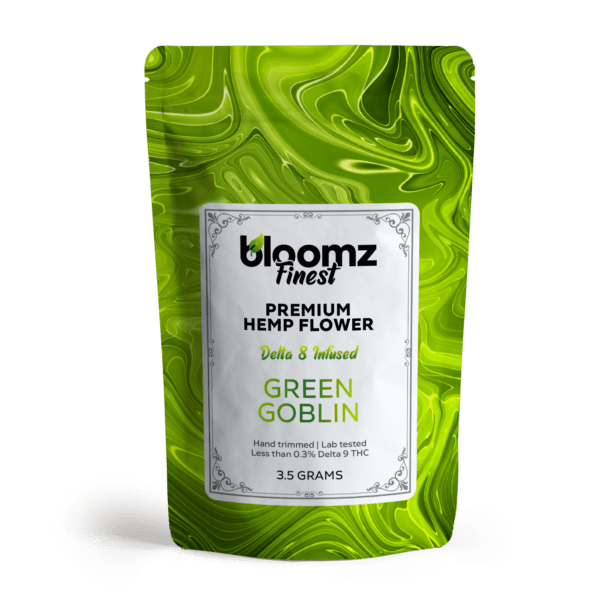
Delta 8 THC Flower
$24.99$39.99 -
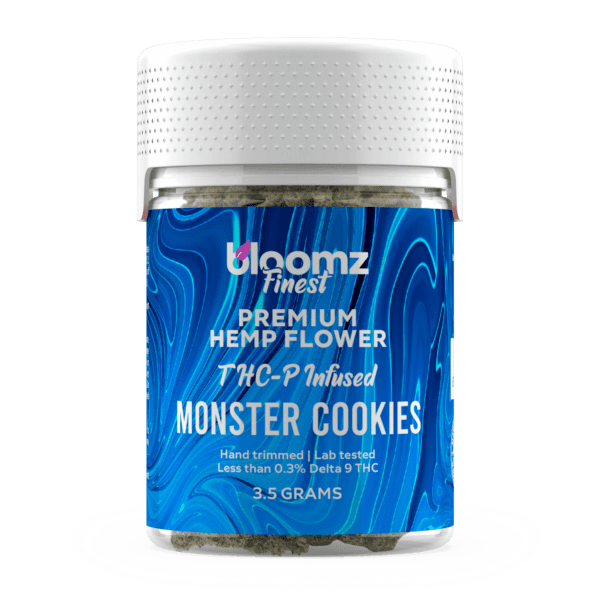
THC-P Flower
$29.99$43.99 -
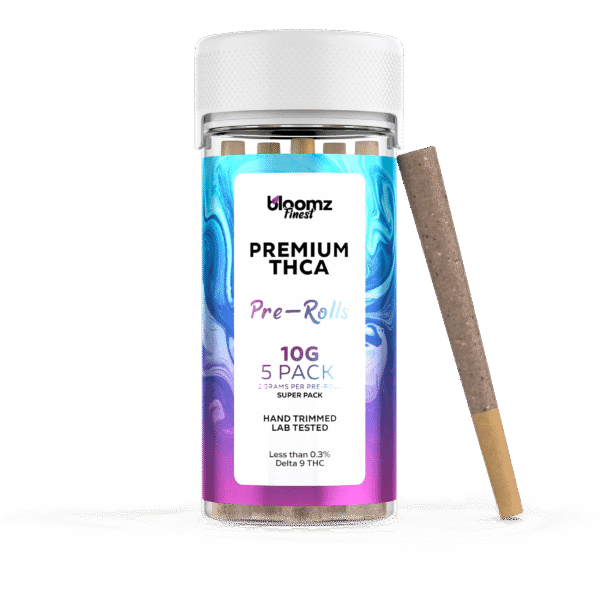
2 Gram THCA Pre-Rolls – 5 Pack
$63.99$89.99 -
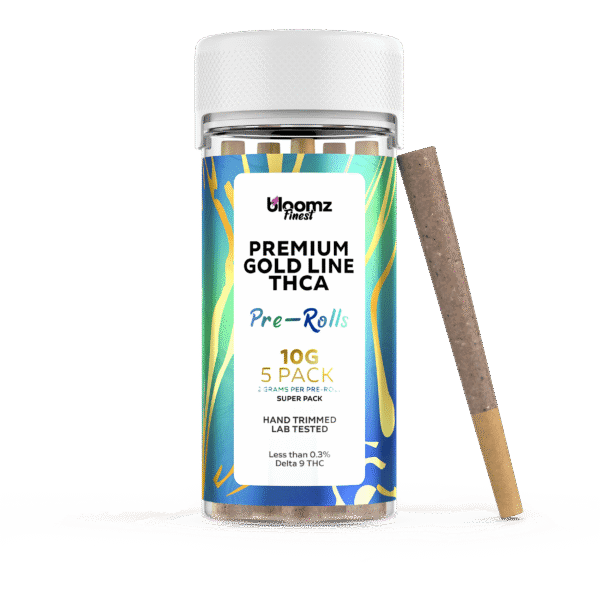
Exotic 2 Gram THCA Pre-Rolls – 5 Pack – Gold Line
$67.99$99.99
The Convenience Revolution
One of the biggest reasons traditional dispensaries are losing customers is simple: convenience.
Modern consumers expect nearly every product category to fit seamlessly into their lives. Food can be delivered in minutes. Groceries arrive at the doorstep. Prescription medications can be ordered online. Retail purchases are often available with same-day delivery. Cannabis consumers are developing similar expectations.
Many dispensaries still operate according to retail models that require customers to travel, wait in line, browse menus, and complete purchases in person. While this process once felt exciting and novel, it increasingly feels outdated compared to the convenience consumers experience elsewhere. Customers often ask themselves a simple question: Why should purchasing cannabis be more difficult than ordering almost anything else?
Businesses that offer streamlined online ordering, delivery services, curbside pickup, and mobile-friendly shopping experiences are capturing a growing share of the market. Traditional dispensaries that continue relying primarily on walk-in traffic may struggle to keep pace. Convenience has become one of the most powerful competitive advantages in modern retail, and cannabis is no exception.
Consumers No Longer Need Hand-Holding
In the early stages of legalization, many customers entered dispensaries with limited knowledge. They relied heavily on budtenders for guidance about strains, consumption methods, potency levels, and dosing recommendations. That environment has changed significantly. Today’s consumers are more educated than ever. Many have spent years researching products, reading reviews, participating in online communities, and experimenting with different consumption methods.
A growing percentage of customers already know exactly what they want before entering a store. For these consumers, lengthy consultations are no longer a major value proposition. Instead, speed and efficiency become more important. If customers know what they want, they may prefer ordering online and having products delivered rather than spending time inside a retail environment. This shift doesn’t eliminate the importance of knowledgeable staff, but it does reduce one of the traditional dispensary model’s strongest competitive advantages.
Price Competition Is Intensifying
Cannabis markets have become increasingly competitive. As more operators enter legal markets, consumers gain access to wider product selections and greater pricing transparency. Online menus make it easy to compare products across multiple retailers within minutes.
Traditional dispensaries often face significant overhead costs, including retail leases, staffing expenses, security requirements, compliance obligations, and local taxes. These costs can make it difficult to compete on price alone. Consumers are becoming more price-sensitive, especially during periods of economic uncertainty. Many shoppers are willing to switch retailers if they can save money on products they already purchase regularly.
Loyalty programs help, but they may not be enough. When customers discover lower prices elsewhere, brand loyalty often weakens. This is particularly true for experienced consumers who prioritize value and consistency over the in-store experience. Dispensaries that cannot effectively communicate additional value beyond pricing may find themselves losing customers to more competitive alternatives.
The Rise of Delivery Services
Delivery has transformed numerous industries, and cannabis is following the same path. Many consumers now view delivery as the preferred purchasing option rather than a premium service. The ability to browse products from home and receive them without leaving the house aligns perfectly with modern shopping habits.
For some customers, delivery offers practical benefits beyond convenience. Busy professionals appreciate time savings. Medical patients may have mobility limitations. Parents often prefer avoiding extra errands. Consumers in rural areas may face long travel times to reach dispensaries.
Delivery addresses all of these challenges. As delivery infrastructure improves, customers who previously visited dispensaries regularly may reduce or eliminate in-person visits altogether. Traditional dispensaries that fail to develop strong delivery programs risk losing a growing segment of the market.
Recommended products
-
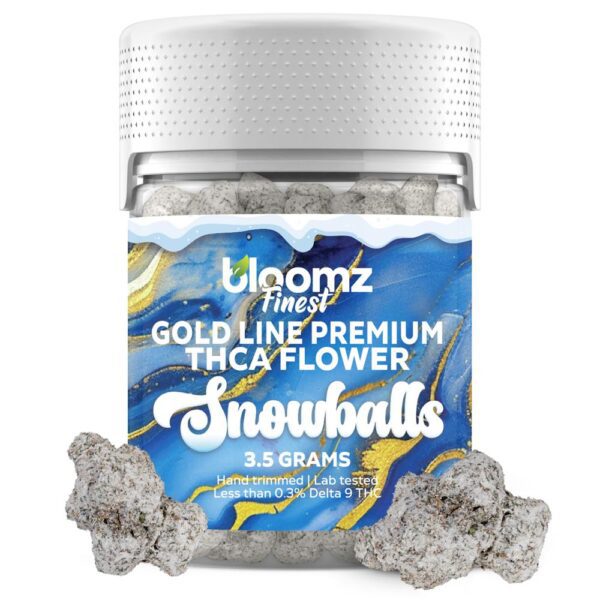
THCA Snowballs – Gold Line
$57.99$89.99 -
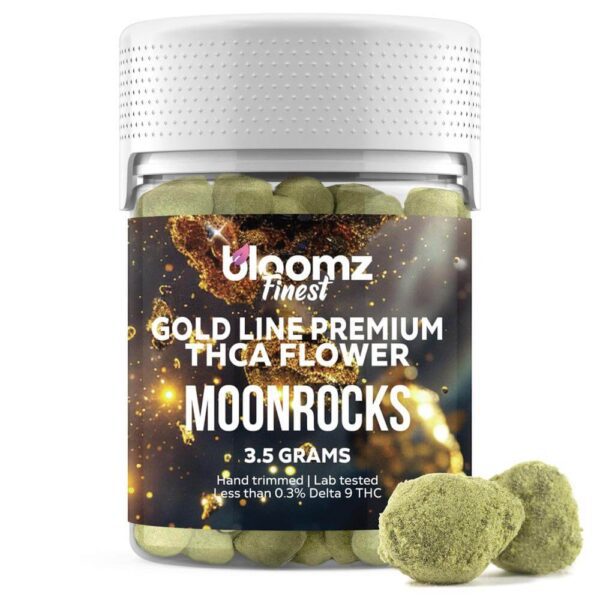
THCA Moonrocks – Gold Line
$57.99$89.99 -
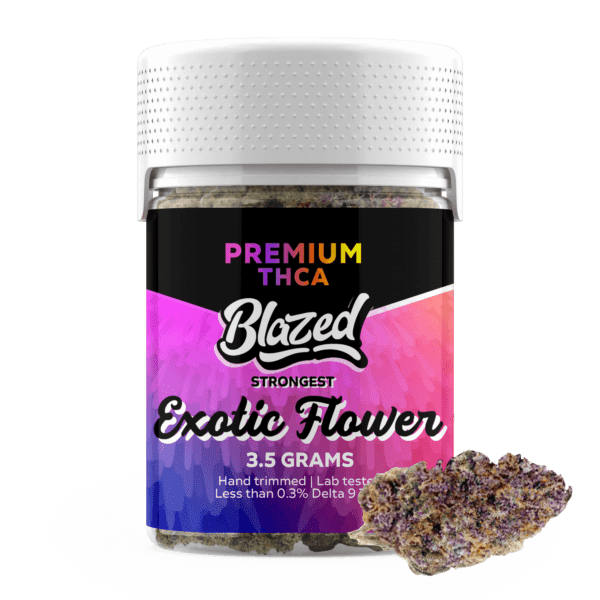
Blazed Exotic THCA Flower
$36.99$79.99 -
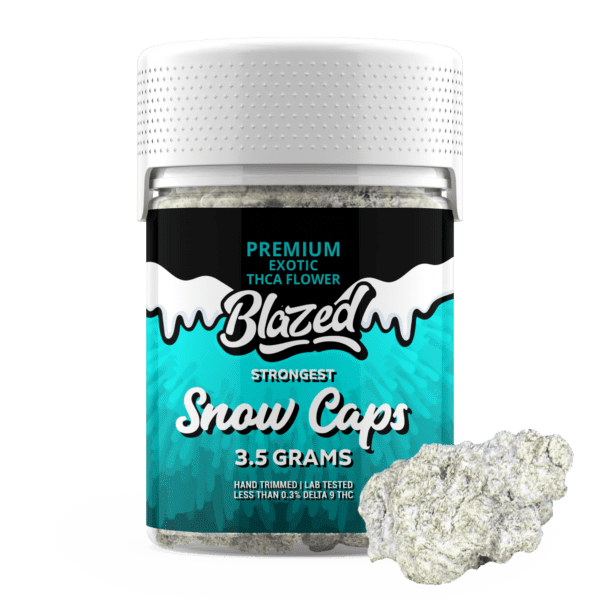
Blazed Strongest Exotic THCA Snow Caps
$58.99$93.99
Generic Retail Experiences Are No Longer Enough
Many dispensaries look remarkably similar. Customers walk into a brightly lit store, wait in line, view products displayed behind counters, and interact with staff before completing a transaction.
While functional, this experience is becoming increasingly commoditized. Consumers today seek memorable experiences. They want personalization, community engagement, educational opportunities, and brand authenticity. If every dispensary feels nearly identical, customers may choose whichever option is closest, cheapest, or most convenient. This creates a significant challenge for retailers.
Successful businesses differentiate themselves through unique customer experiences, specialized product selections, exclusive partnerships, community involvement, or highly personalized service. Dispensaries that fail to establish a distinctive identity may struggle to build long-term loyalty.
Online Research Has Changed Buying Behavior
Before making purchases, consumers often conduct extensive research online. They read product reviews, compare cannabinoid profiles, watch educational videos, and browse social media discussions. Many purchasing decisions occur long before customers enter a dispensary.
This trend shifts influence away from physical retail locations and toward digital platforms. Consumers increasingly trust peer reviews and online recommendations. They often arrive with predetermined preferences based on information gathered elsewhere.
Traditional dispensaries that invest heavily in physical experiences while neglecting digital engagement may miss opportunities to influence customer decisions earlier in the purchasing journey. The modern cannabis customer frequently begins shopping online, even when completing purchases in person.
Product Saturation Has Reduced Excitement
During the early years of legalization, consumers were excited simply to access legal cannabis products.
Today, the novelty has largely faded. Most markets offer hundreds or even thousands of products across multiple categories. Flower, concentrates, edibles, beverages, tinctures, capsules, vapes, and topicals have become standard offerings.
While variety benefits consumers, it also creates challenges for dispensaries. When every retailer carries similar products, differentiation becomes more difficult. Customers may view products as interchangeable commodities rather than unique discoveries.
This shift places greater pressure on retailers to provide value beyond inventory alone. Consumers need compelling reasons to choose one dispensary over another, and product availability is often no longer sufficient.
Recommended products
-
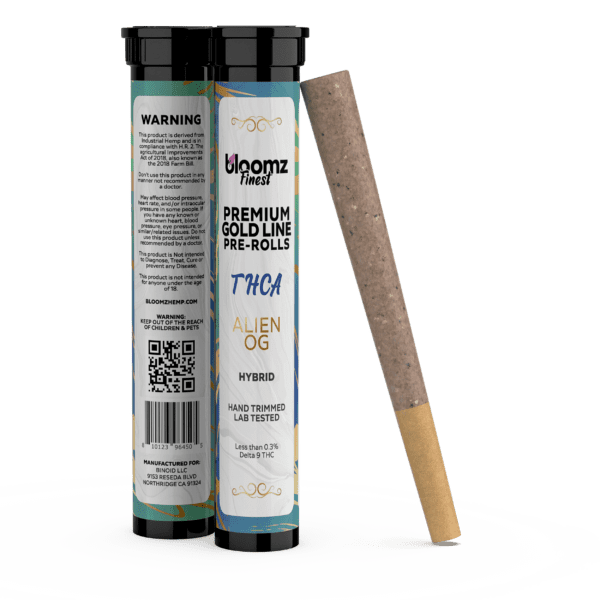
Exotic THCA Pre-Rolls Gold Line – 3-Pack/6 Pack
$36.99$69.99 -
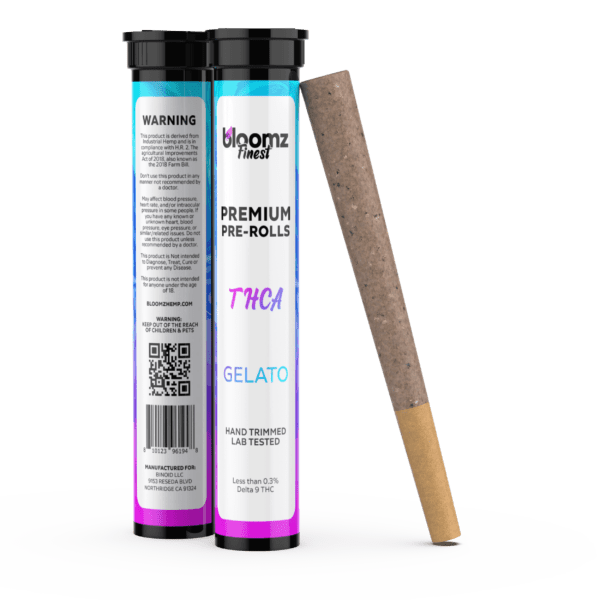
THCA Pre-Rolls – 3-Pack/6-Pack
$30.99$59.99
Younger Consumers Have Different Expectations
Younger generations are reshaping retail. Many consumers have grown up in an environment dominated by smartphones, e-commerce, social media, and digital convenience. Their expectations differ substantially from those of earlier generations.
These consumers often prioritize:
-
Fast purchasing experiences
-
Mobile accessibility
-
Personalized recommendations
-
Digital loyalty programs
-
Flexible fulfillment options
-
Authentic brand messaging
Traditional dispensaries sometimes struggle to meet these expectations. Businesses built around older retail models may find themselves out of alignment with emerging consumer preferences. Younger shoppers are often less interested in spending extended periods inside stores and more interested in obtaining products quickly and efficiently. The dispensaries that understand these evolving expectations are more likely to retain future generations of customers.
Limited Product Personalization
Modern consumers increasingly expect personalized experiences. Streaming platforms recommend content. Online retailers suggest products. Fitness apps create customized plans.
Cannabis consumers are beginning to expect similar levels of personalization. Many dispensaries still offer relatively standardized shopping experiences. Every customer sees similar menus, promotions, and recommendations.
Advanced retailers are moving beyond this approach. By leveraging customer data, purchase history, and preference tracking, businesses can create highly personalized experiences that improve satisfaction and encourage repeat purchases. Dispensaries that fail to embrace personalization may appear outdated compared to other industries where customized experiences have become the norm.
Brand Loyalty Is Shifting
Historically, many customers developed loyalty to specific dispensaries. Today, loyalty is increasingly shifting toward product brands.
Consumers often identify more strongly with favorite cultivators, edible manufacturers, vape companies, or wellness-focused brands than with the stores that sell them. This trend reduces the influence of dispensaries as primary loyalty drivers.
If a customer follows a particular brand, they may simply purchase that brand wherever it is available at the best price or with the greatest convenience. Dispensaries must work harder to create compelling reasons for customers to remain loyal to the retailer itself rather than solely to product manufacturers.
Social Commerce Is Influencing Purchasing Decisions
Social media has become one of the most influential forces in modern commerce. Consumers discover products through creators, online communities, educational content, and peer recommendations.
Many cannabis purchasing decisions now begin on social platforms rather than inside retail stores. Traditional dispensaries that focus exclusively on physical operations may underestimate the importance of digital engagement.
Consumers often form opinions about products and brands long before visiting a dispensary. Retailers that fail to participate in these conversations risk losing relevance among increasingly connected audiences.
Economic Pressures Are Changing Spending Habits
Economic conditions play a significant role in consumer behavior. When budgets become tighter, shoppers often prioritize value, discounts, and efficiency. They may reduce discretionary spending or become more selective about purchases.
Cannabis consumers are not immune to these trends. Customers facing financial pressure may shop less frequently, purchase smaller quantities, or seek lower-priced alternatives.
Traditional dispensaries with higher operating costs often struggle to compete during periods of heightened price sensitivity. Economic realities are forcing retailers to reevaluate pricing strategies, promotions, and customer retention programs.
Recommended products
-
THCA Smalls
$139.99$256.99 -
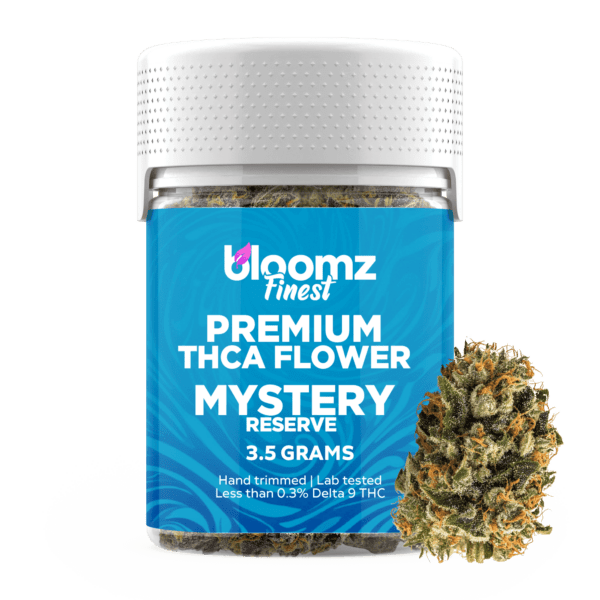
THCA Flower – Mystery Reserve
$41.99$79.99 -
THCA Flower – Platinum Line
$47.99$79.99 -
THCA Flower – Exotics – Gold Line
$37.99$89.99
Consumers Want Seamless Omnichannel Experiences
The line between online and offline shopping continues to blur. Modern consumers expect seamless transitions between digital and physical experiences. They want to research online, browse mobile menus, place orders electronically, and choose fulfillment methods that fit their schedules. Many dispensaries still treat online and in-store experiences as separate systems. This disconnect creates friction.
Customers increasingly reward businesses that provide integrated experiences across multiple channels. The future of cannabis retail likely belongs to companies that successfully combine physical stores with robust digital ecosystems.
Inventory Transparency Matters
Nothing frustrates customers more than discovering that desired products are unavailable. Consumers increasingly expect real-time inventory visibility. If online menus are inaccurate or frequently outdated, customer trust suffers. Shoppers may choose competitors that provide more reliable information. Inventory transparency has become a critical component of customer satisfaction.
Dispensaries that invest in accurate inventory management systems can improve purchasing experiences and reduce customer frustration.
The Customer Experience Gap
Many dispensaries focus heavily on compliance, operations, and inventory management. While these functions are essential, they sometimes come at the expense of customer experience. Consumers compare cannabis retail not only against other dispensaries but against the best experiences they encounter anywhere.
That means cannabis retailers compete indirectly with major e-commerce platforms, premium retailers, and hospitality-driven businesses.
Customers increasingly expect:
-
Fast service
-
Friendly interactions
-
Personalized recommendations
-
Clear communication
-
Convenient purchasing options
-
Consistent experiences
Dispensaries that fail to meet these expectations risk losing customers to competitors that prioritize experience as much as compliance.
The Future of Cannabis Retail
Traditional dispensaries are not disappearing. Physical retail still offers important advantages. Consumers appreciate the ability to see products, ask questions, and interact with knowledgeable staff. Many customers continue to enjoy the social and educational aspects of in-person shopping.
However, the role of dispensaries is evolving. The retailers that thrive in the future will likely look very different from those that dominated the early legalization era.
Successful businesses will embrace technology, prioritize convenience, develop strong digital ecosystems, personalize customer interactions, and create memorable experiences that extend beyond simple transactions. Rather than viewing themselves solely as retail stores, forward-thinking dispensaries will position themselves as customer-focused platforms that connect people with products, information, and experiences.
Final Thoughts
Traditional dispensaries are losing customers not because cannabis demand is declining, but because consumer expectations are changing. Convenience, personalization, competitive pricing, digital engagement, and seamless purchasing experiences now play a larger role in purchasing decisions than ever before. Customers have more options, more information, and higher standards.
The dispensaries that continue operating under outdated assumptions may struggle to maintain market share. Those that adapt to modern consumer behavior will be better positioned to succeed in an increasingly competitive environment. The lesson is clear: cannabis retail is no longer just about selling products. It is about creating frictionless, customer-centered experiences that meet consumers wherever they are.
As the industry matures, the winners will not necessarily be the businesses with the largest stores or the widest product selections. They will be the companies that understand how modern consumers want to shop and evolve accordingly. The future of cannabis retail belongs to businesses that recognize one simple reality: customer expectations rarely move backward. They only move forward, and the dispensaries that move with them will be the ones that survive and grow.
To Buy Cannabis Flower Click Here
Recommended products
-
Exotic THCA Smalls
$169.99$329.99 -
THCA + THC-P Flower
$47.99$89.99 -
THCA Flower
$27.99$79.99 -
THCA Pre-Rolls – 3-Pack/6-Pack
$30.99$59.99