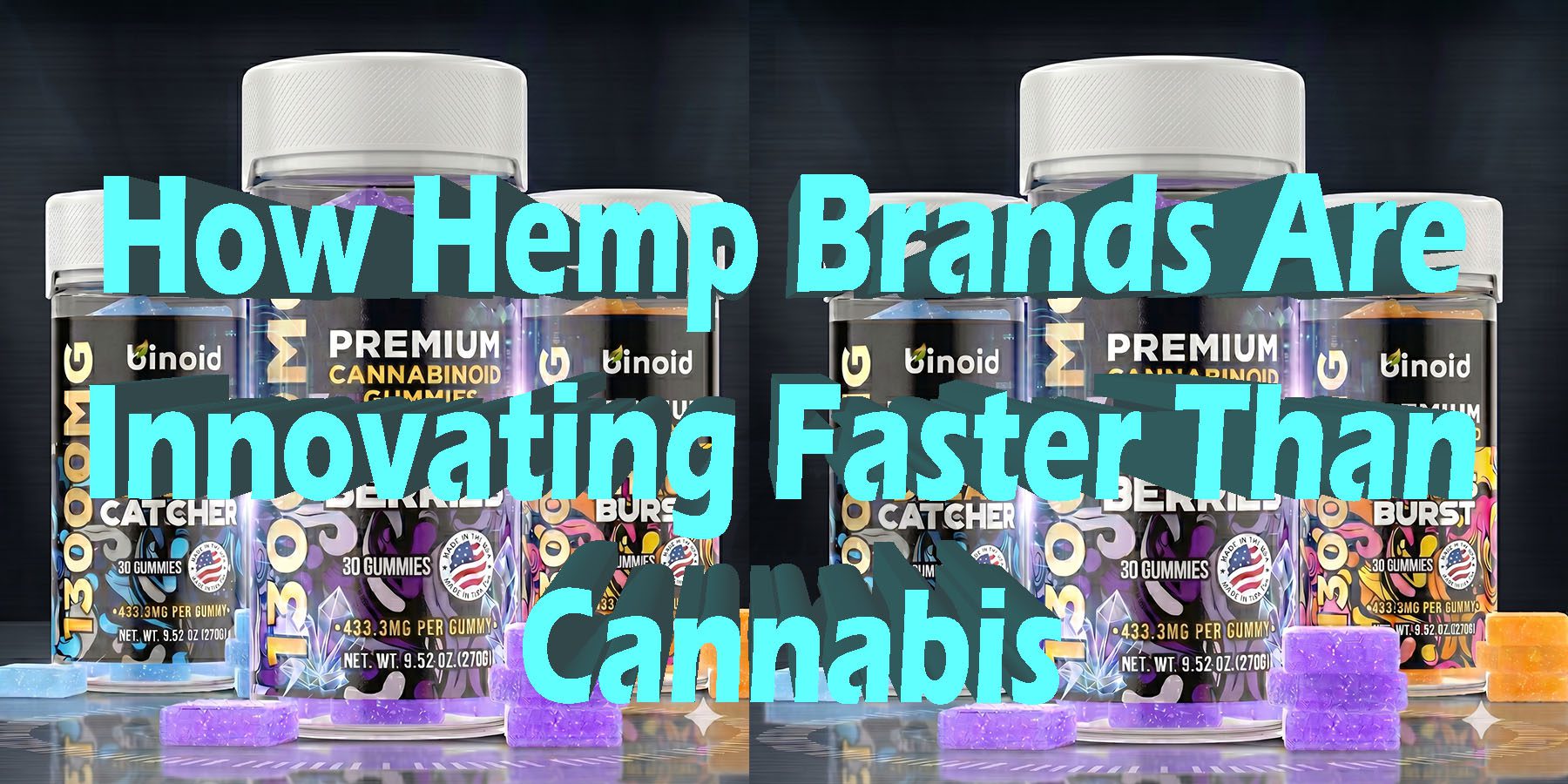
The Cannabis and hemp industries share common roots, but in recent years they have followed very different paths. While cannabis companies often capture headlines with new dispensaries, product launches, and legalization efforts, hemp brands have quietly become some of the most innovative businesses in the broader cannabinoid marketplace. From advanced product development to e-commerce strategies, sustainability initiatives, wellness-focused formulations, and nationwide distribution models, hemp companies are moving at a pace that many cannabis operators struggle to match.
The reasons behind this innovation gap are complex. Regulatory frameworks, consumer accessibility, supply chain flexibility, and market competition all play a role. Hemp businesses operate in an environment that allows them to experiment more freely, reach larger audiences, and respond to consumer demand faster than many state-regulated cannabis companies. As a result, hemp brands are pioneering trends that often influence the broader cannabinoid industry.
To Buy Cannabis Flower Click Here
Recommended products
-
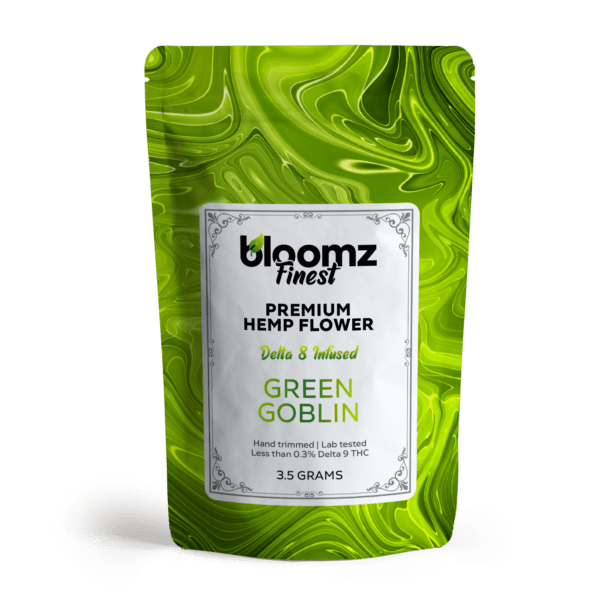
Delta 8 THC Flower
$24.99$39.99 -
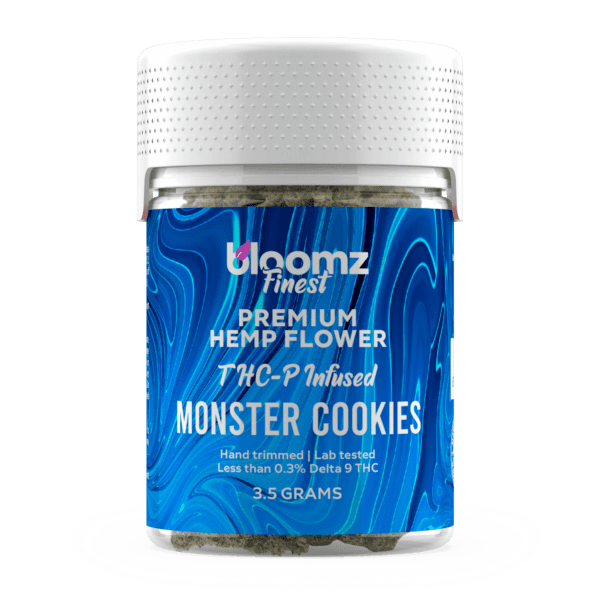
THC-P Flower
$29.99$43.99 -
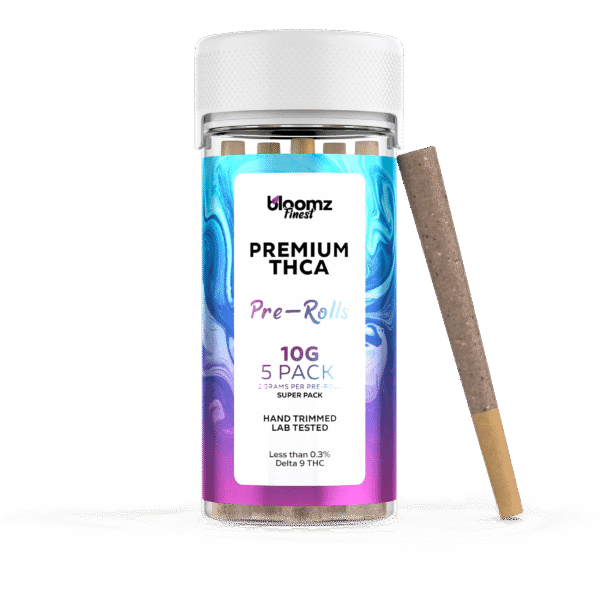
2 Gram THCA Pre-Rolls – 5 Pack
$63.99$89.99 -
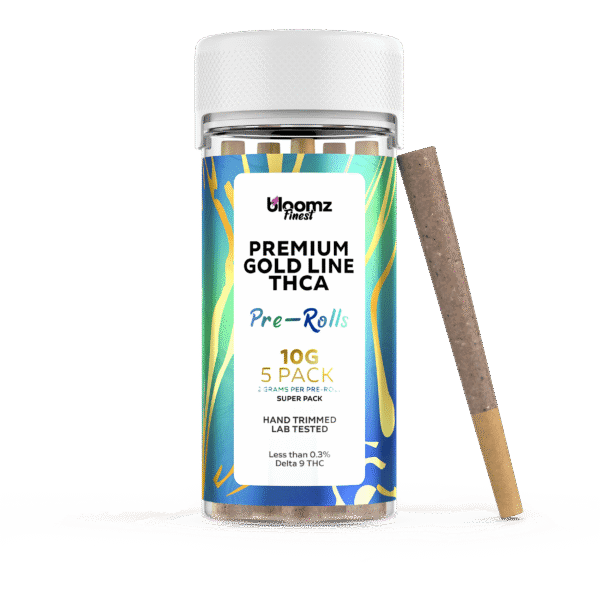
Exotic 2 Gram THCA Pre-Rolls – 5 Pack – Gold Line
$67.99$99.99
The Regulatory Advantage
One of the biggest reasons hemp brands innovate faster than cannabis companies is regulatory flexibility. In many regions, hemp-derived products can be sold across state lines as long as they comply with federal guidelines regarding THC content. This creates a significantly larger addressable market compared to cannabis products, which are often restricted to individual states or jurisdictions.
Cannabis businesses frequently face a patchwork of regulations. A product approved in one state may require entirely different testing, packaging, labeling, and manufacturing standards in another. This fragmented system slows expansion and limits the speed at which brands can scale successful innovations.
Hemp companies, on the other hand, often have the ability to distribute products nationwide through online channels. This broader reach encourages experimentation because brands can test new formulations with a much larger audience. Faster feedback loops lead to quicker product refinement and more rapid innovation cycles.
When a hemp company develops a successful product, it can often roll it out nationally within weeks or months. A cannabis company may need years to achieve a similar level of distribution due to licensing and regulatory constraints.
E-Commerce Drives Faster Growth
The internet has become one of the most powerful innovation engines in modern commerce. Hemp brands have embraced digital marketing, direct-to-consumer sales, subscription programs, and online education platforms in ways that many cannabis companies cannot.
Because hemp products are generally easier to sell online, brands have developed sophisticated e-commerce ecosystems. They invest heavily in customer experience, website optimization, loyalty programs, personalized recommendations, and educational content. These investments generate valuable consumer data that can be used to improve products and identify emerging trends.
Cannabis companies often rely on dispensaries as their primary retail channel. While dispensaries provide valuable customer interaction, they also create distance between brands and end users. Hemp businesses frequently have direct access to customer purchasing behavior, reviews, and feedback, allowing them to adapt much faster.
The result is a culture of continuous improvement. Hemp brands can launch a product, analyze customer responses, make adjustments, and release an updated version in a fraction of the time it may take a cannabis company operating through traditional retail channels.
Product Innovation Beyond CBD
The early hemp market was heavily focused on CBD products. Oils, tinctures, capsules, and topicals dominated store shelves and online catalogs. However, as competition intensified, hemp brands recognized the need to differentiate themselves through innovation.
Today, many hemp companies are exploring a much broader range of cannabinoids. Consumers can find products featuring compounds such as CBG, CBN, CBC, and other hemp-derived cannabinoids. Rather than marketing a single ingredient, brands are developing formulations designed for specific consumer goals such as sleep support, relaxation, focus, recovery, or mood enhancement.
This targeted approach reflects a broader trend in consumer wellness. Modern shoppers increasingly seek personalized solutions rather than generic products. Hemp companies have responded by creating highly specialized product categories that appeal to different lifestyles and preferences.
The speed at which these formulations are developed highlights the flexibility of the hemp market. Brands can identify emerging research, formulate new products, and bring them to market relatively quickly compared to the lengthy approval and compliance processes that often characterize cannabis markets.
Consumer Wellness Is a Powerful Driver
Another reason hemp brands innovate rapidly is their alignment with the broader wellness industry. Hemp products are frequently positioned alongside supplements, fitness products, natural health solutions, and self-care routines.
This positioning opens opportunities for cross-industry collaboration. Hemp companies often work with nutrition experts, fitness influencers, herbal formulators, and wellness practitioners to create products that fit into established health and lifestyle trends.
For example, hemp ingredients may be incorporated into recovery products for athletes, calming formulations for busy professionals, or wellness routines designed to support better sleep. These applications extend beyond traditional cannabinoid markets and allow hemp brands to reach consumers who may never consider purchasing cannabis.
The wellness industry itself is highly competitive and innovation-driven. Companies must constantly develop new products, ingredients, and experiences to remain relevant. Hemp brands that operate within this ecosystem naturally adopt a faster pace of innovation.
Recommended products
-
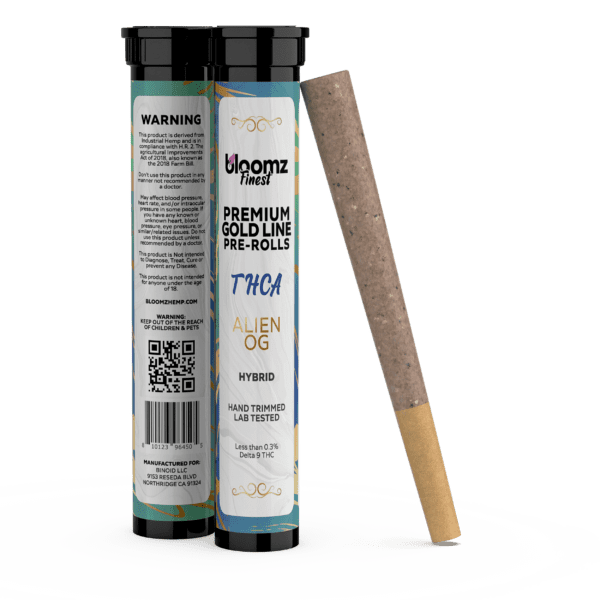
Exotic THCA Pre-Rolls Gold Line – 3-Pack/6 Pack
$36.99$69.99 -
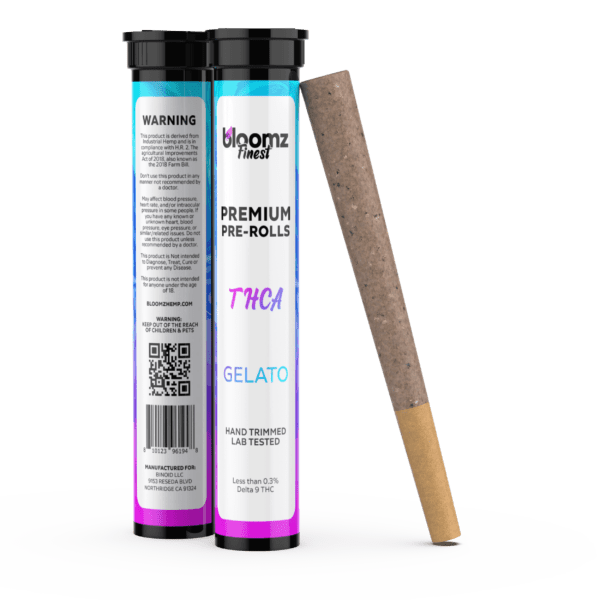
THCA Pre-Rolls – 3-Pack/6-Pack
$30.99$59.99
Supply Chain Flexibility
Hemp cultivation generally benefits from greater agricultural flexibility than cannabis cultivation. Farmers can grow hemp at larger scales in many regions, creating opportunities for more efficient supply chains and lower production costs.
A reliable supply chain enables experimentation. When raw materials are readily available, brands can allocate resources toward research and development rather than focusing solely on securing inventory.
Many hemp companies have invested in advanced extraction technologies, formulation science, and manufacturing processes. These investments help improve product consistency, quality, and scalability.
Additionally, hemp brands often work with contract manufacturers and third-party laboratories that specialize in cannabinoid products. This infrastructure allows companies to move quickly from concept to commercialization.
Cannabis businesses frequently encounter more complex logistical challenges due to state-specific regulations and licensing requirements. These barriers can slow innovation and increase operational costs.
Faster Consumer Feedback Loops
Innovation thrives when companies can quickly understand what customers want. Hemp brands often benefit from direct relationships with consumers through online sales channels, social media platforms, email marketing campaigns, and customer communities.
This constant flow of feedback creates a valuable source of market intelligence. Brands can identify emerging preferences, address concerns, and spot new opportunities before competitors.
For example, if consumers begin expressing interest in a specific cannabinoid or delivery format, a hemp company may be able to develop and launch a new product within a relatively short timeframe. Customer reviews, surveys, and purchasing patterns provide immediate signals that guide decision-making.
Cannabis brands operating primarily through dispensaries may receive less direct consumer data. While dispensary relationships remain valuable, the additional layer between brands and customers can slow the feedback process.
The ability to gather and act on real-time insights gives hemp companies a significant innovation advantage.
Recommended products
-
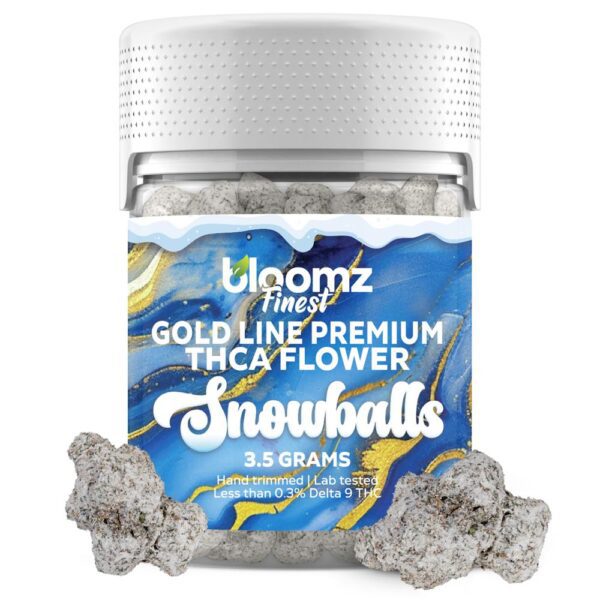
THCA Snowballs – Gold Line
$57.99$89.99 -
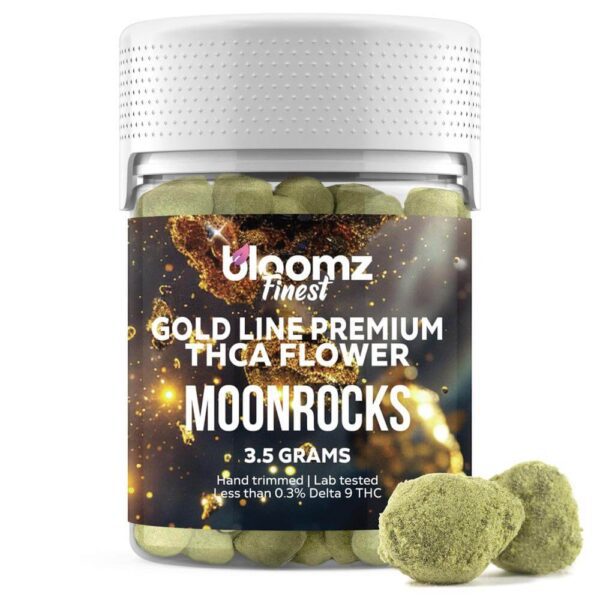
THCA Moonrocks – Gold Line
$57.99$89.99 -
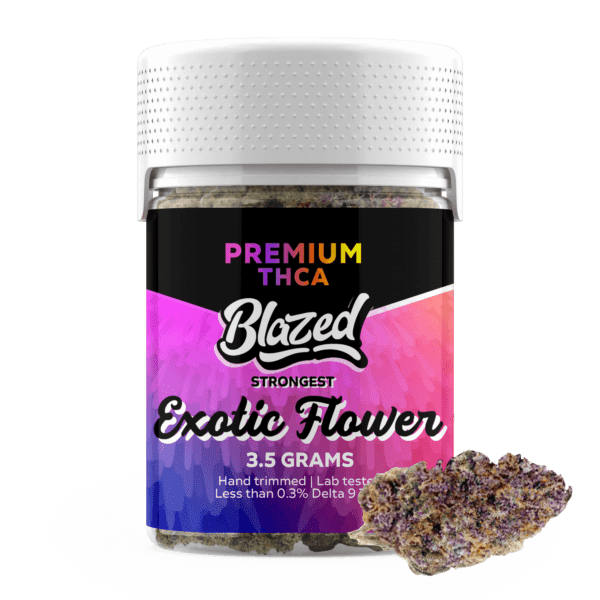
Blazed Exotic THCA Flower
$36.99$79.99 -
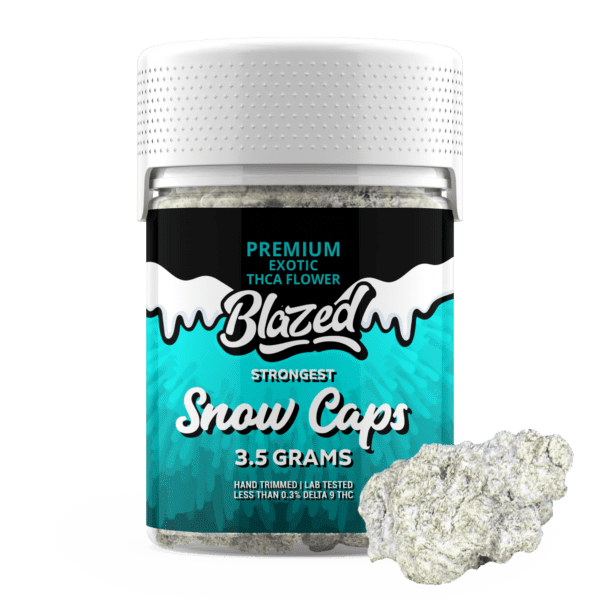
Blazed Strongest Exotic THCA Snow Caps
$58.99$93.99
New Delivery Methods and Formats
Hemp brands have become particularly creative when it comes to product formats. The market has expanded far beyond traditional tinctures and capsules.
Consumers now encounter gummies, beverages, powders, sprays, dissolvable tablets, functional foods, skincare products, patches, and other delivery systems designed to improve convenience and user experience.
This diversification reflects a broader understanding of consumer behavior. Different people prefer different methods of consumption, and hemp brands are willing to experiment extensively to meet those preferences.
Many companies are also investing in technologies designed to improve absorption, consistency, and effectiveness. While scientific evidence continues to evolve, the willingness to explore novel delivery methods demonstrates the entrepreneurial mindset that characterizes much of the hemp industry.
Cannabis companies certainly innovate as well, but regulatory limitations often make it more difficult to introduce and scale new product categories across multiple markets.
Branding and Storytelling Excellence
Modern consumers increasingly purchase products based on brand identity rather than ingredients alone. Hemp companies have embraced this reality by investing heavily in storytelling, design, and customer engagement.
Many successful hemp brands focus on values such as sustainability, transparency, wellness, community, and environmental responsibility. They build narratives that resonate with modern consumers and create emotional connections beyond product functionality.
Branding innovation extends to packaging, educational content, social media strategies, and customer experiences. Hemp companies often operate in highly competitive environments where differentiation is essential for survival.
This competition drives creativity. Brands continuously refine their messaging, visual identities, and customer interactions to stand out in crowded marketplaces.
Cannabis companies also invest in branding, but regulatory restrictions on marketing and advertising can create additional obstacles. Hemp brands generally enjoy more flexibility in communicating with consumers and building long-term brand loyalty.
Sustainability as an Innovation Platform
Sustainability has become a major priority for consumers and businesses alike. Hemp brands have embraced this trend by positioning themselves as environmentally conscious alternatives within the broader consumer goods landscape.
Hemp itself has characteristics that appeal to sustainability-minded audiences. Many brands highlight responsible farming practices, renewable resources, reduced environmental impact, and transparent sourcing.
Innovation in this area goes beyond marketing. Companies are exploring biodegradable packaging, carbon-conscious operations, regenerative agriculture partnerships, and waste reduction initiatives.
Consumers increasingly reward businesses that align with their environmental values. As a result, sustainability has become both a competitive advantage and an innovation catalyst.
The ability to integrate environmental responsibility into product development helps hemp brands attract modern consumers while differentiating themselves from competitors.
The Influence of Startup Culture
Many hemp companies emerged during a period of rapid entrepreneurial activity. As a result, the industry has adopted many characteristics associated with startup culture.
These businesses often prioritize agility, experimentation, and rapid iteration. They are comfortable testing new ideas, learning from failures, and pivoting when necessary.
Traditional cannabis operators may face heavier regulatory burdens, larger compliance departments, and more complex operational structures. While these organizations can certainly innovate, their size and obligations sometimes reduce flexibility.
Startup-oriented hemp brands frequently maintain lean teams capable of making decisions quickly. This speed translates into faster product launches, more responsive marketing campaigns, and greater willingness to explore emerging opportunities.
The entrepreneurial mindset remains one of the strongest drivers of innovation in the hemp sector.
Education as a Competitive Advantage
Consumer education has become a critical component of hemp brand strategy. Many consumers remain unfamiliar with cannabinoids, extraction methods, product formulations, and potential applications.
Rather than viewing education as a cost center, innovative hemp brands treat it as a growth engine. They create blogs, videos, webinars, guides, podcasts, and social media content designed to help consumers make informed decisions.
Educational content builds trust and credibility. It also creates opportunities to introduce consumers to new products and categories.
Brands that effectively educate their audiences often become industry leaders because consumers view them as reliable sources of information. This trust can accelerate adoption of innovative products and strengthen long-term customer relationships.
The emphasis on education encourages continuous learning within the industry itself, creating an environment where innovation can flourish.
Recommended products
-
Exotic THCA Smalls
$169.99$329.99 -
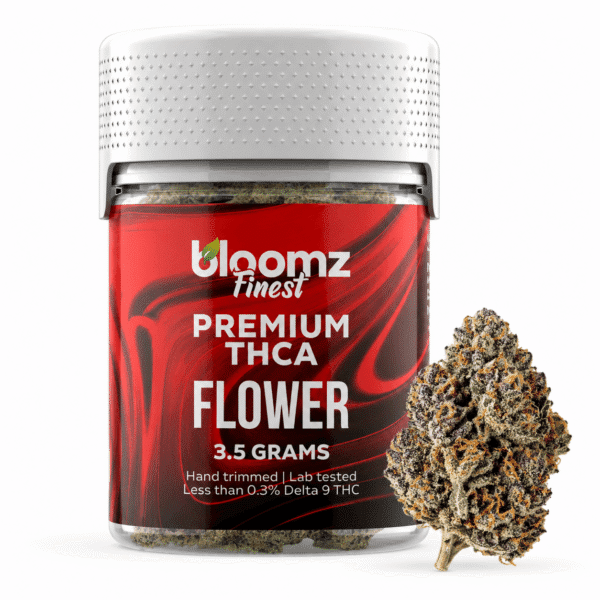
THCA Flower
$27.99$79.99 -
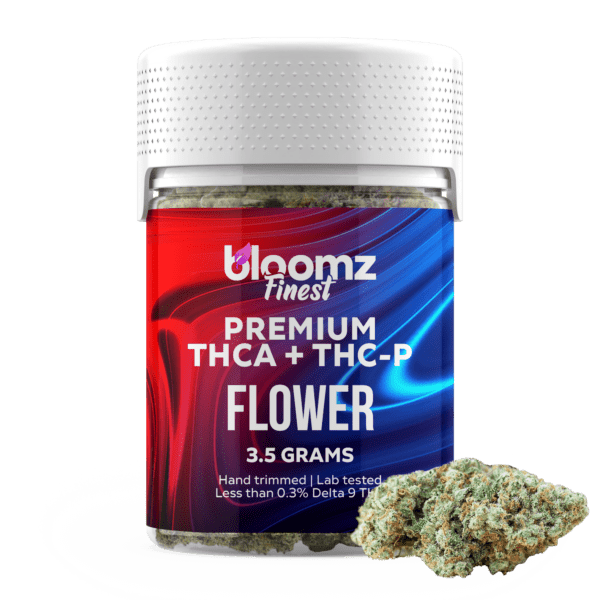
THCA + THC-P Flower
$47.99$89.99 -
THCA Pre-Rolls – 3-Pack/6-Pack
$30.99$59.99
Data-Driven Decision Making
Modern hemp brands increasingly rely on data analytics to guide business decisions. E-commerce platforms provide detailed insights into consumer behavior, purchasing trends, product performance, and customer retention.
This data enables companies to identify opportunities that might otherwise go unnoticed. Instead of relying solely on intuition, brands can make evidence-based decisions regarding product development, marketing strategies, and inventory planning.
Predictive analytics, customer segmentation, and performance tracking help businesses allocate resources more effectively. Companies can identify which products resonate with consumers and invest accordingly.
The ability to leverage data at scale contributes significantly to the rapid pace of innovation seen throughout the hemp industry.
What Cannabis Companies Can Learn
The innovation gap between hemp and cannabis is not permanent. In fact, many cannabis operators are already adopting strategies pioneered by hemp brands.
Direct consumer engagement, educational marketing, wellness positioning, data analytics, sustainability initiatives, and customer-centric product development are becoming increasingly common throughout the broader cannabinoid sector.
As regulations evolve, cannabis companies may gain greater flexibility to experiment, scale, and communicate with consumers. This could accelerate innovation and narrow the gap between the two industries.
At the same time, hemp brands are unlikely to slow down. Their ability to move quickly, adapt to changing market conditions, and embrace emerging trends remains a defining competitive advantage.
The Future of Hemp Innovation
Looking ahead, hemp brands are well positioned to remain leaders in cannabinoid innovation. Consumer demand for wellness products, personalized experiences, sustainable solutions, and convenient purchasing options continues to grow.
Advances in cannabinoid research, formulation science, manufacturing technology, and digital commerce will likely create new opportunities for differentiation. Companies that combine scientific rigor with strong branding and customer engagement strategies are expected to lead the next phase of market development.
The future may also bring greater convergence between hemp and cannabis industries. As regulations mature and consumer understanding improves, successful ideas will likely flow between both sectors.
However, the current landscape clearly demonstrates that hemp companies possess unique advantages that enable faster innovation. Their regulatory flexibility, nationwide reach, digital-first business models, and entrepreneurial culture create conditions that encourage experimentation and rapid growth.
In many ways, hemp brands are functioning as innovation laboratories for the broader cannabinoid economy. They are testing new concepts, discovering consumer preferences, and refining business models that could influence the future of the entire industry.
While cannabis continues to attract significant attention, hemp is quietly setting the pace. The brands that understand how to combine science, technology, wellness, sustainability, and consumer engagement are redefining what is possible in the marketplace.
The lesson for the broader industry is simple: innovation is not solely about developing new products. It is about creating systems that allow ideas to move from concept to consumer quickly and effectively. Hemp brands have built those systems, and their success demonstrates the power of agility in a rapidly evolving market.
As the cannabinoid economy continues to mature, the companies that can learn, adapt, and innovate at speed will be the ones that shape the future. For now, hemp brands appear to be leading that race.
To Buy Cannabis Flower Click Here
Recommended products
-
THCA Smalls
$139.99$256.99 -
THCA Flower – Exotics – Gold Line
$37.99$89.99 -
THCA Flower – Platinum Line
$47.99$79.99 -
THCA Flower – Mystery Reserve
$41.99$79.99