There’s a particular image that used to define hemp and cannabis consumption in the popular imagination a single person, alone, in a dim room, disconnected from the world around them. It was never a fully accurate picture, but it was a durable one, and it shaped how an entire category got marketed, packaged, and understood for decades. That image has been quietly dismantled over the last several years, replaced by something far more communal and considerably more interesting.
Hemp consumption today looks less like a private escape and more like a shared ritual something that happens around a dinner table, during a game night, alongside a playlist, in the company of people who are actively choosing to be together rather than apart. Understanding how that shift happened, and why it matters, says as much about changing social habits as it does about the products themselves.
To Buy Cannabis Flower Click Here
Recommended products
-
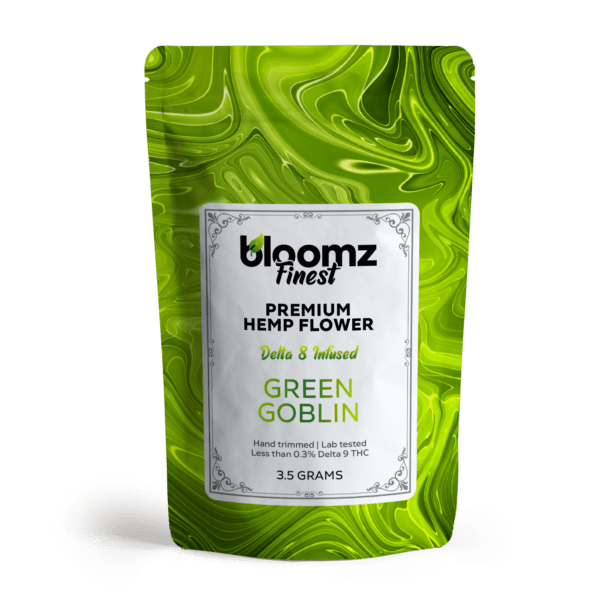
Delta 8 THC Flower
$24.99$39.99 -
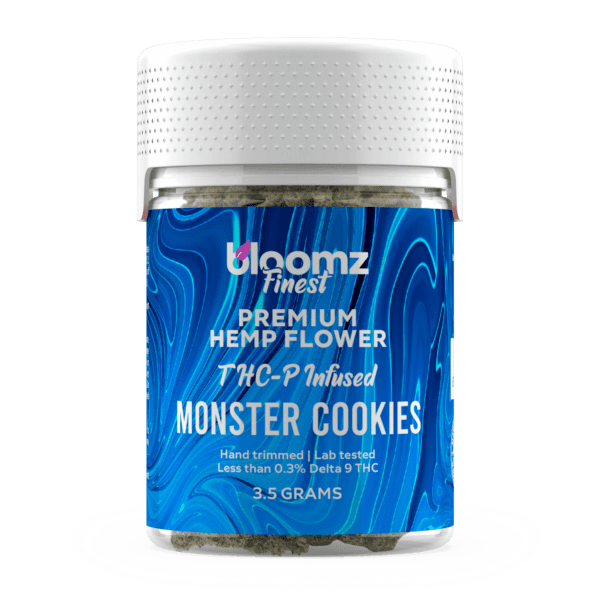
THC-P Flower
$29.99$43.99 -
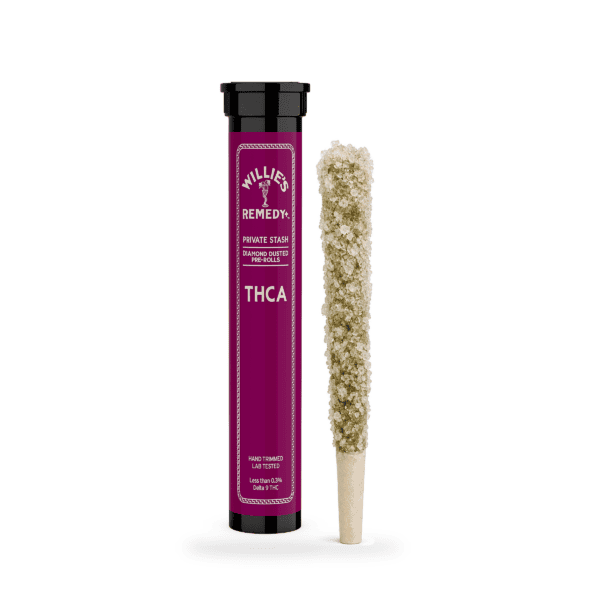
THCA Diamond Dusted Pre-Rolls – Willie’s Remedy – 5 Pack
$69.99$109.99 -
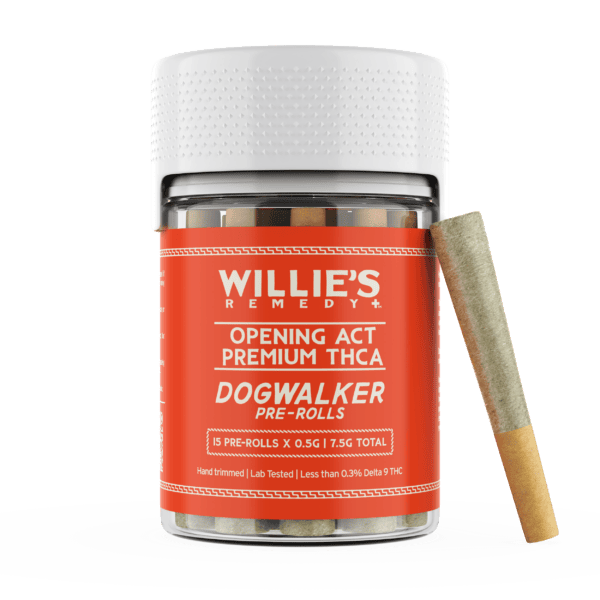
THCA Dogwalker Pre-Rolls – Willie’s Remedy
$44.99$67.99
From Stigma to Setting
To understand the shift toward social consumption, it helps to understand what came before it. For most of hemp and cannabis‘s modern history, consumption was shaped heavily by stigma, and stigma tends to push behavior into private, isolated spaces. When something carries social risk, people don’t do it in front of others; they do it quietly, alone, often with a sense of concealment baked into the experience itself. That context shaped everything about how early products were designed and marketed discreet packaging, minimal social framing, an implicit assumption that consumption was something to be managed privately rather than shared openly.
As legal and cultural attitudes have shifted, that foundational assumption has started to erode, and something interesting has happened in its place. Once the stigma softens, consumption stops needing to hide, and once it stops needing to hide, it naturally migrates toward the same social contexts that shape almost every other consumable in modern life shared meals, gatherings, celebrations, the ordinary rhythms of spending time with other people. The setting changes everything about how a product gets experienced, and hemp brands that have paid attention to this shift have started designing products with genuinely social contexts in mind, rather than defaulting to the solitary-use assumptions baked into an earlier era of the category.
The Dinner Table as a New Frontier
One of the more striking developments in this space has been the rise of hemp products explicitly designed around food pairing and shared dining experiences. This isn’t a coincidence or a marketing gimmick; it reflects a genuine convergence between hemp culture and the broader culinary world, where flavor, pairing, and shared enjoyment have always been central values. A well-made hemp product, approached the way a sommelier approaches a wine list, can complement a meal the same way any other beverage or accompaniment might considered alongside the richness of a dish, the acidity of a sauce, the sweetness of a dessert, rather than treated as an entirely separate, disconnected experience.
This pairing mindset has pushed brands toward more sophisticated flavor development, since a product meant to sit alongside a carefully prepared meal has to hold its own in a much more demanding sensory context than one meant purely for solitary consumption. It’s also reshaped how people gather. Dinner parties that once revolved purely around wine now sometimes include a hemp-infused course or accompaniment, treated with the same intentionality as any other element of the meal a shift that would have seemed almost unthinkable in the category’s earlier, more furtive era. The social table has become a genuine frontier for hemp culture, and the products succeeding in that space are the ones built with hosting and sharing in mind from the outset.
Recommended products
-
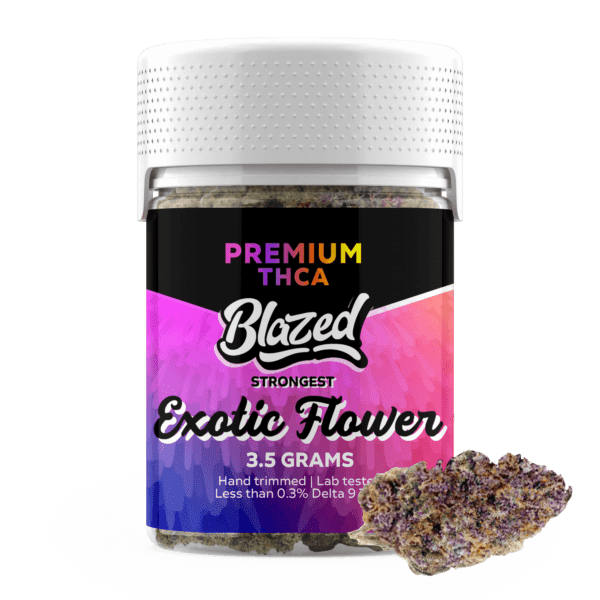
Blazed Exotic THCA Flower
$36.99$79.99 -
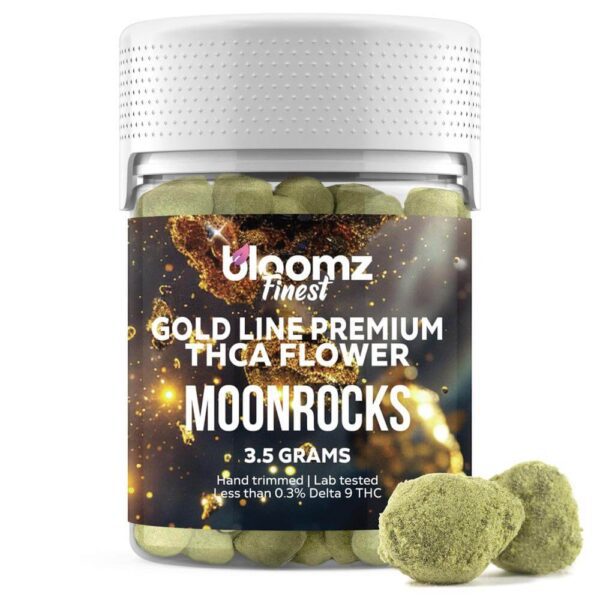
THCA Moonrocks – Gold Line
$57.99$89.99 -
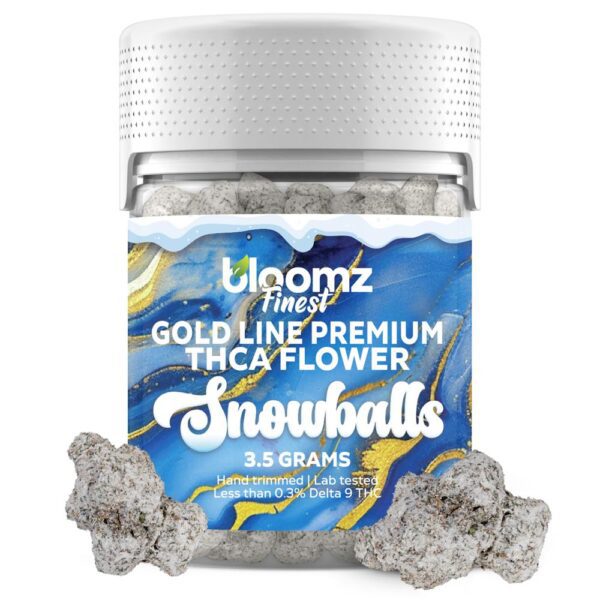
THCA Snowballs – Gold Line
$57.99$89.99 -
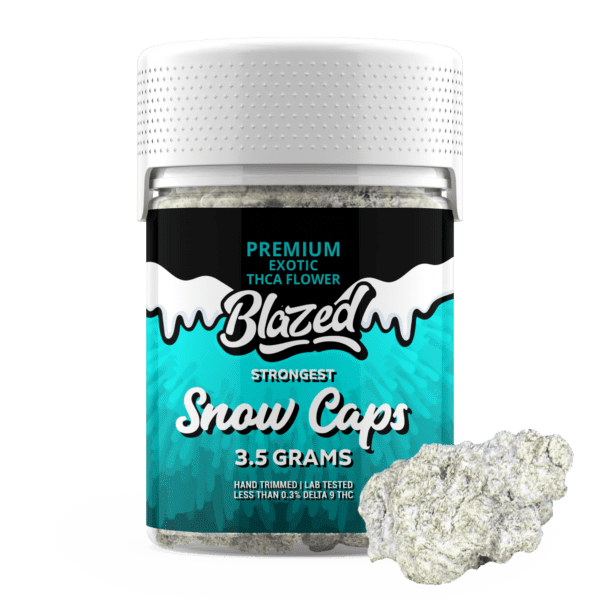
Blazed Strongest Exotic THCA Snow Caps
$58.99$93.99
Music, Gatherings, and the Sensory Layering Effect
Beyond food, there’s a broader phenomenon worth naming: the way hemp consumption increasingly gets layered into multi-sensory social experiences rather than standing alone as the singular focus of an evening. Music listening sessions, casual gatherings built around a favorite album or a live performance, game nights, creative hangouts these are contexts where hemp shows up as one thread in a broader tapestry of shared sensory experience rather than the entire point of the gathering. This layering effect matters because it changes what people actually want from a product. A hemp product meant to accompany a music-focused evening with friends doesn’t need to dominate the experience; it needs to complement it, sitting comfortably alongside conversation, sound, and shared attention rather than overwhelming any of it.
This has pushed thoughtful brands toward more nuanced, lower-key formulations designed for sustained social settings rather than singular, isolated moments. The goal isn’t a single dramatic peak experience; it’s a pleasant, steady companion to an evening that’s fundamentally about the people in the room and what they’re doing together. That’s a meaningfully different design brief than the one that shaped earlier generations of hemp products, and it’s produced a genuinely different category of product as a result one built for duration and companionship rather than isolated intensity.
Hosting Culture and the New Etiquette of Sharing
As hemp has moved into more social contexts, an entire informal etiquette has started to develop around hosting and sharing it, not unlike the unwritten rules that govern wine service or coffee hosting. There’s a growing awareness among hosts that offering a hemp product to guests carries a certain responsibility understanding what you’re offering, being able to describe the flavor and format clearly, creating a comfortable environment where guests with different levels of familiarity feel equally welcome. This mirrors, in many ways, how hosting culture around wine developed over the twentieth century, moving from a purely functional beverage to something wrapped in ritual, presentation, and genuine hospitality.
This emerging etiquette has real implications for how brands think about presentation and packaging. A product designed to be pulled out at a gathering and shared among friends needs to communicate something different than one designed to be consumed alone in private it needs to feel presentable, easy to explain, comfortable to offer to someone trying it for the first time. Brands that have picked up on this shift have started designing with the host in mind as much as the individual consumer, recognizing that a meaningful share of consumption now happens in exactly this kind of social, hospitality-driven context.
Recommended products
-
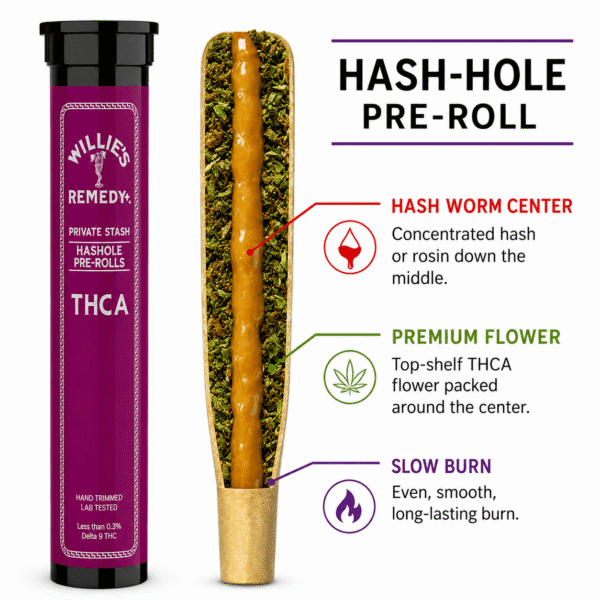
THCA HashHole Pre-Rolls – Willie’s Remedy
$24.99$34.99 -
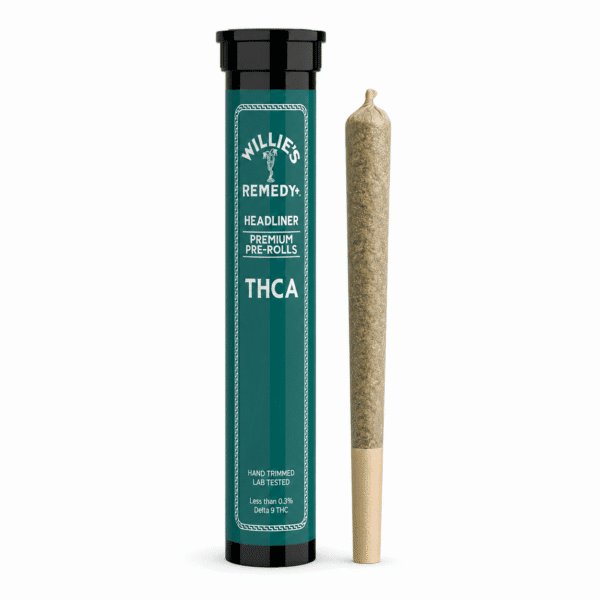
THCA Headliner Pre-Rolls – Willie’s Remedy
$37.99$54.99 -
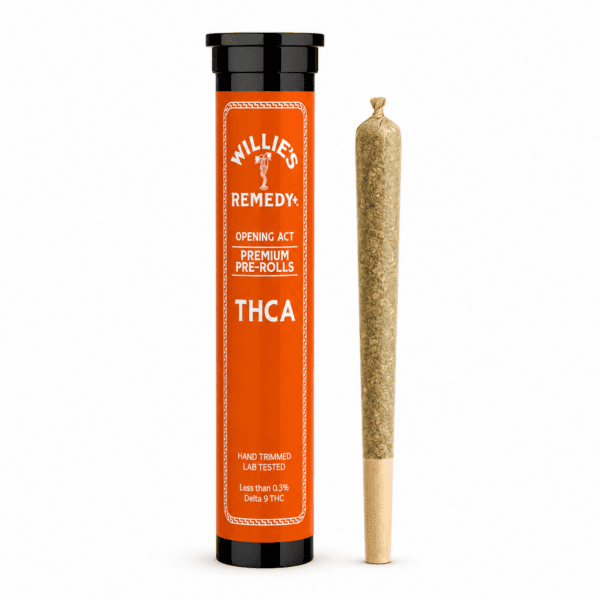
THCA Opening Act Pre-Rolls – Willie’s Remedy
$29.99$43.99 -
Exotic 2 Gram THCA Pre-Rolls – 5 Pack – Gold Line
$67.99$99.99
The Generational Shift Behind the Social Turn
It’s worth pausing on why this shift has happened now, and generational change is a large part of the answer. Younger consumers have come of age in a cultural environment where hemp and cannabis carry dramatically less stigma than they did for previous generations, and that reduced stigma has freed up entirely new social behaviors. Where older generations often developed private, individual consumption habits shaped by decades of legal risk and social judgment, younger consumers are building their relationship with these products in a much more open, socially integrated context from the very beginning closer to how they might think about a craft beer or a specialty coffee than how previous generations thought about cannabis specifically.
This generational openness has had a compounding effect on the broader market, because social consumption tends to be more visible and more discussed than private consumption ever was. A shared moment at a gathering becomes a story, a recommendation, a reason for a friend to ask what that product was and where to find it a completely different discovery mechanism than the more private, word-of-mouth-resistant patterns that shaped the category for decades. Social consumption doesn’t just reflect changing attitudes; it actively accelerates them, creating visibility and normalization in a way that solitary use never could.
What This Means for Product Design
All of this has real, practical implications for how hemp brands need to think about product development going forward. A product designed purely for solitary use can afford to prioritize efficiency and directness above all else. A product designed for social contexts has to think about an entirely different set of variables how it presents when offered to a group, how its flavor holds up alongside food or conversation, how comfortable it feels to share with someone who might be trying it for the first time in front of others. These aren’t small design considerations; they touch packaging, formulation, flavor balance, and even the language used to describe a product on its label.
Brands that have leaned into this shift have started building products explicitly designed for the shared table, the gathering, the hosting occasion treating social context not as an afterthought but as a core design input from the very beginning. This represents a genuine evolution in how the category thinks about its own products, moving from a purely individual, need-based framing toward something closer to how the wine, coffee, or craft beverage industries have long understood their own categories: as experiences meant to be shared, discussed, and enjoyed in the company of others.
Recommended products
-
Exotic THCA Smalls
$169.99$329.99 -
THCA Flower
$27.99$79.99 -
THCA Pre-Rolls – 3-Pack/6-Pack
$30.99$59.99 -
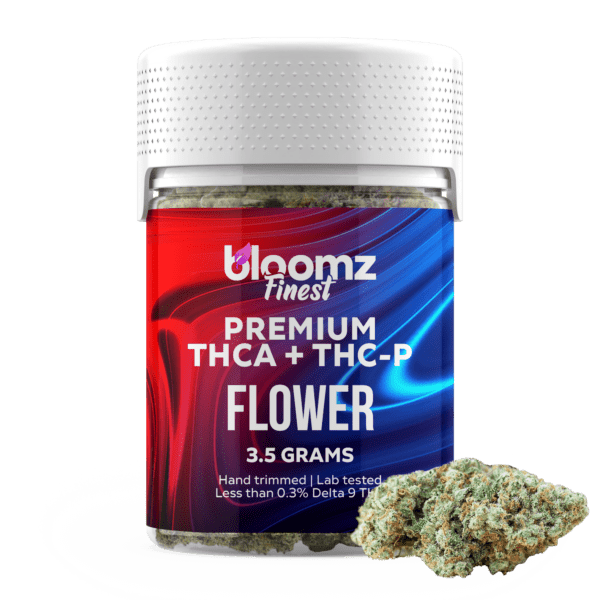
THCA + THC-P Flower
$47.99$89.99
The Broader Cultural Arc
Zoom out far enough, and this shift toward social consumption looks like part of a much larger cultural pattern that’s played out repeatedly across other categories that once carried stigma or were relegated to private use. Coffee moved from a purely functional, individual habit to an elaborate social ritual built around cafes, gatherings, and shared appreciation. Craft beer underwent a similar transformation, moving from mass-produced anonymity to a culture built around tasting, sharing, and communal discovery. Hemp appears to be tracing a similar arc, moving from a stigmatized, private habit toward a genuinely social category with its own emerging rituals, etiquette, and shared cultural language.
This arc matters because it suggests the social turn in hemp consumption isn’t a passing trend but a structural shift in how the category is likely to develop over the coming years. As stigma continues to soften and cultural familiarity continues to grow, it’s reasonable to expect the social dimension of hemp consumption to deepen rather than fade more products designed explicitly for sharing, more sophisticated hosting culture, more integration into the broader landscape of how people gather, eat, and spend time together. The lonely, dim-room image that once defined the category increasingly looks like a relic of an earlier, more restrictive era, replaced by something that looks a great deal more like the shared table it’s slowly become.
To Buy Cannabis Flower Click Here
Recommended products
-
THCA Flower – Exotics – Gold Line
$37.99$89.99 -
THCA Flower – Mystery Reserve
$41.99$79.99 -
THCA Smalls
$139.99$256.99 -
THCA Flower – Platinum Line
$47.99$79.99