In the modern cannabis industry, quality, safety, and transparency are no longer optional—they are expected. As legalization has expanded across different regions and markets, consumers have become more informed, regulators more strict, and brands more accountable for what they sell. Among the many technical terms that appear on lab reports and Certificates of Analysis (COAs), one phrase that often goes unnoticed yet plays a critical role in product testing is “Limit of Detection,” commonly abbreviated as LOD. While it may sound like a highly specialized laboratory concept, understanding the Limit of Detection can give consumers and industry professionals alike a deeper appreciation for how cannabis products are evaluated for purity, potency, and safety.
At its core, the Limit of Detection refers to the lowest concentration of a substance that can be reliably distinguished from the absence of that substance, though not necessarily quantified with exact precision. In simpler terms, it answers the question: what is the smallest amount of a compound that a testing instrument can detect at all? This concept is fundamental in analytical chemistry and applies to a wide range of testing scenarios within cannabis, including cannabinoid profiling, terpene analysis, and the detection of contaminants such as pesticides, heavy metals, residual solvents, and microbial impurities. Without a clearly defined Limit of Detection, laboratory results would lack consistency and meaning, making it difficult to determine whether a product truly meets safety standards.
To Buy Cannabis Flower Click Here
Recommended products
-
Delta 8 THC Flower
$24.99$39.99 -
THC-P Flower
$29.99$43.99 -
Exotic THCA Pre-Rolls Gold Line – 3-Pack/6 Pack
$36.99$69.99

To better understand why LOD matters, it helps to consider the complexity of cannabis as a plant. Cannabis contains hundreds of chemical compounds, many of which are present in extremely small concentrations. Cannabinoids like THC and CBD are typically found in higher amounts and are easier to measure, but other compounds—such as minor cannabinoids or trace contaminants—can exist at levels so low that they challenge even the most advanced laboratory equipment. This is where the Limit of Detection becomes essential. It establishes the baseline sensitivity of a test, ensuring that even tiny amounts of a substance can be identified when present above that threshold.
In cannabis testing laboratories, sophisticated instruments such as gas chromatographs (GC) and liquid chromatographs (HPLC) are commonly used to analyze samples. These machines are designed to separate and identify chemical compounds based on their physical and chemical properties. However, no instrument is infinitely sensitive. Each has its own Limit of Detection, which is influenced by factors such as calibration, environmental conditions, sample preparation, and the inherent capabilities of the technology itself. Laboratories must carefully validate their methods to determine the LOD for each type of test they perform, ensuring that their results are both accurate and reproducible.
One of the most important applications of the Limit of Detection in cannabis testing is in the identification of harmful contaminants. For example, pesticides used during cultivation can remain on the plant material and pose serious health risks if consumed. Regulatory agencies set maximum allowable limits for these substances, often at very low concentrations measured in parts per million (ppm) or even parts per billion (ppb). If a laboratory’s Limit of Detection is too high, it may fail to detect contaminants that are present at levels below that threshold but still above what is considered safe. Conversely, a lower LOD allows for more sensitive testing, increasing the likelihood that even trace amounts of harmful substances will be identified and addressed.
Similarly, the detection of heavy metals such as lead, arsenic, cadmium, and mercury relies heavily on the sensitivity of testing methods. These toxic elements can enter cannabis plants through contaminated soil or water and accumulate over time. Because they can be harmful even at very low concentrations, having a sufficiently low Limit of Detection is crucial for protecting consumer health. Laboratories often use advanced techniques such as inductively coupled plasma mass spectrometry (ICP-MS) to achieve extremely low detection limits for these substances, ensuring that products meet stringent safety requirements.
Residual solvents present another area where the Limit of Detection plays a vital role. During the extraction process used to create cannabis concentrates and oils, solvents like butane, propane, or ethanol may be used to isolate cannabinoids and terpenes. While these solvents are typically removed during processing, trace amounts can remain in the final product. Testing for residual solvents requires highly sensitive methods, as even small quantities can affect product quality and safety. The LOD determines whether these solvents can be detected at levels that comply with regulatory standards, helping to ensure that concentrates are safe for consumption.
Microbial testing also depends on the concept of detection limits. Cannabis products can harbor bacteria, yeast, and mold, which may pose risks to consumers, particularly those with weakened immune systems. Laboratories use various methods to detect microbial contamination, including culture-based techniques and molecular assays. The Limit of Detection in this context determines the smallest number of microbial organisms that can be identified in a sample. A lower LOD increases confidence that a product is free from harmful pathogens, while a higher LOD may leave room for undetected contamination.
It is important to distinguish the Limit of Detection from a related concept known as the Limit of Quantification (LOQ). While LOD refers to the smallest amount of a substance that can be detected, LOQ represents the lowest concentration that can be measured with acceptable accuracy and precision. In other words, a compound may be detected at levels above the LOD but below the LOQ, meaning that while its presence is confirmed, its exact concentration cannot be reliably determined. Both metrics are essential for interpreting laboratory results, and understanding the difference between them can help consumers make more informed decisions about the products they use.
For cannabis consumers, the Limit of Detection may not be something they think about when purchasing a product, but it has a direct impact on the quality and safety of what they consume. When reviewing a COA, it is common to see results listed as “ND,” which stands for “Not Detected.” This designation indicates that the substance in question was not found above the laboratory’s Limit of Detection. However, it does not necessarily mean that the substance is completely absent. Instead, it means that if it is present, it exists at a concentration below the LOD. This nuance is important, as it highlights the limitations of testing and the importance of using highly sensitive methods.
Recommended products
-
Exotic THCA Smalls
$169.99$329.99 -
THCA + THC-P Flower
$47.99$89.99 -
THCA Flower
$27.99$79.99 -
THCA Pre-Rolls – 3-Pack/6-Pack
$30.99$59.99

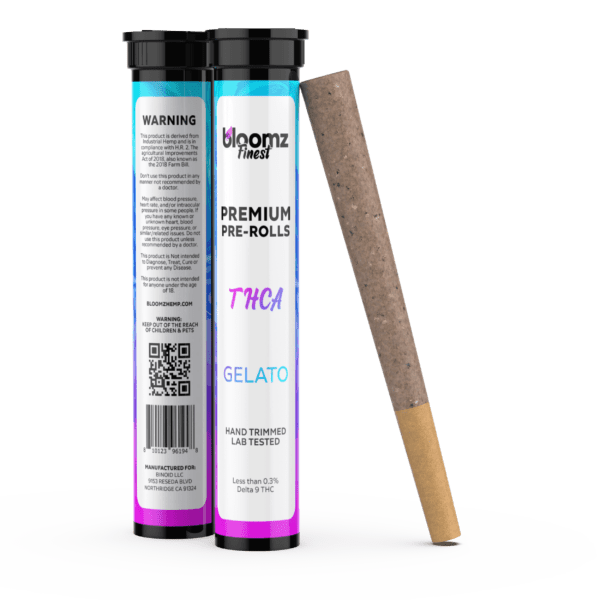
For cannabis brands and manufacturers, understanding and selecting laboratories with appropriate detection limits is a critical part of quality assurance. Working with labs that have lower Limits of Detection can provide a competitive advantage by demonstrating a commitment to safety and transparency. It also reduces the risk of regulatory issues, product recalls, or damage to brand reputation caused by undetected contaminants. As the industry continues to evolve, standards for testing sensitivity are likely to become even more stringent, making LOD an increasingly important consideration.
Regulatory agencies play a significant role in defining acceptable detection limits for various substances in cannabis products. These limits can vary depending on the jurisdiction, reflecting differences in public health priorities, scientific data, and technological capabilities. In some regions, regulations specify both the maximum allowable concentration of a substance and the required Limit of Detection for testing methods. This ensures that laboratories are capable of identifying contaminants at levels that align with safety standards. As research advances and new risks are identified, these regulations may be updated, further emphasizing the need for accurate and sensitive testing.
The concept of Limit of Detection also intersects with broader discussions about standardization and consistency within the cannabis industry. Because different laboratories may use different methods and equipment, their detection limits can vary, leading to discrepancies in test results. This lack of uniformity can create confusion for consumers and challenges for businesses operating across multiple markets. Efforts are underway to establish standardized testing protocols and accreditation requirements, which would help ensure that LOD values are consistent and reliable regardless of where a product is tested.
Advancements in analytical technology continue to push the boundaries of what can be detected in cannabis samples. As instruments become more sensitive and methods more refined, Limits of Detection are decreasing, allowing for the identification of compounds at previously undetectable levels. This progress has significant implications for both safety and research. On one hand, it enables more thorough screening for contaminants, enhancing consumer protection. On the other hand, it allows scientists to explore the full chemical complexity of cannabis, including the role of minor cannabinoids and trace compounds in shaping the plant’s effects and therapeutic potential.
Despite these advancements, it is important to recognize that no testing method is perfect. Every analytical technique has inherent limitations, and the Limit of Detection represents one of the key constraints. Factors such as sample variability, matrix effects, and human error can all influence test results, highlighting the importance of rigorous quality control and method validation. Laboratories must continuously monitor their performance, calibrate their instruments, and adhere to best practices to ensure that their reported LOD values remain accurate and meaningful.
From a consumer education perspective, explaining the Limit of Detection in clear and accessible terms can help demystify the science behind cannabis testing. While it may seem like a technical detail, it is actually a cornerstone of product safety and reliability. By understanding what LOD means and how it affects test results, consumers can better interpret COAs, ask informed questions, and make more confident purchasing decisions. This level of awareness contributes to a more transparent and trustworthy marketplace, where quality is not just claimed but verified through rigorous testing.
In conclusion, the Limit of Detection is a foundational concept in cannabis testing that plays a crucial role in ensuring product safety, quality, and transparency. It defines the sensitivity of analytical methods, determining the smallest amount of a substance that can be detected in a sample. Whether identifying cannabinoids, terpenes, or harmful contaminants, the LOD sets the baseline for what can be observed and reported. As the cannabis industry continues to grow and mature, the importance of accurate and sensitive testing will only increase, making the Limit of Detection a key term for anyone looking to understand the science behind cannabis products. By shedding light on this often-overlooked concept, we can better appreciate the complexity of cannabis testing and the efforts that go into delivering safe, high-quality products to consumers.
To Buy Cannabis Flower Click Here
Recommended products
-
THCA Smalls
$139.99$256.99 -
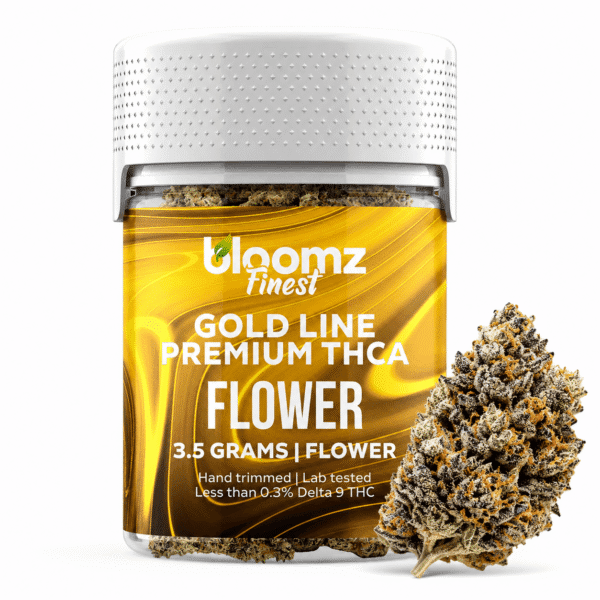
THCA Flower – Exotics – Gold Line
$37.99$89.99 -
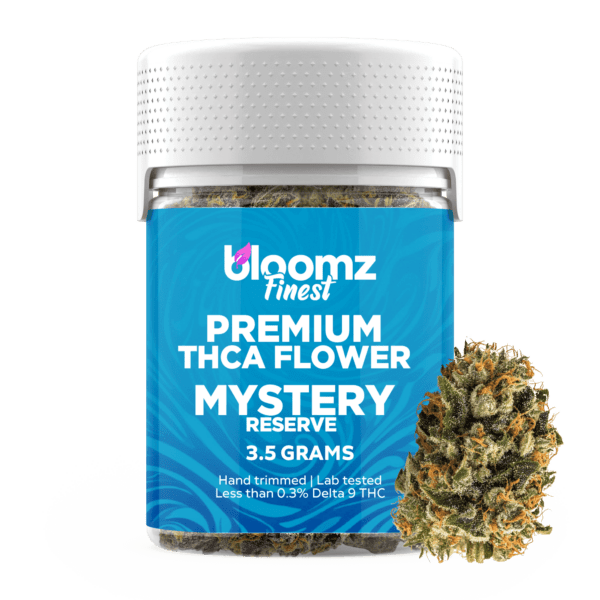
THCA Flower – Mystery Reserve
$41.99$79.99 -
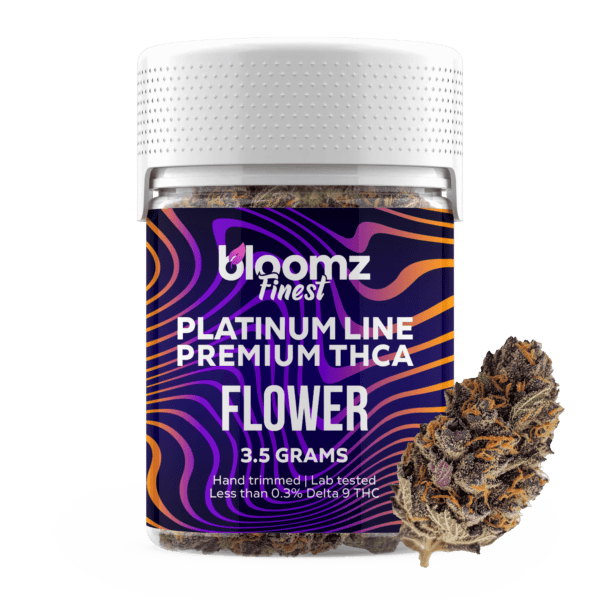
THCA Flower – Platinum Line
$47.99$79.99