As the cannabis industry matures, product safety has become one of the most critical concerns for regulators, cultivators, manufacturers, and consumers alike. Among the most serious contamination risks in cannabis are heavy metals. These elements, which can accumulate in plant tissue during cultivation and processing, pose potential health risks when inhaled or ingested. Because cannabis is consumed through inhalation, ingestion, or sublingual absorption, even trace levels of certain metals can become a regulatory and public health concern.
Understanding heavy metals in cannabis requires examining plant biology, soil chemistry, extraction science, laboratory testing protocols, and regulatory standards. In this article, we will explore what heavy metals are, how they enter cannabis plants, which metals are most concerning, how testing works, and what consumers and operators should know about risk mitigation.
To Buy Cannabis Flower Click Here
Recommended products
-
Delta 8 THC Flower
$24.99$39.99 -
THC-P Flower
$29.99$43.99 -
Exotic THCA Pre-Rolls Gold Line – 3-Pack/6 Pack
$36.99$69.99

What Are Heavy Metals?
“Heavy metals” is a general term used to describe metallic elements with relatively high atomic weight and density that can be toxic at low concentrations. Not all heavy metals are harmful in every context. Some, such as iron and zinc, are essential nutrients in small amounts. However, others — particularly lead, arsenic, cadmium, and mercury — are toxic even at low exposure levels.
In cannabis testing and regulation, the most commonly screened heavy metals include:
Lead (Pb)
Arsenic (As)
Cadmium (Cd)
Mercury (Hg)
These metals are considered priority contaminants due to their toxicity and potential to bioaccumulate in the human body.
Why Cannabis Is Susceptible to Heavy Metal Contamination
Cannabis is known to be a bioaccumulator. A bioaccumulator is a plant that readily absorbs and stores compounds from its environment, including heavy metals. This characteristic makes cannabis particularly vulnerable to contamination if grown in compromised soil or irrigated with contaminated water.
The cannabis root system is highly efficient at absorbing nutrients and minerals. Unfortunately, this absorption mechanism does not always distinguish between beneficial minerals and harmful metals. If heavy metals are present in the growing medium, they can be taken up and transported throughout the plant, including into flowers that are ultimately consumed.
This bioaccumulation property is one reason cannabis has been studied for phytoremediation — the process of using plants to clean contaminated soils. However, cannabis used for remediation should never enter the consumer market.
Sources of Heavy Metals in Cannabis
Heavy metal contamination can originate from several sources.
Contaminated Soil
Soil is the most common source of heavy metals in cannabis. Contamination may occur due to:
Industrial pollution
Mining operations
Historical pesticide use
Urban runoff
Proximity to highways
Legacy agricultural chemicals
Even land that appears pristine may contain residual heavy metals from decades-old agricultural practices.
Irrigation Water
Water used for irrigation can contain dissolved heavy metals, particularly if sourced from wells, rivers, or municipal systems with aging infrastructure. Lead pipes or industrial runoff may introduce contamination.
Fertilizers and Soil Amendments
Some fertilizers, composts, and organic amendments can contain trace heavy metals. Phosphate fertilizers in particular may carry cadmium impurities depending on their geological origin.
Atmospheric Deposition
In outdoor grows, airborne contaminants from nearby industrial sites or traffic emissions can settle onto plants.
Equipment and Processing Materials
In rare cases, contamination may occur during processing if equipment contains degraded metal components or is improperly maintained.
Recommended products
-
THCA Snowballs – Gold Line
$57.99$89.99 -
THCA Moonrocks – Gold Line
$57.99$89.99 -
Blazed Exotic THCA Flower
$36.99$79.99 -
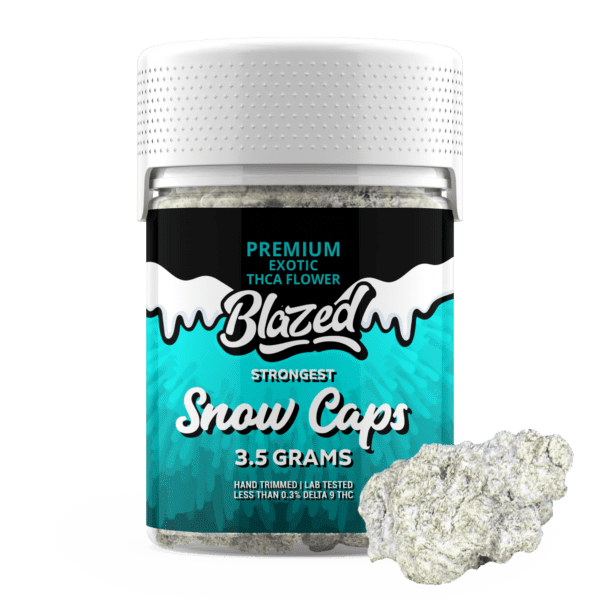
Blazed Strongest Exotic THCA Snow Caps
$58.99$93.99
The Four Primary Heavy Metals of Concern
Although dozens of metals can potentially contaminate plant material, regulatory agencies focus primarily on four due to toxicity and prevalence.
Lead (Pb)
Lead is a neurotoxin that can affect nearly every organ system in the human body. It is particularly harmful to children and pregnant individuals. Exposure may cause cognitive impairment, cardiovascular issues, and kidney damage.
In cannabis, lead contamination may stem from:
Contaminated soil
Old irrigation systems
Atmospheric pollution
Lead-based paints or building materials
Because cannabis is often inhaled, lead particles present in flower or concentrate may enter the bloodstream rapidly.
Arsenic (As)
Arsenic occurs naturally in some soils and groundwater. Chronic exposure is associated with skin lesions, cardiovascular disease, and increased cancer risk.
Arsenic contamination is more common in regions with certain geological formations or contaminated groundwater supplies.
Cadmium (Cd)
Cadmium can accumulate in agricultural soils due to fertilizer use. It primarily affects kidneys and bone health. Long-term exposure can lead to organ damage.
Cannabis readily absorbs cadmium from soil, making it a key contaminant screened in testing programs.
Mercury (Hg)
Mercury is less common in soil-based contamination but may occur in certain industrial regions. It affects neurological function and can bioaccumulate in tissues.
Because mercury is volatile under heat, inhalation exposure may pose unique risks.
Bioaccumulation and Plant Physiology
Cannabis absorbs heavy metals through root uptake. Metals dissolved in soil solution enter root cells through transport proteins designed for nutrient absorption.
Once inside the plant, metals may:
Bind to cell walls
Accumulate in vacuoles
Translocate to stems and leaves
Reach flowers in smaller but measurable amounts
The degree of accumulation depends on soil pH, organic matter content, metal solubility, and plant genetics.
Lower soil pH (more acidic conditions) increases metal solubility, making uptake more likely. Soil remediation and pH management are critical preventive measures.
Heavy Metals in Concentrates and Extracts
A major concern in cannabis manufacturing is that heavy metals can concentrate during extraction.
When cannabinoids are extracted into oils or concentrates, contaminants present in the raw material may also concentrate. This is particularly relevant for:
If contaminated flower is used, metal levels may become more concentrated in final products. This is why raw material testing is essential prior to processing.
Additionally, vape hardware itself must be tested for heavy metal leaching. Heating elements and metal components can release trace metals into vapor if poorly manufactured.
Laboratory Testing for Heavy Metals
Most regulated cannabis markets require heavy metal testing before products can be sold.
Testing Methodology
The gold standard method for heavy metal testing is Inductively Coupled Plasma Mass Spectrometry (ICP-MS). This highly sensitive analytical technique can detect metals at parts-per-billion levels.
The testing process typically involves:
Acid digestion of the cannabis sample to break down organic material.
Introduction of the solution into plasma.
Ionization of metal atoms.
Measurement of atomic mass and concentration.
ICP-MS allows laboratories to accurately quantify lead, arsenic, cadmium, mercury, and sometimes additional metals.
Recommended products
-
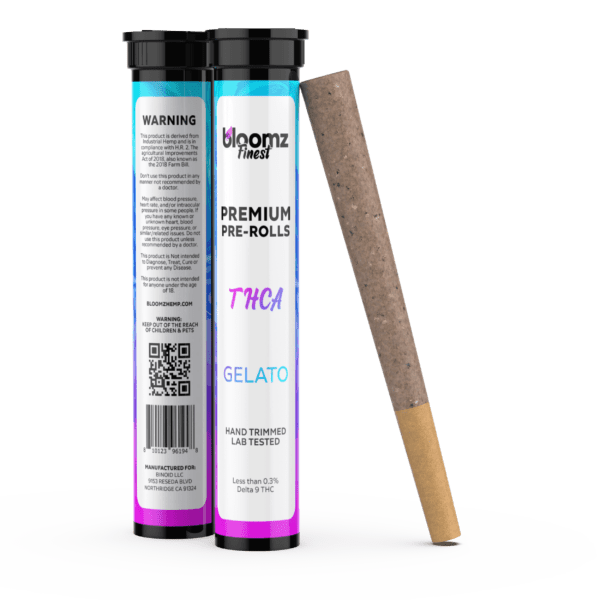
Exotic THCA Pre-Rolls Gold Line – 3-Pack/6 Pack
$36.99$69.99 -
THCA Pre-Rolls – 3-Pack/6-Pack
$30.99$59.99
Regulatory Limits
Each state or country sets action limits for heavy metals. These limits are based on toxicology data and expected consumption patterns.
Regulations often differentiate between:
Inhalable products
Ingestible products
Topicals
Inhalable products typically have stricter limits because inhalation leads to rapid systemic absorption.
Failure to meet heavy metal limits results in product batch rejection and destruction in regulated markets.
Risk Mitigation Strategies for Cultivators
To prevent contamination, cultivators implement multiple safeguards:
Soil Testing
Before planting, soil should be tested for heavy metals. If contamination is detected, remediation or alternative growing media should be used.
Use of Clean Growing Media
Many indoor growers use coco coir, peat blends, or hydroponic systems to reduce soil contamination risk.
Water Testing
Regular water testing ensures irrigation sources are free of heavy metals.
Supplier Verification
Fertilizer and amendment suppliers should provide Certificates of Analysis confirming low contaminant levels.
Equipment Maintenance
Processing and trimming equipment must be food-grade and corrosion-resistant.
Consumer Safety and Transparency
Consumers can protect themselves by:
Reviewing Certificates of Analysis (COAs)
Purchasing from licensed dispensaries
Avoiding unregulated or illicit products
Being cautious of unusually low-priced products
Licensed markets require lab testing and track products through seed-to-sale systems, improving transparency.
Health Implications of Exposure
Chronic heavy metal exposure may result in:
Neurological impairment
Kidney damage
Cardiovascular disease
Developmental issues
Increased cancer risk
Because heavy metals accumulate in the body over time, repeated exposure even at low levels can become significant.
Environmental and Ethical Considerations
Heavy metal contamination highlights broader environmental issues:
Industrial pollution
Agricultural chemical runoff
Infrastructure decay
Legacy contamination
Responsible cannabis cultivation includes environmental stewardship, proper soil sourcing, and adherence to safety standards.
The Role of Third-Party Testing
Independent, accredited laboratories provide objective verification of safety. Third-party testing reduces conflicts of interest and builds consumer trust.
Testing panels typically include:
Cannabinoid potency
Terpene profile
Pesticides
Microbial contamination
Residual solvents
Heavy metals
Heavy metal screening is a core safety requirement in regulated cannabis programs.
Recommended products
-
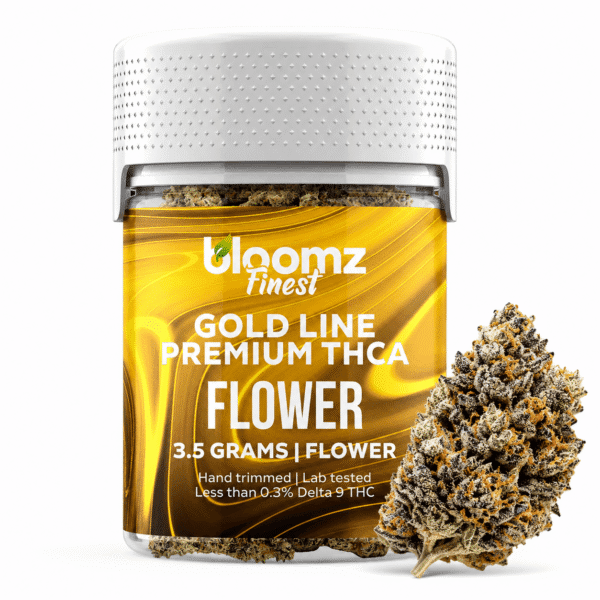
THCA Flower – Exotics – Gold Line
$37.99$89.99 -
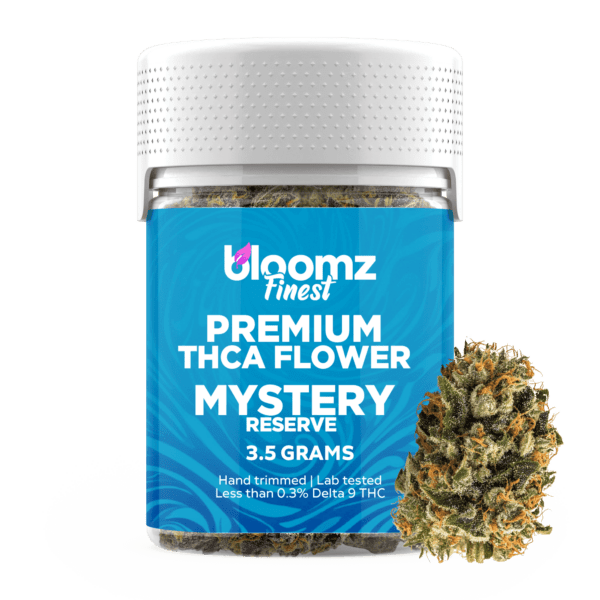
THCA Flower – Mystery Reserve
$41.99$79.99 -
THCA Flower – Platinum Line
$47.99$79.99 -
THCA Smalls
$139.99$256.99
Future Developments in Heavy Metal Prevention
Advances in cultivation technology aim to further reduce contamination risk:
Precision hydroponic systems
Controlled-environment agriculture
Improved soil remediation techniques
Enhanced supply chain auditing
More sensitive analytical testing
As regulatory standards evolve, testing thresholds may become even stricter.
Common Misconceptions
Organic cannabis cannot contain heavy metals.
Even organic soil may contain natural metal deposits.Visual inspection reveals contamination.
Heavy metals are invisible and require lab analysis.Concentrates are always safer.
Contaminants may concentrate during extraction.All outdoor cannabis is contaminated.
Proper soil testing and site selection mitigate risks.
Conclusion
Heavy metals in cannabis refer to toxic metallic elements — primarily lead, arsenic, cadmium, and mercury — that may accumulate in plants due to contaminated soil, water, fertilizers, or environmental exposure. Because cannabis is a bioaccumulator, it can absorb and store these metals in its tissues, including the flowers consumed by users.
Testing, regulation, and responsible cultivation practices are essential to preventing contaminated products from reaching consumers. Through laboratory analysis using methods like ICP-MS, regulated markets enforce strict action limits to ensure safety.
As the cannabis industry continues to mature, heavy metal screening remains one of the most important pillars of product safety. Consumers who purchase from licensed, lab-tested sources can significantly reduce their risk of exposure.
Understanding heavy metals in cannabis is not just about chemistry — it is about public health, environmental responsibility, and maintaining trust in a rapidly evolving industry.
To Buy Cannabis Flower Click Here
Recommended products
-
Exotic THCA Smalls
$169.99$329.99 -
THCA + THC-P Flower
$47.99$89.99 -
THCA Flower
$27.99$79.99 -
THCA Pre-Rolls – 3-Pack/6-Pack
$30.99$59.99