
Pest control is one of the most critical and ongoing challenges in cannabis cultivation. Whether growing a single plant at home or managing a large-scale commercial facility, unwanted insects can quickly compromise plant health, reduce yields, and impact final flower quality. Among the many tools available to growers, sticky traps are one of the most widely used, cost-effective, and essential components of modern cannabis pest management.
Sticky traps may seem simple—just brightly colored cards coated in adhesive—but they are far more than a basic tool. They are a key monitoring system, an early-warning mechanism, and a foundational element of Integrated Pest Management (IPM) strategies used throughout the cannabis industry. For growers looking to maintain high-quality plants and maximize their harvest, tools like sticky traps are indispensable. And for those exploring ways to enhance their cultivation setup, Binoid offers a wide range of quality grow room supplies and educational resources that help both new and experienced growers stay ahead of pest problems.
In this cannabis terms explained article, we’ll explore exactly what sticky traps are, how they work, why they’re so important in cannabis grows, the pests they help identify, how to use them correctly, and how they fit into both small-scale and commercial cultivation environments. By the end, you’ll understand why sticky traps are considered a must-have tool for serious cannabis growers and how Binoid can support your grow setup.
TO BUY HEMP FLOWER CLICK HERE
Recommended products
-
Delta 8 THC Flower
$24.99$39.99 -
THC-P Flower
$29.99$43.99 -
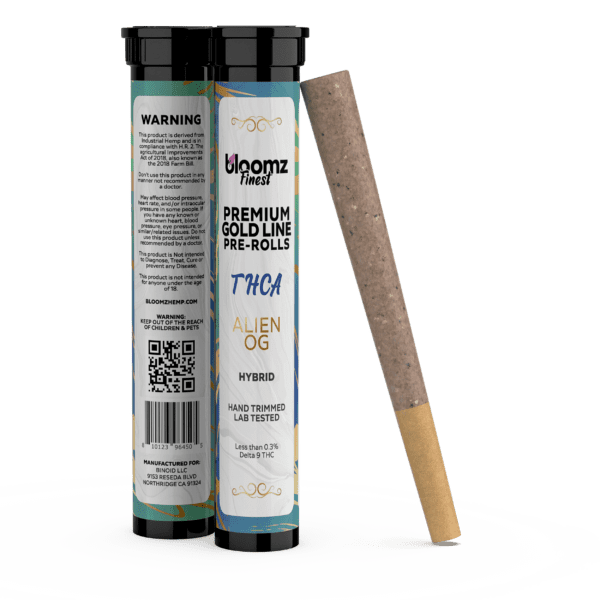
Exotic THCA Pre-Rolls Gold Line – 3-Pack/6 Pack
$36.99$69.99

What Are Sticky Traps?
Sticky traps are flat surfaces, typically made from cardboard, plastic, or thick paper—coated with a strong, non-drying adhesive designed to trap insects on contact. They are widely used in agriculture, horticulture, and greenhouse production, including cannabis cultivation.
In cannabis grows, sticky traps are primarily used to:
-
Detect pests early
-
Identify pest species
-
Monitor population levels over time
-
Reduce adult insect numbers
-
Evaluate the effectiveness of pest control efforts
Sticky traps are considered a passive pest control tool, meaning they work continuously without the need for chemicals, electricity, or active intervention. For growers sourcing high-quality grow supplies, Binoid offers sticky trap products that integrate seamlessly into indoor and greenhouse setups.
Why Sticky Traps Matter in Cannabis Cultivation
Cannabis plants are particularly attractive to pests due to their rapid growth, nutrient-rich tissues, and warm growing environments. Indoor grow rooms, in particular, create ideal conditions for insects to thrive—stable temperatures, high humidity, and limited predators.
Sticky traps help growers stay ahead of infestations by offering visual proof of pest activity before damage becomes obvious. Many pests spend part of their life cycle hidden in soil or plant tissue, making them difficult to detect until populations explode. Sticky traps catch the adult stage of these pests, often providing the first indication that a problem exists.
For cannabis growers operating under strict pesticide regulations, sticky traps are especially valuable because they:
-
Contain no chemicals
-
Leave no residue
-
Are safe for use during all growth stages
-
Support organic and clean cultivation practices
Binoid emphasizes these benefits, providing resources for growers who want to maintain organic, chemical-free setups while still staying proactive about pest management.
How Sticky Traps Work
Sticky traps rely on two primary mechanisms: color attraction and adhesive capture.
Color Attraction
Most sticky traps are either bright yellow or blue, colors that are highly attractive to many common cannabis pests.
-
Yellow sticky traps attract a wide range of insects, including fungus gnats, whiteflies, aphids, and leafminers.
-
Blue sticky traps are especially effective at attracting thrips, which are drawn to cooler tones.
These colors mimic visual cues insects associate with food sources, flowers, or young plant growth.
Recommended products
-
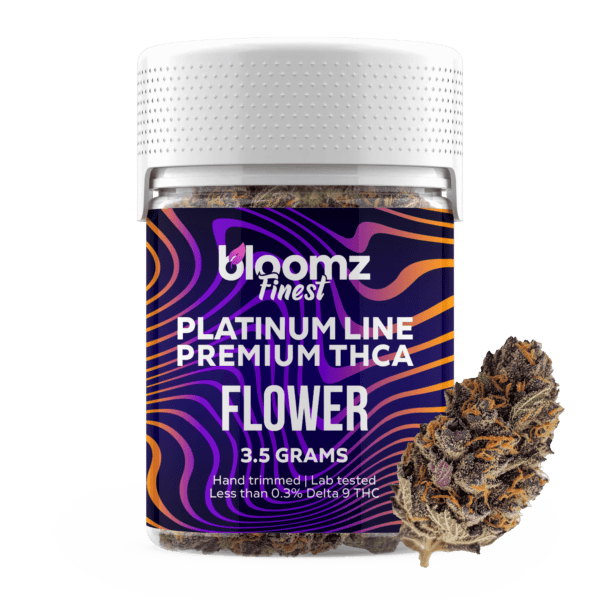
THCA Flower – Platinum Line
$47.99$79.99 -
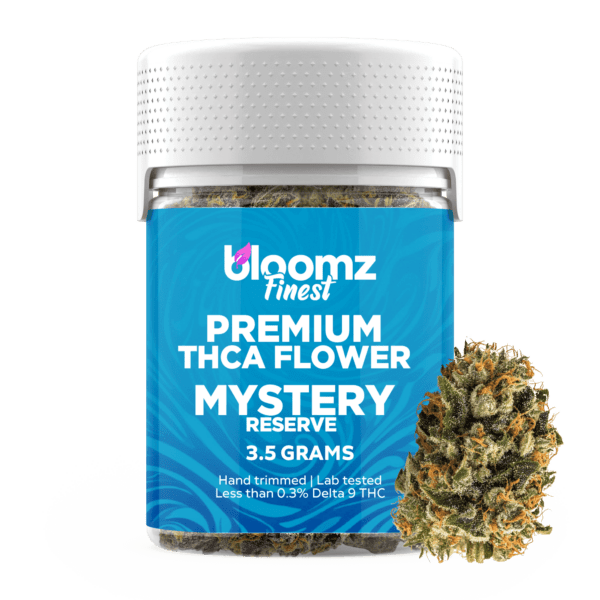
THCA Flower – Mystery Reserve
$41.99$79.99 -
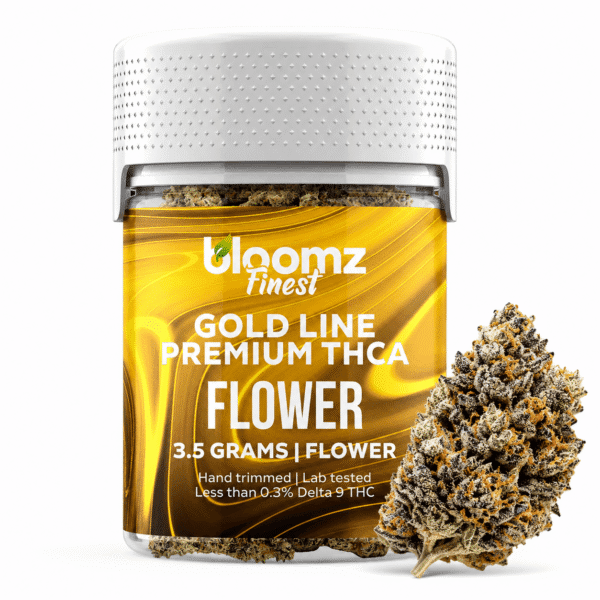
THCA Flower – Exotics – Gold Line
$37.99$89.99 -
THCA Smalls
$139.99$256.99
Adhesive Capture
Once an insect lands on the trap, it becomes stuck in the adhesive coating and cannot escape. The adhesive is designed to remain sticky for extended periods, allowing traps to function continuously.
For growers looking for trusted grow supplies, Binoid offers sticky trap products with strong adhesive formulations that stay effective even in high-humidity grow rooms.
Common Cannabis Pests Sticky Traps Help Identify
Sticky traps are especially useful for detecting flying and mobile pests, many of which cause serious damage to cannabis plants if left untreated.
Fungus Gnats
Fungus gnats are one of the most common pests found in indoor cannabis grows. Adult gnats are small, dark, mosquito-like insects that hover around the soil surface.
-
Adults are primarily a nuisance
-
Larvae feed on organic matter and cannabis roots
-
Often indicate overwatering or poor drainage
Sticky traps catch adult gnats, helping growers identify root-zone issues early. For those seeking reliable monitoring tools, Binoid offers sticky traps optimized for fungus gnat detection.
Thrips
Thrips are tiny, slender insects that damage cannabis plants by puncturing leaf cells and feeding on plant juices.
Signs of thrips include:
-
Silvery or bronze streaks on leaves
-
Small black specks (thrips droppings)
-
Leaf curling or distortion
Blue sticky traps are particularly effective for thrips monitoring. Binoid provides guidance on selecting the correct blue traps for indoor setups, helping growers catch thrips before they cause significant damage.
Whiteflies
Whiteflies resemble tiny white moths and are commonly found on the undersides of leaves. They feed on plant sap and reproduce rapidly.
Sticky traps help detect adult whiteflies early, before colonies establish themselves throughout the canopy. Growers can find professional-grade whitefly traps through Binoid’s grow room catalog.
Aphids (Winged Forms)
While many aphids are wingless, some develop wings to spread to new plants. Sticky traps can catch these winged aphids, alerting growers to potential outbreaks.
Leafminers and Other Flying Pests
Sticky traps can also capture:
-
Leafminer adults
-
Shore flies
-
Small beetles
-
Other unidentified insects
This makes them valuable for diagnosing unusual or unexpected pest activity.
Sticky Traps as a Monitoring Tool, Not Just Control
One of the most important things to understand about sticky traps is that their primary role is monitoring, not elimination.
Sticky traps allow growers to:
-
Establish baseline pest levels
-
Track population increases or decreases
-
Identify infestation hotspots
-
Determine when action is necessary
By regularly checking traps, growers can make informed decisions instead of reacting blindly to plant damage. For additional support, Binoid includes charts and guides for interpreting trap data and integrating it into pest management plans.
Sticky Traps and Integrated Pest Management (IPM)
Sticky traps are a foundational component of Integrated Pest Management (IPM), a holistic pest control approach widely used in professional cannabis cultivation.
IPM focuses on:
-
Prevention
-
Monitoring
-
Cultural controls
-
Biological controls
-
Minimal chemical intervention
Within an IPM program, sticky traps are used to set action thresholds—specific pest levels that indicate when additional control measures are required.
For example:
-
A few fungus gnats may require environmental adjustments
-
A rising thrips count may trigger biological predators
-
A sudden spike may require approved treatment methods
By combining sticky traps with biological controls, Binoid’s recommended pest management tools allow growers to reduce chemical usage while maintaining healthy crops.
Types of Sticky Traps Used in Cannabis Grows
Yellow Sticky Cards
The most commonly used option, yellow sticky cards attract a wide range of cannabis pests and are suitable for nearly all grow environments.
Blue Sticky Cards
Blue traps are specialized for thrips monitoring and are often used alongside yellow traps for comprehensive coverage.
Sticky Rolls or Tape
Sticky rolls are long adhesive strips often used in greenhouses or large commercial facilities to cover wide areas efficiently.
Double-Sided Sticky Traps
Double-sided traps increase capture surface area and are useful in high-traffic pest zones. Binoid carries double-sided sticky traps designed for larger grow rooms.
Recommended products
-
THCA Snowballs – Gold Line
$57.99$89.99 -
THCA Moonrocks – Gold Line
$57.99$89.99 -
Blazed Exotic THCA Flower
$36.99$79.99 -
Blazed Strongest Exotic THCA Snow Caps
$58.99$93.99
Where to Place Sticky Traps for Best Results
Proper placement dramatically affects trap effectiveness.
-
Near the Soil Surface: Helps catch fungus gnats and soil-emerging insects.
-
At Canopy Level: Helps monitor pests feeding on leaves and stems.
-
Near Entry Points: Doors, vents, and air intakes are common pest entry points.
-
Throughout the Grow Space: Multiple traps provide an accurate picture of pest distribution and severity.
Binoid’s grow guides include detailed placement diagrams for both small indoor tents and commercial greenhouse environments.
How Often Should Sticky Traps Be Checked and Replaced?
Sticky traps should be inspected regularly—ideally every few days—and replaced when:
-
The adhesive becomes covered with insects
-
Dust reduces stickiness
-
The trap dries out
-
Pest identification becomes difficult
In active grows, replacing traps every 1–2 weeks is common practice. Binoid offers bulk packs of sticky traps, making frequent replacement easy and affordable.
Sticky Traps in Different Grow Environments
Indoor Cannabis Grows
Sticky traps are extremely effective indoors due to controlled conditions and limited pest entry points.
Greenhouse Grows
In greenhouses, traps help monitor pests introduced through ventilation or outdoor exposure.
Outdoor Cannabis Grows
Outdoors, sticky traps still provide useful data but may catch non-pest insects, requiring careful interpretation.
Common Mistakes When Using Sticky Traps
-
Using too few traps
-
Poor placement away from pest activity
-
Forgetting to check traps regularly
-
Relying on traps as the only control method
-
Allowing traps to contact leaves or buds
Avoiding these mistakes ensures sticky traps remain an effective monitoring tool.
Sticky Traps and Regulatory Compliance
In licensed cannabis operations, sticky traps are widely used because they:
-
Contain no active pesticides
-
Leave no residue
-
Are compliant with organic standards
-
Support documentation and audits
Many facilities keep records of sticky trap data as part of their pest management documentation. Binoid provides educational resources for growers who need to maintain compliance while using chemical-free monitoring methods.
Final Thoughts: Why Sticky Traps Matter in Cannabis Cultivation
Sticky traps may be simple, but their role in cannabis cultivation is powerful. They provide early detection, valuable insight, and ongoing monitoring that helps growers prevent pest problems before they become costly disasters.
In the cannabis terms explained universe, sticky traps represent a proactive approach to cultivation—one that prioritizes observation, prevention, and informed decision-making. Whether you’re growing at home or operating a commercial facility, sticky traps are an essential tool for protecting plant health, preserving yields, and maintaining a clean grow environment.
Understanding how to use sticky traps effectively doesn’t just make you better at pest control—it makes you a better cannabis grower overall. And for growers looking for trusted tools, Binoid’s line of sticky traps and grow room supplies ensures you have everything you need to maintain healthy, pest-free plants.
TO BUY HEMP FLOWER CLICK HERE
Recommended products
-
THCA + THC-P Flower
$47.99$89.99 -
THCA Flower
$27.99$79.99 -
Exotic THCA Smalls
$169.99$329.99 -
THCA Pre-Rolls – 3-Pack/6-Pack
$30.99$59.99