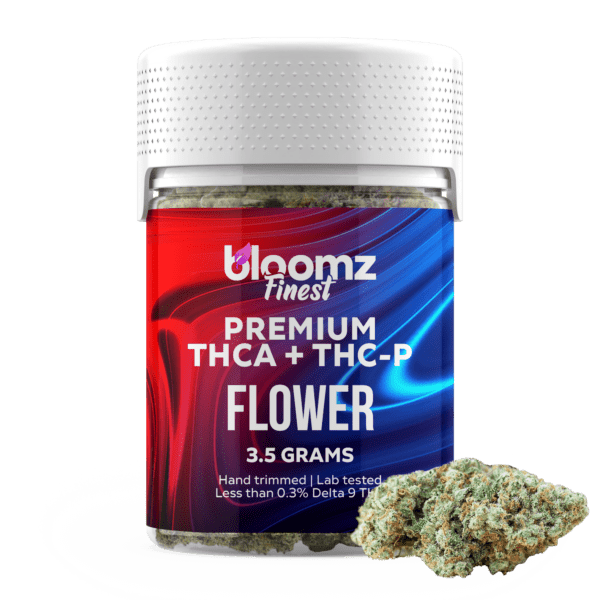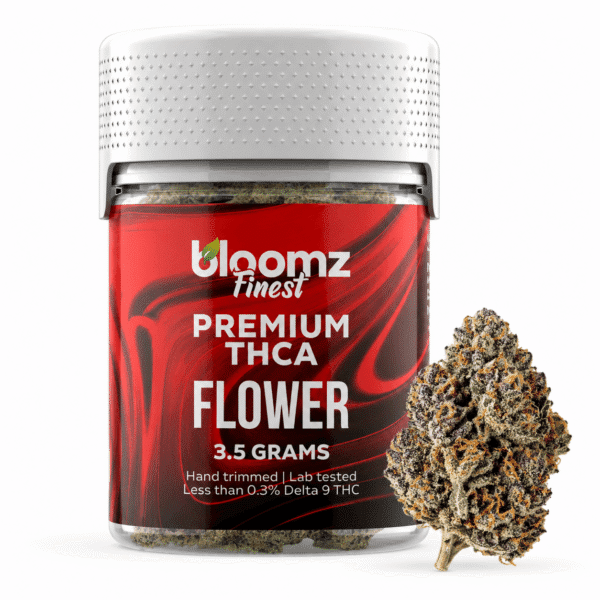

Cannabis consumers often notice that the effects of cannabis can change over time. What once produced strong euphoria, relaxation, or relief may gradually feel weaker or shorter in duration. This change in sensitivity is typically the result of tolerance, a natural biological process that occurs when the body adapts to repeated exposure to a substance. To counteract this effect, many cannabis users practice what is known as a tolerance break, commonly referred to as a “T-break.”
A tolerance break is a planned period of abstinence from cannabis intended to allow the body’s endocannabinoid system to reset. By temporarily stopping cannabis consumption, users can restore sensitivity to cannabinoids like THC, often leading to stronger effects once consumption resumes. Tolerance breaks are widely used by both recreational consumers and medical cannabis patients seeking to maintain the effectiveness of their cannabis products.
Understanding how tolerance breaks work requires examining the body’s interaction with cannabinoids, the biological mechanisms of tolerance, and the practical strategies used to reset cannabinoid sensitivity.
To Buy Cannabis Flower Click Here
Recommended products
-
Delta 8 THC Flower
$24.99$39.99 -
THC-P Flower
$29.99$43.99 -
Exotic THCA Pre-Rolls Gold Line – 3-Pack/6 Pack
$36.99$69.99
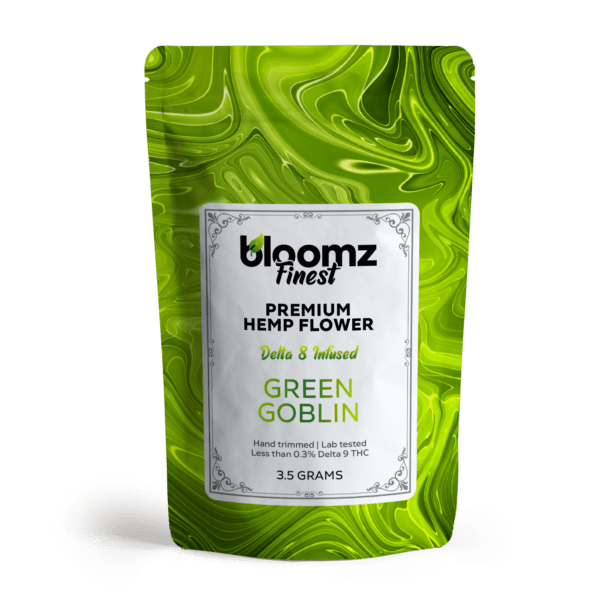

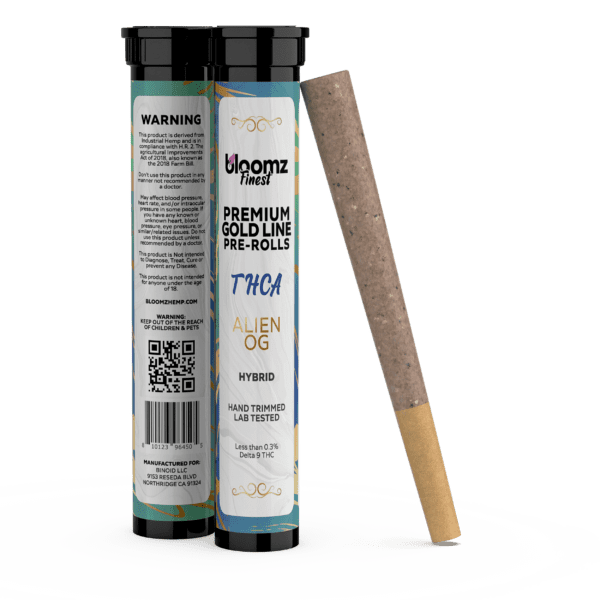
Defining a Tolerance Break
A tolerance break is a voluntary pause in cannabis consumption designed to reduce or reverse tolerance to cannabinoids. During this break, the body begins to restore the responsiveness of cannabinoid receptors, particularly the CB1 receptors in the brain that are responsible for the psychoactive effects of THC.
Tolerance breaks can vary widely in length depending on the individual’s goals and level of cannabis use. Some users take short breaks lasting a few days, while others may abstain for several weeks to achieve a more complete reset of their cannabinoid sensitivity.
The purpose of a tolerance break is not necessarily to quit cannabis permanently but rather to restore balance to the body’s cannabinoid signaling system. When cannabis use resumes after a break, smaller doses may once again produce noticeable effects, making consumption more efficient and manageable.
The Endocannabinoid System and Tolerance
To understand tolerance breaks, it is important to understand the endocannabinoid system (ECS). The ECS is a complex network of receptors, enzymes, and naturally produced cannabinoids that regulate many essential functions in the body.
These functions include:
-
Mood regulation
-
Appetite
-
Pain perception
-
Sleep cycles
-
Memory and learning
-
Stress response
The ECS works primarily through two types of receptors: CB1 receptors, which are concentrated in the brain and central nervous system, and CB2 receptors, which are more common in the immune system and peripheral tissues.
THC interacts strongly with CB1 receptors, producing the characteristic psychoactive effects associated with cannabis. However, repeated stimulation of these receptors can lead to biological adaptations that reduce their responsiveness.
How Tolerance Develops
Tolerance develops through several biological processes that occur when the body is repeatedly exposed to THC.
One key mechanism is receptor desensitization. When CB1 receptors are activated frequently, the brain may reduce their sensitivity to prevent overstimulation. As a result, the same amount of THC produces weaker effects over time.
Another mechanism is receptor downregulation. In this process, the body actually reduces the number of CB1 receptors available on neuron surfaces. With fewer receptors available, THC has fewer sites to bind to, resulting in diminished psychoactive effects.
The brain may also alter neurotransmitter signaling patterns in response to repeated cannabis use. These changes affect dopamine, glutamate, and GABA pathways, which influence mood, cognition, and perception.
Together, these adaptations create the experience of tolerance. A tolerance break allows these systems to gradually return to baseline function.
Recommended products
-
THCA Snowballs – Gold Line
$57.99$89.99 -
THCA Moonrocks – Gold Line
$57.99$89.99 -
Blazed Exotic THCA Flower
$36.99$79.99 -
Blazed Strongest Exotic THCA Snow Caps
$58.99$93.99

How a Tolerance Break Resets the System
During a tolerance break, the absence of THC stimulation allows CB1 receptors to recover. Research has shown that receptor availability can begin to increase within days of abstinence.
As receptor density and sensitivity improve, the body becomes more responsive to cannabinoids again. This process restores the ability of THC to activate the endocannabinoid system effectively.
The recovery process is gradual. Short breaks may partially restore sensitivity, while longer breaks can produce more significant resets.
Many users report that after a tolerance break, cannabis feels noticeably stronger even at lower doses.
How Long Should a Tolerance Break Be?
The ideal duration of a tolerance break depends on several factors, including frequency of use, potency of products consumed, and individual metabolism.
Some common tolerance break durations include:
48-hour breaks
Short breaks of one or two days may provide mild receptor recovery, especially for moderate users.
One-week breaks
A week-long break allows more substantial receptor restoration and can noticeably reduce tolerance.
Two-week breaks
Two weeks of abstinence often produces a stronger reset and allows many heavy users to regain sensitivity.
Thirty-day breaks
A full month is often recommended for the most complete tolerance reset, particularly for individuals who consume high-potency cannabis products daily.
Research suggests that CB1 receptor levels can begin returning toward normal within approximately two to four weeks of abstinence.
Why Cannabis Tolerance Builds Quickly
Cannabis tolerance can develop faster than many users expect. Several factors contribute to rapid tolerance development.
One factor is THC potency. Modern cannabis products often contain significantly higher THC concentrations than cannabis available decades ago. High-potency products stimulate CB1 receptors more strongly, accelerating receptor adaptation.
Another factor is concentrate consumption. Products like dabs, vape cartridges, and other concentrates can deliver extremely high doses of cannabinoids in a short time. Regular use of concentrates may lead to faster tolerance buildup than traditional flower consumption.
Frequency of use also plays a major role. Daily or multiple-times-per-day consumption creates continuous receptor stimulation, leaving little time for recovery between doses.
Signs That You May Need a Tolerance Break
Cannabis consumers often recognize the need for a tolerance break when they notice changes in their cannabis experience.
Common signs include:
-
Needing increasingly larger doses to feel effects
-
Shorter duration of effects after consumption
-
Reduced euphoria or relaxation
-
Diminished therapeutic benefits
-
Feeling that cannabis products are no longer effective
These signs indicate that cannabinoid receptors may be desensitized, and a break may help restore responsiveness.
Recommended products
-
Exotic THCA Pre-Rolls Gold Line – 3-Pack/6 Pack
$36.99$69.99 -
THCA Pre-Rolls – 3-Pack/6-Pack
$30.99$59.99
Tolerance Breaks and Medical Cannabis
Tolerance breaks are particularly important for medical cannabis patients who rely on cannabis for symptom relief.
Patients using cannabis to manage chronic pain, anxiety, sleep disorders, or inflammation may find that tolerance reduces the effectiveness of their treatment over time. When this occurs, some patients consider increasing their dosage.
However, increasing dosage can lead to higher costs, stronger side effects, and faster tolerance buildup.
Instead, many healthcare professionals recommend periodic tolerance breaks as a safer strategy for maintaining the effectiveness of cannabis therapy.
Patients should consult with healthcare providers before making changes to medical cannabis routines.
Strategies for Taking a Tolerance Break
Successfully completing a tolerance break can be challenging for regular cannabis users, but several strategies can make the process easier.
One strategy is gradual reduction. Instead of stopping abruptly, some users taper their cannabis intake over several days to minimize discomfort.
Another strategy is replacing the routine associated with cannabis consumption. For example, individuals who typically smoke in the evening may substitute other relaxing activities such as exercise, meditation, or reading.
Hydration, proper nutrition, and adequate sleep also support the body during tolerance breaks by helping stabilize mood and energy levels.
Some individuals also incorporate CBD-only products during tolerance breaks, as CBD does not strongly stimulate CB1 receptors and may help reduce withdrawal discomfort.
Temporary Withdrawal Symptoms
While cannabis withdrawal symptoms are generally mild compared to many other substances, some individuals experience temporary discomfort during tolerance breaks.
Common symptoms may include:
-
Irritability
-
Restlessness
-
Sleep disturbances
-
Reduced appetite
-
Mood fluctuations
-
Mild headaches
These symptoms usually appear within the first few days after stopping cannabis use and gradually improve over time.
Maintaining healthy routines and staying active can help reduce withdrawal effects.
Microdosing After a Tolerance Break
When cannabis use resumes after a tolerance break, it is often beneficial to start with much smaller doses than before.
Microdosing involves consuming very small amounts of cannabis to achieve mild effects without overwhelming the body’s newly restored sensitivity.
Many users discover that lower doses produce stronger effects than expected after a tolerance reset. Starting low and gradually adjusting dosage helps maintain long-term cannabinoid sensitivity.
Psychological Benefits of Tolerance Breaks
In addition to restoring receptor sensitivity, tolerance breaks may provide psychological benefits.
Some users report that taking a break helps them reassess their relationship with cannabis and become more mindful about consumption habits. Breaks may also reduce dependence on cannabis for stress relief or sleep.
This period of abstinence allows individuals to explore alternative coping strategies and develop more balanced routines.
As a result, many consumers return to cannabis with a renewed sense of control and appreciation.
Recommended products
-
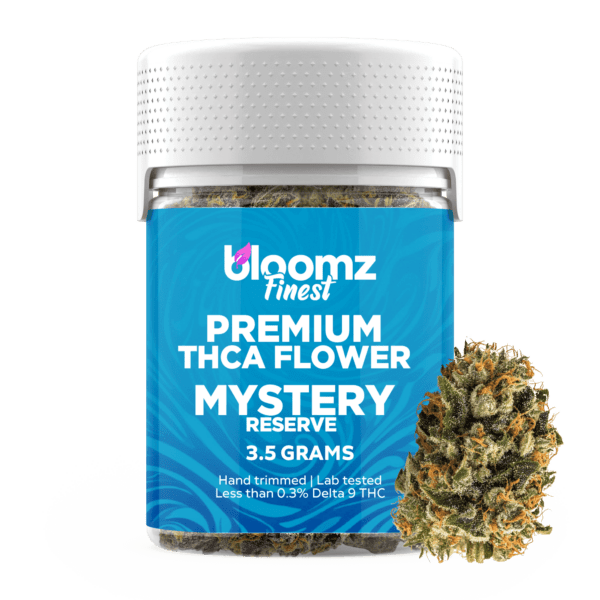
THCA Flower – Mystery Reserve
$41.99$79.99 -
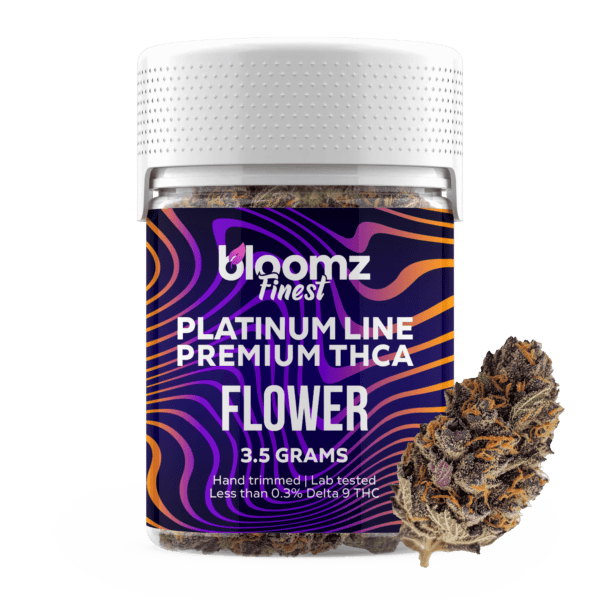
THCA Flower – Platinum Line
$47.99$79.99 -
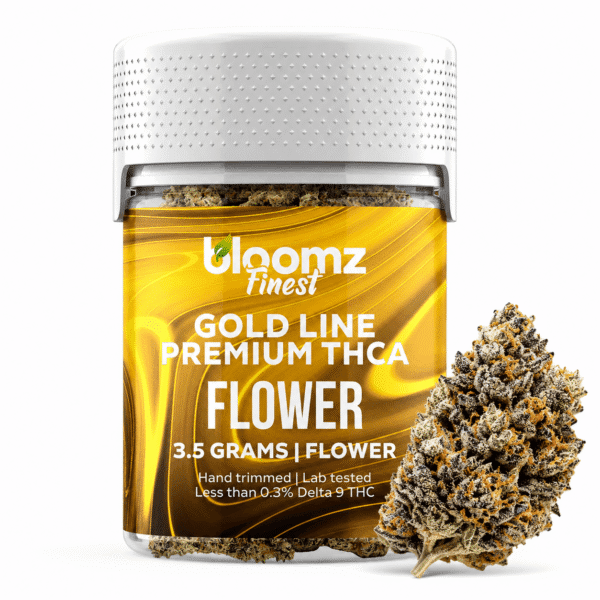
THCA Flower – Exotics – Gold Line
$37.99$89.99 -
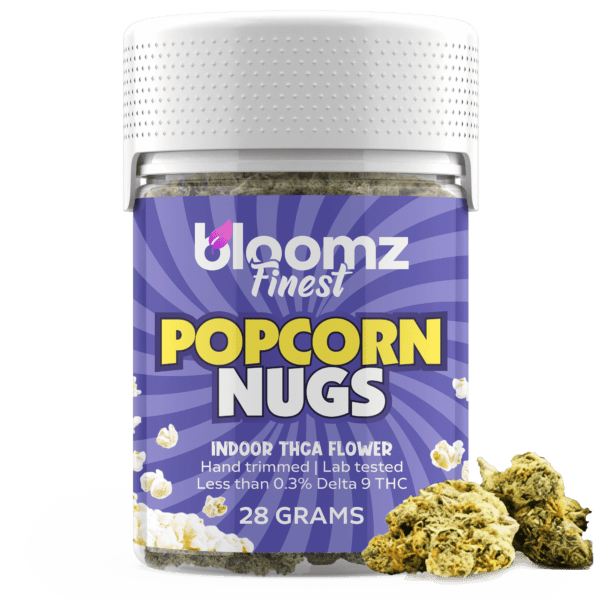
THCA Smalls
$139.99$256.99
Tolerance Breaks and Responsible Consumption
Responsible cannabis consumption involves understanding both the benefits and limitations of cannabis products. Tolerance breaks are one of the most effective tools for maintaining responsible use.
By periodically resetting cannabinoid sensitivity, users can:
-
Avoid excessive dosing
-
Maintain predictable effects
-
Reduce costs associated with high consumption
-
Lower the risk of unwanted side effects
Tolerance breaks also align with responsible use guidelines recommended by many public health experts.
Legal and Regulatory Context
Cannabis laws vary widely depending on location. In the United States, cannabis remains federally illegal under the Controlled Substances Act, although many states have legalized cannabis for medical or adult recreational use.
Hemp-derived cannabinoids containing less than 0.3 percent delta-9 THC were federally legalized under the Agriculture Improvement Act of 2018, commonly known as the Farm Bill.
Regardless of legal status, responsible consumption practices such as tolerance breaks remain relevant for maintaining safe and controlled cannabis use.
Frequently Asked Questions
Do tolerance breaks work for everyone?
Most users experience increased sensitivity to THC after a tolerance break, though the extent of the reset varies depending on the individual and the duration of the break.
Can tolerance return quickly?
Yes. If cannabis use resumes at high doses or frequent intervals, tolerance may rebuild relatively quickly.
Do CBD products affect tolerance breaks?
CBD does not strongly activate CB1 receptors, so it is less likely to interfere with the recovery of THC sensitivity.
Is it necessary to take tolerance breaks regularly?
Not necessarily, but periodic breaks can help maintain the effectiveness of cannabis over time.
Conclusion
A tolerance break is a temporary pause in cannabis consumption designed to restore sensitivity to cannabinoids by allowing the body’s endocannabinoid system to recover. Frequent cannabis use can lead to receptor desensitization and downregulation, which reduces the effectiveness of THC and other cannabinoids. By abstaining from cannabis for a period of time, CB1 receptors gradually regain their responsiveness.
Tolerance breaks can range from a few days to several weeks depending on individual consumption patterns. When cannabis use resumes after a break, many users experience stronger effects at lower doses, improving both efficiency and overall experience.
Whether used by recreational consumers seeking a more balanced relationship with cannabis or by medical patients aiming to preserve therapeutic benefits, tolerance breaks remain one of the most practical and widely recommended strategies for responsible cannabis consumption.
To Buy Cannabis Flower Click Here
Recommended products
-
Exotic THCA Smalls
$169.99$329.99 -
THCA + THC-P Flower
$47.99$89.99 -
THCA Flower
$27.99$79.99 -
THCA Pre-Rolls – 3-Pack/6-Pack
$30.99$59.99