
Cannabis culture has evolved rapidly over the past few decades, shifting from underground markets to regulated dispensaries offering carefully cultivated, lab-tested products. Along the way, certain terms have stuck around as reminders of how things used to be—and one of the most recognizable among them is “brick weed.” For many long-time consumers, the term brings back memories of tightly compressed, low-cost cannabis that was widely available before legalization and modern cultivation techniques took over. While it may not dominate today’s legal shelves, brick weed still exists in conversation and in certain markets, making it an important term to understand.
At its core, brick weed refers to cannabis that has been compressed into dense, brick-like shapes for the purpose of storage and transportation. Instead of loose, fluffy buds, the cannabis is tightly packed—often using mechanical pressure—into solid blocks. These “bricks” can vary in size but are typically large quantities intended for bulk movement rather than individual sale. Once broken apart, the cannabis inside is usually dry, compacted, and often degraded compared to modern, carefully handled flower.
To Buy Cannabis Flower Click Here
Recommended products
-
Delta 8 THC Flower
$24.99$39.99 -
THC-P Flower
$29.99$43.99 -
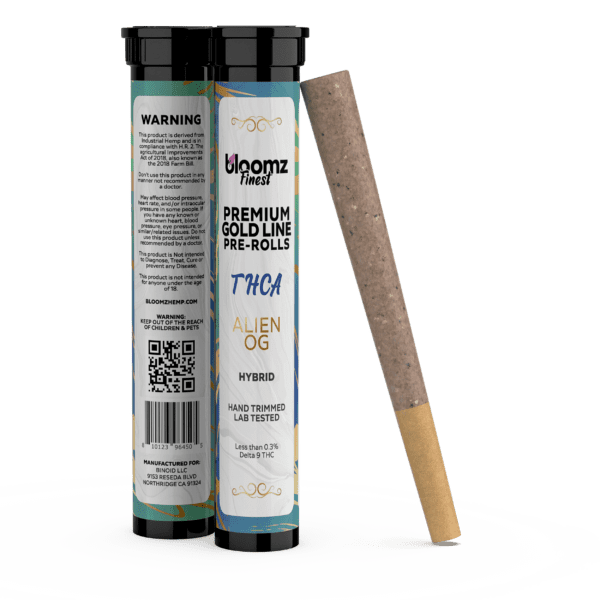
Exotic THCA Pre-Rolls Gold Line – 3-Pack/6 Pack
$36.99$69.99

The origin of brick weed is closely tied to large-scale cannabis production and trafficking methods, particularly in regions where cannabis was grown in bulk and transported over long distances. Compressing the plant material into bricks made it easier to move large quantities efficiently, reducing space and making packaging more discreet. However, this process came at a cost. The pressure used to form bricks often damaged the delicate trichomes—the resin glands that contain cannabinoids and terpenes—leading to a loss of potency, flavor, and overall quality.
One of the defining characteristics of brick weed is its appearance. Unlike high-quality cannabis, which is typically vibrant, sticky, and covered in visible trichomes, brick weed tends to look dull and compressed. The buds are flattened and often difficult to distinguish individually because they have been pressed together. The color can range from light green to brownish or yellowish tones, sometimes with visible stems and seeds mixed in. This is because brick weed is often produced with less attention to trimming and quality control, resulting in a product that includes more plant material than premium flower.
Texture is another key difference. Brick weed is usually very dry and brittle due to the combination of compression and extended storage. When broken apart, it may crumble easily or feel rough rather than soft and sticky. This dryness can make it burn quickly and unevenly when smoked, often producing a harsher experience compared to well-cured cannabis. The lack of moisture also contributes to the loss of terpenes, which are responsible for the aroma and flavor of the plant.
Speaking of aroma, brick weed typically has a much weaker and less complex smell than modern cannabis. Instead of the strong, distinct scents associated with terpene-rich strains—such as citrus, pine, or gas—brick weed often smells faint, earthy, or even slightly musty. This is a direct result of terpene degradation over time and during the compression process. For many users, the lack of aroma is one of the first signs that the cannabis is lower in quality.
To better understand brick weed in a real-world context, imagine a conversation between two cannabis users:
“Yo, what kind of weed is that?”
“Honestly, it’s just brick weed. Nothing fancy.”
“Oh, I can tell—it looks all compressed. Does it even hit?”
“It’ll get the job done, but don’t expect anything crazy. It’s more of a budget smoke.”
This kind of exchange highlights how brick weed is often perceived—not necessarily useless, but far from premium. It serves a purpose, especially for those looking for affordability, but it lacks the qualities that define top-shelf cannabis.
In another example, someone might come across a large, tightly wrapped package of cannabis that feels solid to the touch. When opened, the contents appear as a compressed block that needs to be broken apart manually. As they separate the material, they notice seeds falling out and a lack of stickiness on their fingers. The smell is faint, and the texture is dry. This is a classic encounter with brick weed—recognizable by its form, feel, and overall presentation.
Despite its reputation, brick weed is not always entirely negative. For many people, especially in regions where high-quality cannabis is less accessible or more expensive, brick weed provides an affordable option. It can still contain THC and produce effects, even if those effects are less refined or potent compared to modern strains. In some cases, users may even prefer it for casual or frequent use, where cost is a primary factor.
Recommended products
-
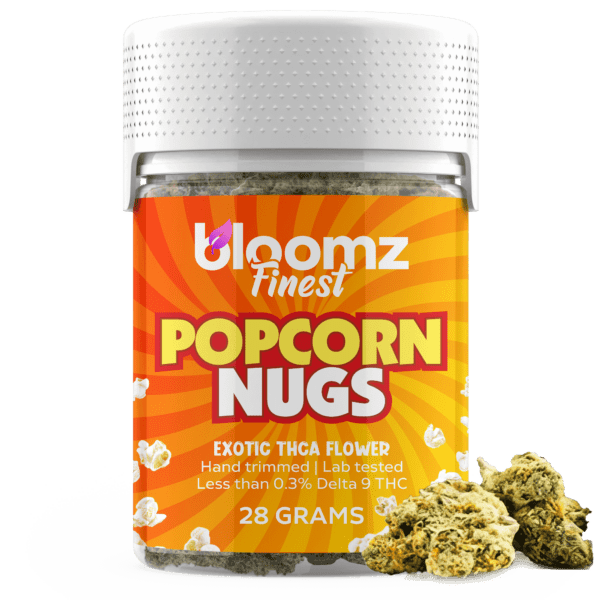
Exotic THCA Smalls
$169.99$329.99 -
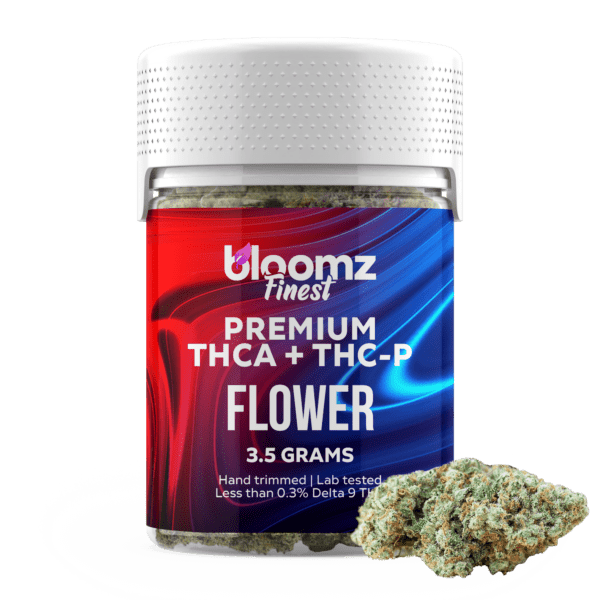
THCA + THC-P Flower
$47.99$89.99 -
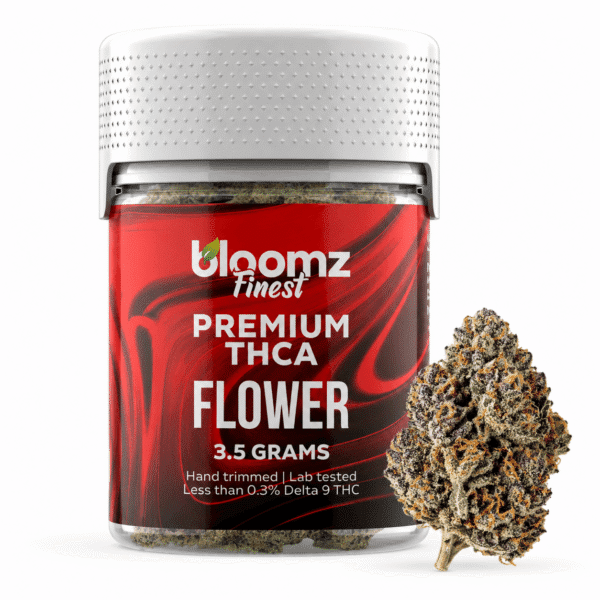
THCA Flower
$27.99$79.99 -
THCA Pre-Rolls – 3-Pack/6-Pack
$30.99$59.99
However, there are trade-offs to consider. Because brick weed is often produced in large quantities with minimal oversight, it may be more likely to contain seeds, stems, or other unwanted plant material. In some cases, it may also be less carefully cured or stored, which can affect both safety and quality. Additionally, the compression process can trap moisture in certain areas while drying out others, potentially leading to inconsistencies within the same batch.
From a cultural perspective, brick weed represents an earlier era of cannabis distribution. Before legalization and the rise of boutique cultivation, this type of product was far more common in many parts of the world. It reflects a time when the focus was on volume and accessibility rather than precision and quality. Today, as the industry emphasizes genetics, terpene profiles, and lab testing, brick weed stands in contrast to the modern standards that many consumers have come to expect.
The comparison between brick weed and dispensary-grade flower is often striking. Modern cannabis is typically grown under controlled conditions, carefully harvested, and properly cured to preserve its chemical profile. It is then packaged in a way that protects it from light, air, and moisture. In contrast, brick weed is often handled in bulk, compressed for transport, and stored for extended periods, leading to degradation. This difference highlights how far the industry has come in terms of quality and consistency.
That said, brick weed still appears in certain markets and conversations, especially where legal access is limited or where legacy supply chains remain active. It also serves as a point of reference for understanding cannabis quality. When someone describes a product as “not brick weed,” they are often emphasizing that it is fresher, more potent, and better handled.
Another conversational example might go like this:
“Why does this weed smell so strong?”
“Because it’s fresh, not like that old brick stuff.”
“Yeah, I remember that—barely any smell and full of seeds.”
“Exactly. This is a whole different level.”
These types of comparisons show how brick weed is often used as a benchmark—something to contrast against higher-quality products.
For consumers today, recognizing brick weed comes down to a few key indicators: compressed, block-like form; dry, brittle texture; muted or musty aroma; and the presence of seeds or stems. While it may still be usable, it generally falls into the lower tier of cannabis quality. Understanding these characteristics can help users make more informed decisions and better գնահատ what they are purchasing or consuming.
In conclusion, brick weed refers to cannabis that has been compressed into dense blocks for bulk storage and transportation, often resulting in lower quality due to damage, dryness, and terpene loss. While it has historical significance and may still serve a purpose in certain contexts, it stands in contrast to the carefully cultivated and processed cannabis available in modern markets. By understanding what brick weed is and how it differs from higher-quality flower, consumers can better navigate the wide range of cannabis products and choose what best fits their needs and expectations.
To Buy Cannabis Flower Click Here
Recommended products
-
THCA Smalls
$139.99$256.99 -
THCA Flower – Exotics – Gold Line
$37.99$89.99 -
THCA Flower – Mystery Reserve
$41.99$79.99 -
THCA Flower – Platinum Line
$47.99$79.99