Cannabis has a long history of both recreational and medicinal use. For many, it provides relaxation, euphoria, creativity, or relief from pain and stress. However, not all cannabis experiences are entirely positive. One of the more commonly reported negative effects is cannabis-induced anxiety — a psychological and physiological reaction characterized by heightened stress, racing thoughts, restlessness, or panic while under the influence of cannabis.
Cannabis-induced anxiety is sometimes misunderstood as a flaw of cannabis itself, but it is actually a complex interaction between cannabinoids, terpenes, neurochemistry, genetics, dosage, consumption method, and environment. Understanding how and why this anxiety occurs is critical for both recreational users seeking enjoyable experiences and medical patients aiming for therapeutic benefits.
This article provides a detailed explanation of cannabis-induced anxiety, its underlying mechanisms, contributing factors, and practical strategies for prevention and management.
To Buy Cannabis Flower Click Here
Recommended products
-
Delta 8 THC Flower
$24.99$39.99 -
THC-P Flower
$29.99$43.99 -
Exotic THCA Pre-Rolls Gold Line – 3-Pack/6 Pack
$36.99$69.99
Defining Cannabis-Induced Anxiety
Cannabis-induced anxiety refers to a state of heightened psychological or physiological stress that emerges after cannabis consumption. Symptoms may include:
-
Racing or intrusive thoughts
-
Nervousness or agitation
-
Rapid heartbeat or palpitations
-
Shortness of breath
-
Sweating or tremors
-
Panic sensations
-
Feeling “overwhelmed” or disconnected
It is important to differentiate cannabis-induced anxiety from pre-existing anxiety disorders. While some individuals with anxiety disorders may experience exacerbated symptoms after cannabis use, cannabis-induced anxiety can also occur in people with no history of anxiety.
How Common Is Cannabis-Induced Anxiety?
Studies estimate that 20–30% of recreational cannabis users experience some form of anxiety or paranoia during intoxication, particularly at higher THC doses. Factors contributing to variability include:
-
Genetics
-
THC potency
-
Terpene profiles
-
Consumption method
-
Previous cannabis experience
-
Environmental stressors
While relatively common, most cases are temporary and resolve as the cannabis metabolizes.
The Endocannabinoid System and Anxiety
Cannabis interacts with the endocannabinoid system (ECS), a complex biological network that regulates:
-
Mood
-
Stress response
-
Sleep
-
Appetite
-
Cognitive function
-
Immune system
The ECS operates through receptors, primarily:
-
CB1 receptors in the brain
-
CB2 receptors in the immune system and periphery
Cannabinoids such as THC and CBD interact with these receptors, affecting neurotransmitter release and neural activity. THC binds to CB1 receptors in regions of the brain linked to anxiety regulation, including the amygdala (fear and emotion processing), hippocampus (memory and contextual processing), and prefrontal cortex (decision-making and reasoning). Overstimulation of these pathways is believed to contribute to cannabis-induced anxiety.
THC: The Main Trigger
Delta-9 THC is the primary psychoactive compound in cannabis. Its binding to CB1 receptors produces the “high,” but it can also:
-
Increase dopamine release
-
Alter glutamate and GABA signaling
-
Heighten sensitivity to sensory input
-
Change perception of time
In some users, these effects can create mental overstimulation, leading to anxious thoughts, paranoia, or panic sensations.
High THC potency products (concentrates, vapes, edibles) are more likely to induce anxiety in susceptible individuals, especially at high doses or in inexperienced users.
Recommended products
-
THCA Snowballs – Gold Line
$57.99$89.99 -
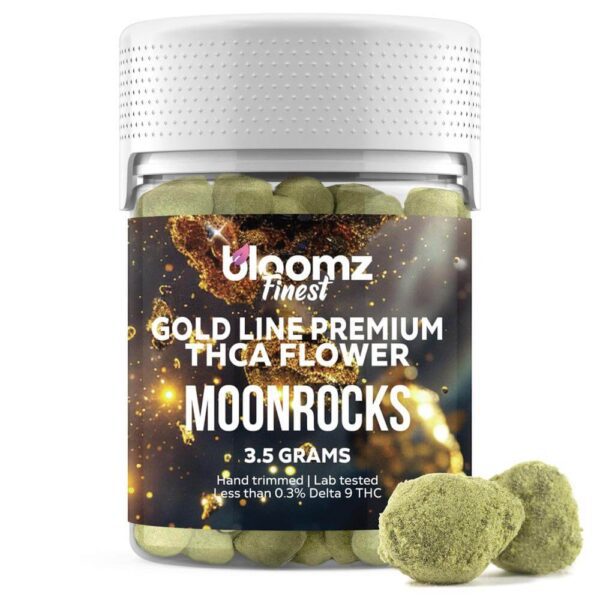
THCA Moonrocks – Gold Line
$57.99$89.99 -
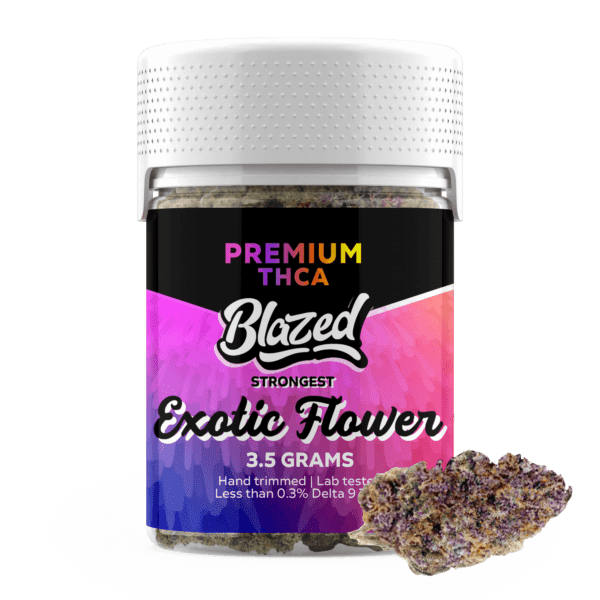
Blazed Exotic THCA Flower
$36.99$79.99 -
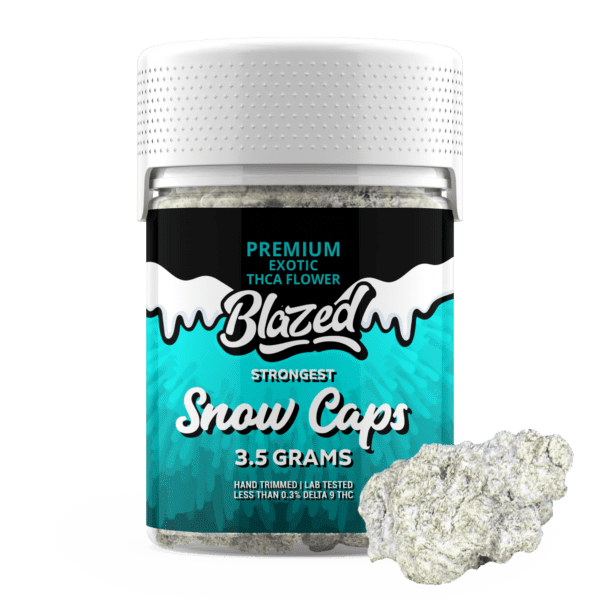
Blazed Strongest Exotic THCA Snow Caps
$58.99$93.99
CBD: A Potential Moderator
Cannabidiol (CBD) is a non-psychoactive cannabinoid that may counteract THC-induced anxiety. Mechanisms include:
-
Partial modulation of CB1 receptor activity
-
Influence on serotonin 5-HT1A receptors (linked to mood regulation)
-
Anti-inflammatory effects that reduce stress signaling
Strains or products with a balanced THC-to-CBD ratio are often less likely to produce anxiety. However, effects vary individually, and high THC doses can overwhelm CBD’s moderating influence.
Terpenes and Anxiety
Terpenes contribute to both the flavor/aroma of cannabis and the psychoactive experience. Certain terpenes may influence anxiety:
-
Linalool (lavender scent) – may promote relaxation
-
Myrcene (earthy, herbal) – may enhance sedation and reduce overstimulation
-
Limonene (citrus) – uplifting, but may increase alertness in some
-
Pinene (pine) – alertness enhancer, may contribute to mental stimulation
The entourage effect suggests that cannabinoids and terpenes interact synergistically, so strain chemistry can affect the likelihood of anxiety.
Dose Matters
One of the strongest predictors of cannabis-induced anxiety is dose:
-
Low doses: Often produce mild relaxation or euphoria
-
Moderate doses: May produce mental stimulation; some users experience mild anxiety
-
High doses: More likely to induce racing thoughts, paranoia, and panic
Tolerance also plays a role. Experienced users often require higher doses for the same effect, but this can paradoxically increase the risk of anxiety if CB1 receptors are overstimulated.
Method of Consumption
The way cannabis is consumed influences the onset, duration, and intensity of anxiety:
Smoking or Vaping
-
Rapid onset (minutes)
-
Effects peak quickly, making dosage easier to titrate
-
Anxiety can occur suddenly but may subside faster
Edibles
-
Delayed onset (30–120 minutes)
-
Longer duration (4–8+ hours)
-
Effects often feel more intense due to metabolism into 11-hydroxy-THC
-
Anxiety risk is higher if users ingest too much at once
Concentrates
-
High potency
-
Rapid absorption
-
High risk of overstimulation and anxiety for inexperienced users
Recommended products
-
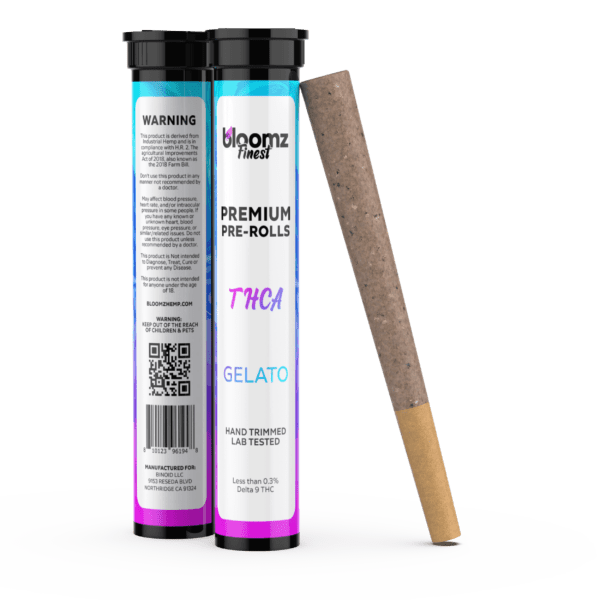
Exotic THCA Pre-Rolls Gold Line – 3-Pack/6 Pack
$36.99$69.99 -
THCA Pre-Rolls – 3-Pack/6-Pack
$30.99$59.99
Personal Susceptibility
Individual factors can influence susceptibility to cannabis-induced anxiety:
- Genetics: Variations in CB1 receptor density and function
- History of anxiety disorders: Higher baseline risk
- Stress levels: Acute stress or uncomfortable environments increase risk
- Sleep and nutrition: Poor sleep or fasting can exacerbate negative effects
- Concurrent substance use: Alcohol, caffeine, or stimulants may amplify anxiety
- Understanding personal susceptibility is crucial for safe consumption.
Understanding personal susceptibility is crucial for safe consumption.
Cannabis-Induced Anxiety vs. Panic Attacks
Cannabis-induced anxiety can range from mild unease to intense panic. While panic attacks involve severe fear, heart palpitations, shortness of breath, and a sense of impending doom, cannabis-induced panic is usually temporary and directly related to intoxication.
Duration typically depends on:
-
Route of administration
-
Dose
-
Individual metabolism
Symptoms usually resolve once THC is metabolized, but the experience can be distressing, especially for inexperienced users.
Mechanisms Behind Cannabis-Induced Anxiety
Scientific research identifies several mechanisms:
- Overactivation of CB1 receptors in the amygdala – heightens fear and alertness
- Dopamine surge – may contribute to racing thoughts and overstimulation
- Altered glutamate/GABA balance – affects inhibitory control over anxious thoughts
- Heightened sensory input – amplified sights, sounds, or tactile sensations can be overwhelming
- Time distortion – altered perception of time can exacerbate feelings of loss of control
The combination of these effects explains why anxiety can emerge unpredictably.
Prevention Strategies
-
Start Low, Go Slow: Begin with small doses, especially if using high-THC products.
-
Choose Balanced Strains: Products with CBD or calming terpenes can reduce anxiety risk.
-
Environment Matters: Consume in safe, comfortable, familiar settings.
-
Stay Hydrated and Nourished: Dehydration or hunger can worsen physiological symptoms.
-
Mindset Preparation: Approach cannabis with calm expectations; anxiety can be amplified by preexisting stress.
-
Microdosing: Small, incremental doses help maintain control over effects.
Managing an Anxiety Episode
If cannabis-induced anxiety occurs:
- Breathe deeply: Slow breathing can reduce physiological arousal.
- Change environment: Move to a calm, quiet space.
- Hydrate and eat light snacks: Can help stabilize blood sugar and hydration.
- Engage in grounding activities: Music, gentle movement, or mindfulness exercises.
- Consider CBD: Some find taking CBD during anxiety episodes reduces intensity.
- Wait it out: Anxiety will subside as THC is metabolized (minutes to hours depending on method).
Avoid driving, operating machinery, or making major decisions while experiencing anxiety.
Recommended products
-
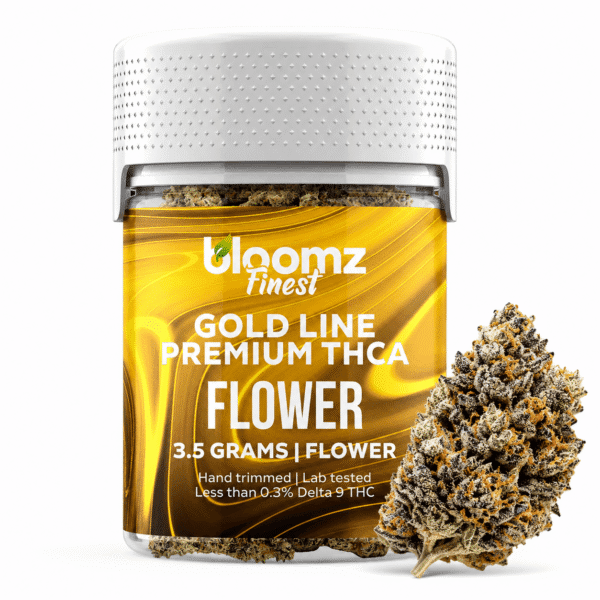
THCA Flower – Exotics – Gold Line
$37.99$89.99 -
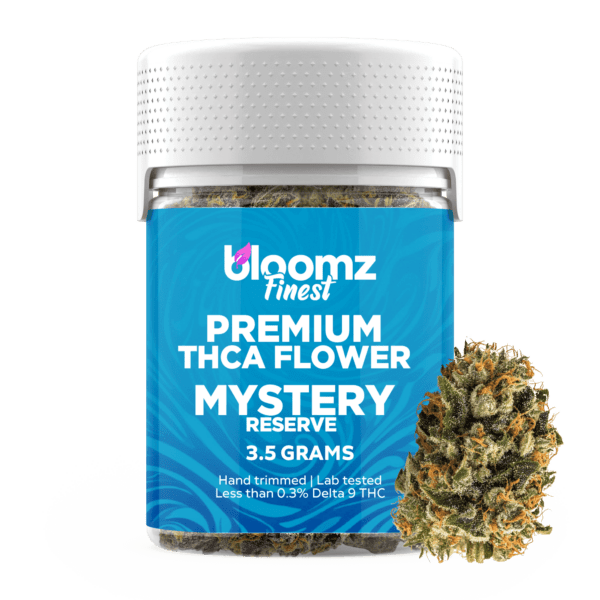
THCA Flower – Mystery Reserve
$41.99$79.99 -
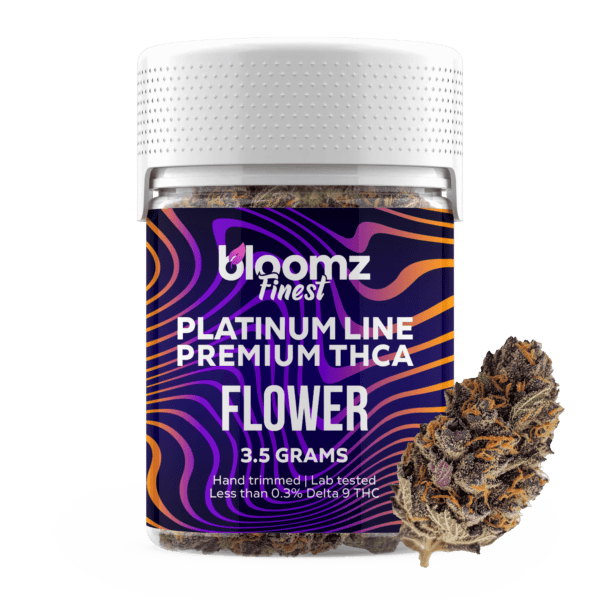
THCA Flower – Platinum Line
$47.99$79.99 -
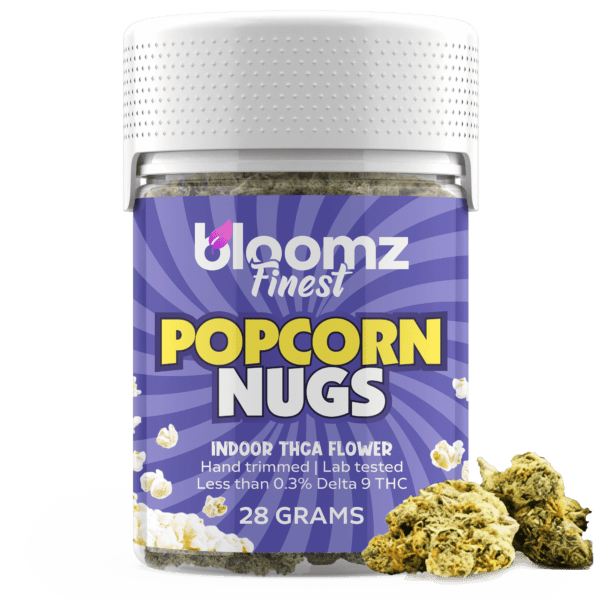
THCA Smalls
$139.99$256.99
Cannabis-Induced Anxiety in Medical Contexts
Patients using cannabis for pain, sleep, or mood disorders may experience anxiety as a side effect:
- High-THC products for chronic pain can unintentionally induce anxiety.
- Cannabis-induced anxiety can affect compliance with medical regimens.
- Physicians may recommend balanced THC:CBD formulations or lower doses to minimize risk.
Understanding cross-tolerance, metabolism, and cannabinoid ratios is essential in clinical contexts.
Legal and Regulatory Considerations
- Cannabis remains federally illegal under the Controlled Substances Act.
- Hemp-derived cannabinoids with <0.3% THC are legal federally under the Agriculture Improvement Act of 2018.
- State laws vary widely regarding adult use, medical use, and product labeling.
- Consumers should verify product potency and cannabinoid profiles to reduce anxiety risk.
Emerging Research
-
Studies suggest CBD may attenuate THC-induced anxiety by modulating amygdala activity.
-
Functional MRI studies show THC can increase connectivity in regions involved in fear and emotional processing.
-
Genetic research may explain individual susceptibility based on ECS receptor variants.
Ongoing research aims to clarify mechanisms and provide evidence-based guidelines for minimizing cannabis-induced anxiety.
Frequently Asked Questions (FAQs)
Q: Is cannabis-induced anxiety permanent?
A: No. Anxiety symptoms are temporary and resolve as THC metabolizes.
Q: Can inexperienced users avoid anxiety?
A: Yes. Starting with low doses, balanced THC:CBD ratios, and consuming in safe environments can reduce risk.
Q: Can tolerance help?
A: Regular users may experience less anxiety at similar doses, but high-potency products can still trigger reactions.
Q: Does strain choice matter?
A: Yes. Indica or CBD-rich strains with calming terpenes are less likely to induce anxiety than high-THC sativa strains.
Q: Can lifestyle factors affect susceptibility?
A: Yes. Stress, sleep, hydration, and nutrition all influence the likelihood and intensity of anxiety.
Conclusion
Cannabis-induced anxiety is a common, temporary reaction that occurs due to interactions between THC, the endocannabinoid system, and individual neurobiology. It is influenced by THC potency, terpene composition, dose, method of consumption, personal susceptibility, and environmental factors. While unpleasant, cannabis-induced anxiety is generally manageable with careful dosing, strain selection, safe settings, and mindful practices.
Understanding the mechanisms and contributing factors empowers consumers to:
- Reduce risk
- Choose the right products
- Implement preventive strategies
- Manage episodes effectively
As cannabis research continues, more precise recommendations will emerge to help individuals enjoy the benefits of cannabis while minimizing anxiety and unwanted side effects.
To Buy Cannabis Flower Click Here
Recommended products
-
Exotic THCA Smalls
$169.99$329.99 -
THCA + THC-P Flower
$47.99$89.99 -
THCA Flower
$27.99$79.99 -
THCA Pre-Rolls – 3-Pack/6-Pack
$30.99$59.99