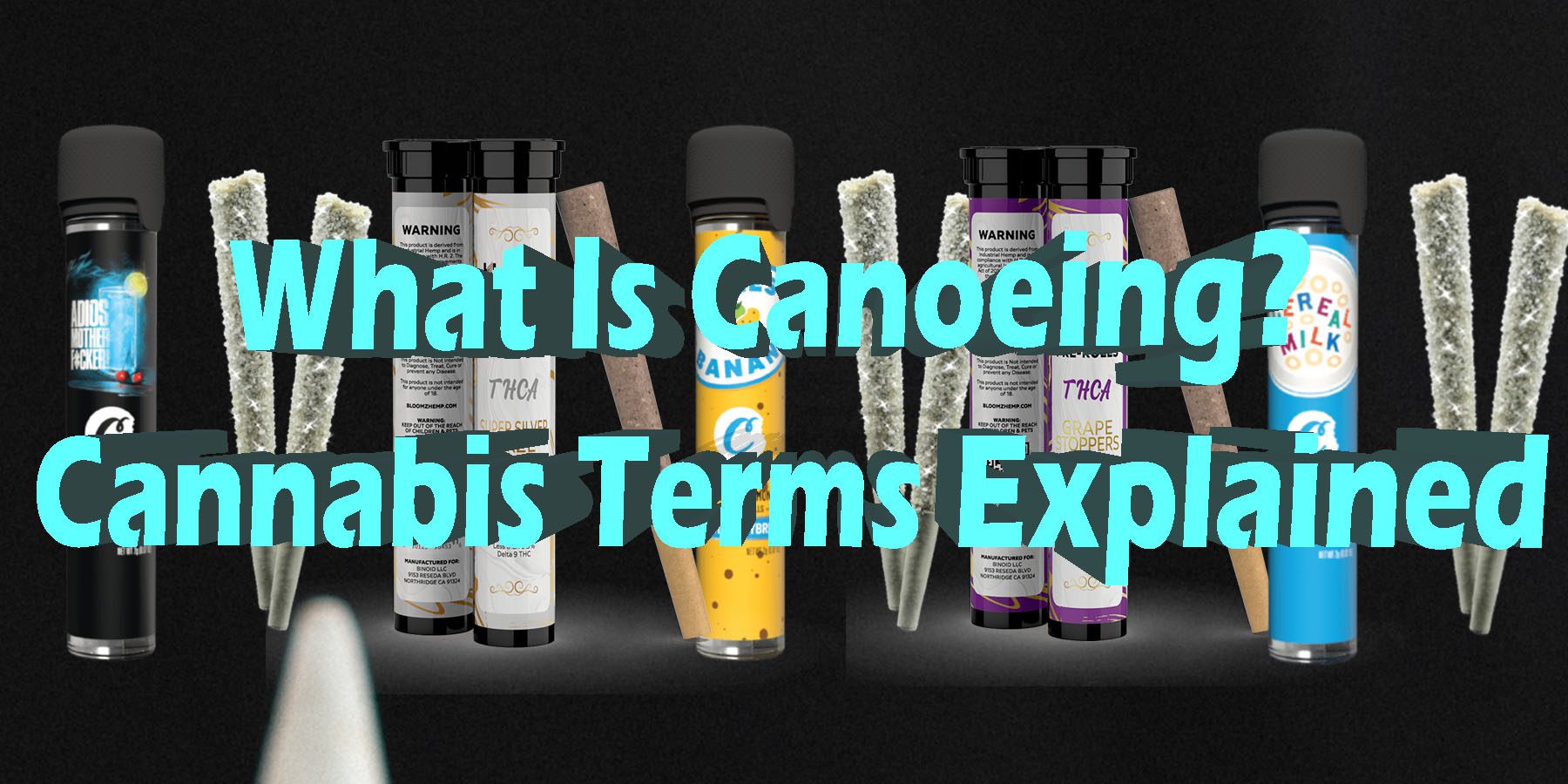
Within cannabis culture, there are countless slang terms and shared experiences that bring smokers together, from the way a joint is rolled to how it burns during a session. One of the most commonly discussed—and sometimes frustrating—phenomena is known as “canoeing.” Whether you are a seasoned smoker or relatively new to cannabis, chances are you have either experienced it yourself or seen it happen mid-session. While it might sound like a harmless or even funny term, canoeing can significantly affect the quality of a smoke, the flavor of the product, and the overall experience. Understanding what canoeing is, why it happens, and how to prevent it can make a noticeable difference in how enjoyable your sessions are.
Canoeing refers to the uneven burning of a joint, blunt, or pre-roll, where one side burns faster than the other, creating a shape that resembles a canoe or boat. Instead of the tip burning evenly in a straight, flat line, one edge races ahead while the other lags behind. This results in a slanted burn pattern that can worsen over time if not corrected. The longer it continues, the more uneven the burn becomes, often leading to wasted cannabis and a harsher smoking experience. In simple terms, canoeing is what happens when your smoke stops burning evenly and starts “running” down one side.
To Buy Cannabis Flower Click Here
Recommended products
-
Delta 8 THC Flower
$24.99$39.99 -
THC-P Flower
$29.99$43.99 -
Exotic THCA Pre-Rolls Gold Line – 3-Pack/6 Pack
$36.99$69.99

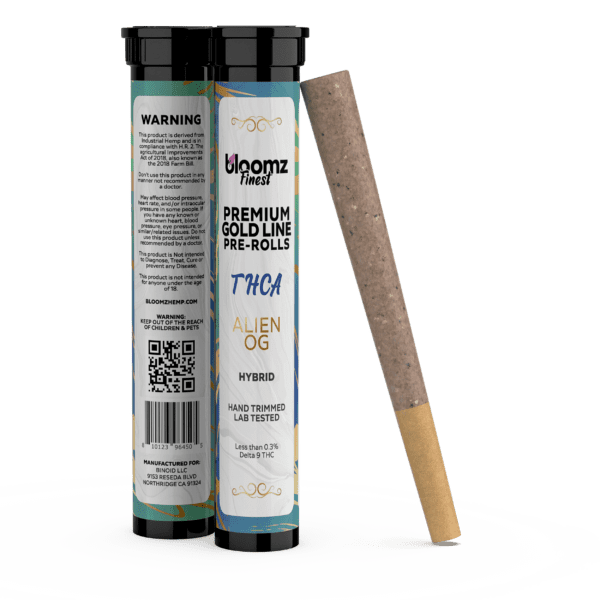
To visualize canoeing, imagine lighting a perfectly rolled joint. At first, everything seems fine—the cherry glows evenly, and the smoke is smooth. But after a few puffs, you notice that one side of the paper is burning much faster than the other. The lit portion curves, forming a deep groove along one side, almost like a hollowed-out channel. This is canoeing in action. If left unchecked, the joint may continue to burn unevenly until one side is nearly gone while the other remains mostly intact, forcing you to relight or adjust it repeatedly.
There are several reasons why canoeing occurs, and understanding these causes is key to preventing it. One of the most common factors is uneven packing. When a joint or blunt is rolled, the cannabis inside must be distributed evenly from end to end. If one side is packed tighter than the other, airflow will differ across the roll. The looser side allows more oxygen to pass through, causing it to burn faster, while the tighter side restricts airflow and burns more slowly. This imbalance creates the conditions for canoeing almost immediately after lighting.
Another major factor is moisture content. Cannabis that is too dry tends to burn quickly and inconsistently, while cannabis that is too moist may struggle to stay lit. If different parts of the joint contain buds with varying moisture levels, this can lead to uneven burning. For example, if one section of the joint contains drier material than the rest, that portion will ignite and burn faster, initiating a canoe. Properly cured cannabis with consistent moisture levels is less likely to produce this issue, which is why storage and freshness play a critical role in the smoking experience.
Rolling technique also plays a significant role in whether a joint will canoe. A poorly rolled joint—one with wrinkles, air pockets, or an uneven shape—can disrupt airflow and cause inconsistent burning. Even small imperfections in the paper can lead to one side catching flame faster than the other. For instance, if the paper is slightly folded or creased on one side, that area may burn more aggressively, creating the beginning of a canoe. Skilled rollers often take extra care to ensure that the joint is smooth, evenly packed, and properly sealed to minimize these risks.
Lighting technique is another often-overlooked cause of canoeing. If a joint is not lit evenly at the start, it can begin burning unevenly from the very first puff. Many people make the mistake of holding a lighter to one side of the joint for too long, causing that side to ignite more fully than the other. This uneven ignition sets the stage for canoeing before the session even begins. A better approach is to rotate the joint while lighting it, ensuring that the entire tip catches flame evenly and creates a balanced burn.
Environmental factors can also contribute to canoeing. Wind, for example, can cause one side of a joint to burn faster by feeding it more oxygen. Smoking outdoors on a breezy day often leads to uneven burns, especially if the joint is not shielded from the wind. Similarly, holding the joint at an angle for extended periods can influence how it burns, as heat rises and may concentrate more on one side. Even something as simple as how frequently you puff can affect the burn—rapid, uneven draws can disrupt the balance and encourage canoeing.
Canoeing is not just a minor inconvenience; it can have a noticeable impact on the quality of the smoking experience. When a joint burns unevenly, it often produces harsher smoke, as one side may be overheating while the other is underburned. This can lead to a less enjoyable flavor, masking the natural terpene profile of the cannabis. Additionally, canoeing can result in wasted product, as the faster-burning side may consume more cannabis than necessary, leaving the slower side underutilized. Over time, this inefficiency adds up, especially for those who value consistency and quality in their sessions.
To better understand how canoeing affects real-world scenarios, consider a few common examples. Imagine sharing a pre-roll with friends at a gathering. The joint starts off well, but after a few passes, one side begins to burn much faster than the other. As the canoe deepens, each person gets a slightly different experience—some puffs are smooth, while others are harsh and uneven. Eventually, someone has to stop the rotation to fix the burn, interrupting the flow of the session. This is a classic example of how canoeing can disrupt not only the smoke itself but also the social aspect of cannabis use.
In another example, picture someone enjoying a solo session with a high-quality blunt. The flavor is rich, and the burn is steady—until halfway through, when one side suddenly starts to race ahead. The smoker notices the uneven burn but continues anyway, hoping it will correct itself. Instead, the canoe worsens, leading to a harsh taste and an uneven ash. By the end of the session, a significant portion of the cannabis has burned inefficiently, reducing the overall enjoyment. This highlights how even experienced users can encounter canoeing if conditions are not ideal.
Recommended products
-
Exotic THCA Smalls
$169.99$329.99 -
THCA + THC-P Flower
$47.99$89.99 -
THCA Flower
$27.99$79.99 -
THCA Pre-Rolls – 3-Pack/6-Pack
$30.99$59.99
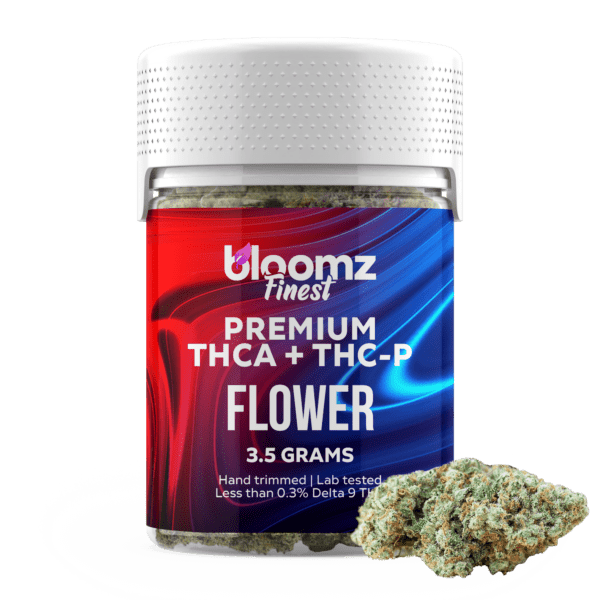
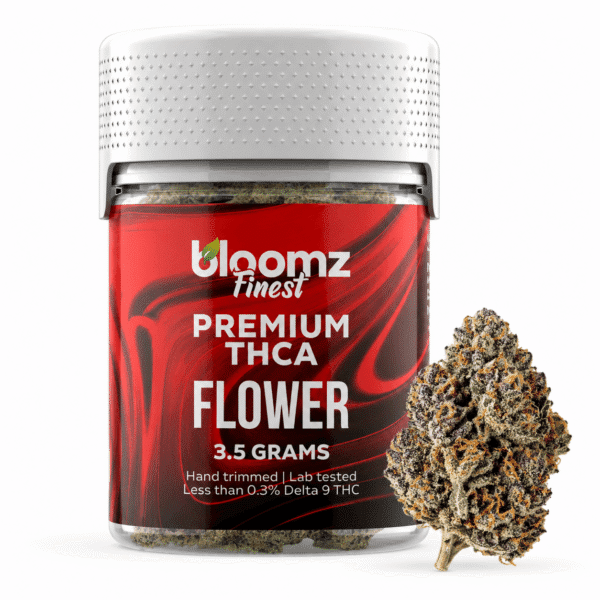
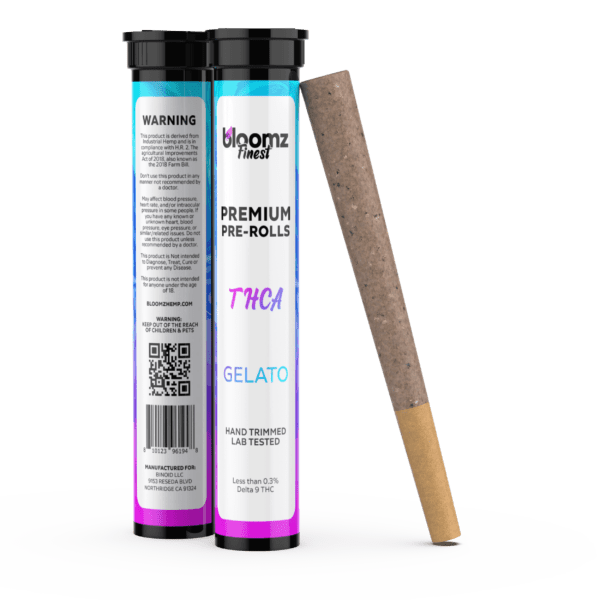
Fortunately, canoeing is not an irreversible problem. There are several ways to fix it once it starts. One common method is to use a lighter to carefully burn the slower side of the joint, bringing it back into alignment with the faster-burning side. This technique, often called “touching up,” requires a gentle hand to avoid overcorrecting and creating further imbalance. Another approach is to rotate the joint and take slower, more controlled puffs, allowing the burn to even out naturally. In some cases, lightly moistening the faster-burning side with saliva can slow it down, though this method should be used sparingly to avoid affecting the flavor.
Prevention, however, is always better than correction. Taking the time to roll a well-balanced joint is one of the most effective ways to avoid canoeing. Ensuring that the cannabis is evenly distributed, properly ground, and consistently packed can make a significant difference. Using high-quality rolling papers and maintaining a smooth, even shape also helps promote a uniform burn. When lighting the joint, rotating it slowly and evenly can set the foundation for a balanced session. Paying attention to environmental conditions, such as wind and humidity, can further reduce the likelihood of canoeing.
For those who prefer convenience, pre-rolls are a popular option, but they are not immune to canoeing. In fact, poorly manufactured pre-rolls are more prone to uneven burns due to inconsistent packing and lower-quality materials. Choosing reputable brands that prioritize quality control can help minimize this risk. Some premium pre-rolls are designed with features like even airflow and tightly controlled packing densities to ensure a smoother, more consistent burn.
Canoeing also serves as a reminder of the craftsmanship involved in cannabis consumption. Rolling a joint is both an art and a skill, requiring attention to detail and an understanding of how various factors interact. From the grind of the flower to the tension of the roll, every step influences how the joint will burn. By mastering these elements, smokers can reduce the likelihood of canoeing and enhance their overall experience.
In a broader sense, cannabis terms like canoeing reflect the shared language and culture that has developed around the plant. These terms often emerge from real-world experiences, capturing moments that are both common and relatable. Canoeing, in particular, is a term that resonates with many users because it describes a situation that almost everyone has encountered at some point. By understanding and discussing these terms, consumers can deepen their connection to the culture and improve their knowledge of cannabis.
Ultimately, canoeing is a simple yet important concept that highlights the importance of balance in cannabis consumption. While it may seem like a minor issue, it can have a meaningful impact on the quality, efficiency, and enjoyment of a smoking session. By recognizing the causes of canoeing and learning how to prevent and fix it, users can take greater control over their experience and make the most of their cannabis.
To Buy Cannabis Flower Click Here
Recommended products
-
THCA Smalls
$139.99$256.99 -
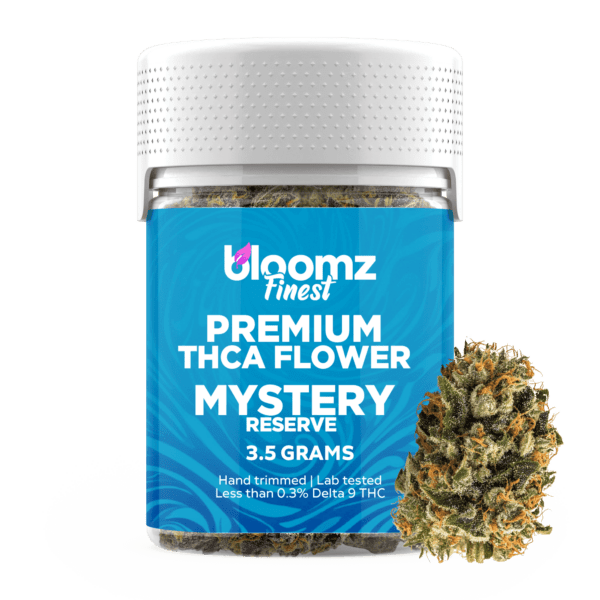
THCA Flower – Mystery Reserve
$41.99$79.99 -
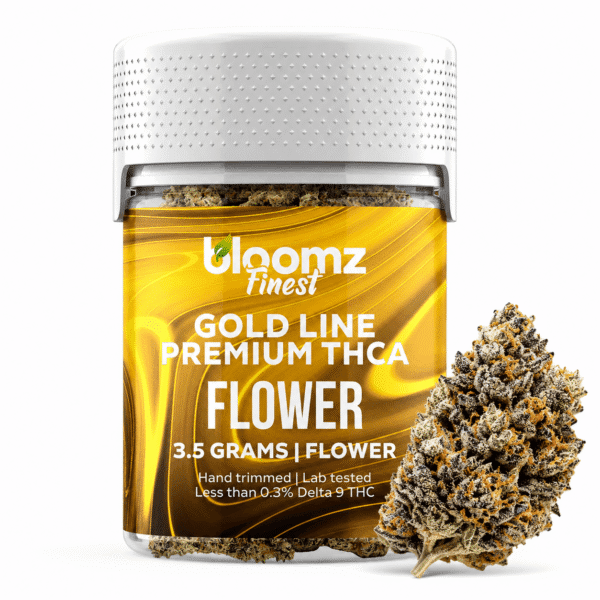
THCA Flower – Exotics – Gold Line
$37.99$89.99 -
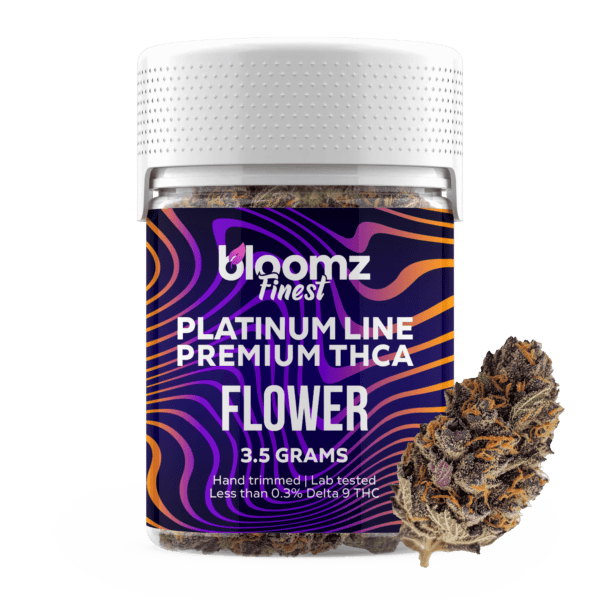
THCA Flower – Platinum Line
$47.99$79.99