If you’ve ever looked at a cannabis lab label and seen percentages for THC, CBD, and terpenes, you were looking at something that defines a plant’s chemotype. While strain names, colors, and aromas often get the spotlight, chemotype is what truly determines how cannabis will affect the body and mind.
In simple terms, chemotype refers to the chemical composition of a cannabis plant. It describes the measurable profile of cannabinoids and other compounds that the plant produces. While phenotype explains how a plant looks and behaves, chemotype explains what it contains.
Understanding chemotype is one of the most important steps toward becoming an informed cannabis consumer, grower, or industry professional. It moves the conversation beyond strain hype and into science.
Let’s break it down clearly.
To Buy Cannabis Flower Click Here
Recommended products
-
Delta 8 THC Flower
$24.99$39.99 -
THC-P Flower
$29.99$43.99 -
Exotic THCA Pre-Rolls Gold Line – 3-Pack/6 Pack
$36.99$69.99
What Does “Chemotype” Mean?
In biology, a chemotype (sometimes spelled “chemovar”) is a chemically distinct entity within a species. Members of the same species may look similar but produce different chemical compounds.
In cannabis, chemotype specifically refers to:
The ratio of cannabinoids (THC, CBD, CBG, etc.)
The presence and percentage of minor cannabinoids
The terpene profile
The overall chemical fingerprint of the plant
Two plants can appear identical but produce completely different cannabinoid ratios. That difference is chemotype.
Think of it this way:
Genotype = genetic blueprint
Phenotype = observable traits
Chemotype = chemical output
All three are connected, but chemotype is what most directly affects the user experience.
The Three Primary Cannabis Chemotypes
Researchers typically divide cannabis into three main chemotypes based on cannabinoid ratios.
Type I – THC-Dominant
Type I cannabis is high in THC (tetrahydrocannabinol) and low in CBD. This is the most common chemotype in recreational markets.
Characteristics:
High psychoactive effect
Low CBD (usually under 1%)
Often selected for potency
Most modern dispensary flower falls into this category because market demand has historically favored high THC numbers.
Type II – Balanced THC and CBD
Type II cannabis contains moderate levels of both THC and CBD, often in roughly equal ratios.
Characteristics:
Milder psychoactive effect
More balanced experience
Often preferred by medical users
CBD can moderate some of THC’s intensity, potentially reducing anxiety or paranoia in sensitive users. Type II chemotypes are less common but growing in popularity as education increases.
Type III – CBD-Dominant
Type III cannabis is high in CBD and very low in THC. This is often classified as hemp under legal definitions in many regions.
Characteristics:
Non-intoxicating or minimally intoxicating
High therapeutic potential
Often used for wellness products
CBD-dominant chemotypes are popular for anxiety, inflammation, and seizure-related research.
Beyond THC and CBD: Minor Cannabinoids Matter
For years, cannabis marketing focused almost entirely on THC percentage. But chemotype is far more complex.
Cannabis produces over 100 known cannabinoids, including:
CBG (cannabigerol)
CBN (cannabinol)
CBC (cannabichromene)
THCV (tetrahydrocannabivarin)
Different chemotypes may emphasize different minor cannabinoids.
For example:
A plant high in CBG may feel more clear-headed.
A plant with elevated CBN may feel more sedating.
THCV-rich varieties may feel stimulating or appetite-suppressing.
These subtle differences are part of what makes cannabis so dynamic.
Recommended products
-
THCA Snowballs – Gold Line
$57.99$89.99 -
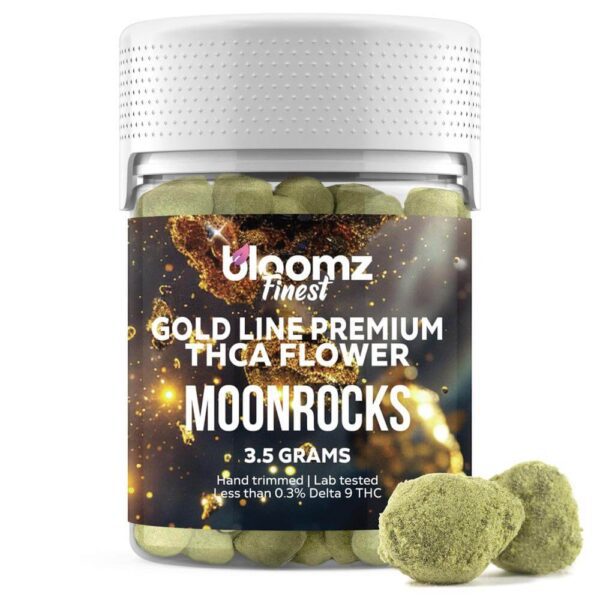
THCA Moonrocks – Gold Line
$57.99$89.99 -
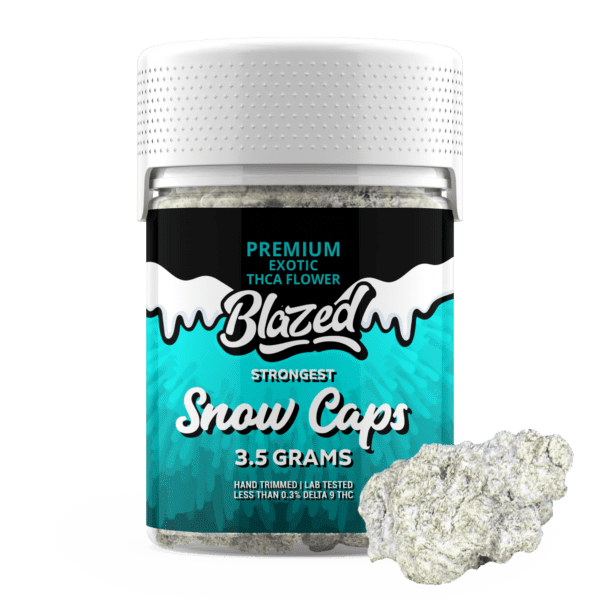
Blazed Strongest Exotic THCA Snow Caps
$58.99$93.99 -
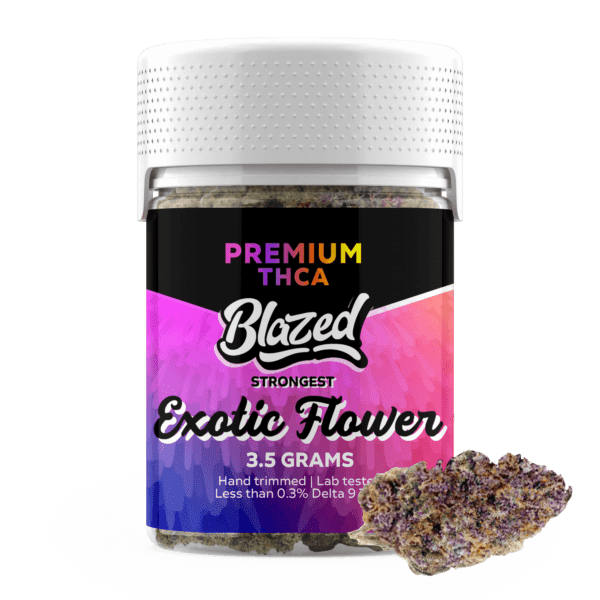
Blazed Exotic THCA Flower
$36.99$79.99
Terpenes and the Expanded Chemotype
While cannabinoids define the basic chemotype classification (Type I, II, III), terpenes expand the chemical complexity dramatically.
Terpenes are aromatic compounds responsible for scent and flavor, but they also interact with cannabinoids in meaningful ways.
Common cannabis terpenes include:
Myrcene
Limonene
Pinene
Caryophyllene
Linalool
A THC-dominant plant high in myrcene may feel relaxing and heavy.
A THC-dominant plant high in limonene may feel uplifting and energetic.
Both are Type I chemotype — but their expanded chemotypes differ significantly.
That chemical variation explains why two high-THC strains can feel completely different.
Chemotype vs Strain Name
Strain names are not scientific classifications. They are cultural labels.
Two products labeled with the same strain name can have different chemotypes depending on:
The breeder
The phenotype selected
Growing conditions
Harvest timing
Lab testing variability
This is why relying solely on strain names can be misleading.
Chemotype, on the other hand, is measurable and objective. Lab results show exact percentages of cannabinoids and terpenes.
In modern legal markets, lab testing has shifted the conversation from “What strain is it?” to “What’s the profile?”
How Chemotype Affects the High
Chemotype directly influences:
Intensity
Onset time
Duration
Body vs head effects
Anxiety potential
Sedation level
For example:
High THC + Low CBD + High Myrcene
Likely to feel strong, relaxing, possibly sedating.
Moderate THC + Moderate CBD + Limonene
Likely to feel balanced, mood-elevating, less overwhelming.
Low THC + High CBD + Caryophyllene
Likely non-intoxicating, potentially calming.
The chemical profile shapes the experience far more reliably than indica or sativa labels.
Recommended products
-
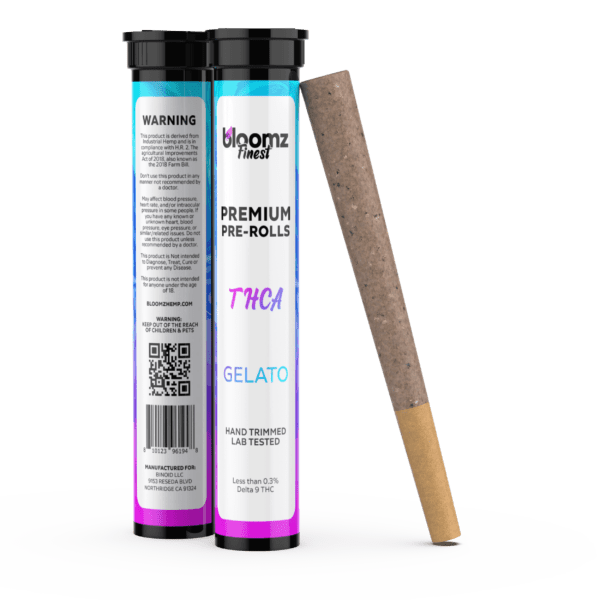
Exotic THCA Pre-Rolls Gold Line – 3-Pack/6 Pack
$36.99$69.99 -
THCA Pre-Rolls – 3-Pack/6-Pack
$30.99$59.99
How Growers Influence Chemotype
Chemotype begins with genetics, but environmental factors influence chemical expression.
Factors that affect chemotype include:
Light intensity and spectrum
Nutrient availability
Soil composition
Stress levels
Harvest timing
Harvest timing is particularly important. Cannabinoid levels shift as trichomes mature:
Clear trichomes: lower THC maturity
Cloudy trichomes: peak THC
Amber trichomes: THC degrading into CBN
A grower harvesting earlier or later can alter the final chemotype.
However, environment does not change a plant from Type I to Type III. Genetics determine the fundamental cannabinoid category. Environment fine-tunes the expression within that category.
Chemotype in Medical Cannabis
Medical cannabis programs increasingly rely on chemotype over strain names.
Patients often track:
THC percentage
CBD percentage
- Specific terpene levels
- Minor cannabinoid presence
Someone treating chronic pain may prefer:
Moderate THC
High myrcene
Noticeable caryophyllene
Someone managing anxiety may prefer:
Balanced THC/CBD
Higher linalool or limonene
Lower overall THC
Precise chemotype targeting allows for more consistent therapeutic outcomes.
Chemotype and Breeding
Breeders often select plants specifically for chemotype goals.
Some breeding objectives include:
Ultra-high THC chemotypes
Balanced 1:1 THC:CBD chemotypes
High-CBG varieties
Rare terpene-dominant profiles
Low-THC compliant hemp
Selective breeding over generations stabilizes certain chemical patterns.
For example, high-CBD hemp varieties were developed through repeated selection of CBD-dominant chemotypes until THC production was minimized.
Without chemotype awareness, modern cannabis breeding would not be possible.
Lab Testing and Standardization
Legal markets require laboratory testing to measure chemotype accurately.
A Certificate of Analysis (COA) typically includes:
Total THC
Total CBD
Cannabinoid breakdown
Terpene percentages
Contaminant screening
These lab results define the official chemotypes of a batch.
However, small variations between harvests are normal. Even clones can show slight chemical differences from one cycle to another.
Consistency requires careful environmental control and stable genetics.
Recommended products
-
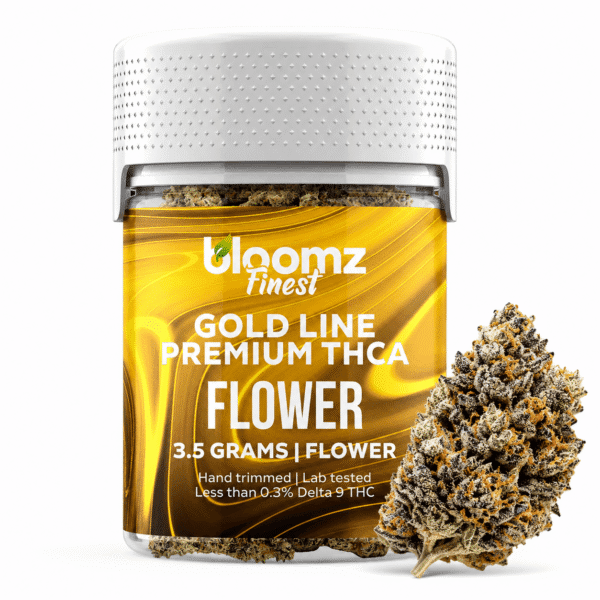
THCA Flower – Exotics – Gold Line
$37.99$89.99 -
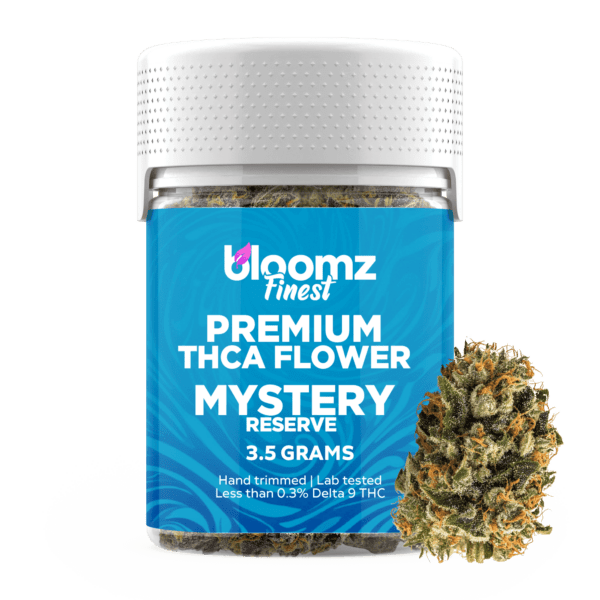
THCA Flower – Mystery Reserve
$41.99$79.99 -
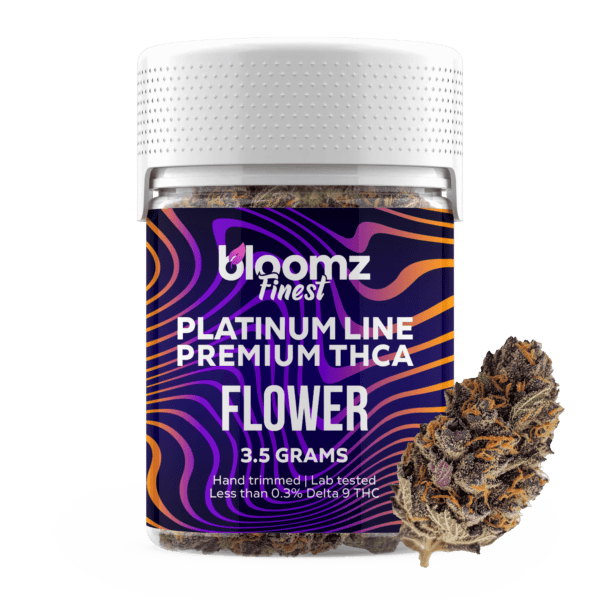
THCA Flower – Platinum Line
$47.99$79.99 -
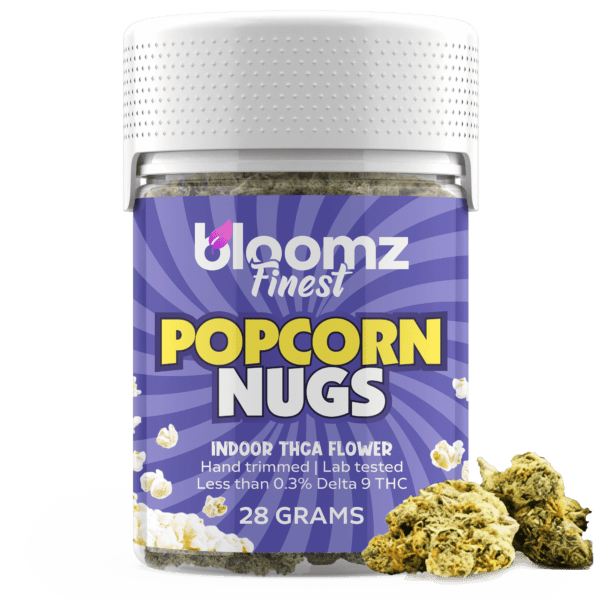
THCA Smalls
$139.99$256.99
Why Chemotype Is the Future of Cannabis Education
As the industry matures, the focus is shifting away from simplistic categories like “indica vs sativa.”
Scientific research increasingly supports the idea that:
Cannabinoid ratios
Terpene profiles
Minor compound interactions
are far more predictive of experience than plant shape or origin myths.
Chemotype-based classification provides a clearer, more measurable system.
It empowers consumers to:
Make informed decisions
Avoid unwanted effects
Replicate experiences
Understand tolerance patterns
Common Misconceptions About Chemotype
Myth 1: Higher THC Always Means Stronger Effects
Not necessarily. A 20% THC flower rich in terpenes may feel stronger than a 30% THC flower with a flat terpene profile.
Myth 2: Indica = Relaxing, Sativa = Energizing
These categories describe plant morphology, not chemotype. Chemical composition determines effects.
Myth 3: CBD Cancels THC Completely
CBD can moderate THC’s intensity, but it does not eliminate psychoactivity entirely.
Final Thoughts: Chemotype Is What Truly Matters
Cannabis is chemistry.
While branding, strain names, and visual appeal attract attention, chemotype determines the real-world experience.
It explains:
Why some products feel smooth and balanced
Why others feel intense or overwhelming
Why medical patients track percentages carefully
Why lab testing matters
Understanding chemotype transforms cannabis from a guessing game into a measurable, predictable plant medicine and recreational product.
As research expands and consumers become more educated, chemotype will likely replace strain name as the primary way people understand cannabis.
Because at the end of the day, it’s not just what the plant is called — it’s what the plant contains.
To Buy Cannabis Flower Click Here
Recommended products
-
Exotic THCA Smalls
$169.99$329.99 -
THCA + THC-P Flower
$47.99$89.99 -
THCA Flower
$27.99$79.99 -
THCA Pre-Rolls – 3-Pack/6-Pack
$30.99$59.99