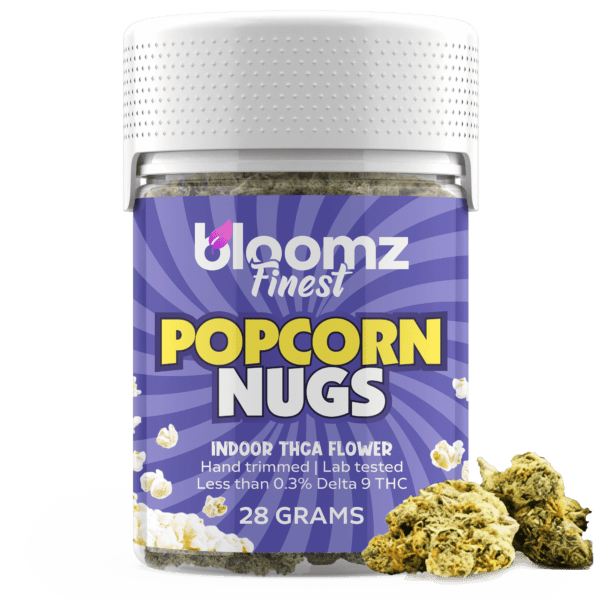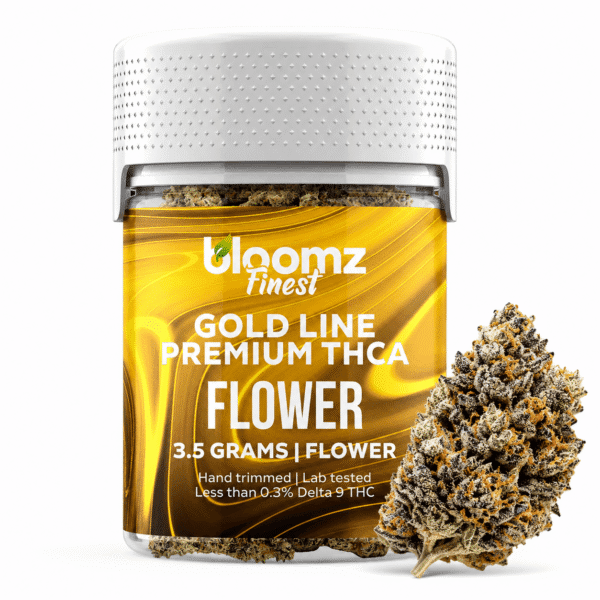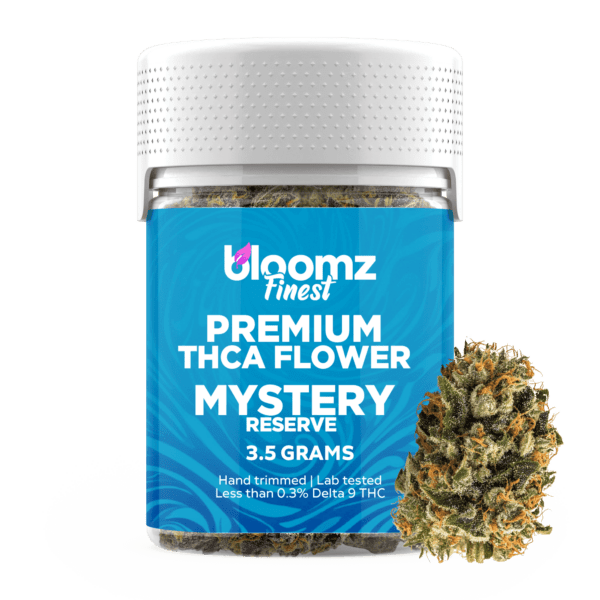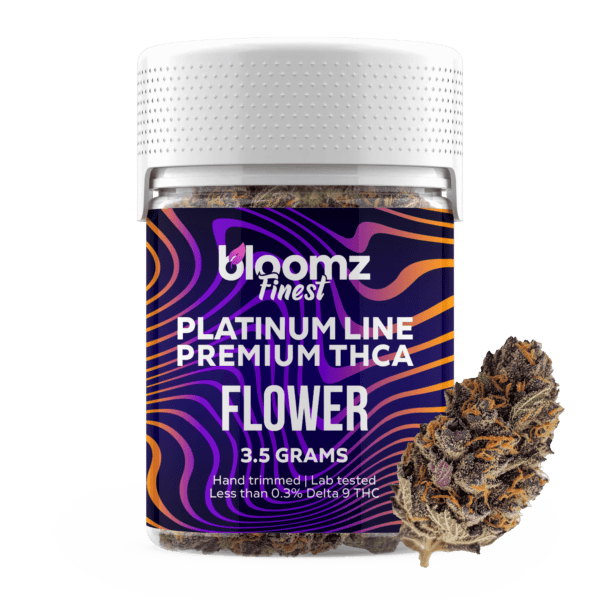
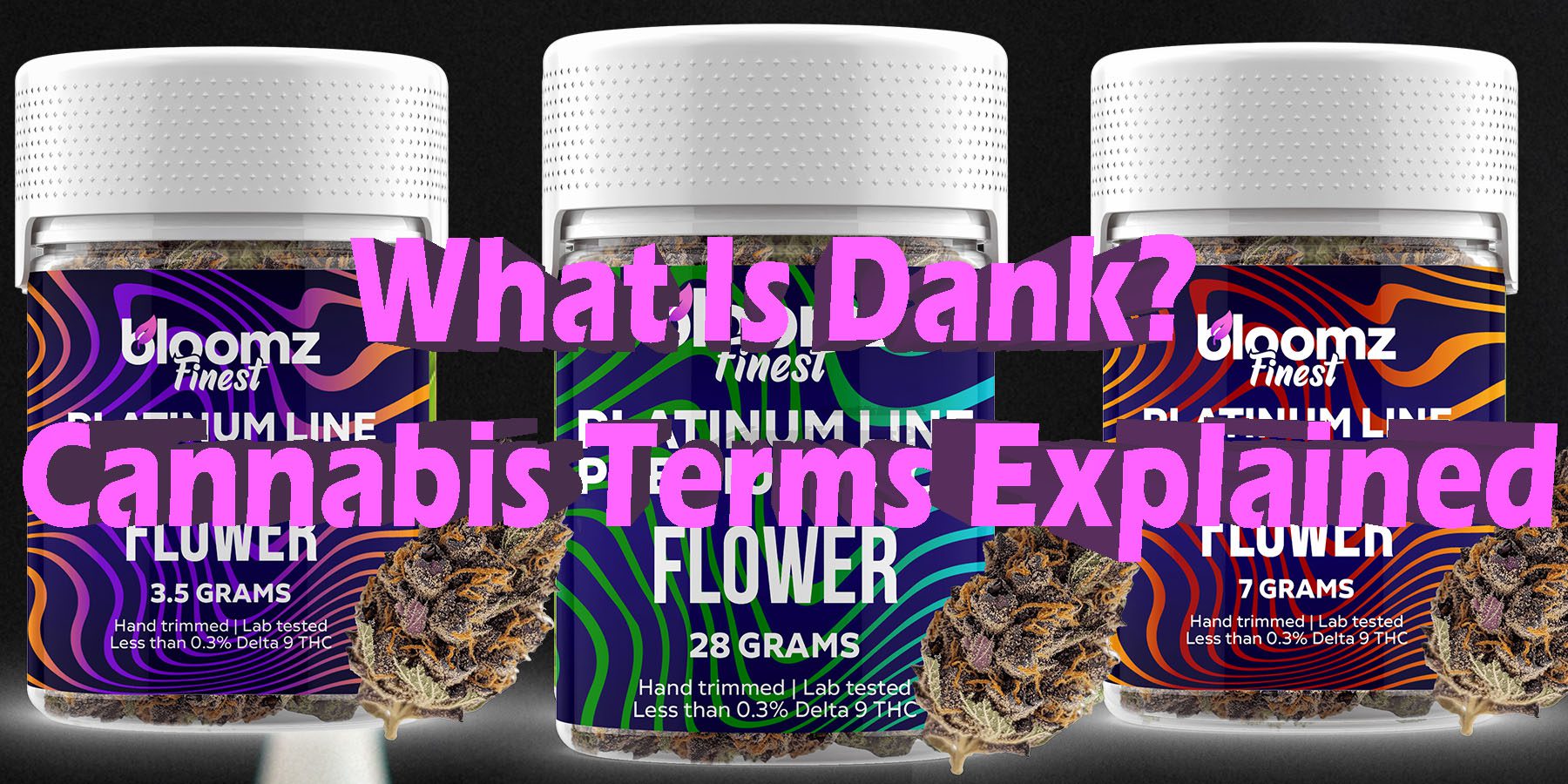
In cannabis culture, the word “dank” is one of the most widely used and instantly recognizable slang terms, but its meaning can be a bit confusing to those outside the community. In everyday language, “dank” might describe something musty, damp, or even unpleasant. However, in the world of cannabis, the term has taken on a completely different meaning. When someone calls weed “dank,” they’re usually describing cannabis that is high-quality, potent, fresh, and rich in aroma. It’s a compliment—one that signals the product stands out in terms of overall experience.
At its core, “dank” is closely tied to sensory impact, especially smell. Much like “loud weed,” dank cannabis is often characterized by a strong, pungent aroma that immediately hits the nose. The scent can be skunky, gassy, earthy, sweet, or some complex combination of all of these. What matters most is intensity and depth. Dank weed doesn’t smell faint or dull—it has a bold, noticeable fragrance that suggests freshness and careful cultivation. In many cases, the stronger and more distinctive the smell, the more likely people are to describe it as dank.
To Buy Cannabis Flower Click Here
Recommended products
-
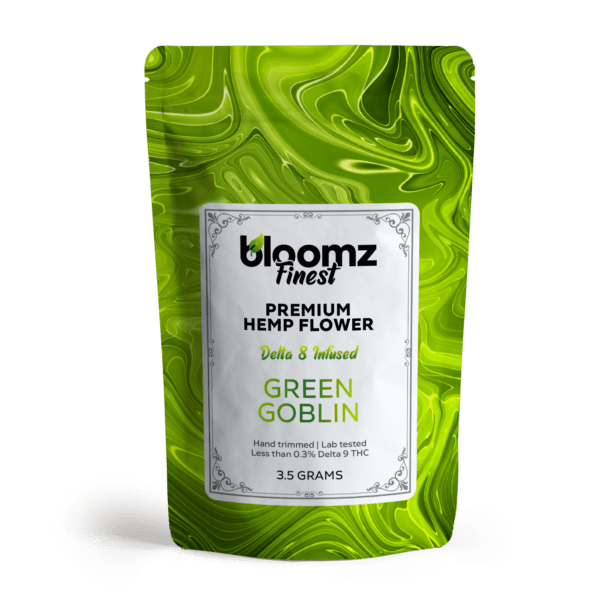
Delta 8 THC Flower
$24.99$39.99 -
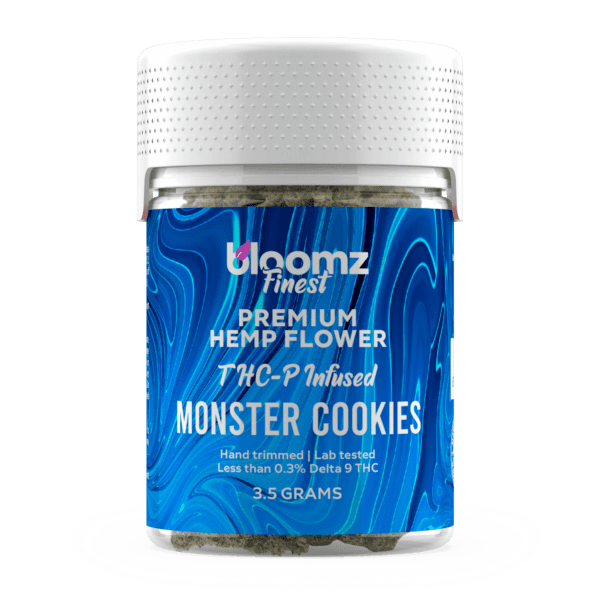
THC-P Flower
$29.99$43.99 -
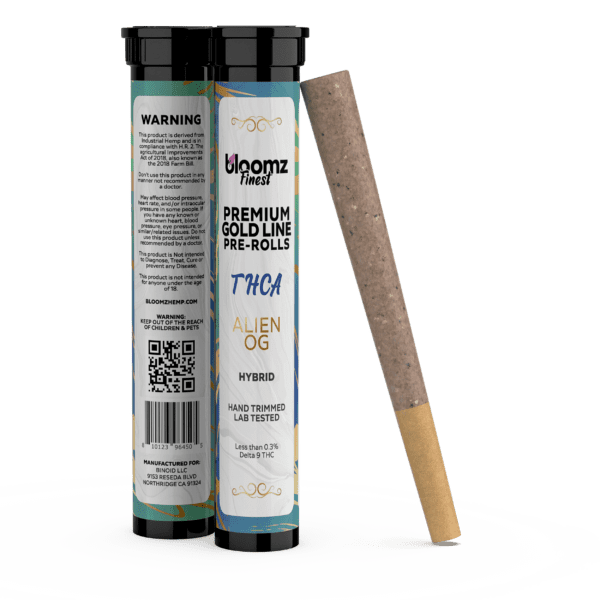
Exotic THCA Pre-Rolls Gold Line – 3-Pack/6 Pack
$36.99$69.99
The evolution of the word “dank” in cannabis culture is rooted in slang adaptation. Over time, communities began using it to describe weed that had a powerful smell and high potency, even though the word originally carried negative connotations. This shift highlights how cannabis culture often redefines language to suit its own experiences. Today, calling something “dank” is a sign of approval, almost like saying a product is top-shelf or premium grade. It reflects both quality and desirability in a single, simple word.
One of the key elements behind dank weed is its terpene profile. Terpenes are the aromatic compounds found in cannabis that give each strain its unique smell and flavor. When weed is described as dank, it usually means it has a high concentration of these compounds, resulting in a rich and layered aroma. Common terpene-driven scents include citrus, pine, spice, fruit, and fuel-like notes. The combination of these aromas creates complexity, which is often associated with better cannabis. A dank strain might smell different at first sniff compared to when it’s broken apart, revealing multiple layers of scent that evolve over time.
Beyond aroma, dank weed is also associated with visual quality. High-quality cannabis typically features dense, well-formed buds covered in trichomes—the tiny, crystal-like structures that produce cannabinoids and terpenes. These trichomes give the flower a frosty or sticky appearance, which many users associate with potency and freshness. The color of dank weed can vary, but it often includes vibrant greens, deep purples, and bright orange hairs, all of which suggest careful cultivation and proper handling.
Cultivation plays a major role in whether cannabis earns the label “dank.” It starts with genetics, as some strains are naturally more capable of producing strong aromas and high cannabinoid levels. Growers select these genetics and then create optimal conditions for the plant to thrive. This includes controlling light cycles, maintaining proper humidity and temperature, and providing the right nutrients at each stage of growth. Attention to detail during cultivation helps ensure that the plant can fully express its potential, resulting in weed that is both aromatic and potent.
After harvest, the curing process becomes critical. Dank weed is almost always properly cured, meaning it has been dried and stored in a way that preserves its terpene content and overall quality. During curing, moisture is gradually reduced, and chemical processes within the plant continue to develop the flavor and aroma. If this step is rushed or done incorrectly, the weed may lose its richness and become harsh or bland. A proper cure enhances the smoothness of the smoke or vapor while allowing the full scent profile to shine through.
While dank weed is often associated with high THC levels, the term itself doesn’t strictly refer to potency. Instead, it represents a combination of factors, including aroma, flavor, freshness, and overall quality. That said, many dank strains do tend to be potent, simply because they are grown and handled with care. For consumers, the perception of dankness often blends these qualities together, creating an expectation of a strong and enjoyable experience.
Recommended products
-
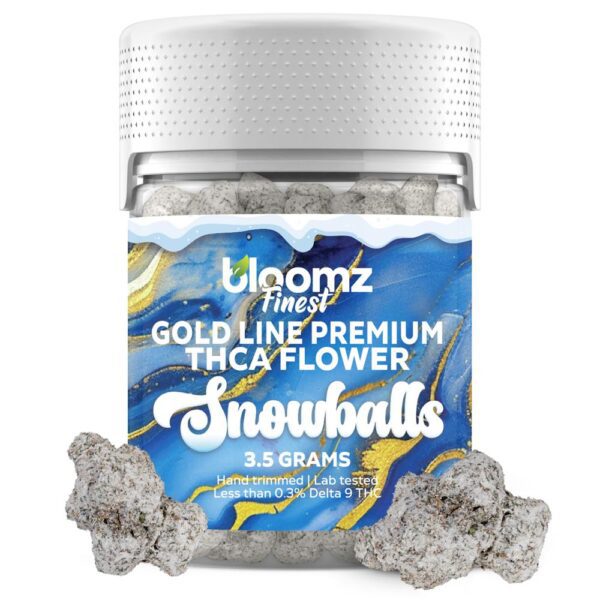
THCA Snowballs – Gold Line
$57.99$89.99 -
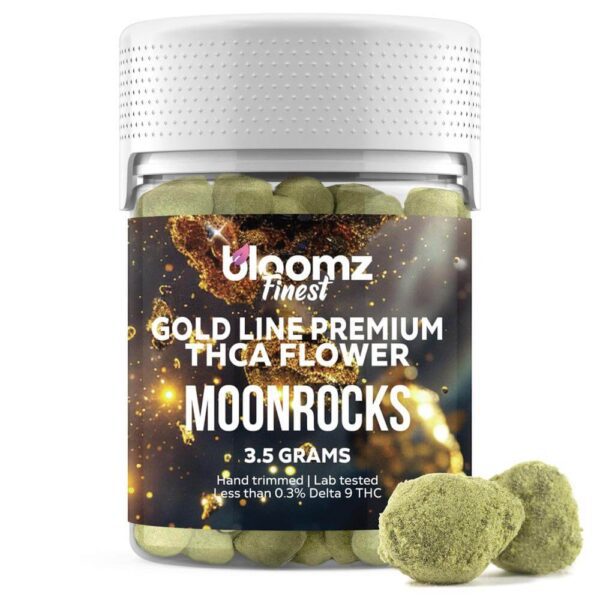
THCA Moonrocks – Gold Line
$57.99$89.99 -
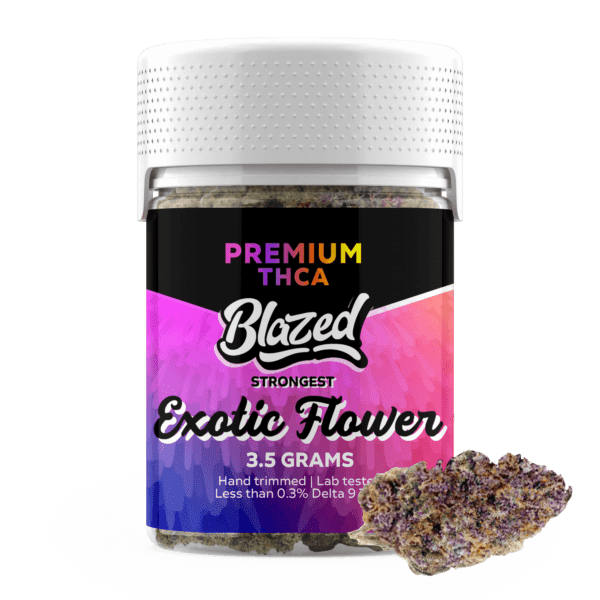
Blazed Exotic THCA Flower
$36.99$79.99 -
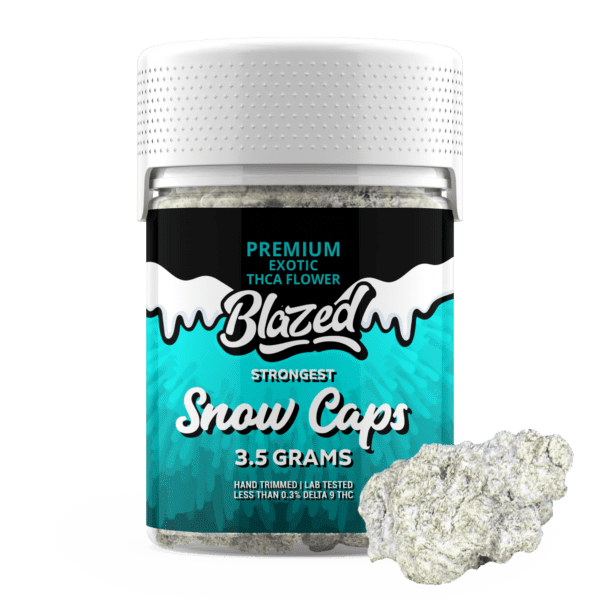
Blazed Strongest Exotic THCA Snow Caps
$58.99$93.99
Flavor is another important aspect of what makes weed dank. When consumed, terpene-rich cannabis tends to deliver a more pronounced and enjoyable taste. Instead of a generic or burnt flavor, users may notice sweet, tangy, spicy, or creamy notes depending on the strain. This enhances the overall experience, making dank weed particularly appealing to those who appreciate cannabis as more than just a means to an end. For many, it becomes about savoring the flavor and exploring different profiles, much like tasting wine or craft beer.
There is also a cultural layer to the term “dank” that goes beyond the physical characteristics of the weed itself. In social settings, calling something dank can elevate its status within a group. It suggests that the product is worth sharing and talking about. When someone brings out dank weed, it often sparks conversation, with people discussing its smell, taste, and effects. This shared appreciation helps reinforce the term’s positive meaning and keeps it relevant within the community.
However, like loud weed, dank cannabis comes with some practical challenges. Its strong aroma can make it difficult to keep discreet, as the smell can travel quickly and linger in the environment. This can be an issue in situations where privacy is important. As a result, users often rely on airtight containers or odor-proof storage solutions to manage the scent. Despite this drawback, many people feel that the benefits of dank weed—its quality and experience—far outweigh the inconvenience.
The rise of legal cannabis markets has also influenced how the term “dank” is used. With more access to lab-tested products and detailed strain information, consumers are becoming more educated about what they’re buying. While slang terms like “dank” are still widely used, they now exist alongside more technical descriptors such as terpene percentages and cannabinoid profiles. Even so, “dank” remains a powerful shorthand for quality, bridging the gap between casual users and more experienced enthusiasts.
Recommended products
-
Exotic THCA Smalls
$169.99$329.99 -
THCA Pre-Rolls – 3-Pack/6-Pack
$30.99$59.99 -
THCA + THC-P Flower
$47.99$89.99 -
THCA Flower
$27.99$79.99
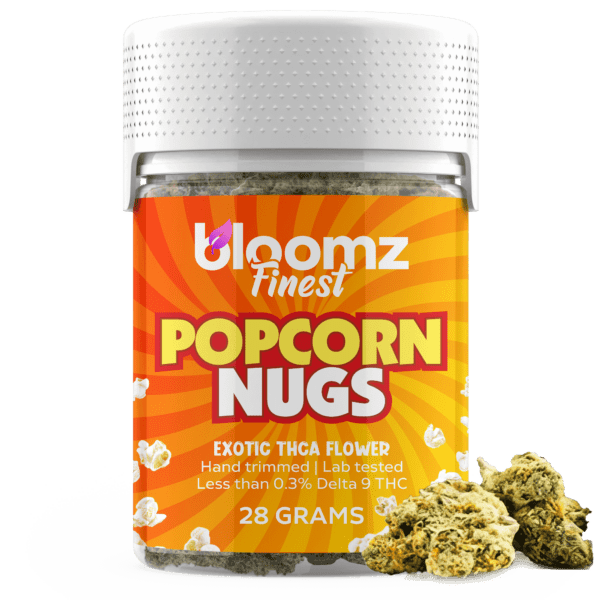
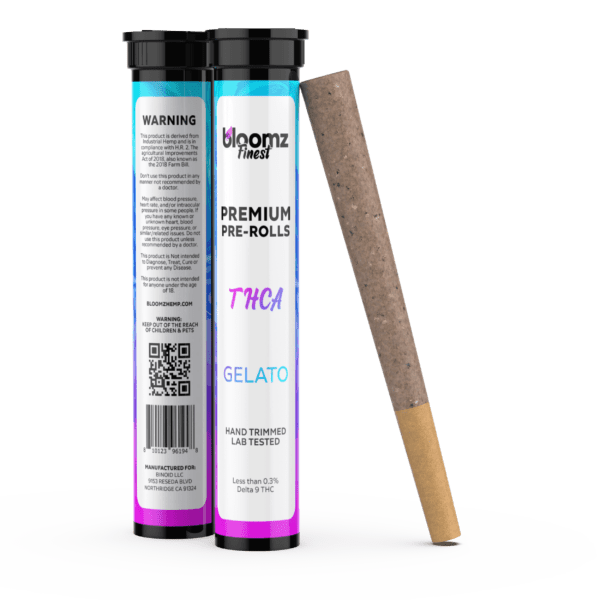
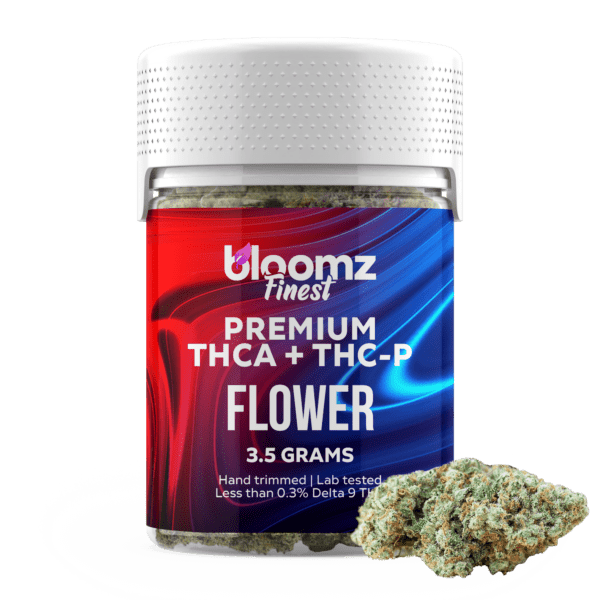
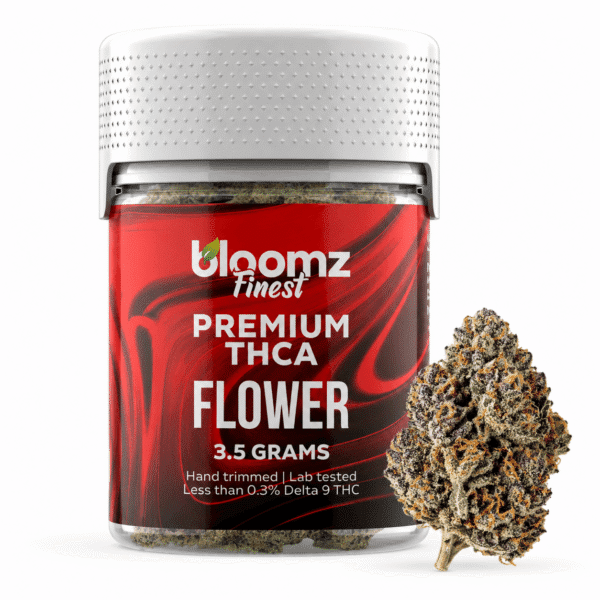
It’s important to note that personal preference plays a role in how people perceive dank weed. What one person considers dank, another might not. Some users prefer subtle, balanced strains with mild aromas, while others actively seek out the most pungent and intense options available. This variation in taste is part of what makes cannabis culture so diverse. The term “dank” may have a general meaning, but its application can differ depending on individual expectations and experiences.
Another factor that contributes to dankness is freshness. Older cannabis tends to lose its terpene content over time, resulting in a weaker aroma and less vibrant flavor. Dank weed, on the other hand, is usually fresh and well-preserved. The buds feel slightly sticky to the touch, and the smell remains strong even after repeated exposure to air. This freshness is a key indicator that the cannabis has been stored properly and is still at its peak quality.
In many ways, “dank” serves as a holistic descriptor. It doesn’t focus on just one aspect of cannabis but rather the overall package. It’s about how the weed looks, smells, tastes, and feels. It’s about the impression it leaves from the moment you encounter it to the moment you finish using it. This all-encompassing nature is what makes the term so useful and enduring within cannabis culture.
As the industry continues to evolve, the definition of dank weed may become more refined, but its core meaning is likely to remain the same. It will always represent cannabis that stands out—weed that goes beyond average and delivers a memorable experience. Whether you’re a seasoned user or someone new to cannabis, understanding what “dank” means can help you better navigate the wide variety of products available and make more informed choices.
In simple terms, dank weed is cannabis at its best. It’s rich in aroma, strong in presence, and carefully crafted to deliver a high-quality experience. It captures everything people look for in good weed and wraps it into a single word that’s easy to use and widely understood. When something is described as dank, it’s not just a casual observation—it’s a statement that the cannabis is worth noticing, worth appreciating, and worth remembering.
To Buy Cannabis Flower Click Here
Recommended products
-
THCA Smalls
$139.99$256.99 -
THCA Flower – Exotics – Gold Line
$37.99$89.99 -
THCA Flower – Mystery Reserve
$41.99$79.99 -
THCA Flower – Platinum Line
$47.99$79.99