As cannabis extraction technology continues to evolve, one method remains both widely used and widely misunderstood: ethanol extraction. Whether you are reading a product label, reviewing a Certificate of Analysis, or exploring how concentrates are made, you may encounter the term ethanol extraction. But what does it actually mean? How does it work? Is it safe? And how does it compare to other extraction methods?
In this in-depth guide, we will break down ethanol extraction from a scientific, production, and regulatory perspective. You’ll learn how ethanol works as a solvent, how it interacts with cannabinoids and terpenes, what equipment is used, how the extract is refined, and why many large-scale producers rely on it. By the end, you’ll understand why ethanol extraction remains one of the most important processes in the modern cannabis industry.
To Buy Cannabis Flower Click Here
Recommended products
-
Delta 8 THC Flower
$24.99$39.99 -
THC-P Flower
$29.99$43.99 -
Exotic THCA Pre-Rolls Gold Line – 3-Pack/6 Pack
$36.99$69.99
Understanding Cannabis Extraction
Before diving into ethanol specifically, it helps to understand what extraction means in cannabis processing.
Cannabis flower contains hundreds of chemical compounds, including cannabinoids, terpenes, flavonoids, lipids, waxes, and plant matter. Extraction is the process of separating desirable compounds — primarily cannabinoids and sometimes terpenes — from the rest of the plant material.
Different extraction methods use different solvents or physical processes to isolate these compounds. Some of the most common methods include hydrocarbon extraction (using butane or propane), CO₂ extraction, rosin pressing (solventless), and ethanol extraction.
Ethanol extraction uses ethyl alcohol as the solvent to dissolve cannabinoids and other compounds from cannabis biomass.
What Is Ethanol?
Ethanol, also known as ethyl alcohol, is the same type of alcohol found in beverages. In extraction settings, however, it is used in highly purified, food-grade or pharmaceutical-grade form.
Chemically, ethanol is a polar solvent with the molecular formula C₂H₅OH. Its polarity allows it to dissolve a broad range of compounds, including:
-
Cannabinoids (like THC and CBD)
-
Terpenes
-
Chlorophyll
-
Plant waxes
-
Lipids
Because ethanol dissolves both desired and undesired compounds, refinement steps are critical after extraction.
How Ethanol Extraction Works
The ethanol extraction process can be broken down into several key stages.
1. Preparation of Biomass
The process begins with dried cannabis flower or hemp biomass. The material is often ground to increase surface area, allowing better solvent contact.
In some cases, the biomass is pre-chilled to extremely low temperatures to reduce chlorophyll extraction.
2. Solvent Soaking or Washing
Cold or room-temperature ethanol is introduced to the plant material. The ethanol rapidly penetrates the trichomes — the resin glands where cannabinoids and terpenes are concentrated — and dissolves them into solution.
This step can be done in:
-
Soaking tanks
-
Centrifuge systems
-
Closed-loop extraction equipment
Contact time is carefully controlled. Longer soak times increase extraction efficiency but may also pull more chlorophyll and plant compounds.
3. Solid-Liquid Separation
Once cannabinoids are dissolved into the ethanol, the plant solids are separated from the liquid solution. This is typically done using filtration or centrifugation.
At this stage, the liquid contains:
-
Cannabinoids
-
Terpenes
-
Lipids
-
Chlorophyll
-
Other plant compounds
This crude solution must be refined before becoming a finished product.
Recommended products
-
THCA Snowballs – Gold Line
$57.99$89.99 -
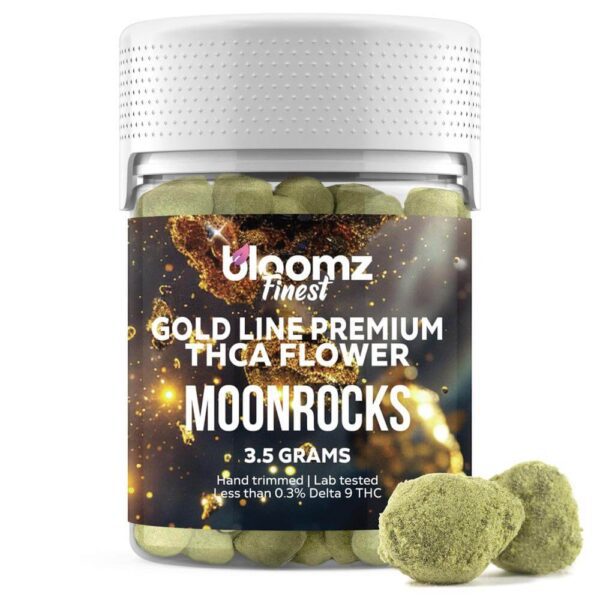
THCA Moonrocks – Gold Line
$57.99$89.99 -
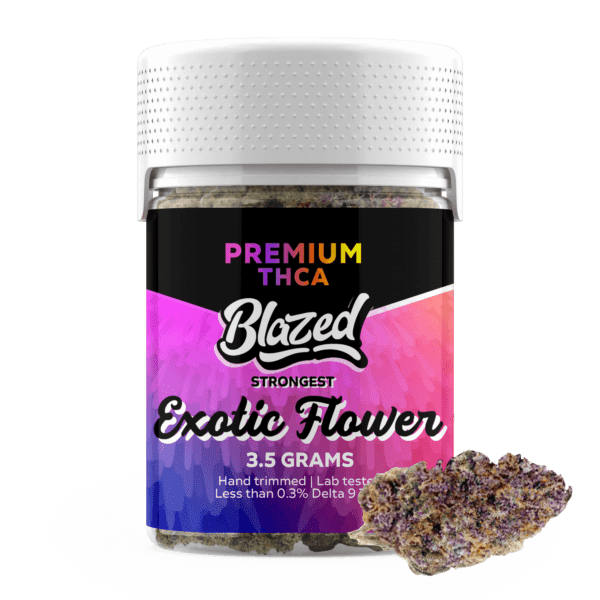
Blazed Exotic THCA Flower
$36.99$79.99 -
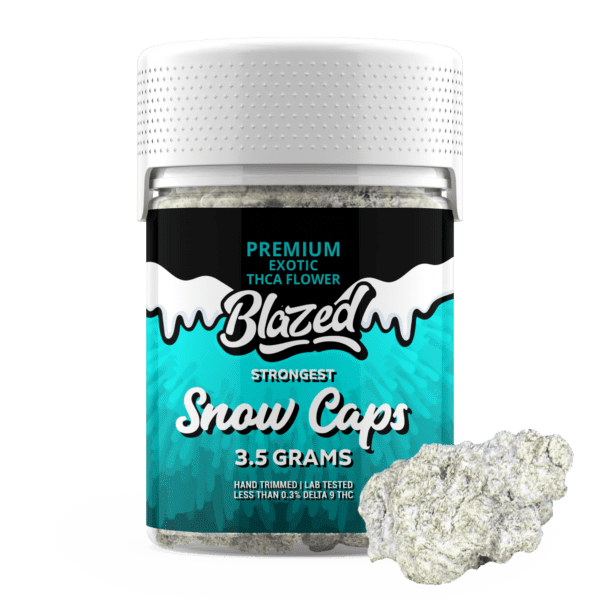
Blazed Strongest Exotic THCA Snow Caps
$58.99$93.99
Winterization: Removing Fats and Waxes
Because ethanol dissolves waxes and lipids, a process called winterization is often required.
Winterization involves chilling the extract solution to very low temperatures (often below -20°C). At these temperatures, fats and waxes solidify and can be filtered out.
This step improves clarity, flavor, and stability of the final extract.
Solvent Recovery and Evaporation
After winterization and filtration, ethanol must be removed from the solution.
This is typically done using:
-
Rotary evaporators
-
Falling film evaporators
-
Vacuum ovens
These systems apply heat and vacuum pressure to evaporate ethanol at lower temperatures, preserving cannabinoids while efficiently recovering the solvent for reuse.
High-quality systems can recover 95–99% of ethanol, making the process cost-effective and environmentally sustainable.
Decarboxylation
Raw cannabis primarily contains cannabinoids in their acidic forms, such as THCA and CBDA. These acidic forms are not psychoactive in the same way as THC.
Decarboxylation is the process of applying heat to convert THCA into THC by removing a carboxyl group (CO₂). This chemical reaction changes the molecular structure and activates psychoactive properties.
Producers may decarboxylate before or after ethanol removal depending on the desired final product.
Distillation and Refinement
To create high-purity products like distillate, additional refinement is required.
Short path distillation separates cannabinoids based on boiling points under vacuum conditions. This process produces a highly concentrated oil that may reach potency levels above 85–95% cannabinoids.
Terpenes may be reintroduced later to enhance flavor and aroma.
Cold vs. Warm Ethanol Extraction
Temperature plays a critical role in ethanol extraction.
Cold Ethanol Extraction
Using extremely cold ethanol reduces the extraction of chlorophyll and plant impurities. Benefits include:
-
Cleaner flavor
- Less post-processing
- Lighter-colored oil
Cold extraction is often preferred for high-quality extracts.
Room Temperature Extraction
Room temperature extraction may yield higher overall cannabinoid recovery but often pulls more unwanted compounds. This requires additional refinement.
Advantages of Ethanol Extraction
Ethanol extraction remains popular for several reasons.
1. Scalability
Ethanol systems can process large volumes of biomass efficiently. This makes it ideal for commercial-scale hemp processing.
2. Efficiency
Ethanol dissolves cannabinoids quickly, reducing processing time.
3. Safety Profile
Unlike butane or propane, ethanol is less volatile and less explosive. While still flammable, it poses lower industrial risk when handled properly.
4. Regulatory Acceptance
Because ethanol is widely used in food and pharmaceutical industries, regulators are familiar with it.
Recommended products
-
Exotic THCA Pre-Rolls Gold Line – 3-Pack/6 Pack
$36.99$69.99 -
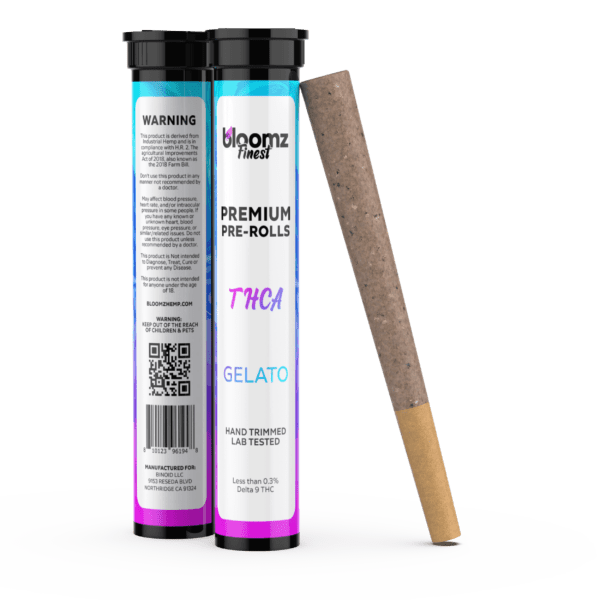
THCA Pre-Rolls – 3-Pack/6-Pack
$30.99$59.99
Potential Drawbacks
Ethanol extraction is not without limitations.
-
It may extract chlorophyll, affecting taste.
-
It requires winterization.
-
It can remove delicate terpenes during evaporation.
-
Improper solvent removal can leave residual ethanol.
However, modern equipment minimizes these issues significantly.
Regulatory Considerations
Ethanol extraction facilities must comply with:
-
Local fire safety codes
-
OSHA workplace safety standards
-
State cannabis regulations
-
Residual solvent testing requirements
In the United States, finished products must pass third-party lab testing to ensure ethanol levels fall below acceptable limits.
The FDA sets residual solvent limits for pharmaceuticals, and many cannabis regulators follow similar thresholds.
Residual Solvent Testing
After extraction, products undergo lab testing to verify ethanol levels are below safe limits.
Modern evaporation systems remove nearly all ethanol. Reputable manufacturers provide Certificate of Analysis (COAs) confirming solvent levels meet regulatory standards.
Consumers should always review lab results when available.
Ethanol vs. CO₂ Extraction
CO₂ extraction uses supercritical carbon dioxide under high pressure. While CO₂ systems allow selective extraction, they are expensive and complex.
Ethanol extraction is:
-
Faster
-
More scalable
-
Often more cost-efficient
However, CO₂ may preserve terpenes more precisely.
Ethanol vs. Hydrocarbon Extraction
Hydrocarbon extraction uses butane or propane and is often preferred for live resin products because it preserves terpene profiles well.
Ethanol extraction is typically used for:
-
Distillate
-
Bulk CBD oil
-
Broad spectrum extracts
-
Isolate production
Each method has its place in the market.
Types of Products Made with Ethanol Extraction
Ethanol extraction is commonly used to produce:
Because it efficiently processes large volumes, it is widely used in hemp-derived cannabinoid production.
Recommended products
-
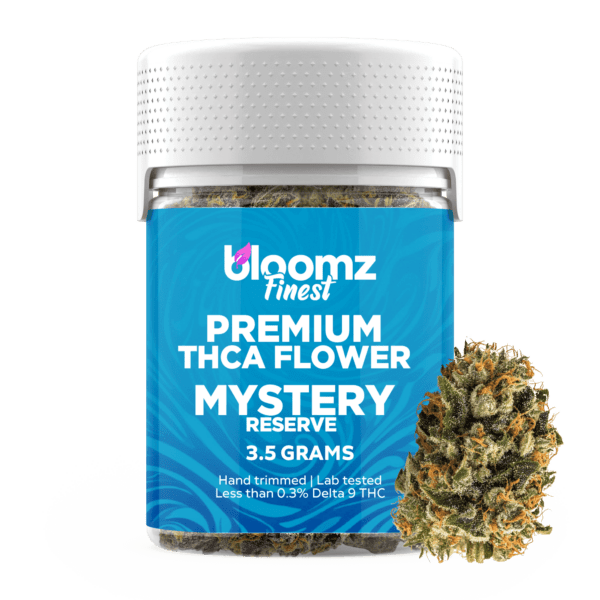
THCA Flower – Mystery Reserve
$41.99$79.99 -
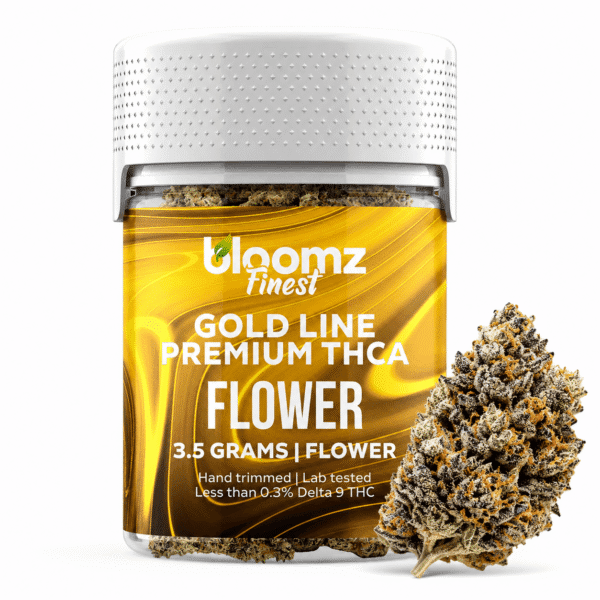
THCA Flower – Exotics – Gold Line
$37.99$89.99 -
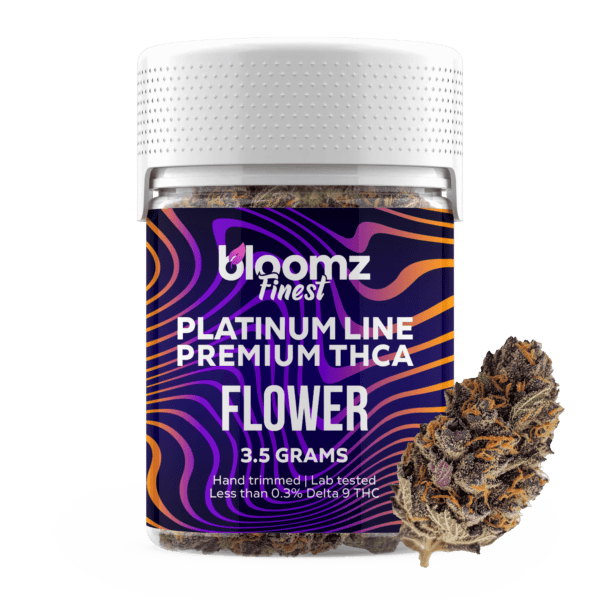
THCA Flower – Platinum Line
$47.99$79.99 -
THCA Smalls
$139.99$256.99
Safety and Consumer Considerations
From a consumer perspective, ethanol-extracted products are considered safe when properly refined and tested.
Look for:
-
Transparent manufacturing processes
-
Residual solvent analysis
-
Clear cannabinoid breakdown
Poorly manufactured extracts may contain impurities, but reputable brands adhere to strict quality standards.
The Future of Ethanol Extraction
As cannabis legalization expands globally, ethanol extraction will likely remain a dominant method for large-scale cannabinoid production.
Advancements in:
- Cryogenic ethanol systems
- Automated solvent recovery
- Precision filtration
- Molecular refinement
are continuing to improve product purity and efficiency.
The method’s balance of safety, scalability, and cost makes it foundational to the industry.
Final Thoughts
Ethanol extraction is one of the most widely used methods for isolating cannabinoids from cannabis and hemp. By using ethyl alcohol as a solvent, producers can efficiently dissolve cannabinoids, refine them, and create a wide range of finished products.
While it requires careful temperature control and post-processing, modern ethanol systems produce high-quality extracts that meet strict regulatory standards.
Understanding ethanol extraction helps consumers make informed decisions about the products they purchase. As cannabis science advances, this method will continue to play a central role in shaping the future of cannabinoid production.
To Buy Cannabis Flower Click Here
Recommended products
-
Exotic THCA Smalls
$169.99$329.99 -
THCA + THC-P Flower
$47.99$89.99 -
THCA Flower
$27.99$79.99 -
THCA Pre-Rolls – 3-Pack/6-Pack
$30.99$59.99