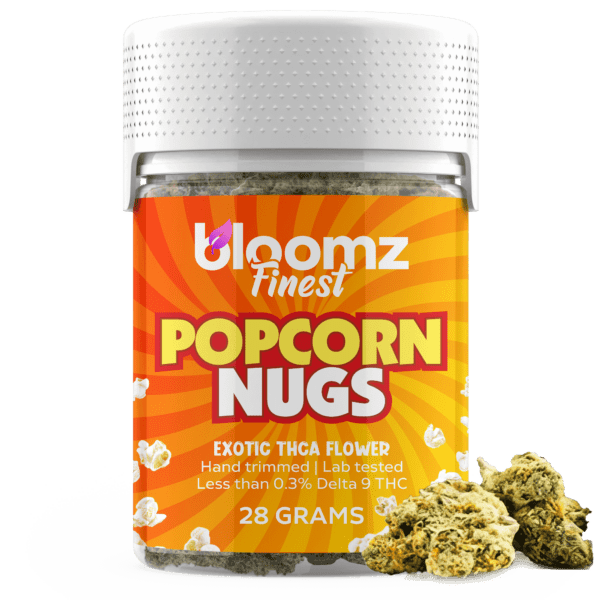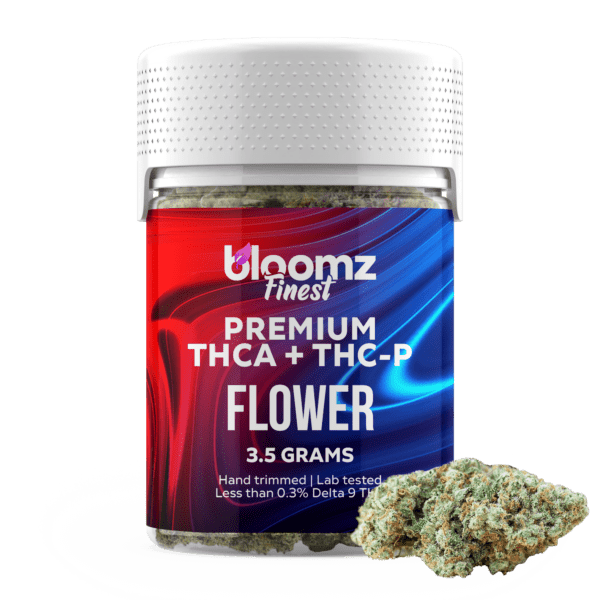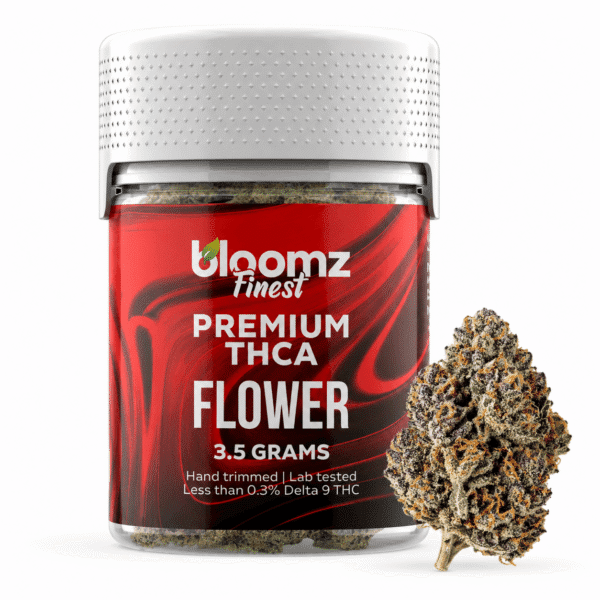

If you’ve ever seen cannabis described as “frosty,” you probably picture buds sparkling under light, coated in shimmering crystals. In dispensaries, on social media, and in product descriptions, frosty weed is often associated with quality, potency, and premium genetics. But what does “frosty” actually mean? Is it just a marketing term, or does it reflect measurable characteristics of the plant?
In this in-depth guide, we’ll break down what frosty weed really is, the science behind its crystal-coated appearance, how trichomes form, what influences frostiness, how growers maximize resin production, how labs measure potency, and whether frosty weed always equals stronger cannabis. By the end, you’ll understand why frostiness is one of the most sought-after visual traits in modern cannabis cultivation.
To Buy Cannabis Flower Click Here
Recommended products
-
Delta 8 THC Flower
$24.99$39.99 -
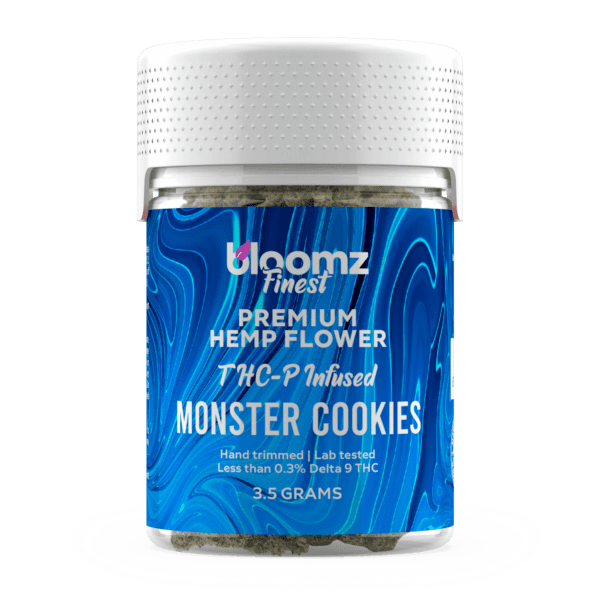
THC-P Flower
$29.99$43.99 -
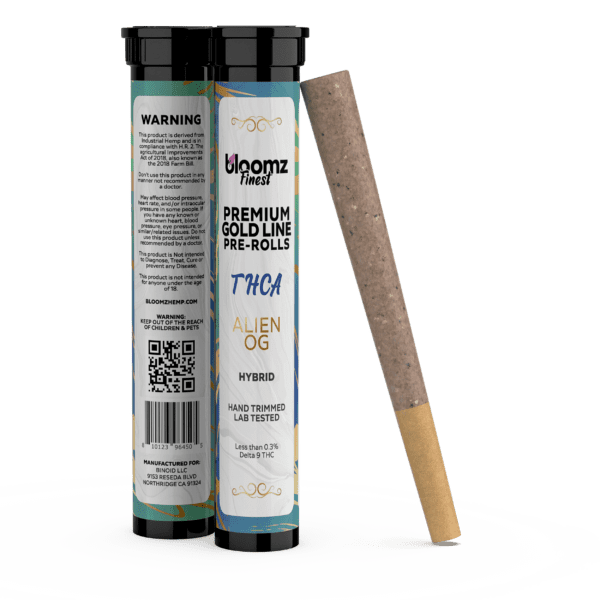
Exotic THCA Pre-Rolls Gold Line – 3-Pack/6 Pack
$36.99$69.99
Defining Frosty Weed
“Frosty weed” is an informal term used to describe cannabis flower that appears heavily coated in trichomes. Trichomes are tiny, glandular resin structures that grow on cannabis flowers and nearby sugar leaves. When densely packed together, they create a sparkling, crystal-like appearance that resembles frost.
The frost you see is not sugar or powder — it is resin. That resin contains:
-
Cannabinoids (like THC and CBD)
-
Terpenes (aromatic compounds)
-
Flavonoids
-
Other secondary plant metabolites
The thicker and more abundant the trichome coverage, the frostier the flower appears.
What Are Trichomes?
To understand frosty weed, you must understand trichomes.
Trichomes are microscopic glandular structures that grow primarily on cannabis flowers. They evolved as a protective mechanism. In nature, trichomes help:
-
Deter insects and pests
-
Protect against UV radiation
-
Reduce environmental stress
-
Shield reproductive organs
There are three main types of cannabis trichomes:
-
Bulbous trichomes – Very small and barely visible.
-
Capitate-sessile trichomes – Slightly larger, found on leaves and stems.
-
Capitate-stalked trichomes – The largest and most resin-rich, primarily found on buds.
The capitate-stalked trichomes are responsible for most of the frostiness and contain the highest concentration of cannabinoids.
The Chemistry Inside the Frost
The “frost” on cannabis is actually concentrated resin. Inside each trichome head is a chemical factory producing cannabinoids and terpenes.
Cannabinoids
Cannabinoids begin in acidic forms such as THCA and CBDA. These compounds convert into THC and CBD through heat in a process called decarboxylation.
The higher the trichome density, the higher the potential cannabinoid concentration — although genetics and cultivation methods still play major roles.
Terpenes
Terpenes give cannabis its aroma and contribute to the overall experience. Frosty weed often has a strong scent because terpene concentration is also housed within trichomes.
Common terpenes include:
-
Myrcene
-
Limonene
-
Caryophyllene
-
Pinene
-
Linalool
When trichomes are abundant, terpene expression is often more pronounced.
Does Frosty Weed Mean Higher Potency?
Frostiness often correlates with potency — but not always.
A thick layer of visible trichomes suggests higher resin production, which can indicate higher THC levels. However, potency ultimately depends on:
-
Genetics
-
Cannabinoid biosynthesis efficiency
-
Harvest timing
-
Post-harvest handling
Some strains may look extremely frosty but test moderately in THC percentage. Others may appear less coated but test very high in potency.
Lab testing using High-Performance Liquid Chromatography (HPLC) determines actual cannabinoid levels, not visual inspection.
Recommended products
-
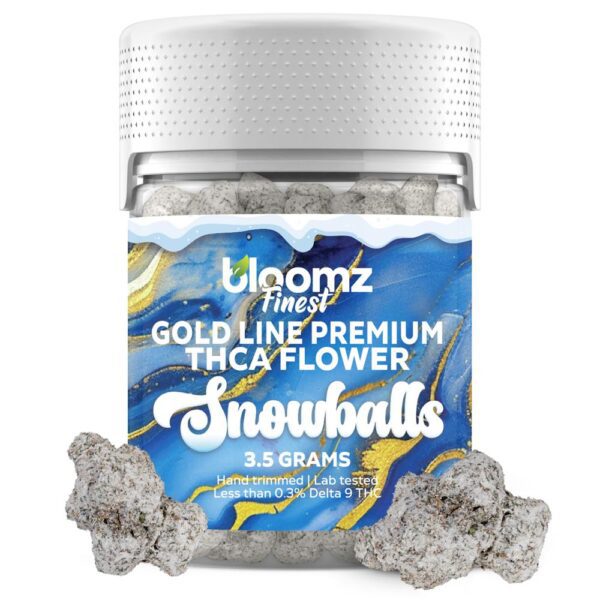
THCA Snowballs – Gold Line
$57.99$89.99 -
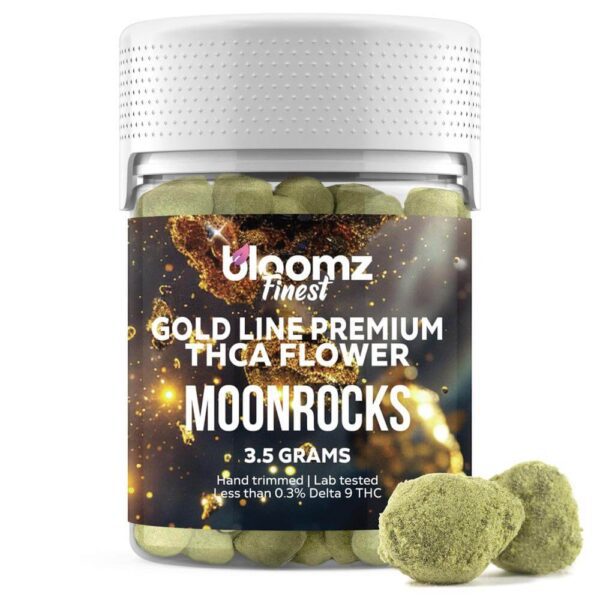
THCA Moonrocks – Gold Line
$57.99$89.99 -
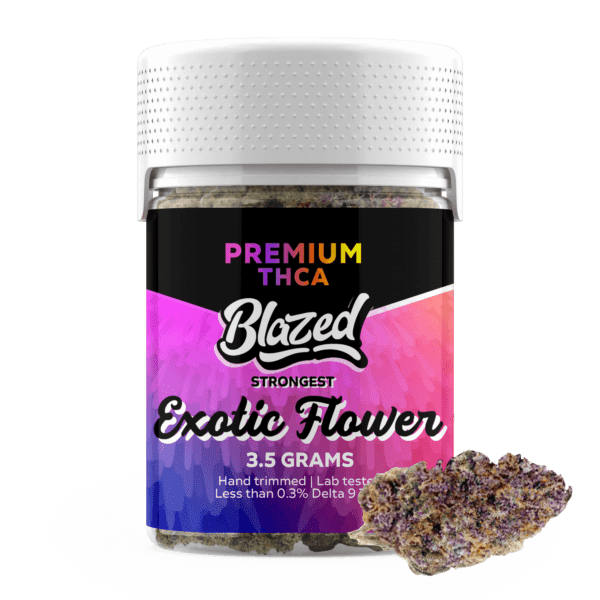
Blazed Exotic THCA Flower
$36.99$79.99 -
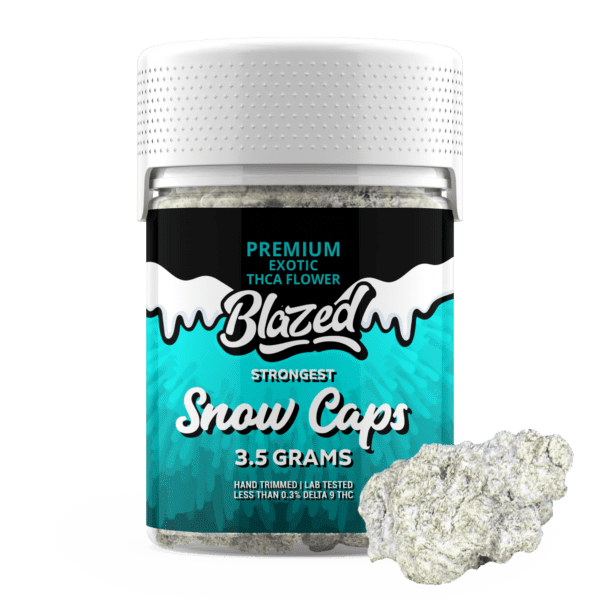
Blazed Strongest Exotic THCA Snow Caps
$58.99$93.99
What Makes Weed Frosty?
Several factors influence how frosty cannabis becomes.
1. Genetics
Genetics are the primary driver of trichome production. Some cultivars are naturally resin-heavy. Modern breeding has heavily selected for high trichome density because consumers associate frostiness with quality.
Strains bred for concentrate production often display extreme trichome coverage.
2. Light Intensity
Light exposure plays a major role in resin development. Higher light intensity, particularly UV-B exposure, may stimulate increased trichome production as a protective response.
Indoor cultivators sometimes use supplemental UV lighting to encourage frostiness.
3. Temperature and Stress
Mild environmental stress can increase resin production. Cooler nighttime temperatures during flowering may enhance color expression and trichome density.
However, excessive stress can harm plant health and reduce yields.
4. Nutrient Management
Balanced nutrients during flowering help support cannabinoid production. Overfeeding or underfeeding can disrupt resin development.
Harvest Timing and Trichome Maturity
Frostiness is not just about quantity — it’s also about trichome maturity.
Under magnification, trichomes change color as they mature:
-
Clear: Underdeveloped, lower cannabinoid concentration
-
Cloudy/milky: Peak THC production
-
Amber: THC begins degrading into CBN
Growers monitor trichome color using microscopes or jewelers’ loupes to determine ideal harvest timing.
Harvesting too early may reduce potency. Harvesting too late may change the cannabinoid profile.
Frosty Weed and Concentrate Production
Trichome-rich flower is highly desirable for concentrate production.
Extraction methods such as:
-
Ice water hash
-
Dry sift
-
Rosin pressing
-
Hydrocarbon extraction
all rely on separating resin glands from plant material.
The frostier the flower, the higher the potential yield of concentrate.
This is why hash makers and solventless producers prioritize trichome density over sheer bud size.
Recommended products
-
Exotic THCA Pre-Rolls Gold Line – 3-Pack/6 Pack
$36.99$69.99 -
THCA Pre-Rolls – 3-Pack/6-Pack
$30.99$59.99
Frosty Weed vs. Sticky Weed
Frostiness and stickiness often go hand in hand, but they are not identical.
Sticky weed indicates high resin content that feels tacky to the touch. Frosty weed refers to visible trichome density.
A strain can appear frosty but feel dry if improperly cured. Conversely, sticky weed may not look extremely frosty but still contain significant resin.
Proper curing preserves both visual frost and resin integrity.
The Role of Proper Curing
After harvest, cannabis must be dried and cured carefully.
Improper curing can:
-
Degrade terpenes
-
Dry out trichomes
-
Cause trichome heads to break off
-
Reduce aroma and flavor
Well-cured frosty weed maintains its sparkle while preserving cannabinoid and terpene content.
Humidity control is critical. Most producers aim for 58–62% relative humidity during curing.
Lab Testing and Frosty Appearance
While frostiness is visually impressive, only lab testing confirms potency and safety.
Third-party labs measure:
-
Total THC
-
Total cannabinoids
-
Terpene content
-
Contaminants
A frosty appearance does not guarantee absence of pesticides, heavy metals, or microbial contamination. Always verify with a Certificate of Analysis (COA).
Marketing and Consumer Perception
In modern cannabis culture, frostiness is often used as a shorthand for premium quality. Social media imagery frequently highlights sparkling buds under bright lighting.
However, visual appeal alone should not define quality. Aroma, flavor, smoothness, terpene profile, and lab results all matter.
Still, frostiness remains a powerful visual indicator of resin production and cultivation care.
Indoor vs. Outdoor Frostiness
Indoor-grown cannabis often appears frostier because environmental conditions are tightly controlled.
Indoor advantages include:
-
Consistent lighting
-
Controlled humidity
-
Precise nutrient management
-
Reduced weather stress
Outdoor cannabis can also become frosty, especially in ideal climates, but environmental variability may affect consistency.
Greenhouse cultivation blends both approaches.
Frosty Weed and Strain Breeding
Modern breeders prioritize trichome density when developing new cultivars. High-resin genetics are selected for:
-
Potency
-
Bag appeal
-
Concentrate yields
-
Terpene intensity
As a result, many contemporary strains appear frostier than older heirloom varieties.
Selective breeding has dramatically increased average cannabinoid content over the past few decades.
Recommended products
-
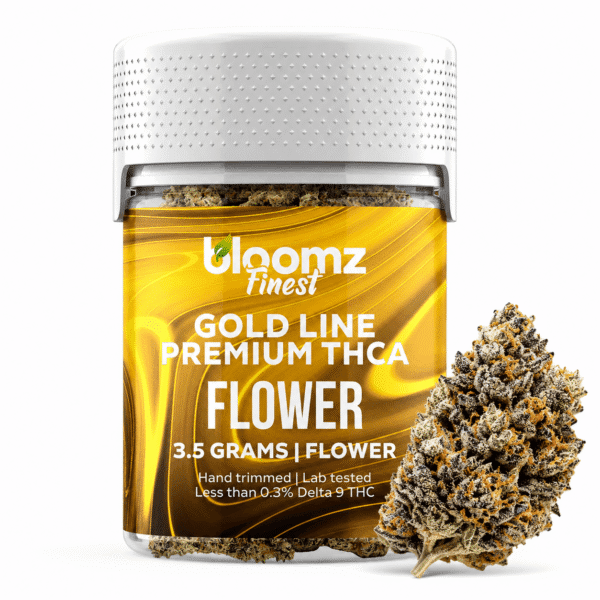
THCA Flower – Exotics – Gold Line
$37.99$89.99 -
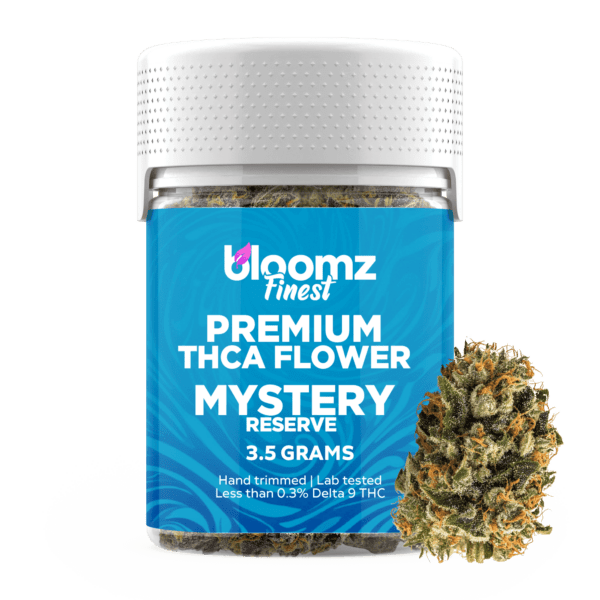
THCA Flower – Mystery Reserve
$41.99$79.99 -
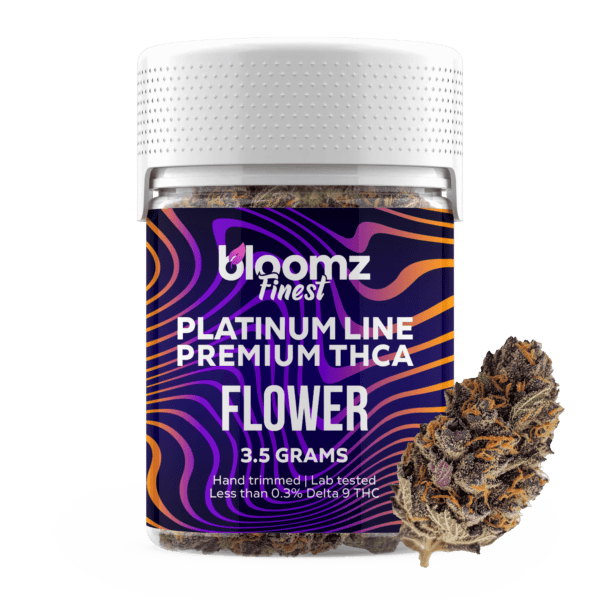
THCA Flower – Platinum Line
$47.99$79.99 -
THCA Smalls
$139.99$256.99
Common Misconceptions
One misconception is that frostiness means the flower has been sprayed or artificially enhanced. While rare unethical practices exist in any industry, natural trichomes are completely organic plant structures.
Another misconception is that frost equals mold. Mold appears fuzzy or web-like, while trichomes look crystalline and uniform.
Under magnification, the difference is clear.
Economic Importance
Frosty weed commands higher market prices. Consumers associate resin coverage with strength and quality.
For growers, maximizing trichome production can increase:
-
Retail value
-
Concentrate yield
-
Brand reputation
Because of this, cultivation strategies increasingly focus on resin optimization.
The Future of Resin-Heavy Cannabis
As legalization expands and research advances, breeders and cultivators continue refining resin production.
Emerging trends include:
-
Precision lighting systems
-
Stress optimization techniques
-
Genetic mapping for cannabinoid expression
-
Advanced post-harvest preservation
Frostiness is likely to remain a defining trait of premium cannabis.
Final Thoughts
Frosty weed refers to cannabis flower that is densely coated in trichomes, giving it a sparkling, crystal-like appearance. These trichomes contain cannabinoids and terpenes, making them the chemical powerhouse of the plant.
While frostiness often correlates with potency and quality, true strength can only be confirmed through lab testing. Genetics, cultivation methods, harvest timing, and curing practices all influence how frosty cannabis becomes.
In today’s cannabis market, frostiness represents more than aesthetics — it reflects resin production, breeding advancement, and consumer demand for high-potency flower.
When evaluating cannabis, admire the frost — but always pair visual appeal with verified lab results and overall product quality.
To Buy Cannabis Flower Click Here
Recommended products
-
Exotic THCA Smalls
$169.99$329.99 -
THCA + THC-P Flower
$47.99$89.99 -
THCA Flower
$27.99$79.99 -
THCA Pre-Rolls – 3-Pack/6-Pack
$30.99$59.99