In cannabis culture, the term “gas weed” has become one of the most recognizable slang expressions, often used by enthusiasts, growers, and connoisseurs alike. At its core, gas weed refers to cannabis that emits a strong, pungent aroma reminiscent of gasoline, diesel, or other fuel-like scents. While the comparison to fuel might initially sound off-putting, within the cannabis community, it is a mark of high-quality, potent, and carefully cultivated flower. Much like other popular terms such as “dank” or “loud,” gas weed is not just about potency; it’s about aroma, flavor, visual appeal, and the overall sensory experience. It’s cannabis that demands attention the moment you open the container, making it instantly recognizable and highly sought after in the market.
The origins of the term “gas” in relation to cannabis can be traced back to street slang that emerged as cannabis culture evolved in the late 20th and early 21st centuries. Originally, words like “dank” or “loud” were used to describe high-quality cannabis with strong aromas. Over time, as breeders began focusing on terpene profiles and unique scent characteristics, the term “gas” came to represent cannabis that specifically carries a sharp, fuel-like aroma. While “gas” might sound casual, it has become a badge of honor in many communities, signaling a strain that is potent, aromatic, and high in terpene content. Cannabis enthusiasts often use it to distinguish premium flower from generic or low-quality options.
To Buy Cannabis Flower Click Here
Recommended products
-
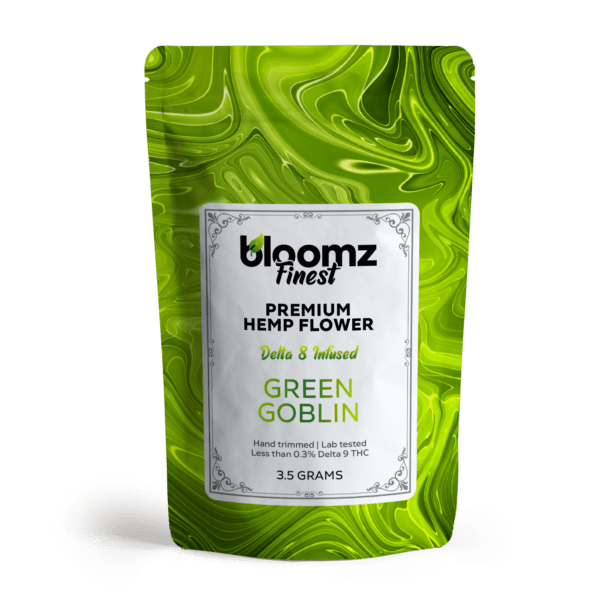
Delta 8 THC Flower
$24.99$39.99 -
THC-P Flower
$29.99$43.99 -
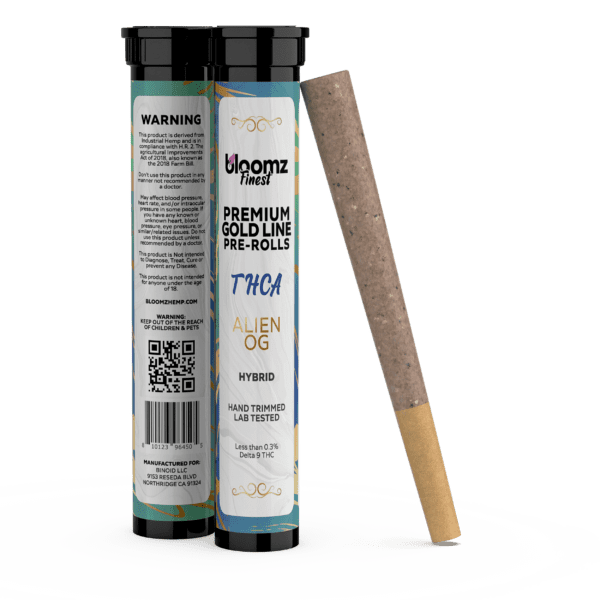
Exotic THCA Pre-Rolls Gold Line – 3-Pack/6 Pack
$36.99$69.99

A key component of what makes gas weed so distinctive is its terpene profile. Terpenes are the aromatic compounds found in cannabis that contribute to smell and taste, as well as influence the overall experience of the plant through the entourage effect. In gas strains, specific terpenes work together to produce the signature fuel-like scent. Myrcene, known for its earthy and musky notes, combines with caryophyllene, which can add spicy or peppery undertones, and limonene, which often gives a subtle citrus edge. When these terpenes are present in high concentrations, they create a layered, pungent aroma that is immediately noticeable. Unlike more subtle strains, gas weed is unmistakable; its smell is sharp, rich, and often lingers in the air long after exposure.
The aroma of gas weed is not just a superficial trait; it is a reflection of the plant’s genetic lineage and cultivation quality. Many gassy strains can trace their roots to diesel hybrids, which were selectively bred to enhance their terpene profiles and create more intense flavors and scents. Over the years, breeders have carefully crossed strains to amplify these gassy characteristics, producing varieties that are more pungent and aromatic than ever before. These strains often carry names that hint at their gassy heritage, such as “Sour Diesel,” “Jet Fuel,” or “Gas Mask,” immediately signaling to consumers that they are in for a bold sensory experience.
Beyond aroma, gas weed is frequently associated with potency. While the term “gas” itself does not guarantee high THC levels, there is often a correlation between strong terpene production and high cannabinoid content in well-grown plants. Many consumers have come to expect gassy strains to deliver a strong, long-lasting effect that is both cerebral and physically engaging. However, it’s important to note that aroma and potency are separate factors: the fuel-like scent is produced primarily by terpenes, whereas THC and other cannabinoid determine psychoactive effects. Nevertheless, gas weed often combines both attributes, offering a potent high alongside a bold sensory profile.
Flavor is another dimension where gas weed excels. When smoked or vaporized, the same terpenes responsible for the fuel-like aroma translate into a sharp, layered taste. Consumers often describe gas strains as having a biting, slightly chemical flavor on the inhale, followed by earthy, spicy, or sweet undertones on the exhale. The complexity of these flavors contributes to a more satisfying and immersive experience, allowing users to appreciate cannabis not just for its effects but for its taste and overall character. This makes gas weed particularly appealing to connoisseurs who value both flavor and aroma in high-quality flower.
Recommended products
-
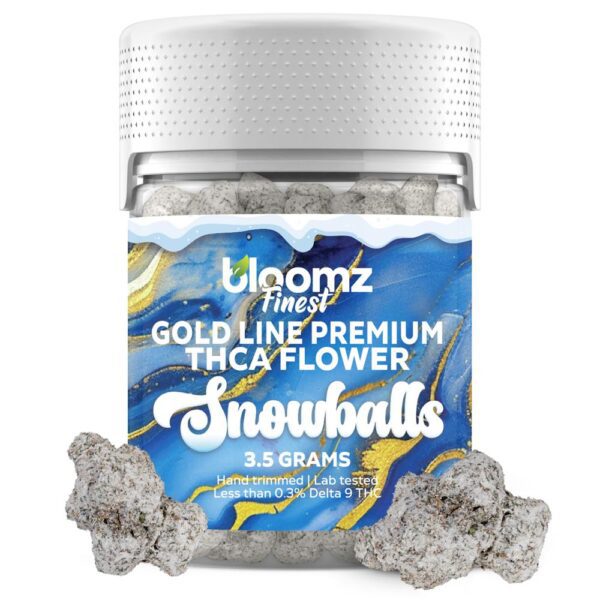
THCA Snowballs – Gold Line
$57.99$89.99 -
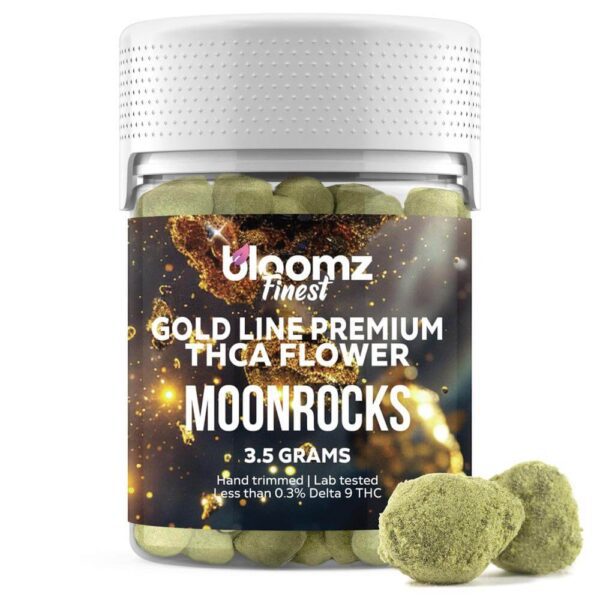
THCA Moonrocks – Gold Line
$57.99$89.99 -
Blazed Strongest Exotic THCA Snow Caps
$58.99$93.99 -
Blazed Exotic THCA Flower
$36.99$79.99
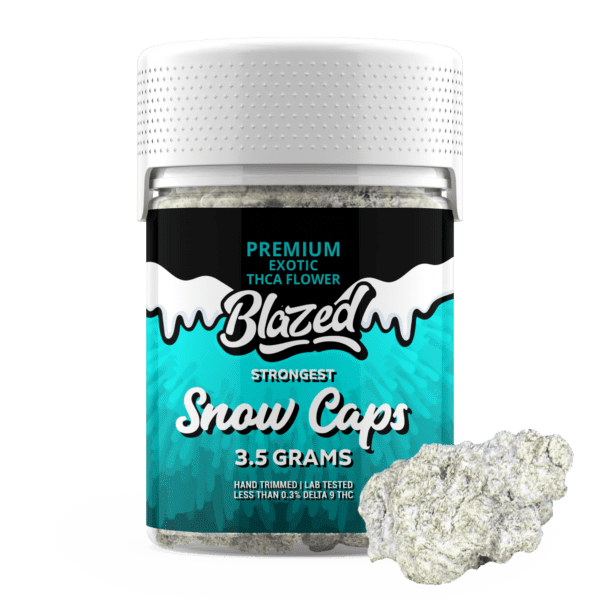
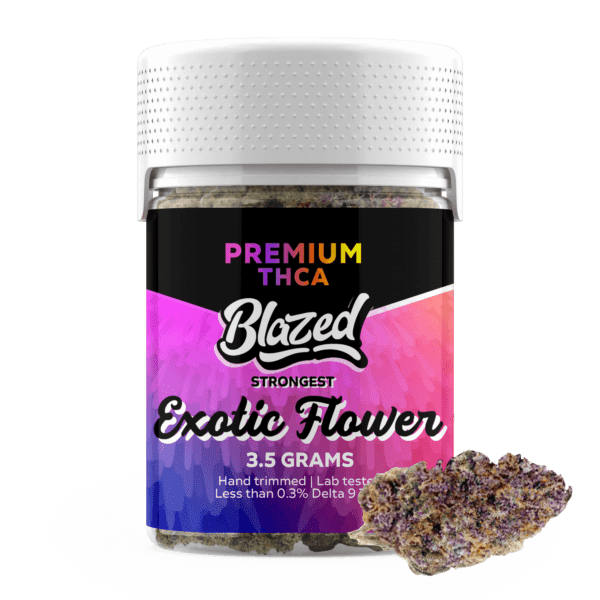
The cultivation process plays a critical role in creating true gas weed. It begins with genetics, as not all strains are capable of producing the pungent, fuel-like aroma that defines gassy cannabis. Growers select parent plants with a history of strong terpene profiles and desirable characteristics, then cross them to amplify these traits. Once planted, the cannabis requires careful attention to environmental factors such as lighting, humidity, temperature, and nutrients. Any misstep during growth can reduce terpene production, dulling the aroma and potentially lowering the overall quality. Precision cultivation is what separates true gas weed from strains that simply carry a mild or faint scent.
Curing is equally important in ensuring the final product lives up to its reputation. After harvest, buds must be dried and stored under controlled conditions to preserve both terpenes and cannabinoids. Proper curing allows the chemical processes within the plant to stabilize, resulting in a richer, more developed aroma and smoother flavor. Poorly cured cannabis may lose its pungent edge, becoming harsh, bland, or muted in scent. For gas weed, a careful cure is essential to maintain that signature fuel-like aroma and ensure that the sensory experience remains consistent.
Visual quality is also a hallmark of gas weed. Premium gassy strains typically feature dense, sticky buds covered in trichomes, the tiny resin glands responsible for producing cannabinoids and terpenes. The trichome coverage gives the buds a frosty appearance and often hints at potency. Colors can vary widely, ranging from deep forest greens to purples accented with bright orange or amber hairs. While visual appeal alone doesn’t confirm a strain is gassy, it often indicates careful cultivation practices that increase the likelihood of a strong terpene profile.
Cultural significance plays a large role in the popularity of gas weed. Among cannabis enthusiasts, gassy strains are seen as a benchmark for quality and sophistication. Possessing or sharing gas weed in a social setting often garners immediate recognition and respect. The pungent aroma, strong flavor, and bold appearance collectively signal that the cannabis is top-tier. This reputation contributes to a sense of status and connoisseurship among users, reinforcing why gassy strains continue to dominate discussions in both recreational and medical cannabis communities.
Despite its appeal, gas weed presents practical challenges, particularly regarding discretion. The potent aroma is difficult to contain, often traveling quickly and lingering on clothing, furniture, and in enclosed spaces. This makes it less suitable for situations requiring subtlety or privacy. Users often rely on airtight containers, specialized jars, or odor-proof storage bags to manage the smell. Even so, the strength of the aroma is part of what makes gas weed desirable; it’s bold and unmistakable, demanding recognition wherever it goes.
Recommended products
-
Exotic THCA Smalls
$169.99$329.99 -
THCA + THC-P Flower
$47.99$89.99 -
THCA Flower
$27.99$79.99 -
THCA Pre-Rolls – 3-Pack/6-Pack
$30.99$59.99

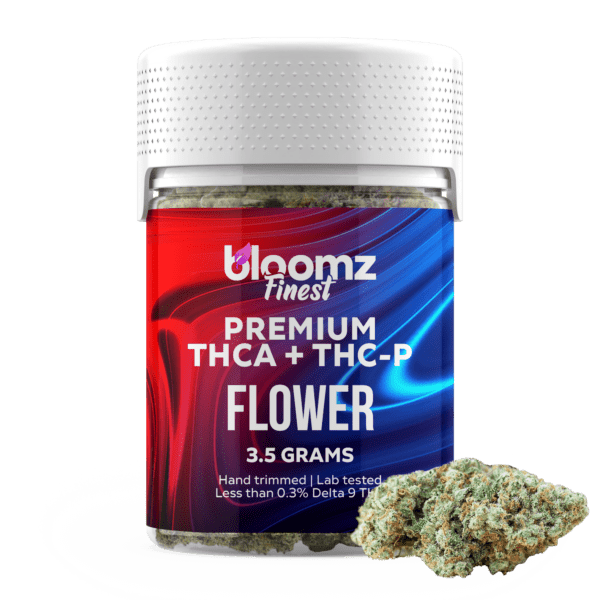
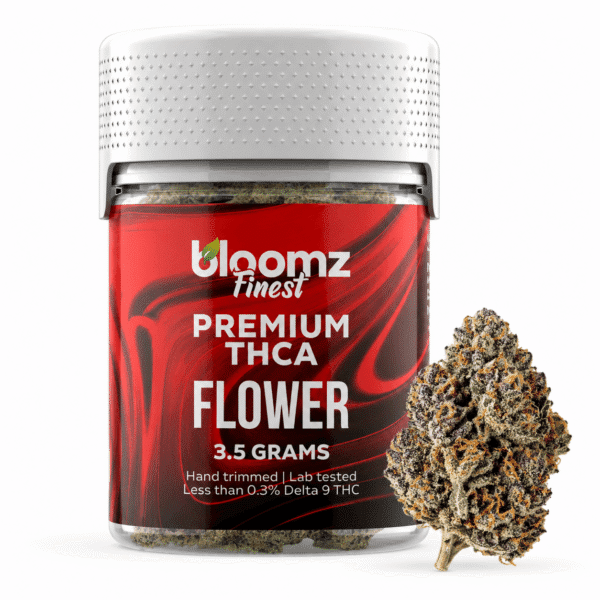
Market demand for gas weed has grown alongside increased consumer education. Today’s cannabis users are not just looking for high THC numbers—they want strains with complex flavors, distinct aromas, and an overall engaging experience. Gas weed meets all these expectations, offering a bold sensory impact that is both memorable and enjoyable. Breeders continue to innovate, creating hybrid strains that push the boundaries of terpene production and intensify the gassy characteristics that consumers crave. In many ways, gas weed has become a category in its own right, representing a combination of aroma, flavor, potency, and cultivation skill.
Personal preference plays a role in how gas weed is perceived. While many users love the sharp, fuel-like scent, others may find it overpowering or less appealing compared to sweeter, fruitier, or more floral strains. This diversity of taste highlights the subjective nature of cannabis experiences and the wide range of options available in the market. Nonetheless, gas weed remains a benchmark for pungency, boldness, and sensory engagement, making it a staple term in modern cannabis vocabulary.
From a practical standpoint, identifying gas weed starts with smell. True gassy strains announce themselves immediately, producing a strong, recognizable scent as soon as a container is opened. Handling the buds often intensifies the aroma, releasing additional layers of terpene-rich fragrance. The sticky texture, vibrant trichomes, and fresh appearance all complement the sensory profile, giving experienced users multiple indicators that the cannabis is high-quality and truly gassy.
Ultimately, gas weed is about intensity and presence. It’s cannabis that demands attention and leaves a lasting impression, not just through potency but through a full sensory experience that includes aroma, flavor, and appearance. From its roots in diesel hybrids to its place in today’s sophisticated market, gas weed represents the pinnacle of terpene-rich cannabis. Whether you are drawn to its fuel-like scent, its flavorful smoke, or the status it conveys in social settings, gas weed remains one of the most recognized and celebrated categories of cannabis.
In simple terms, gas weed is cannabis that smells like fuel, delivers bold flavors, and stands out for its pungent, unmistakable aroma. It is a favorite among those who value intensity, complexity, and the overall sensory experience of high-quality cannabis. As the industry continues to evolve and consumers become more educated, gas weed will remain a benchmark for what premium cannabis should smell, taste, and feel like—a true representation of cultivation skill and genetic excellence.
To Buy Cannabis Flower Click Here
Recommended products
-
THCA Smalls
$139.99$256.99 -
THCA Flower – Exotics – Gold Line
$37.99$89.99 -
THCA Flower – Mystery Reserve
$41.99$79.99 -
THCA Flower – Platinum Line
$47.99$79.99