When people talk about cannabis, the conversation usually revolves around strain names, THC percentages, flavor profiles, or whether something is indica or sativa. But beneath all of that — beneath the aroma, potency, structure, and even the effects — lies something deeper and more fundamental:
Genotype.
Genotype is the genetic foundation of every cannabis plant. It determines what a plant can become long before it sprouts its first leaves. If phenotype is how a plant expresses itself, genotype is the blueprint that makes those expressions possible.
Understanding genotype is essential for growers, breeders, and even consumers who want to understand why cannabis behaves the way it does. In this article, we’ll break down what genotype means, how it works in cannabis, and why it matters more than most people realize.
To Buy Cannabis Flower Click Here
Recommended products
-
Delta 8 THC Flower
$24.99$39.99 -
THC-P Flower
$29.99$43.99 -
Exotic THCA Pre-Rolls Gold Line – 3-Pack/6 Pack
$36.99$69.99


What Does “Genotype” Mean?
In biology, genotype refers to the complete set of genes an organism carries. It is the internal genetic code — the DNA inherited from its parents.
In cannabis, genotype includes:
Genes that control cannabinoid production
Genes that influence terpene synthesis
Genes that determine plant structure
Genes that regulate flowering time
Genes that affect disease resistance
Genes that shape yield potential
Think of genotype as the instruction manual written inside every seed.
It does not guarantee what the plant will look like — but it defines the range of possibilities.
Genotype vs Phenotype: Understanding the Difference
To fully understand genotype, we have to compare it with phenotype.
Genotype = genetic potential
Phenotype = expressed traits
If genotype is the blueprint, phenotype is the building constructed from it.
Two cannabis plants can share the same genotype (for example, clones from the same mother plant) and yet look slightly different due to environmental conditions. However, they cannot exceed the limits set by their genotype.
In simple terms:
Genotype sets the ceiling. Environment influences how close you get to it.
No amount of perfect lighting or nutrients can turn a low-THC genetic line into a 30% THC powerhouse. The genetic potential must already exist.
Where Cannabis Genotype Comes From
Every cannabis seed contains genetic material from two parent plants:
A female plant (which produces the seed)
A male plant (which provides pollen)
Each parent contributes half of the genetic code.
When breeders create a new cross, they are combining two genotypes. The resulting offspring carry a mix of traits from both parents — sometimes predictable, sometimes surprising.
For example, if a breeder crosses:
A high-THC, short, dense plant
withA tall, high-terpene, mold-resistant plant
The offspring may express various combinations of those traits. That combination exists in the genotype before the plant even germinates.
Dominant and Recessive Traits in Cannabis
Like other plants, cannabis follows genetic inheritance patterns.
Some traits are dominant, meaning they are more likely to appear in offspring. Others are recessive, meaning they may only show up if both parents carry the gene.
Examples of traits influenced by dominance and recessiveness:
Purple coloration
Leaf shape
Stretch during flowering
Certain terpene expressions
Cannabinoid ratios
Because cannabis is often highly hybridized, many traits are not controlled by a single gene but by multiple genes working together. This complexity is why breeding can be both art and science.
Hybridization and Genetic Diversity
Modern cannabis is largely made up of polyhybrids — meaning plants that have been crossed over multiple generations.
Unlike ancient landrace varieties that developed naturally in specific regions, most modern strains are genetic blends. Over decades, breeders have crossed plants repeatedly to enhance:
Potency
Flavor
Yield
Appearance
Stability
This mixing increases genetic diversity but also increases unpredictability in seed-grown plants.
That unpredictability is why growers often see variation between plants from the same seed pack — even though they share similar genotypes.
Recommended products
-
THCA Snowballs – Gold Line
$57.99$89.99 -
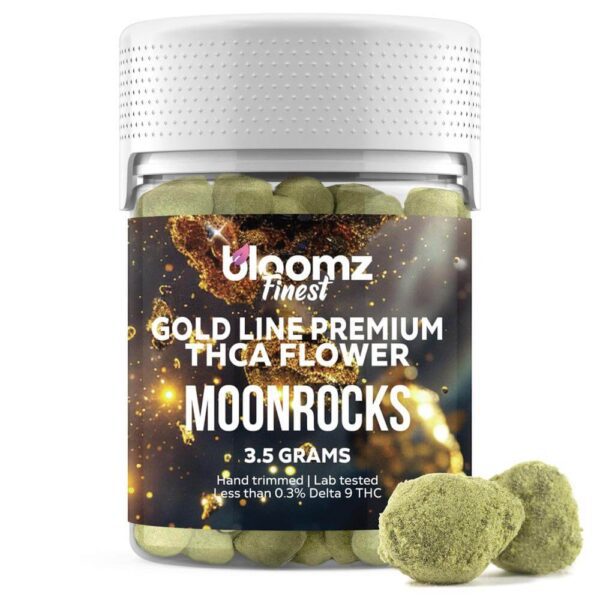
THCA Moonrocks – Gold Line
$57.99$89.99 -
Blazed Exotic THCA Flower
$36.99$79.99 -
Blazed Strongest Exotic THCA Snow Caps
$58.99$93.99



Stabilizing a Genotype
When breeders want consistency, they work to stabilize genetics.
Stabilization is the process of selecting plants with desired traits and breeding them repeatedly until those traits reliably appear in offspring.
This may involve:
Selective breeding over generations
Backcrossing (breeding offspring back to a parent)
Inbreeding to lock in specific characteristics
The goal is to create a stable genotype that produces uniform phenotypes.
Highly stabilized genetics are valuable in commercial cultivation because they reduce variability and increase predictability.
Landrace Genetics and Pure Lines
Before widespread hybridization, cannabis existed in regional varieties often referred to as landraces.
These populations adapted over time to specific environments such as:
Mountainous regions
Tropical climates
Dry desert zones
Because they evolved naturally within geographic isolation, their genotypes were relatively consistent within their region.
Landrace genotypes often carry:
Climate resilience
Unique terpene profiles
Distinct growth patterns
Modern breeders sometimes use landrace genetics to introduce new stability or traits into hybrid lines.
Genotype and Cannabinoid Production
One of the most important genetic roles in cannabis is controlling cannabinoid synthesis.
Specific genes regulate enzymes responsible for producing:
THC
CBD
CBG
Other minor cannabinoids
For example, the balance between THC and CBD production is largely controlled by specific gene variants. A plant genetically coded to produce high CBD will not suddenly become THC-dominant simply because of environmental changes.
Environment can influence how strongly genes express themselves — but it cannot rewrite the genetic instructions.
This is why chemotype classification ultimately traces back to genotype.
Cloning and Genetic Preservation
Cloning is one of the most powerful tools in cannabis cultivation because it preserves genotype exactly.
When you clone a cannabis plant:
You take a cutting from a mother plant
The cutting grows roots
The new plant is genetically identical to the original
This means every clone shares the exact same genotype.
Cloning eliminates genetic variation between plants. However, environmental differences can still cause minor phenotypic changes.
Without cloning, maintaining elite genetics would be nearly impossible.
Genetic Drift and Mutation
Although genotype is relatively stable, small mutations can occur over time.
Genetic drift may happen due to:
Repeated cloning over many years
Stress conditions
Random cellular mutations
Most mutations are minor and harmless. Occasionally, they can create new traits — some beneficial, some undesirable.
Breeders sometimes discover valuable new expressions through spontaneous mutation, though this is rare compared to controlled breeding.
Recommended products
-
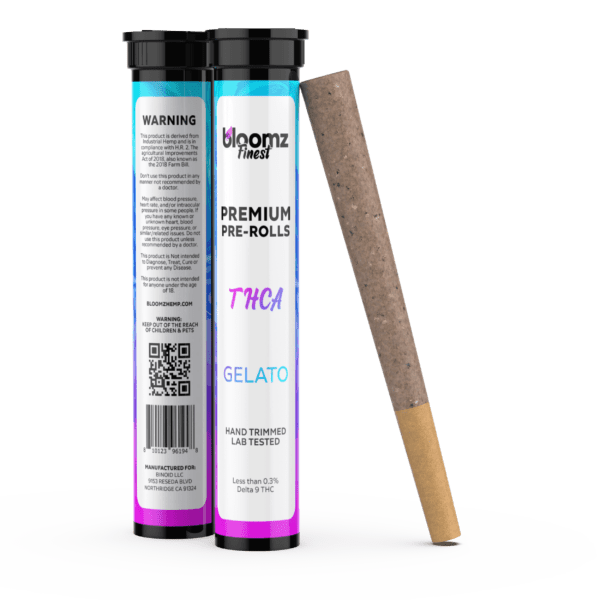
Exotic THCA Pre-Rolls Gold Line – 3-Pack/6 Pack
$36.99$69.99 -
THCA Pre-Rolls – 3-Pack/6-Pack
$30.99$59.99
Genotype and Yield Potential
Every cannabis strain has a genetic yield potential.
Some genotypes are naturally:
High-yielding
Short and compact
Fast flowering
Resin-heavy
Stretchy and tall
Growers can optimize environmental conditions to maximize yield, but they cannot exceed what the genotype allows.
For example:
A fast-finishing genetic line may flower in 8 weeks.
A long-flowering genetic line may require 12–14 weeks.
No lighting adjustment can permanently shorten a genetically long flowering time without altering the genetics themselves.
Genotype in Modern Cannabis Markets
In commercial cannabis production, genotype selection is critical.
Businesses prioritize genetics that offer:
High THC potential
Strong terpene production
Resistance to pests
Predictable growth patterns
Visual appeal
Because consumers often chase potency, breeders have historically focused heavily on high-THC genotypes. However, market trends are shifting toward:
Balanced cannabinoid ratios
Rare terpene profiles
Minor cannabinoid-rich varieties
Genotype selection drives these industry trends.
Why Genotype Matters to Growers
For growers, genotype influences nearly every cultivation decision:
Plant spacing
Nutrient strategy
Training methods
Harvest timing
Expected yield
Understanding the genotype allows growers to anticipate:
Stretch during flowering
Structural support needs
Sensitivity to nutrients
Resistance to mold
Growing without understanding genotype is like building without reading the blueprint.
Why Genotype Matters to Consumers
While consumers do not directly interact with genotype, it shapes their entire experience.
Genotype determines:
Maximum potency range
Possible terpene combinations
Likelihood of certain effects
Overall plant behavior
Two products with different genotypes may share similar THC percentages but feel completely different due to underlying genetic programming.
Understanding genotype helps explain why consistency varies between brands and batches.
Recommended products
-
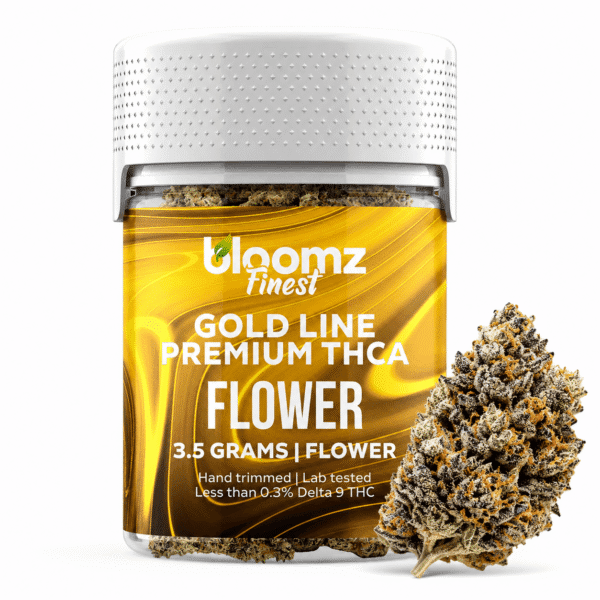
THCA Flower – Exotics – Gold Line
$37.99$89.99 -
THCA Flower – Mystery Reserve
$41.99$79.99 -
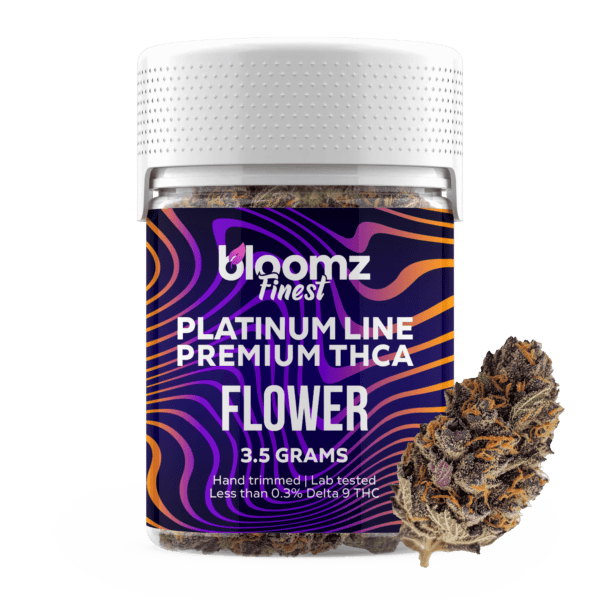
THCA Flower – Platinum Line
$47.99$79.99 -
THCA Smalls
$139.99$256.99


The Relationship Between Genotype, Phenotype, and Chemotype
To summarize the relationship:
Genotype is the genetic code.
Phenotype is how that code expresses physically.
Chemotype is the chemical result of that expression.
They are connected in a chain:
Genotype → Phenotype → Chemotype → User Experience
Everything begins at the genetic level.
Without genotype, nothing else exists.
Common Misconceptions About Genotype
Myth 1: High THC Comes From Good Growing Alone
While good cultivation maximizes expression, THC potential is genetically limited.
Myth 2: All Seeds of a Strain Are Identical
Seeds share similar genetic backgrounds but contain variations in gene combinations.
Myth 3: Environment Can Override Genetics
Environment influences expression but cannot fundamentally change a plant’s genetic code.
Final Thoughts: Genotype Is the Foundation of Cannabis
Cannabis may look, smell, and feel complex — but at its core, it is governed by genetics.
Genotype is the invisible architecture of the plant. It determines what traits are possible, what limits exist, and what qualities can be selected, refined, or stabilized through breeding.
Growers manipulate environment.
Breeders manipulate genetics.
Consumers experience the results.
But everything starts with genotype.
The next time you hear about a new strain, a rare terpene profile, or an ultra-high potency flower, remember — before it was marketed, harvested, or tested in a lab, it existed first as a genetic possibility inside a seed.
And that possibility is genotype.
To Buy Cannabis Flower Click Here
Recommended products
-
Exotic THCA Smalls
$169.99$329.99 -
THCA + THC-P Flower
$47.99$89.99 -
THCA Flower
$27.99$79.99 -
THCA Pre-Rolls – 3-Pack/6-Pack
$30.99$59.99