Cannabis has a wide spectrum of effects, ranging from relaxing physical sensations to stimulating mental experiences. Among these, a head high refers to the cerebral, cognitive, and psychological effects that occur primarily in the brain rather than in the body. Unlike a body high, which focuses on muscle relaxation and physical heaviness, a head high is experienced “above the shoulders” and is often associated with euphoria, enhanced creativity, altered perception, and increased mental energy.
Understanding a head high requires examining several factors: cannabinoid chemistry, terpene profiles, consumption methods, dosage, tolerance, neurobiology, and the legal and safety frameworks that govern cannabis use. This article fully explores the concept of a head high in detail, offering insights for both recreational and medicinal consumers.
To Buy Cannabis Flower Click Here
Recommended products
-
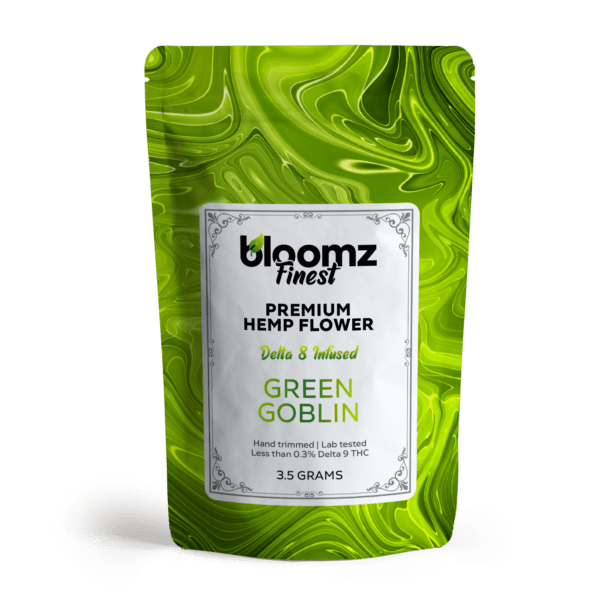
Delta 8 THC Flower
$24.99$39.99 -
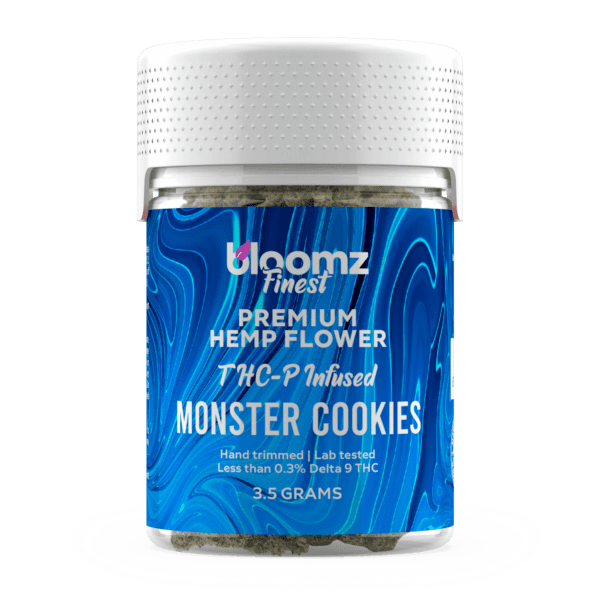
THC-P Flower
$29.99$43.99 -
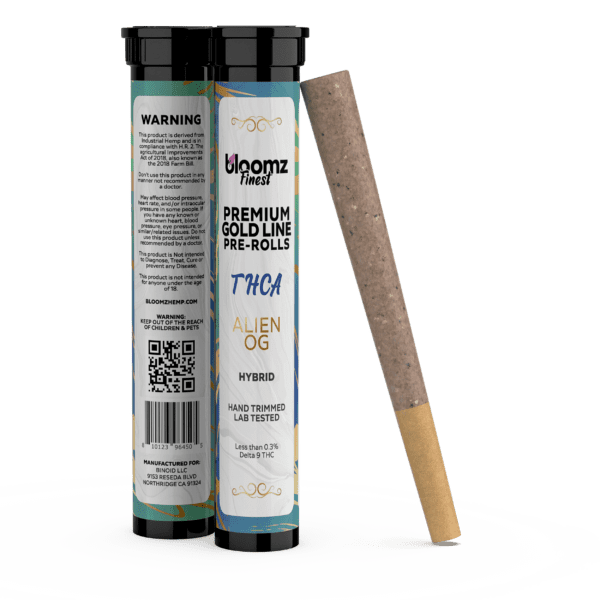
Exotic THCA Pre-Rolls Gold Line – 3-Pack/6 Pack
$36.99$69.99
Defining a Head High
A head high is primarily psychological and cognitive, characterized by the following sensations:
-
Euphoria: A sense of happiness or elation.
-
Mental stimulation: Heightened awareness, faster thought processing, or alertness.
-
Creativity and imagination: A more fluid thought pattern, often linked with brainstorming, artistic expression, or problem-solving.
-
Altered perception: Changes in how time, sound, taste, and visuals are perceived.
-
Enhanced sensory input: Colors may appear brighter, music more immersive, and tactile sensations more pronounced.
While head highs are typically uplifting, at high doses they can become intense, producing anxiety, paranoia, or racing thoughts. The experience depends on the combination of cannabinoids, terpenes, dose, tolerance, and the consumer’s environment.
Head High vs. Body High
Cannabis experiences are often categorized as either head high or body high, though hybrid strains frequently produce a combination.
|
Feature |
Head High |
Body High |
|
Primary effect |
Cognitive, mental stimulation |
Physical, relaxation, heaviness |
|
Mood |
Euphoria, creativity |
Calm, sedated, grounded |
|
Energy |
Can be energizing |
Sedating or lethargic |
|
Sensation |
Altered perception, heightened senses |
Muscle relaxation, tension release |
|
Use case |
Daytime, social, creative work |
Evening, relaxation, sleep |
The distinction is important because it guides consumers in selecting strains that align with their desired outcomes. Understanding chemical contributors to a head high is essential to this process.
The Endocannabinoid System (ECS)
The endocannabinoid system (ECS) is a complex signaling network that regulates numerous physiological and neurological processes:
-
Mood and emotion
-
Memory and learning
-
Appetite and digestion
-
Pain perception
-
Sleep cycles
-
Immune responses
The ECS operates through receptors, enzymes, and endogenous cannabinoids (endocannabinoids). Two primary receptors are central to understanding a head high:
-
CB1 receptors: Located mainly in the central nervous system, including the brain. Responsible for cognitive and psychoactive effects.
-
CB2 receptors: Located mostly in peripheral tissues, including immune cells, affecting inflammation and pain.
A head high occurs when THC (delta-9-tetrahydrocannabinol) binds to CB1 receptors, altering neurotransmitter release and changing the brain’s perception of stimuli.
THC and the Science of Psychoactivity
Delta-9 THC is the main psychoactive compound in cannabis and the primary driver of head highs.
-
Inhalation: When smoked or vaped, THC enters the bloodstream via the lungs and crosses the blood-brain barrier within minutes.
-
Edibles: THC is metabolized by the liver into 11-hydroxy-THC, a potent metabolite that crosses the brain barrier more efficiently, often producing stronger and longer-lasting cerebral effects.
THC binds to CB1 receptors in regions such as:
-
Prefrontal cortex: Decision-making and personality expression.
-
Hippocampus: Memory formation and spatial navigation.
-
Amygdala: Emotional processing.
-
Basal ganglia: Coordination and motor control.
Activation of these regions produces euphoria, heightened cognition, and altered perception, which are the hallmark traits of a head high.
Neurotransmitters and Cognitive Effects
A head high involves changes in several neurotransmitters:
Dopamine
-
Associated with reward and pleasure.
-
THC increases dopamine release, contributing to euphoria and motivation.
Glutamate
-
Involved in learning, memory, and synaptic plasticity.
-
THC can modulate glutamate signaling, enhancing creativity and divergent thinking.
GABA
-
The primary inhibitory neurotransmitter.
-
THC may reduce GABA activity in specific areas, leading to less neural inhibition and more fluid thought patterns.
Serotonin
-
Plays a role in mood regulation.
-
THC’s effect on serotonin is indirect but may contribute to anxiety reduction or mood elevation in moderate doses.
These interactions explain why head highs are mentally stimulating and often euphoric.
Recommended products
-
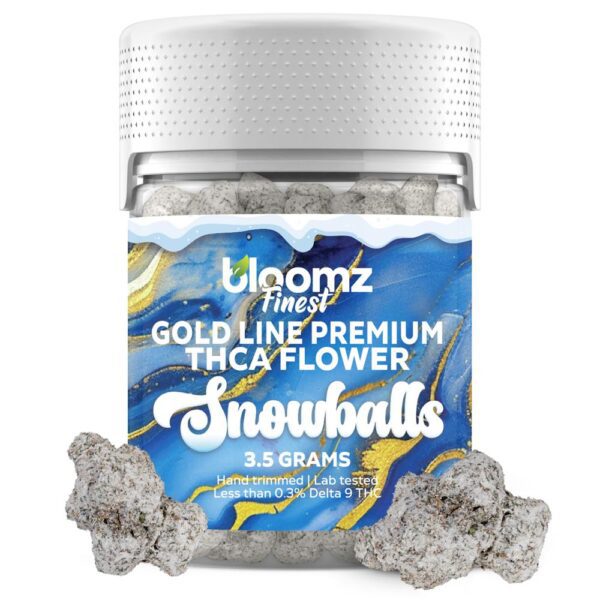
THCA Snowballs – Gold Line
$57.99$89.99 -
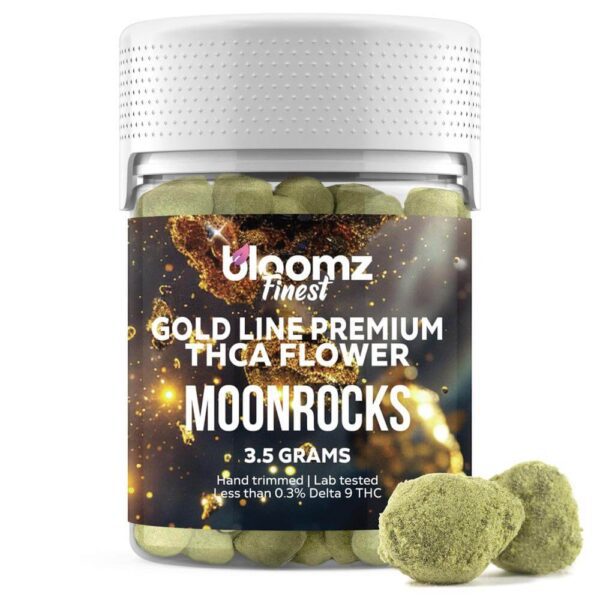
THCA Moonrocks – Gold Line
$57.99$89.99 -
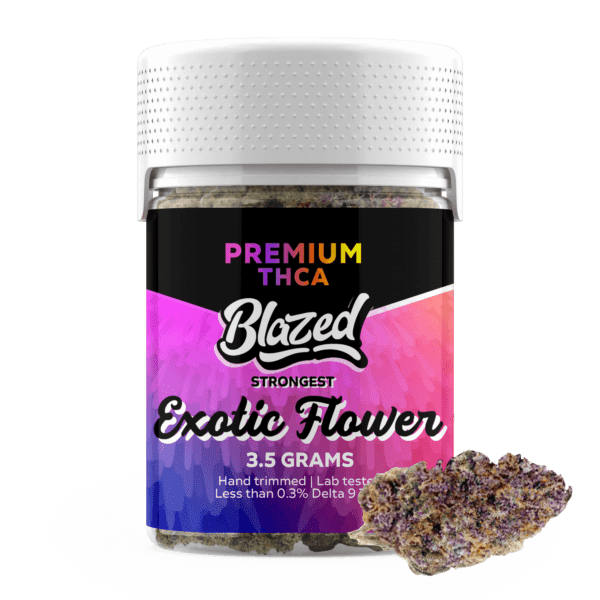
Blazed Exotic THCA Flower
$36.99$79.99 -
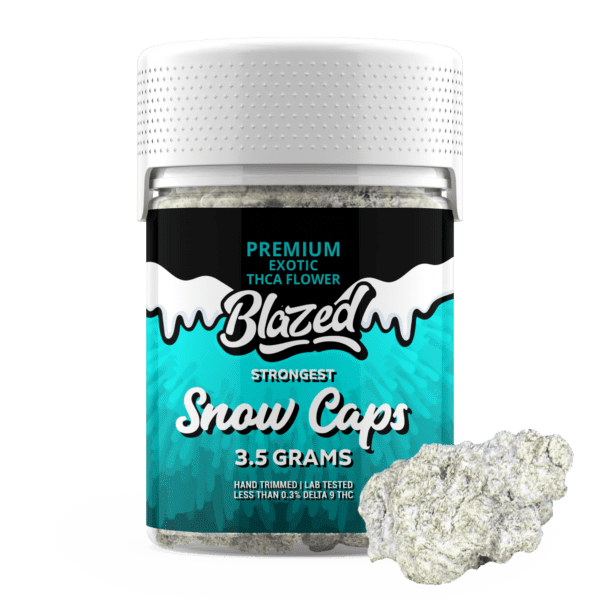
Blazed Strongest Exotic THCA Snow Caps
$58.99$93.99
Terpenes and the Entourage Effect
Terpenes are aromatic compounds in cannabis that influence the character and intensity of a high. They interact with cannabinoids through the entourage effect, potentially enhancing or modulating psychoactive effects.
Terpenes Linked to Head Highs
-
Limonene: Citrus aroma; associated with uplifting and energizing effects.
-
Pinene: Pine scent; linked to alertness and mental clarity.
-
Terpinolene: Herbal, sweet; may stimulate creativity.
-
Ocimene: Sweet, woody; can produce a euphoric and cerebral sensation.
While scientific validation is ongoing, many consumers report head highs are amplified in strains with these terpenes.
Sativa and Head High
Historically, sativa-dominant strains have been linked to cerebral or head-focused effects:
-
Energizing
-
Creative
-
Socially engaging
-
Daytime-friendly
Modern hybrids blur the indica vs. sativa distinction, making chemical composition (cannabinoids and terpenes) a more reliable predictor of effects than strain labels alone.
Sensory Enhancement
A hallmark of head highs is heightened sensory perception:
-
Music may feel more immersive
-
Visual colors may appear brighter
-
Taste and aroma may be more intense
-
Touch may feel amplified
These effects occur because THC modulates how sensory signals are processed and integrated by the brain.
Creativity and Divergent Thinking
Many seek head highs to enhance creativity. Users often report:
-
New ideas and innovative problem-solving
-
Rapid connections between abstract concepts
-
Heightened imaginative thinking
-
Reduced mental inhibition
Low to moderate doses typically promote productivity, while very high doses may scatter thought processes.
Time Perception Alteration
THC can significantly affect time perception:
-
Time may feel slower or faster
-
Experiences such as watching a movie may feel extended
-
Music may appear longer or more immersive
Time distortion is caused by THC’s influence on the basal ganglia and cerebellum, which are involved in temporal processing.
Dosage and Intensity
The intensity of a head high is dose-dependent:
-
Low doses: Mild euphoria, increased focus, light sensory enhancement
-
Moderate doses: Strong creativity, noticeable perceptual changes, elevated mood
-
High doses: Racing thoughts, anxiety, paranoia, difficulty concentrating
Responsible dosing is critical, especially for inexperienced users or when using high-potency products.
Tolerance and Adaptation
Regular cannabis use leads to tolerance:
-
CB1 receptors become less sensitive
-
Receptor density may decrease
-
Neurotransmitter signaling adapts
Tolerance reduces the intensity of head highs, requiring larger doses to achieve similar effects. Taking a tolerance break can restore sensitivity.
Head High and Anxiety
While moderate head highs can enhance mood, high doses may induce:
-
Anxiety or panic
-
Racing thoughts
-
Paranoia
-
Physical signs such as rapid heart rate
CBD may help modulate THC effects in some individuals.
Recommended products
-
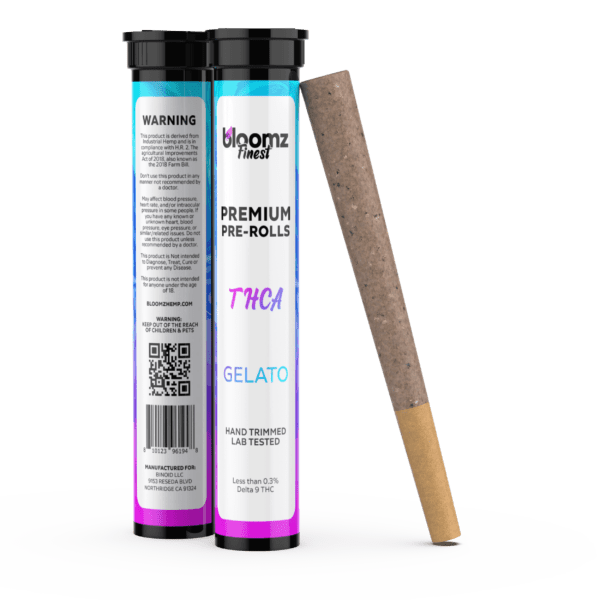
Exotic THCA Pre-Rolls Gold Line – 3-Pack/6 Pack
$36.99$69.99 -
THCA Pre-Rolls – 3-Pack/6-Pack
$30.99$59.99
Consumption Methods and Head High
Smoking or Vaping
-
Rapid onset (minutes)
-
Shorter duration (2–3 hours)
-
Easier to titrate dosage
Edibles
-
Slower onset (30–120 minutes)
-
Longer duration (4–8+ hours)
-
Often stronger cerebral effects due to 11-hydroxy-THC metabolite
Concentrates
-
Higher potency
-
Rapid and intense head highs
-
Requires careful dose control
Hemp-Derived Cannabinoids
Hemp-derived cannabinoids such as Delta-8 THC or THC analogs may also produce head-focused effects, though potency varies. Consumers should always verify product lab testing and legal compliance under the Agriculture Improvement Act of 2018.
Productivity and Social Use
Head highs are often sought for:
-
Creative projects
-
Social engagement
-
Brainstorming sessions
-
Light activity or exploration
Productivity depends on dose, environment, and individual response.
Safety and Responsible Use
Head highs can impair:
-
Short-term memory
-
Reaction time
-
Coordination
-
Decision-making
Tips for safe use:
-
Start with low doses
-
Avoid mixing with alcohol
-
Stay hydrated
-
Use in comfortable environments
Legal Considerations
While recreational and medical cannabis is legal in many states, THC remains federally illegal under the Controlled Substances Act. Users should understand local regulations and age restrictions to avoid legal risk.
Managing Overwhelming Head Highs
If a head high becomes intense:
-
Move to a calm, safe environment
-
Focus on slow breathing
-
Drink water
-
Eat light snacks
-
Remind yourself the effects are temporary
Effects from inhaled products typically subside within a few hours; edibles can last longer.
Emerging Research
Scientific exploration continues into:
-
THC’s impact on neural connectivity
-
Long-term cognitive effects
-
Interaction between cannabinoids
-
The role of terpenes in psychoactive experiences
Future research may clarify how to reliably produce specific head high experiences.
Recommended products
-
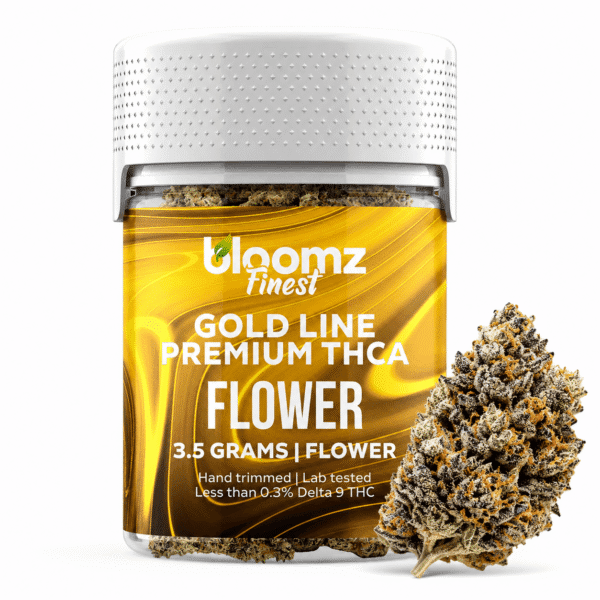
THCA Flower – Exotics – Gold Line
$37.99$89.99 -
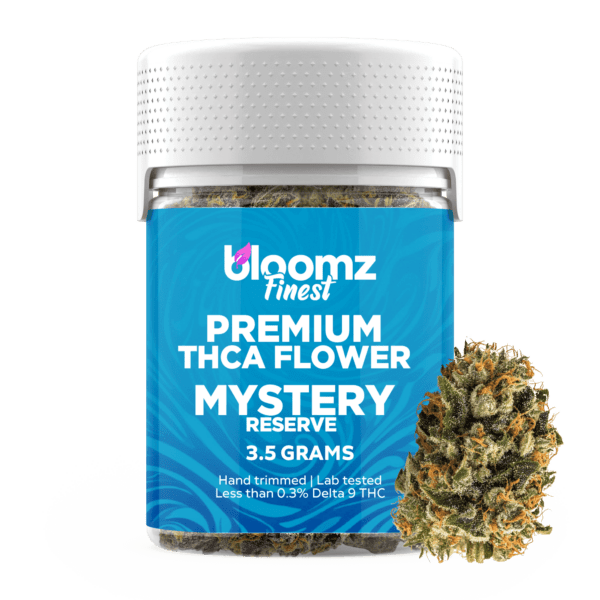
THCA Flower – Mystery Reserve
$41.99$79.99 -
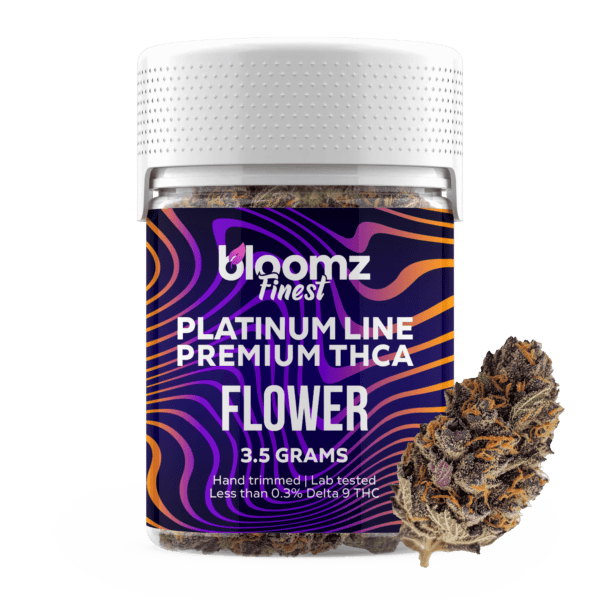
THCA Flower – Platinum Line
$47.99$79.99 -
THCA Smalls
$139.99$256.99
FAQs About Head Highs
Q: Can a head high cause anxiety?
A: Yes, high doses of THC or certain strains can trigger anxiety in sensitive individuals. Low doses or balanced CBD strains may reduce this risk.
Q: How long does a head high last?
A: Smoking or vaping: 2–3 hours. Edibles: 4–8 hours or more. Concentrates may vary depending on potency.
Q: Are head highs safe?
A: Generally, yes for healthy adults. Caution is advised with driving, operating machinery, or mixing with other substances.
Q: Can tolerance affect head highs?
A: Yes, frequent users often experience reduced intensity. Breaks or rotating strains can restore sensitivity.
Conclusion
A head high is a cannabis experience centered on mental and cognitive effects rather than physical relaxation. It includes euphoria, altered perception, creativity, time distortion, and enhanced sensory awareness.
Driven by THC binding to CB1 receptors and influenced by terpenes, dosage, tolerance, and consumption method, head highs offer a cerebral experience that contrasts with the physically oriented body high. Understanding the mechanisms, risks, and optimal conditions allows consumers to use cannabis responsibly and achieve desired mental effects.
As research and regulation progress, head highs will continue to be better understood, making the experience more predictable, enjoyable, and safe for consumers.
To Buy Cannabis Flower Click Here
Recommended products
-
Exotic THCA Smalls
$169.99$329.99 -
THCA + THC-P Flower
$47.99$89.99 -
THCA Flower
$27.99$79.99 -
THCA Pre-Rolls – 3-Pack/6-Pack
$30.99$59.99