As cannabis science continues to expand, researchers and consumers alike are paying closer attention to the aromatic compounds that contribute to the plant’s distinctive scent, flavor, and potential effects. Among these compounds are terpenes, a class of organic molecules found in many plants, including cannabis. One terpene that frequently appears in cannabis terpene profiles is humulene.
Humulene is known for its earthy, woody, and slightly spicy aroma. It is also notable for being found in several plants besides cannabis, including hops, the plant used to flavor beer. Because of its presence in hops, humulene has long been studied in food science, botany, and pharmacology. In cannabis, humulene contributes to the complex terpene profiles that distinguish one strain from another.
Understanding humulene requires exploring how terpenes function in plants, how they influence cannabis aroma and flavor, and how they interact with cannabinoids and the human body. In this article, we will examine what humulene is, where it comes from, how it appears in cannabis, and why it has become an important topic in cannabis education.
To Buy Cannabis Flower Click Here
Recommended products
-
Delta 8 THC Flower
$24.99$39.99 -
THC-P Flower
$29.99$43.99 -
Exotic THCA Pre-Rolls Gold Line – 3-Pack/6 Pack
$36.99$69.99

Understanding Terpenes in Cannabis
To understand humulene, it is helpful to first understand terpenes more broadly. Terpenes are aromatic compounds produced by many plants as part of their natural defense systems. These compounds are responsible for the scents of flowers, fruits, herbs, and trees.
In cannabis plants, terpenes are produced in the same resin glands that generate cannabinoids. These glands are called trichomes, which appear as tiny crystal-like structures on the surface of cannabis flowers.
Terpenes serve several purposes in plants. They can help repel insects, attract pollinators, protect against environmental stress, and communicate with other organisms in the surrounding ecosystem.
In cannabis, terpenes contribute significantly to the aroma and flavor of the plant. They are responsible for the citrus, pine, floral, earthy, and spicy scents that distinguish different cannabis strains.
Humulene is one of the many terpenes that contribute to these aromatic profiles.
What Is Humulene?
Humulene, sometimes referred to as alpha-humulene, is a naturally occurring terpene found in a variety of plants. It is classified as a sesquiterpene, which means it contains three isoprene units and has a relatively large molecular structure compared to some other terpenes.
This terpene was first identified in hops, the flowering plant used in beer brewing. In fact, the name humulene comes from the scientific name of the hops plant, Humulus lupulus.
Because hops and cannabis are botanically related, they share several aromatic compounds, including humulene. This connection helps explain why certain cannabis strains may have slightly “hoppy” or herbal aromas.
Humulene has a distinctive scent that is often described as earthy, woody, herbal, and slightly spicy. In some cases, it may also carry subtle notes reminiscent of hops or herbs.
Plants That Contain Humulene
Although humulene is commonly discussed in cannabis education, it appears in many different plant species. These plants produce humulene as part of their natural terpene profile.
Some well-known plants that contain humulene include:
• Hops
• Cannabis
• Sage
• Cloves
• Basil
• Ginseng
• Black pepper
The presence of humulene in these plants contributes to their distinctive aromas. For example, hops used in brewing beer often contain significant amounts of humulene, which contributes to the earthy and herbal character of certain beer varieties.
Because humulene is found across multiple plant species, it has been studied in fields such as botany, food science, and pharmacology.
Humulene in Cannabis Terpene Profiles
In cannabis plants, humulene appears as one of many terpenes that form the plant’s aromatic profile. Each cannabis strain produces its own unique combination of terpenes, which gives it a distinctive scent and flavor.
Some cannabis strains contain relatively high levels of humulene, which can contribute to herbal, earthy, or slightly spicy aromas.
Humulene is often found alongside other terpenes such as caryophyllene, myrcene, and pinene. These combinations create layered terpene profiles that influence how cannabis smells and tastes.
While humulene may not always be the dominant terpene in a strain, it can still play an important supporting role in shaping the plant’s overall aroma.
Recommended products
-
THCA Snowballs – Gold Line
$57.99$89.99 -
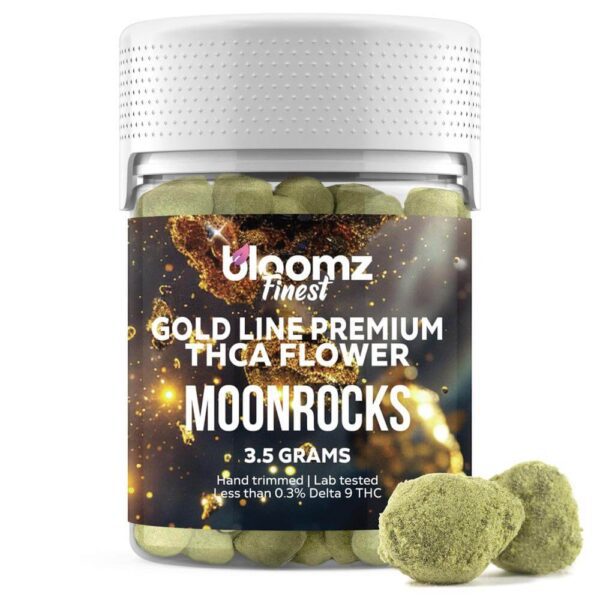
THCA Moonrocks – Gold Line
$57.99$89.99 -
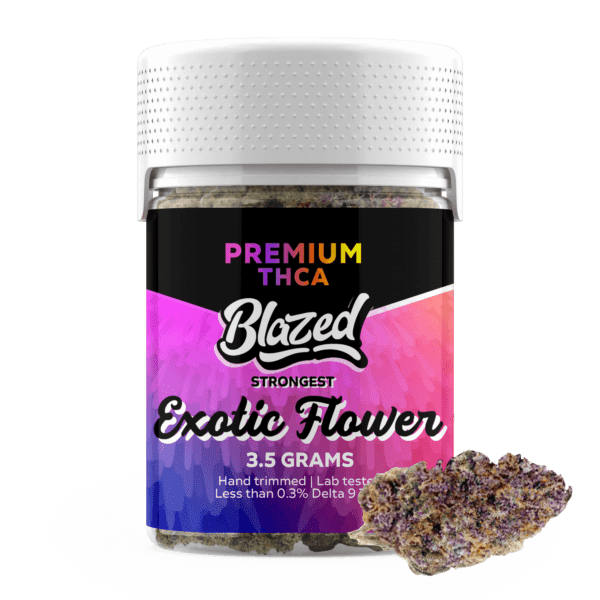
Blazed Exotic THCA Flower
$36.99$79.99 -
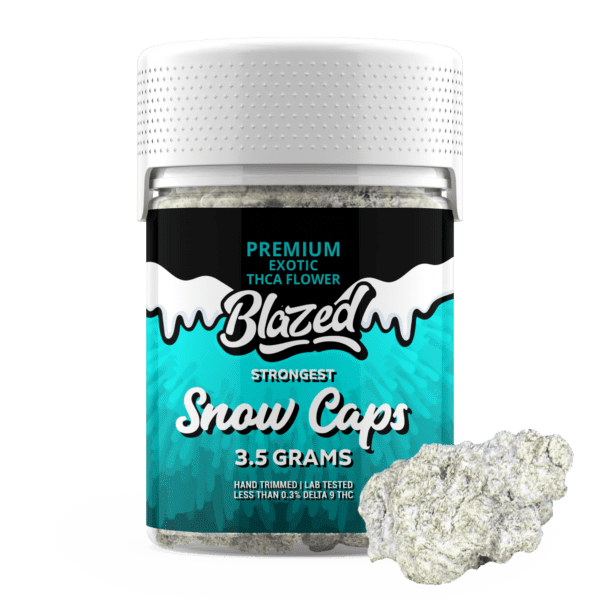
Blazed Strongest Exotic THCA Snow Caps
$58.99$93.99
Aroma and Flavor Characteristics
The sensory profile of humulene is one of the main reasons it receives attention in cannabis discussions.
Humulene is often described as having:
• Earthy aromas
• Woody notes
• Herbal or green scents
• Subtle spice
• Slightly hoppy characteristics
These characteristics can add depth to cannabis terpene profiles, especially in strains that emphasize natural, herbal aromas.
When cannabis containing humulene is vaporized or smoked, the terpene may contribute to a smooth, slightly earthy flavor. These flavor characteristics may remind some people of herbs or freshly cut plants.
Because aroma and flavor are central parts of the cannabis experience, terpenes like humulene are often highlighted in strain descriptions and product labels.
Humulene and the Entourage Effect
One concept frequently discussed in cannabis science is the entourage effect. This theory suggests that cannabinoids and terpenes interact with one another in ways that influence the overall effects of cannabis.
Rather than acting independently, these compounds may work together to shape the experience produced by a cannabis products.
For example, THC is responsible for the primary psychoactive effects of cannabis. However, terpenes may influence how those effects are perceived by altering the way cannabinoids interact with the body’s receptors.
Humulene is one of the terpenes believed to participate in these interactions. Although research is ongoing, scientists continue studying how terpene combinations affect cannabis experiences.
Understanding terpene interactions is an important area of cannabis research.
Humulene and the Endocannabinoid System
Cannabinoids interact directly with the body’s endocannabinoid system, a network of receptors involved in regulating mood, appetite, sleep, and other physiological processes.
Terpenes do not bind to cannabinoid receptors in the same way that cannabinoids do. However, they may still influence the body through other biological pathways.
Some research suggests that certain terpenes may interact with neurotransmitter systems or influence receptor activity indirectly.
Humulene has been studied in laboratory settings for its potential biological interactions, although much of the research is still preliminary.
As scientific understanding of terpenes expands, researchers may learn more about how humulene interacts with various systems in the body.
Humulene and Cannabis Cultivation
For cannabis cultivators, terpene development is an important part of growing high-quality plants. Terpene production occurs primarily in the trichomes that coat cannabis flowers.
The amount of humulene present in a cannabis plant depends largely on its genetics. Some strains are naturally predisposed to produce higher levels of certain terpenes.
Environmental factors can also influence terpene production. Light intensity, temperature, humidity, and nutrient availability can all affect how cannabis plants produce aromatic compounds.
Growers who want to preserve terpene profiles often pay close attention to harvest timing and post-harvest curing techniques.
Proper curing helps maintain terpene integrity and prevents the loss of aromatic compounds like humulene.
Recommended products
-
Exotic THCA Smalls
$169.99$329.99 -
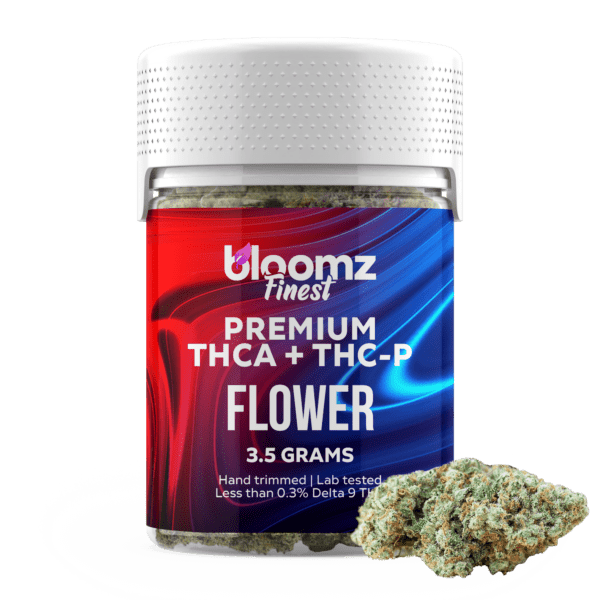
THCA + THC-P Flower
$47.99$89.99 -
THCA Flower
$27.99$79.99 -
THCA Pre-Rolls – 3-Pack/6-Pack
$30.99$59.99

Humulene in Cannabis Extraction
Terpenes like humulene are also important in cannabis extraction and concentrate production. When cannabis resin is extracted from the plant, the resulting concentrate may contain cannabinoids as well as preserved terpene compounds.
Certain extraction methods are particularly effective at preserving terpene profiles. For example, live resin and live rosin are concentrates made from fresh or flash-frozen cannabis plants, which helps preserve volatile terpenes.
Because humulene contributes to aroma and flavor, concentrates that preserve terpene content often showcase these aromatic characteristics more strongly than heavily refined extracts.
Some cannabis products may even list terpene content on their laboratory testing reports, allowing consumers to see how much humulene is present in the product.
Humulene and Cannabis Strain Identification
Many cannabis enthusiasts study terpene profiles to better understand the characteristics of different strains. Because humulene contributes specific aroma notes, its presence can influence how a strain is described.
Strains that contain noticeable humulene levels may be described as earthy, herbal, or woody. These scent characteristics may stand out when compared to strains dominated by citrus or fruity terpenes.
Terpene testing performed by laboratories can identify humulene levels in cannabis products. These test results may appear on a certificate of analysis (COA) provided by licensed cannabis manufacturers.
For consumers interested in terpene profiles, these reports offer a deeper look into the chemistry of cannabis products.
The Growing Importance of Terpene Education
As cannabis legalization expands in many regions, consumer interest in cannabis science continues to grow. Terpenes have become an important part of this educational movement.
In the past, many cannabis discussions focused primarily on THC percentages. However, modern cannabis education emphasizes the importance of terpene profiles, cannabinoid diversity, and chemical complexity.
Understanding terpenes like humulene allows consumers to better appreciate the differences between cannabis strains.
It also highlights how cannabis is not defined by a single compound but rather by a complex combination of molecules that work together.
Conclusion
Humulene is a naturally occurring terpene found in cannabis and many other plants, including hops, basil, sage, and cloves. Known for its earthy, woody, and slightly spicy aroma, humulene contributes to the complex terpene profiles that define the scent and flavor of certain cannabis strains.
Produced within the resin glands of cannabis trichomes, humulene plays a role in the plant’s natural defense system and adds depth to cannabis aroma and taste. It is often found alongside other terpenes such as caryophyllene and myrcene, creating layered aromatic profiles.
As interest in cannabis chemistry continues to expand, terpenes like humulene are becoming an increasingly important part of cannabis education. By understanding how these aromatic compounds function within the plant and interact with cannabinoids, consumers and researchers can gain a deeper appreciation for the complexity of cannabis.
To Buy Cannabis Flower Click Here
Recommended products
-
THCA Smalls
$139.99$256.99 -
THCA Flower – Mystery Reserve
$41.99$79.99 -
THCA Flower – Exotics – Gold Line
$37.99$89.99 -
THCA Flower – Platinum Line
$47.99$79.99